Adventists Bring Aid and Hope to Remote Indigenous Communities in Costa Rica
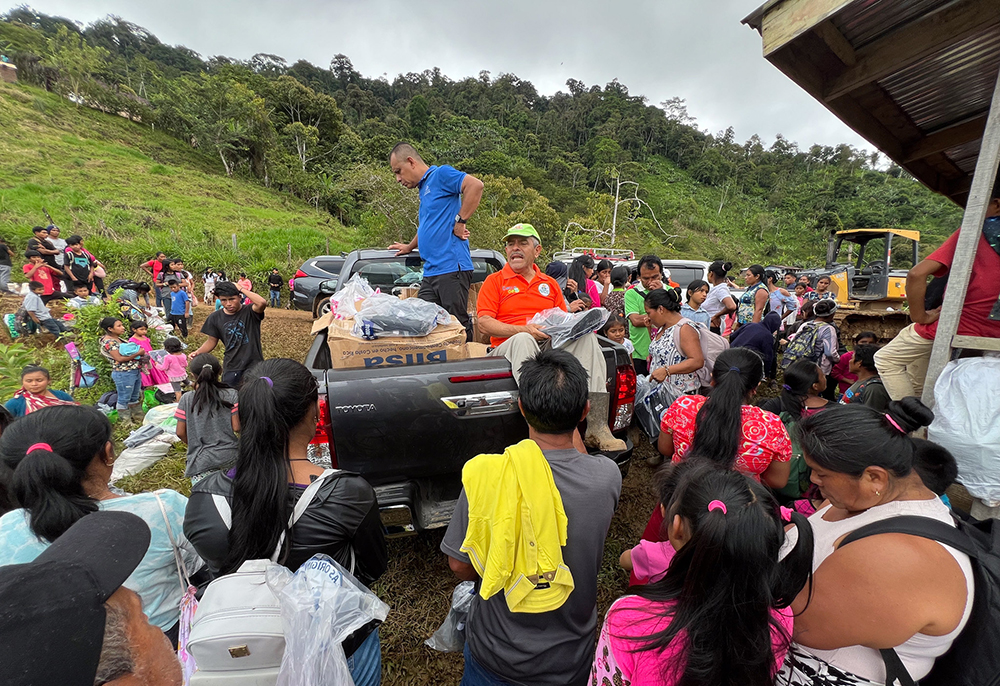
Seventh-day Adventist leaders visit one of three Indigenous community sites in the Talamanca Mountains of Costa Rica’s Limón Province on Dec. 2 during the annual outreach, distributing boots, food, and gifts for children. The gospel message has expanded to eight congregations in the region through sustained ministry among local Indigenous communities. [Photo: Erich Stevens/IAD]
December 18, 2025 | Limón, Costa Rica | Libna Stevens, Inter-American Division News
Winding mountain roads, hanging bridges, mud-soaked paths, and steep hills marked the journey into the remote Indigenous territories of Costa Rica’s Limón Province earlier this month. Seventh-day Adventist leaders and church members traveled for hours to deliver food, boots, and spiritual encouragement during the church’s special annual outreach, Dec. 1–2. Many Indigenous families made equally difficult treks—most walking for hours and even more than a day—to participate in worship, Bible study, and community support activities.
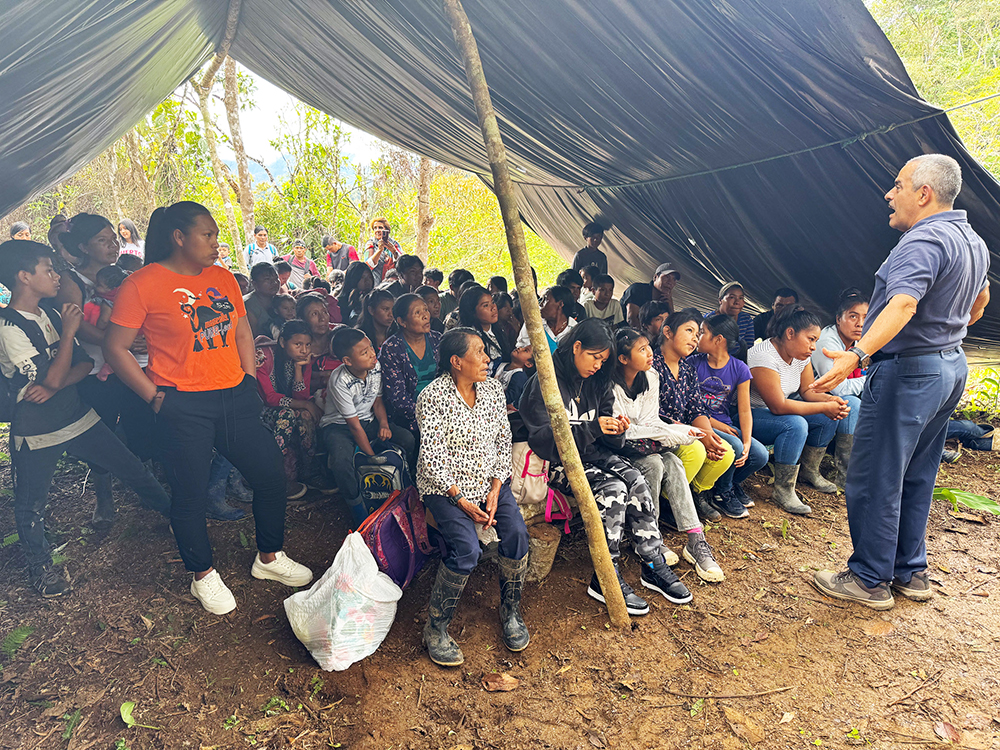
Greysi García (left) listens as Pastor Ricardo Marín, president of the Costa Rica Union, shares a spiritual message during the Dec. 1 gathering in the Veréh region. García traveled more than 20 hours to attend. [Photo: Libna Stevens/IAD]
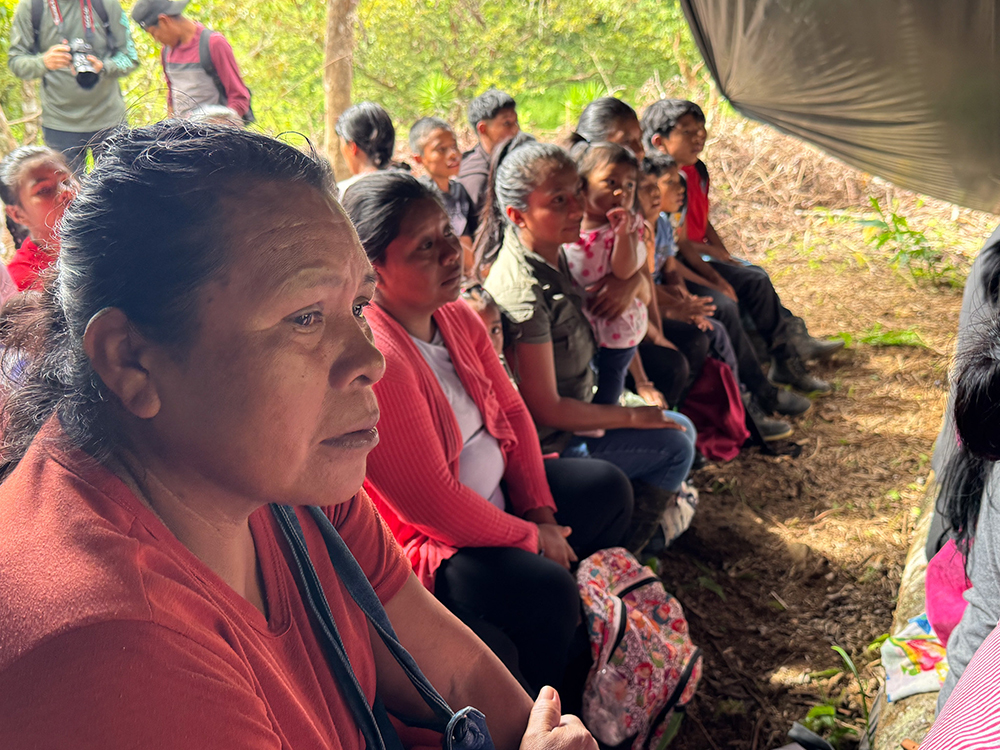
More than 100 people gathered during the special December visit by church leaders, many traveling three, four, eight, or more hours to attend. [Photo: Libna Stevens/IAD]
More than 100 families received packages of rice, beans, pasta, cornmeal, sugar, oil, and hygiene items. But for many, the deeper purpose was worship and fellowship.
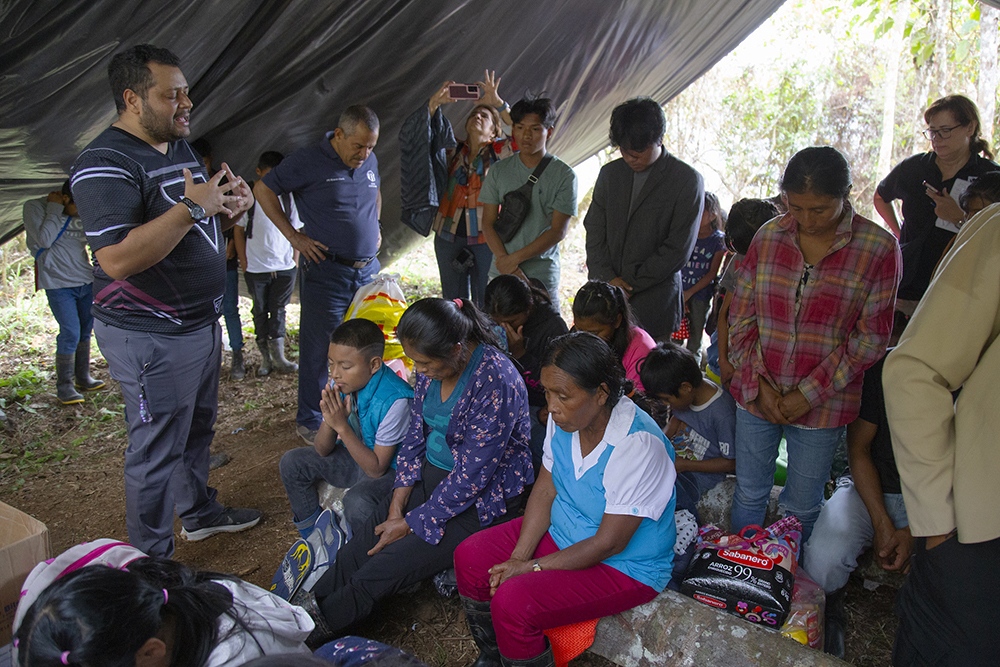
Pastor Jeremy Espinoza, president of the Costa Rica Caribbean Mission, prays during the special gathering in Veréh, where he oversees ministry across the Limón Province and Turrialba region. [Photo: Erich Stevens/IAD]
Every Sabbath, lay leader Maritza Masís and her husband Alonso make similar rugged journeys to lead worship on a hillside property in Veréh, where a simple shelter of tarps and ropes—with tree stumps for pews—serves as a temporary meeting place until a permanent church can be built.
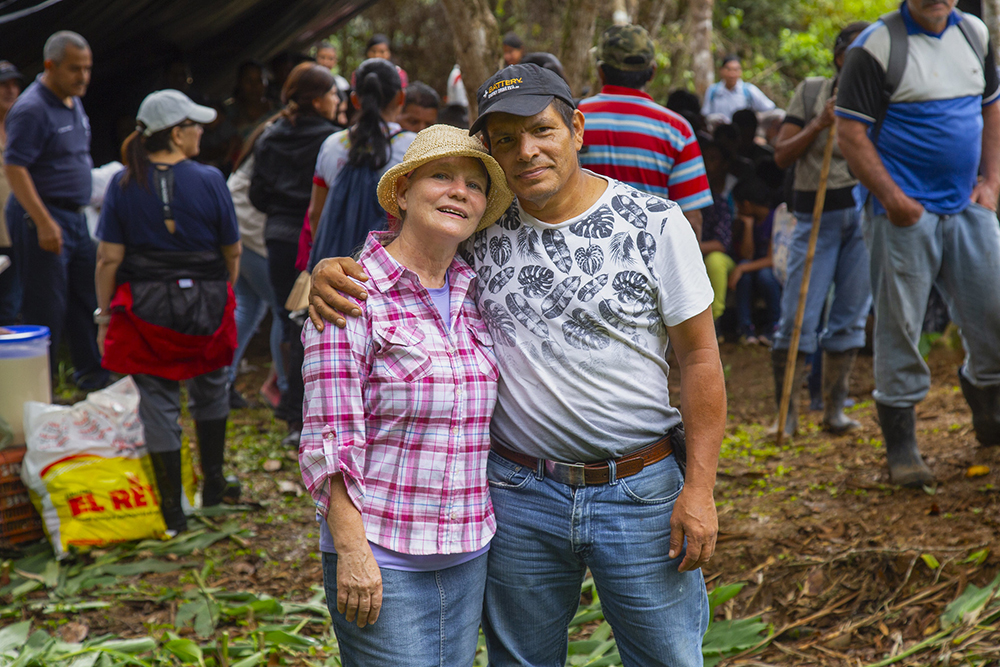
Lay leader Maritza Masís and her husband Alonso provide weekly worship and support to Indigenous families in Veréh and neighboring mountain communities. [Photo: Erich Stevens/IAD]
“I left my home, my job, my family, and everything I had to preach the gospel,” said Masís. “Christ is coming soon, and this is where God sent us.”
With no running water or electricity, the couple depends on God and occasional donations. “We depend completely on God, and He has never failed us,” Masís added.
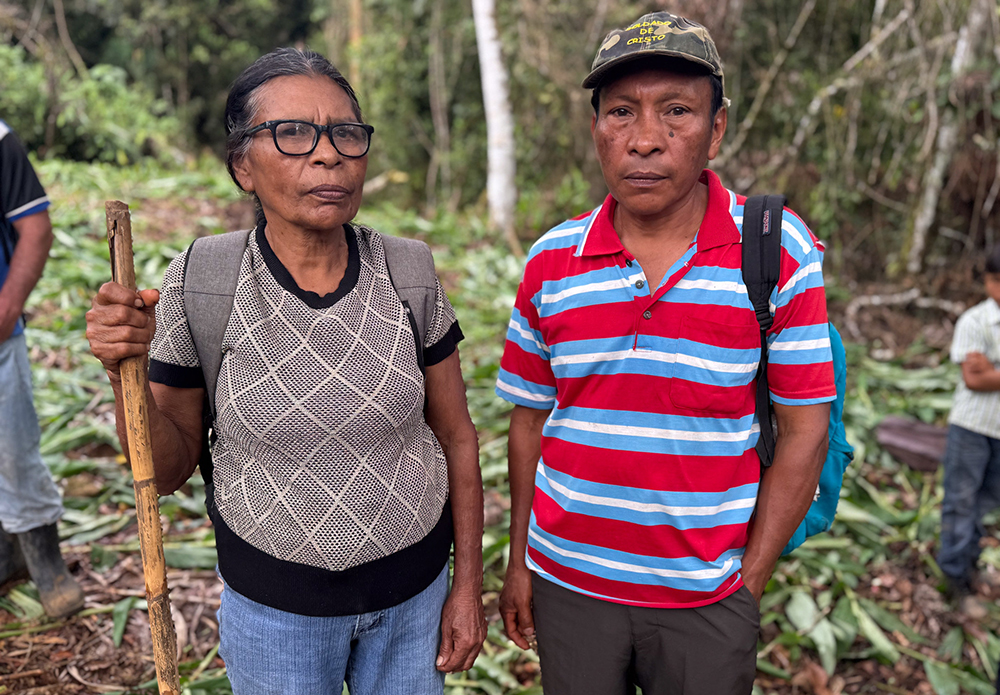
María Marcel and her son Nasario walked three hours to the December gathering, where Adventist leaders met with Indigenous families in the Talamanca mountains. [Photo: Libna Stevens/IAd]
Masís began the worship group by inviting passersby near her house. “Little by little, the group began to grow,” she recalled. Today, she teaches what she calls the message of salvation through the books of Daniel, Revelation, and the Gospels.
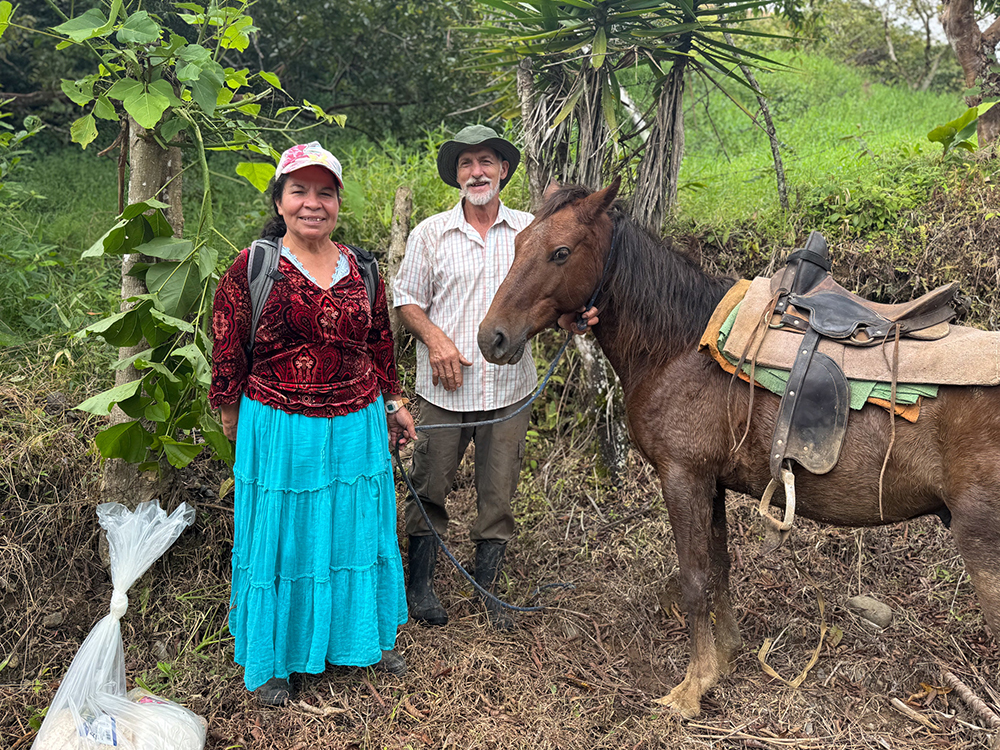
Manuel and Mari Venegas prepare to ride home on their horse Tormento after worship in Veréh, where Bible studies led them to join the Adventist Church. [Photo: Libna Stevens/IAD]
Many sacrifice greatly to attend. Maria Marcel, 81, who has a sore hip, walked three hours with her son Nasario from Bajo Joquí to worship.
Manuel and Mari Venegas arrived on horseback to worship and visit with leaders and fellow believers; after completing Bible studies led by Masís, they became members of the Adventist Church.
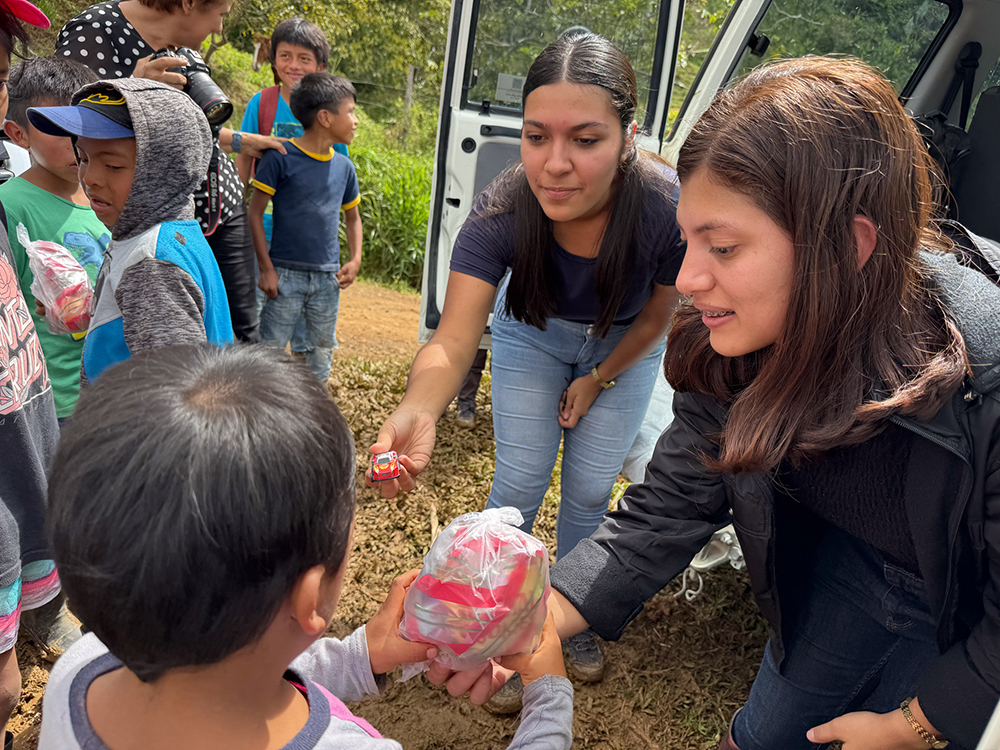
Diana Salazar (center) and Melkin Suárez (right), who volunteer every year in the outreach, hand out toys and goodies to children in the Cabécar community on Dec. 2. [Photo: Libna Stevens/IAD]
Belkis Archbold, a retiree from the Inter-American Division, who joined the outreach five years ago, said she returns each year despite the challenges.
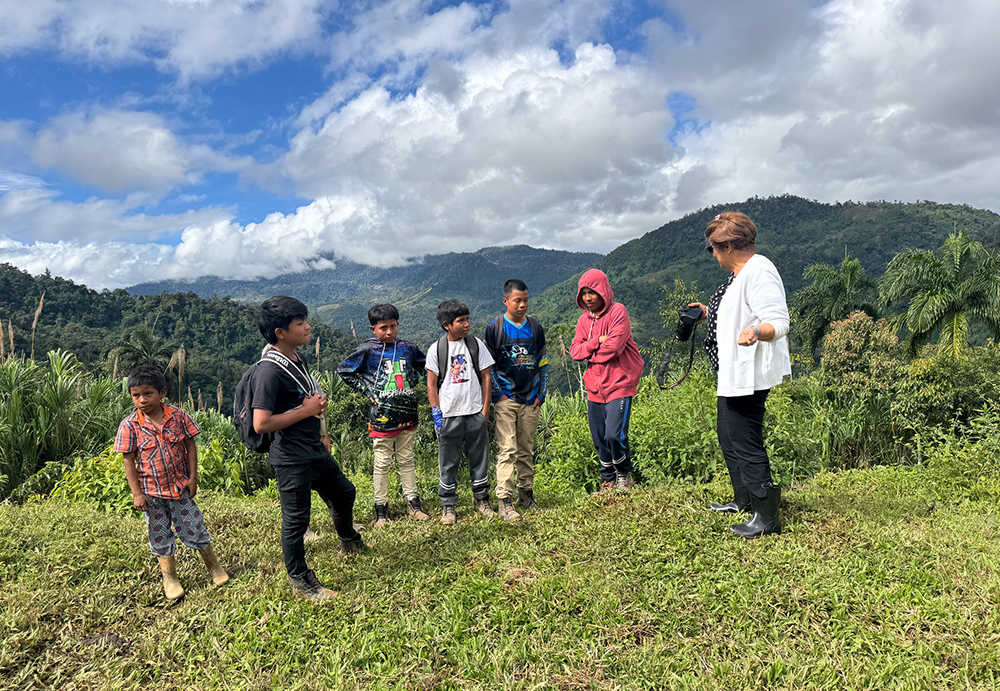
During her fifth year supporting the Indigenous outreach, retiree Belkis Archbold, talks with children in the Cabécar community on Dec. 2, 2025. [Photo: Libna StevensIAD]
A Mission of Long-Term Commitment
The initiative is coordinated through the Costa Rica Union in partnership with the Costa Rica Caribbean Mission, local churches and ADRA-supported literacy and development efforts. Marín stressed that the outreach is not a short-term project, but a long-term mission rooted in presence, cultural understanding, and service.
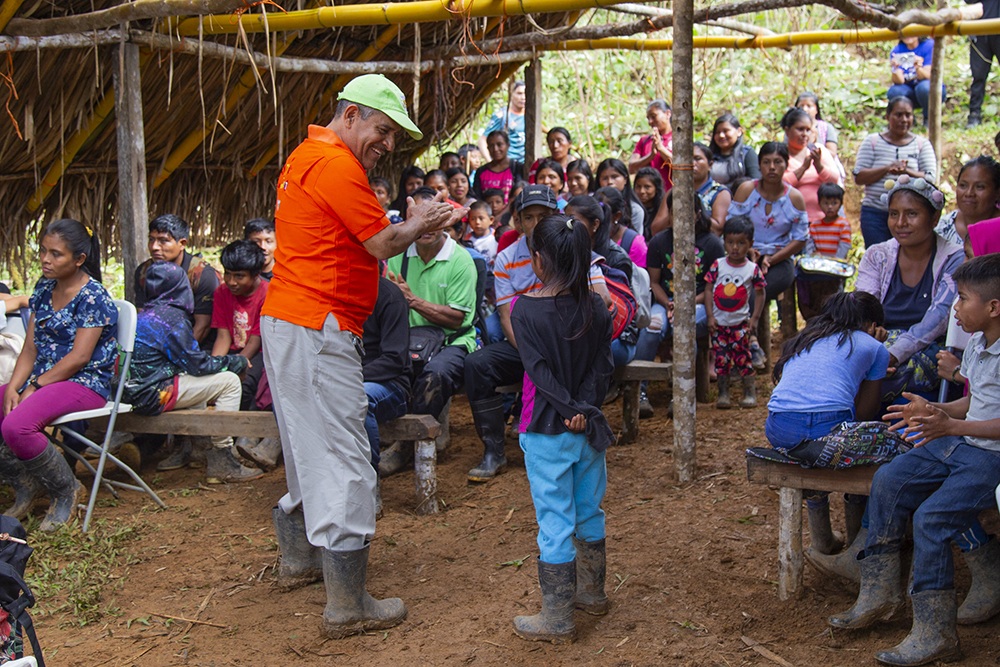
Pastor Ricardo Marín shares with a young girl while delivering a message to the Cabécar community during the Dec. 2, 2025 outreach. [Photo: Erich Stevens/IAD]
Teaching people to read using the Bible has opened new doors for evangelism and discipleship, Marín said. “Through literacy, people come closer to the Word—and to the church.”
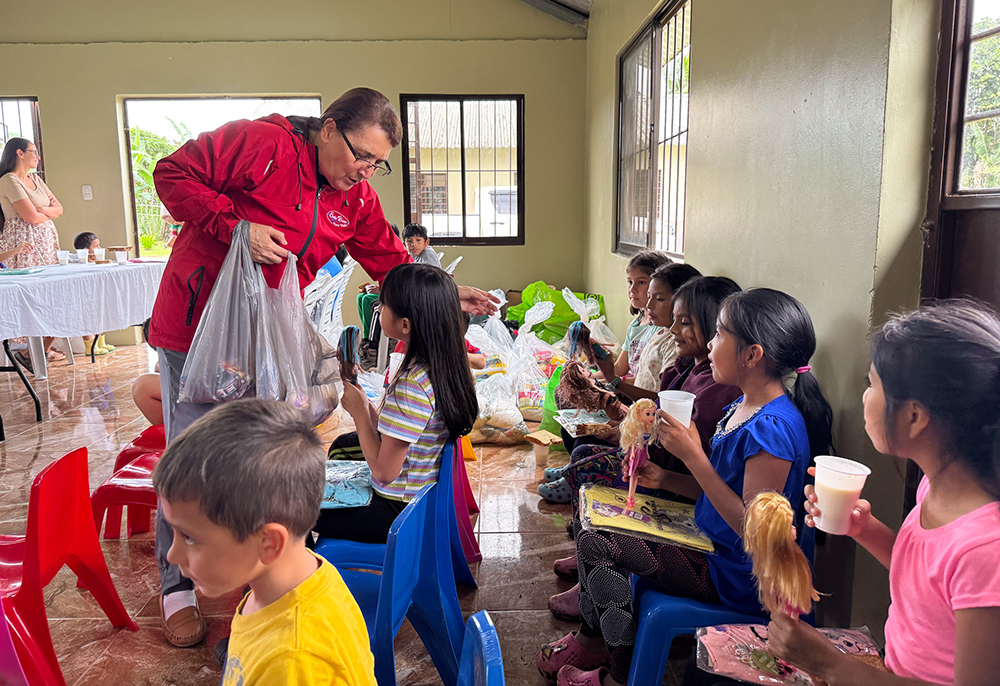
Children receive snacks and toys from Olga de Marín during a special visit to the Grano de Oro Adventist Camp, where Indigenous families arrived to collect new rubber boots and food baskets on Dec. 1, 2025. [Photo: Libna Stevens/IAD]
Trained Indigenous leaders are emerging to sustain the work. One of them is Melvin Madriz, 27, a theology student from the Cabécar community who will soon complete his degree and return to full-time ministry in the mountains. He leads Bible studies in Spanish and Cabécar. “Everything’s been a change for me,” he said. “A challenge that is bringing great opportunities to reach more with the gospel…and the Second Coming of Jesus.”
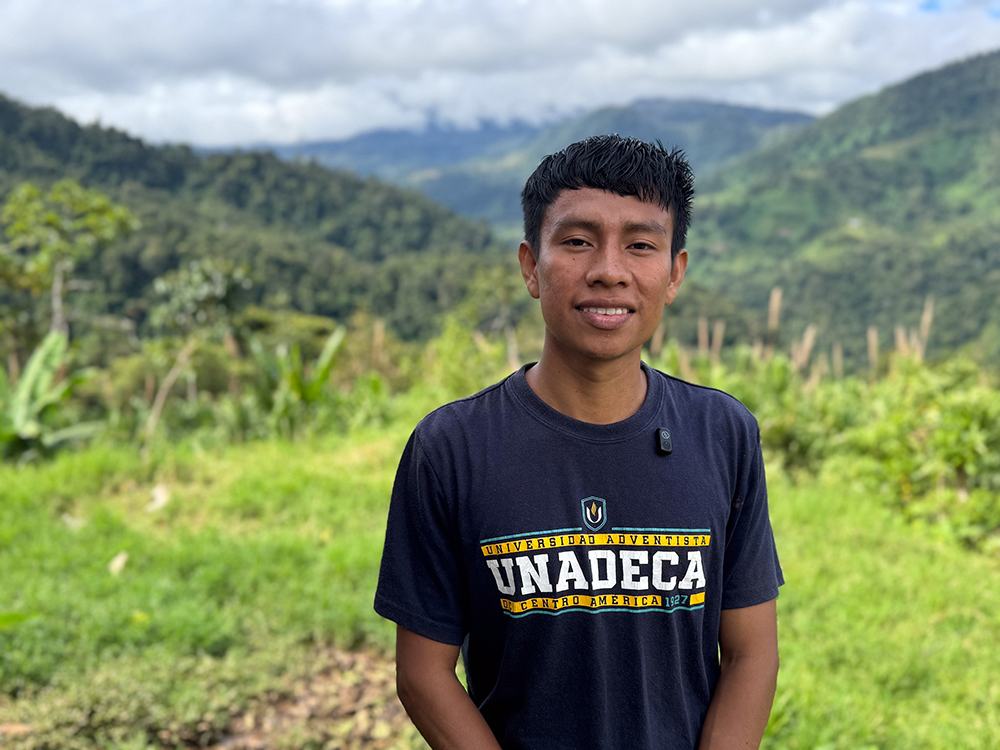
Theology student Melvin Madriz, who grew up in the Cabécar territory, now leads Bible studies in the same Indigenous community where he was raised with his family. [Photo: Libna Stevens/IAD]
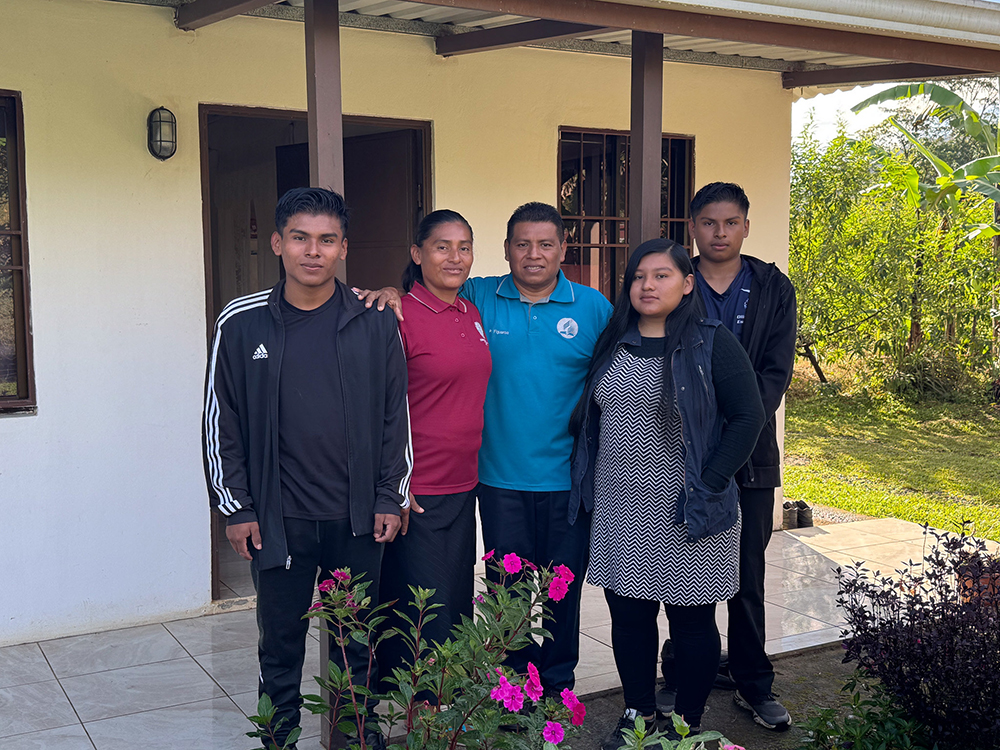
Pastor Álvaro Figueroa stands with his wife Judith and their children—Kevin (left), Kelly (second from right), and Daniel (right)—in front of their home, where they live and minister at the Adventist Church in the Grano de Oro Adventist Camp and serve eight Indigenous congregations in the mountainous region. [Photo: Libna Stevens/IAD]
“This is not something improvised,” he said. “It is a serious, intentional, and carefully planned concern of the church.”
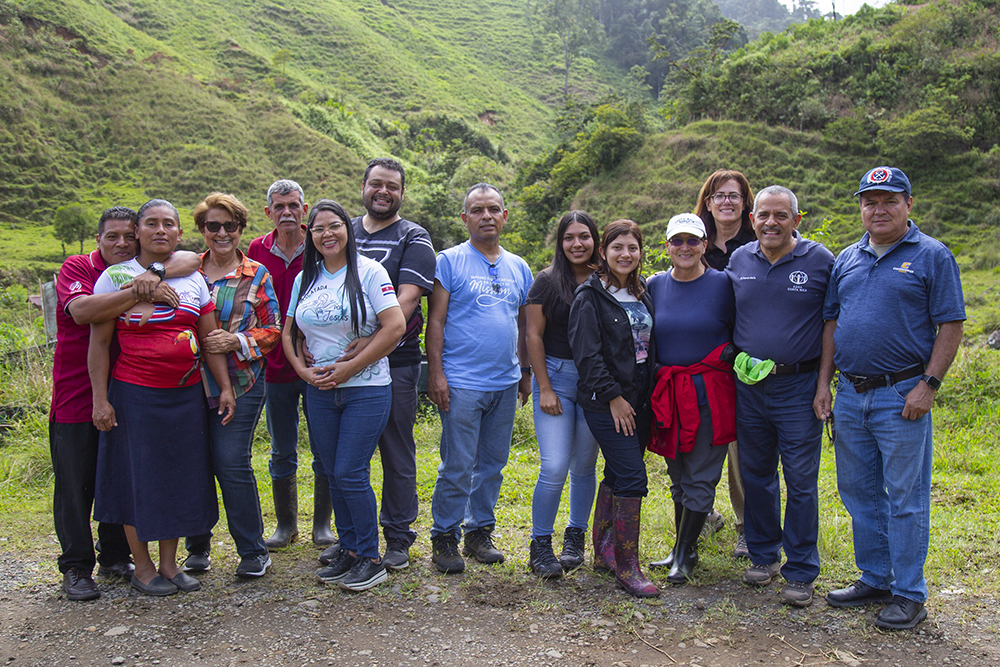
Participants in the Indigenous outreach gather for a group photo on Dec. 1, 2025, in the Veréh region, where Adventist leaders and volunteers served local families. [Photo: Erich Stevens/IAD]
To view photos of the recent indigenous community impact, click HERE