Adventist Seminary in Cuba Adapts Academic Program Amid National Disruptions
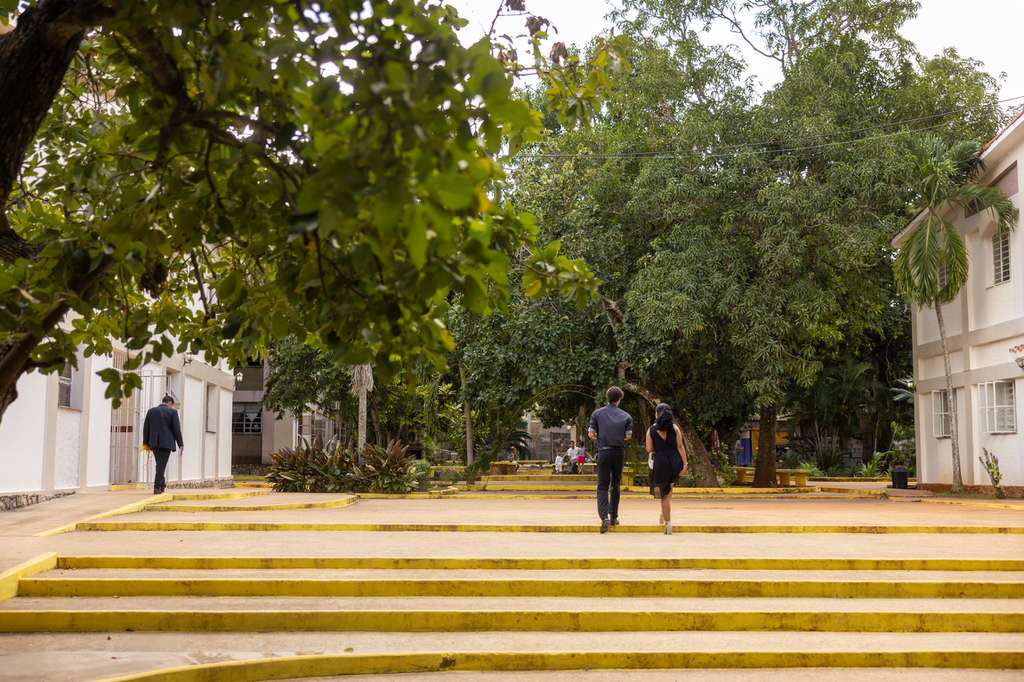
The Adventist Theological Seminary in Havana, Cuba, where more than 100 theology students are continuing their training through adjusted academic plans after transportation disruptions prevented their return to campus earlier this week. [Photo: Daniel Gallardo/IAD]
February 12, 2026 | Havana, Cuba | Libna Stevens, Inter-American Division News
More than 100 theology students at the Adventist Theological Seminary in Havana were unexpectedly stranded across Cuba after a nationwide suspension of public transportation prevented them from returning to campus following a scheduled weekend break, prompting church leaders to quickly adjust the academic calendar.
According to Pastor Aldo Pérez, president of the Cuban Union, students had traveled home on February 5 to spend time with their families, expecting to return just days later. Instead, when they prepared to travel back on February 9, transportation services had been halted.
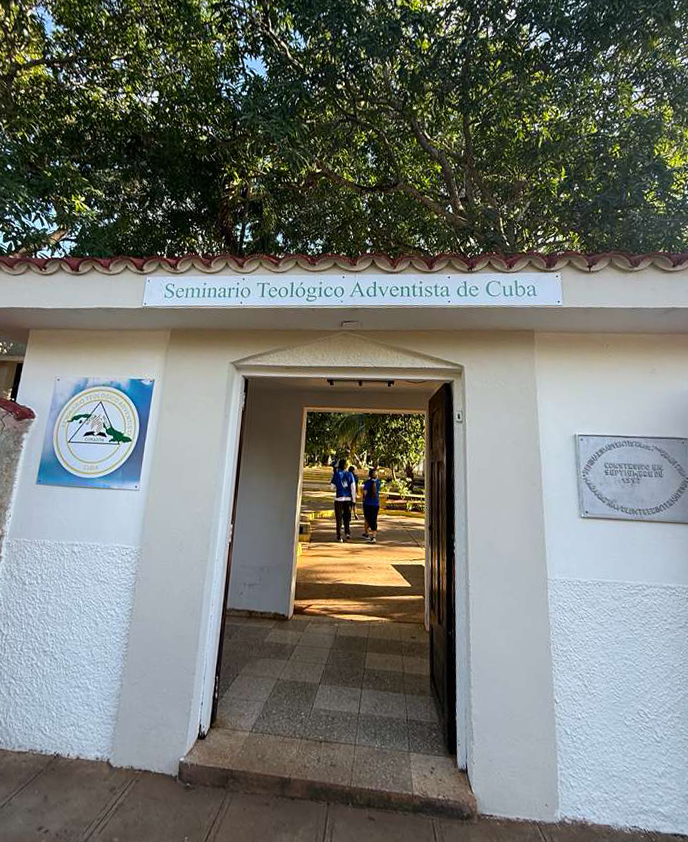
An entrance area of the Adventist Theological Seminary in Havana, where theology students prepare for ministry across Cuba and other countries around the world. [Photo: Daniel Gallardo/IAD]
Academic Adjustments Underway
In response, seminary administrators moved swiftly to prevent academic delays by restructuring the coming weeks of the semester. For the current month, students will complete supervised ministerial field practice in their home churches, working alongside pastors and Bible instructors.
“We met with the seminary leadership to adjust the program so students would not lose the semester,” Pérez explained. “Each student will be evaluated through practical ministry work where they are currently located. Meanwhile, professors are preparing coursework that can be delivered by whatever means are available for next month.”
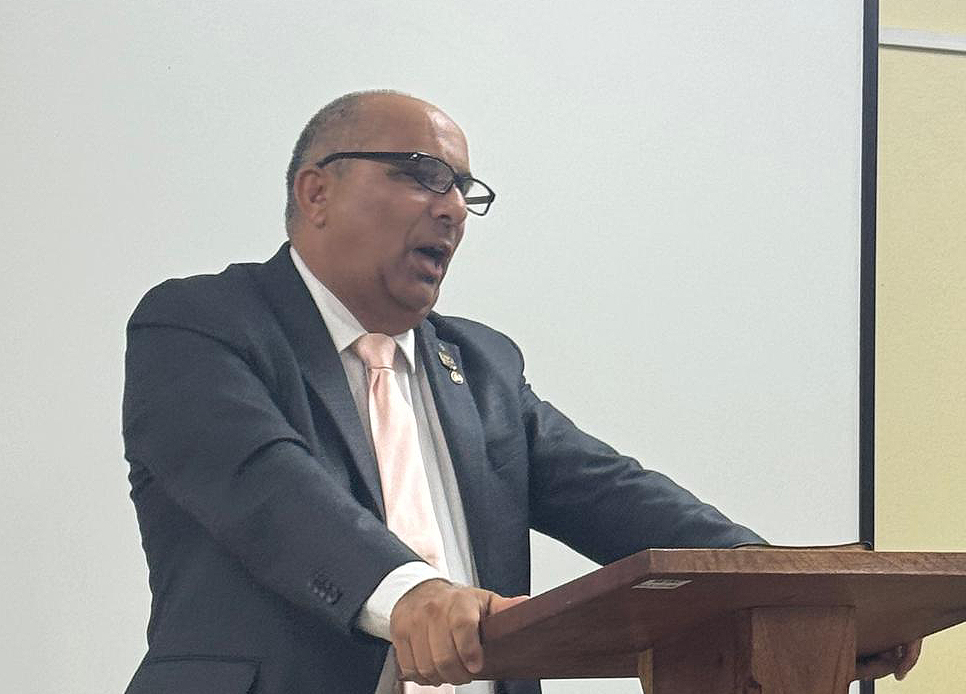
Pastor Aldo Pérez, president of the Cuban Union, reported on recent academic adjustments at the Adventist seminary and ongoing church initiatives across Cuba. [File Photo: Libna Stevens/IAD]
“When conditions improve, students will complete their evaluations,” Pérez said. “Some language courses will need to be conducted in person.”
The adjustments may require shortening scheduled breaks, and one of the seminary’s two foreign students has returned to their home country until further notice.
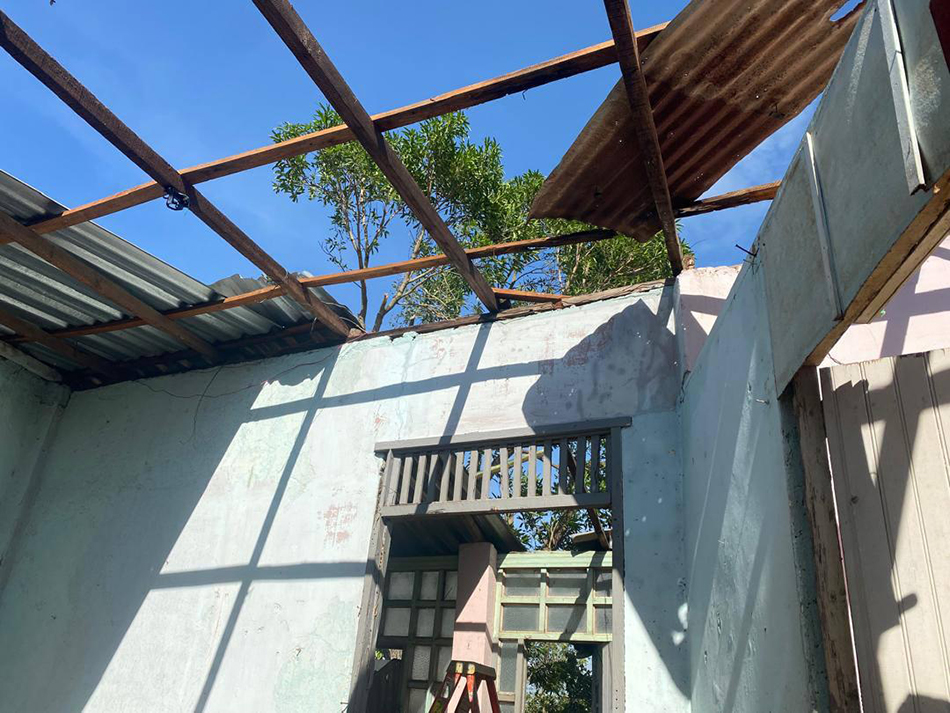
Recovery efforts continue as the church provides much-needed zinc roofing to help families rebuild homes damaged by Hurricane Melissa’s October 2025 devastation. [Photo: Cuban Union]
The academic changes come amid broader national challenges affecting transportation, energy access, and recovery efforts following Hurricane Melissa, which damaged homes in eastern Cuba. Pérez said coordinated relief efforts—supported by the Inter-American Division, ADRA, Maranatha Volunteers International, and other donors—have provided roofing materials, cement, food, clothing, and other essentials to affected families.
“With this support, we’ve been able to repair homes and assist families in need,” Pérez said. “Church members across the country have also contributed clothing and food to help those impacted.”
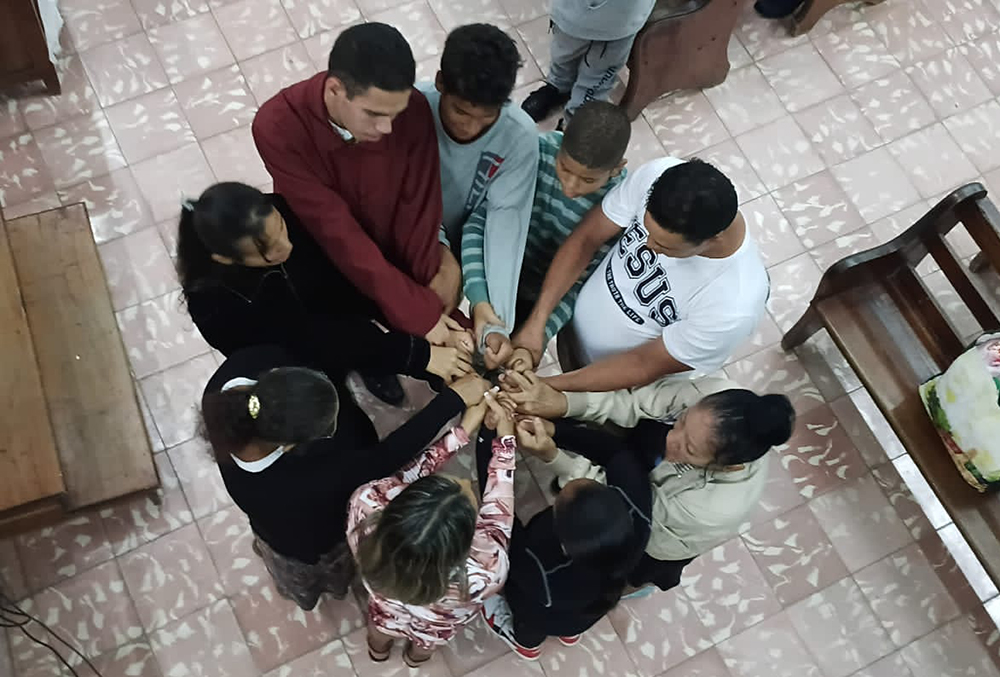
A group of believers participates in a prayer vigil at the Contramaestre Adventist Church in Santiago de Cuba on January 31, 2026, marking the start of a continuing series of Saturday evening–to–Sunday morning vigils held in members’ homes across the country. [Photo: Cuban Union]
“Thanks to the recent cold weather, which dropped to a record low of zero degrees Celsius, cases have declined,” Pérez said. “Many church leaders and members are still dealing with lingering symptoms, but the situation has improved significantly.”
Church Life Continues Through Prayer Vigils and Ministry
Amid these ongoing pressures, Adventist congregations across Cuba have organized rotating home-based prayer vigils from Saturday evenings to Sunday mornings since January 31.
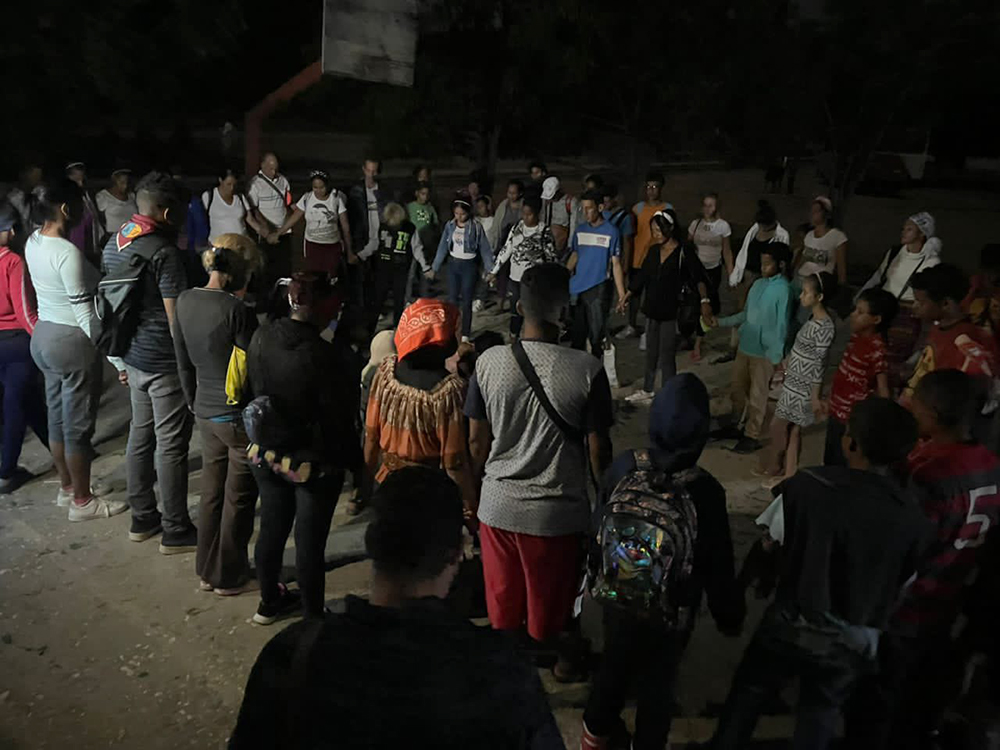
Dozens of young people gather for a prayer vigil in a field in Guantánamo, Cuba, on Feb. 1, 2026. [Photo: Cuban Union]
He explained that the vigils invite members to seek God’s presence and protection in a complex season. “Our church members are praying for the Holy Spirit to be poured out, for families to be strengthened, for the church to grow, and for God’s mercy to rest upon the Cuban people, holding firmly to His promises of care and deliverance.”
Even amid current restrictions, local ministry activities continue. Pérez noted that recent lay evangelism festivals across the island drew strong participation, reflecting the church’s resilience and enthusiasm despite ongoing challenges.

Pastor Aldo Pérez (fourth from right), president of the Cuban Union , stands with leaders, a Bible instructor, and outstanding lay members from the West Cuban Conference during a Festival of the Laity gathering at the La Víbora Adventist Church in Havana, Cuba, on January 31, 2026. [Photo: Cuban Union]
“Despite everything, the church remains encouraged,” he said. “Members are confident that God is in control and that better days will come. We continue preaching the gospel wherever we can.”