Young People Are an Integral Part of Adventist Mission, Leaders Say
In Spain an initiative encourages children to learn, engage in mission service.
April 1, 2026 | Sagunto, Valencia, Spain | Marcos Paseggi, Adventist Review
Engaging in mission is not an adults-only venture—it includes teenagers and even children. Thus, young people should be not an afterthought but an integral part of the missionary enterprise.
This was the driving thought behind I Will Go Kids, an initiative that is transforming Seventh-day Adventist children and teenagers in Spain and beyond. During the March 20-22 I Will Go International Mission Congress at Sagunto Adventist College in Sagunto, Valencia, dozens of children learned more about Adventist mission, engaged in hands-on activities, and listened to deployed missionaries’ testimonies, as they prepare for a life of service wherever God may lead them.

Every young participant received a “passport” that they were invited to fill by answering questions, drawing, and reflecting on what they learned about service and mission. [Photo: I Will Go International Mission Congress]
As hundreds of college students, lay church members, and church pastors and leaders participated in the I Will Go International Congress activities, a parallel program engaged dozens of their children and others in multiple activities and learning sessions. Children were issued a large “passport” with a photo and fill-in-the-blank and drawing pages.
During the event children learned about the joys and challenges of mission fields around the world, participated in group activities, and reacted to the experiences of other children growing up in missionary families. They were also able to talk to the families and ask questions about their service.
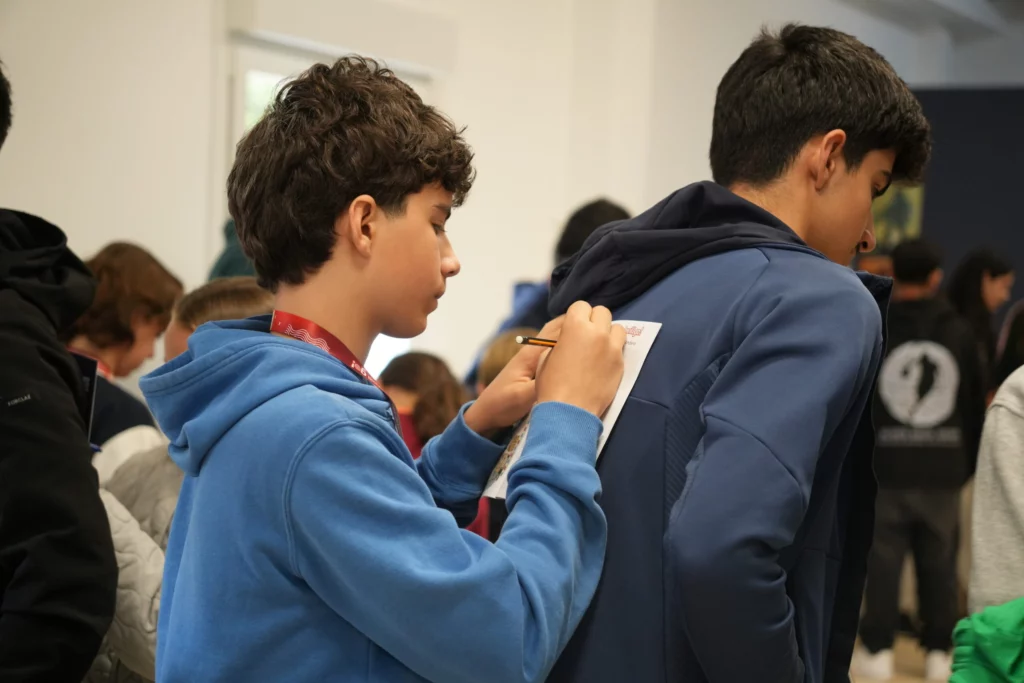
A pair of young participants work together to answer questions about mission service on their “passport.” [Photo: Marcos Paseggi, Adventist Review]
“Often we think that children should, at best, hope to become missionaries one day,” organizers explained. “But as they prepare for whatever God has in store for them, children need to understand that they are already missionaries. At the same time, adults should apprehend the importance of planting the seed of service and mission as early as possible. Children who learn to love mission early are more likely to become lifelong missionaries,” they emphasized.
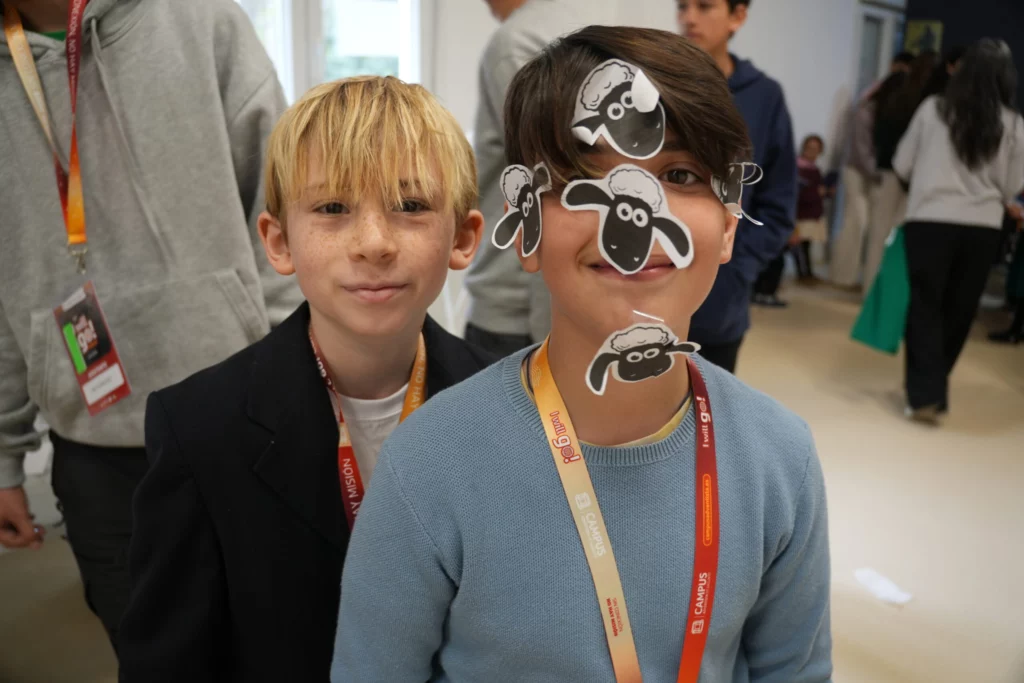
Two boys smile during one of the activities at the I Will Go Kids in Sagunto, Valencia, Spain, March 21. [Photo: Marcos Paseggi, Adventist Review]
The carefully designed I Will Go Kids program is a byproduct of GPS Online, the brainchild of Maijo Roth, Children and Family Ministries director of the Spanish Union of Churches Conference. The initiative for 10- to 15-year-olds provides online extracurricular programs for Adventist children across Spain and has already connected, trained, and engaged hundreds of young ones in activities that focus on their wholistic development.
“The goal is not that children just become ‘good kids,’ ” Roth said. “They goal is that they become well-rounded, wholesome individuals. We don’t want our children just to survive—we’d like them to thrive.”
To achieve this, the focus of the program is on children’s emotional well-being, development of purpose, and spiritual identity. It also seeks to make them aware and develop significant relationships and resilience, Roth explained.
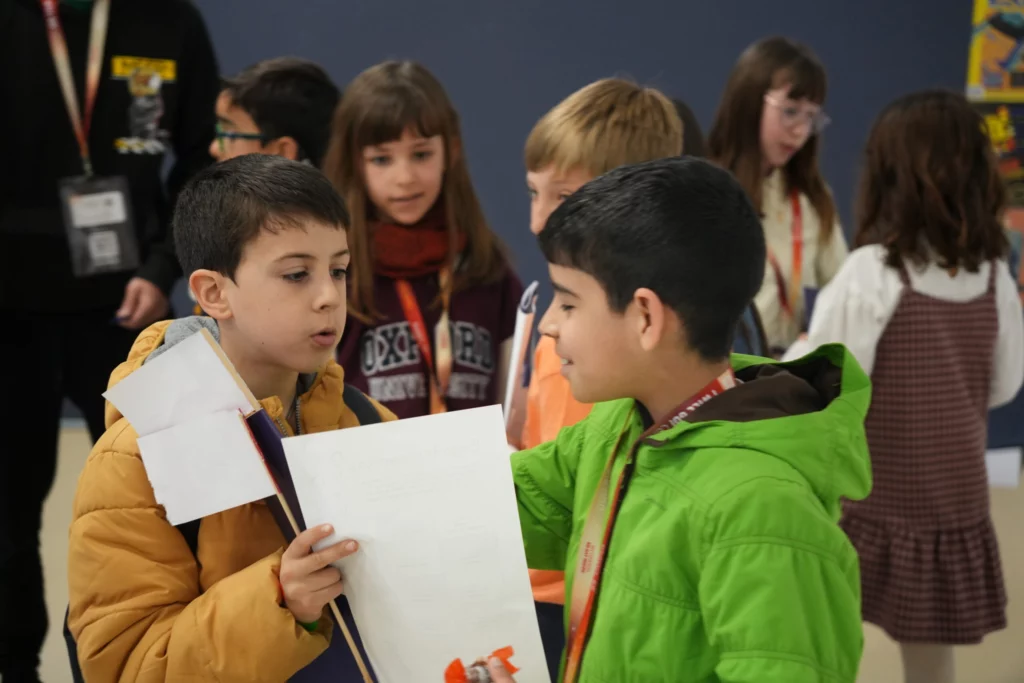
Every activity was designed to highlight the value of mission service in every child’s neighborhood and around the world. [Photo: Marcos Paseggi, Adventist Review]
Roth explained how experts agree that human beings need a sense of belonging, competence, and autonomy. Service—and mission service—scores high in all categories, she said. “When you serve, you feel competent,” she explained. “When you serve with others, you find belonging. And as you serve, you develop autonomy.”
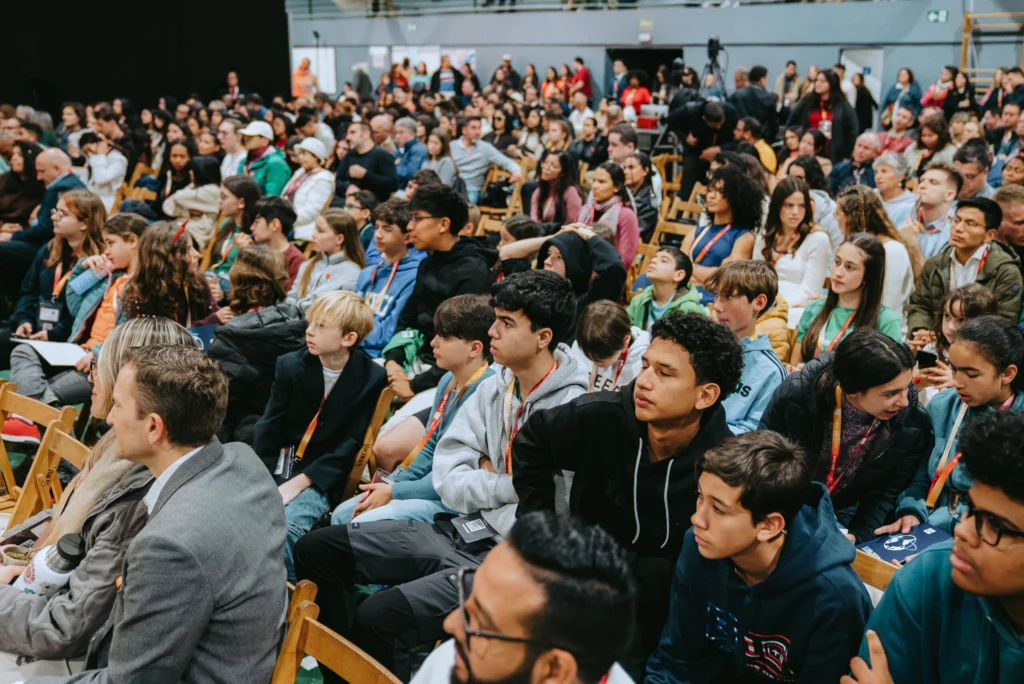
I Will Go Kids participants also attended some of the presentations of the international congress, seating in a special section of the main hall reserved for them. [Photo: I Will Go International Mission Congress]
Another key element that Roth has found after analyzing data based on the implementation of the GPS Online program is improvements in the spiritual identity of children and teenagers, she said. “When you serve, spiritual identity becomes practical,” she explained. “Faith stops being just a theory and becomes an experience lived in real life.”
At the same time, she emphasized, the process triggers the development of greater consistency between what young people believe and what they actually do, something that, according to her, leads to greater emotional stability.
Roth emphasized, once more, the importance of belonging for sound development, especially of teenagers engaged in mission service activities. “Belonging heals the heart, and when a teenager feels they belong, they thrive,” she said. “Their self-esteem improves, and their insecurities decrease.”

Maijo Roth shares the results of her research on the impact of mission service in children and teenagers during the I Will Go International Mission Congress in Spain. [Photo: Marcos Paseggi, Adventist Review]
Walking along young people in this process is key for the success of any development enterprise. “It’s not just about completing activities for their own sake,” Roth emphasized. “They need adult role models to walk by their side as they engage in acts of service, because the impact is more powerful when an activity or project includes a significant personal relationship with an older mentor.”
At the same time, a life of service is much more than a once-in-a-lifetime mission project, Roth explained. In fact, data shows that “teenagers who thrive more are not those who engage in an occasional mission project, but rather those who grow up in families that make mission part of their daily lives—those who see mission and service as a lifestyle.” She added, “It doesn’t matter if the family goes to serve abroad or never leaves their hometown. When a family chooses mission as a way of life, children thrive.”
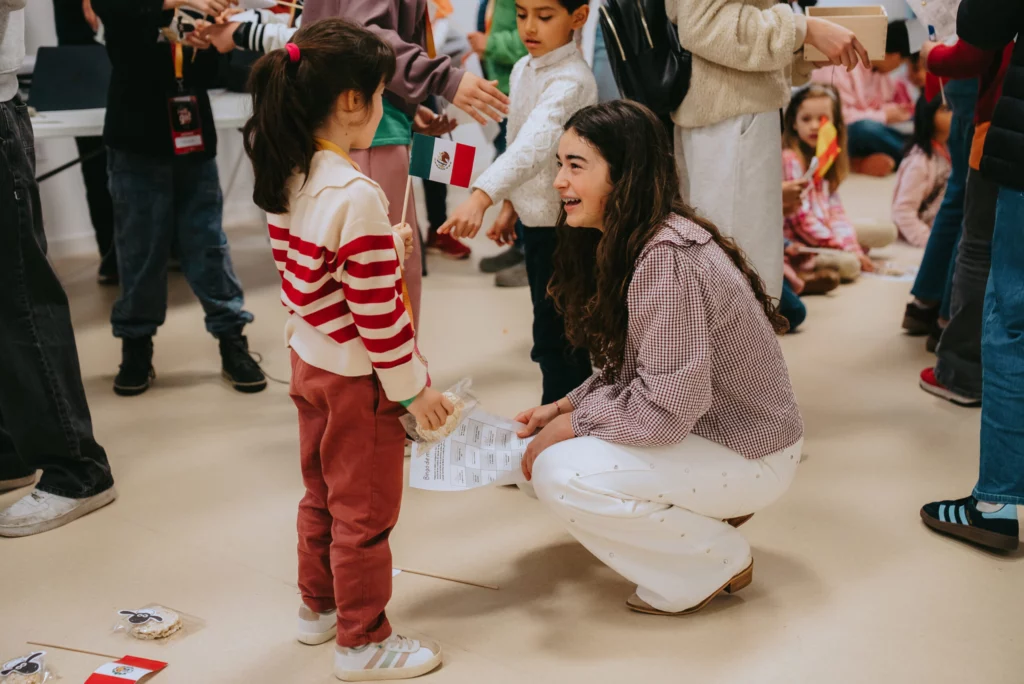
A teen mentor assists a young participant during the I Will Go Kids activities in Sagunto, Valencia, Spain, March 22. [Photo: I Will Go International Mission Congress]
From Mentees to Mentors
In a later interview on the sidelines of the event, Roth shared how after several years of implementing GPS Online, she ended up facing an issue she had not anticipated. “As the first participants of the program turned 16, many of them shared that they loved the program so much they didn’t want to leave,” she shared. The challenge was now how to keep them engaged in some capacity.
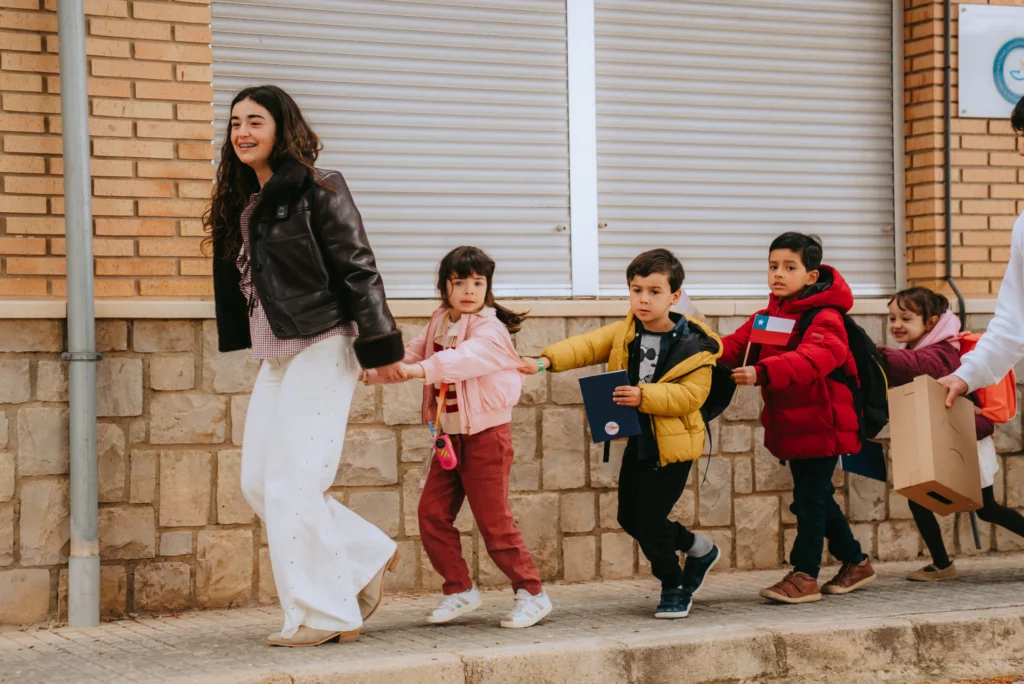
During the I Will Go Kids program at Sagunto, 25 certified teenage mentors helped coordinate and lead the daily activities for younger children. [Photo: I Will Go International Mission Congress]
“It’s a win-win situation,” Roth said. “Everyone focused on service, waiting to see how God will use them next.”