
ADRA Inter-America Charts Strategy To Grow Humanitarian Impact
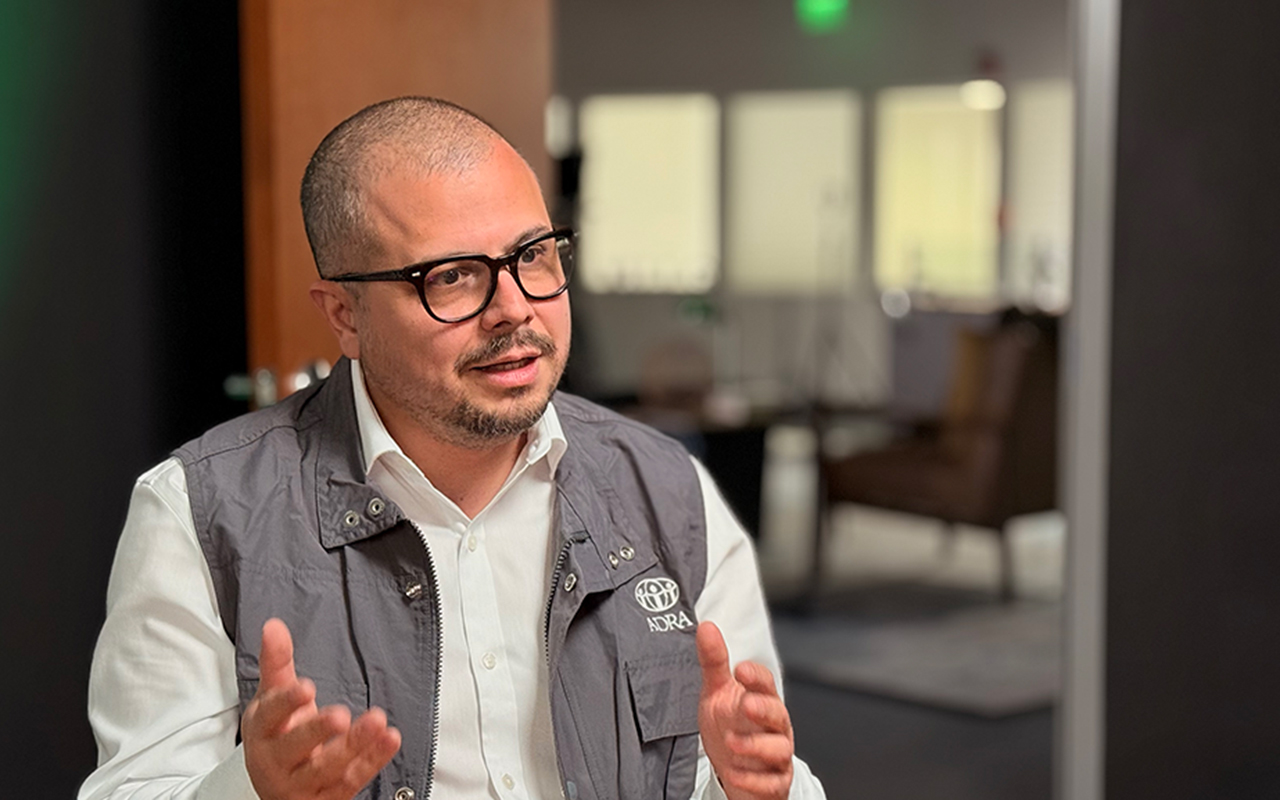
Leadership plan prioritizes rapid response, stronger systems, and mission alignment.
February 11, 2026 | Miami, Florida, United States | Libna Stevens, Inter-American Division News
Facing increasing humanitarian pressures across the Inter-American Division (IAD), the Adventist Development and Relief Agency (ADRA) Inter-America is entering what regional director Ruben Ponce describes as a critical phase of strengthening and renewal aimed at expanding the church’s humanitarian reach while building sustainable institutional foundations.
From migration challenges and rapid urban growth to natural disasters and social vulnerability, Ponce says the region demands a response that is both spiritually grounded and professionally structured.
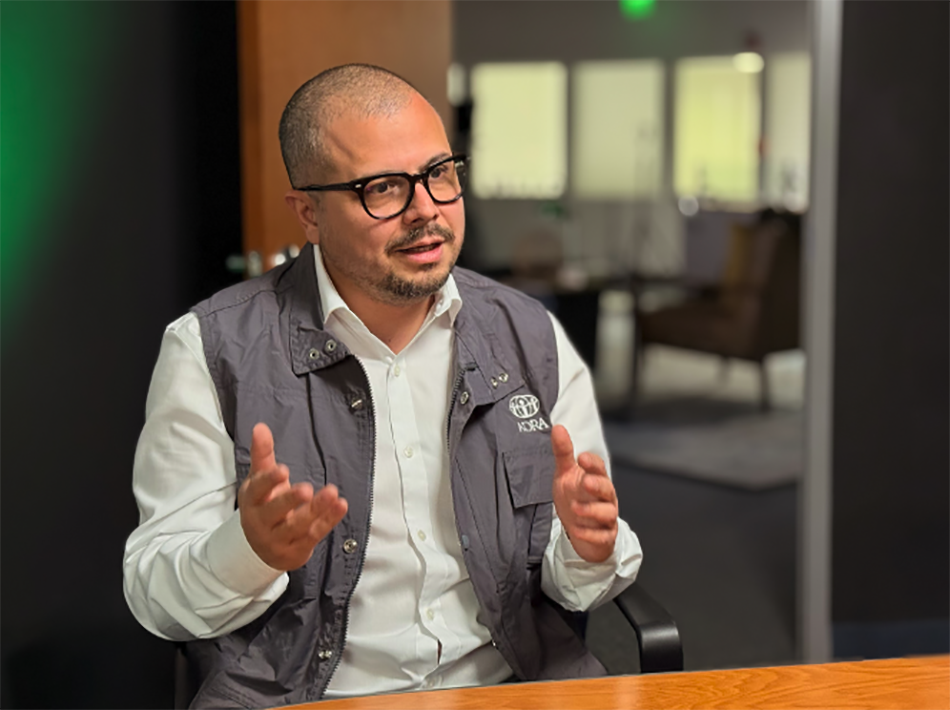
“Inter-America faces growing humanitarian realities,” explains Ponce, who was recently appointed as ADRA Inter-America director. “ADRA is called to respond not simply as an aid organization, but as the professional humanitarian arm of the Seventh-day Adventist Church, prepared, credible, and capable of serving communities with excellence.”
Leading in Emergency Response
One of ADRA Inter-America’s strongest assets is its emergency response framework, developed in recent years to improve readiness across national offices, says Ponce. Since 2022, the system has enabled well-operated country teams to activate or prepare emergency response plans within 24 hours, a benchmark that places the region among the most responsive in ADRA’s global network, he says.
The model has already demonstrated measurable impact such as ADRA Mexico, for example, has rapidly scaled organized disaster responses in recent years, becoming one of the most active and structured emergency responders in the worldwide ADRA system.
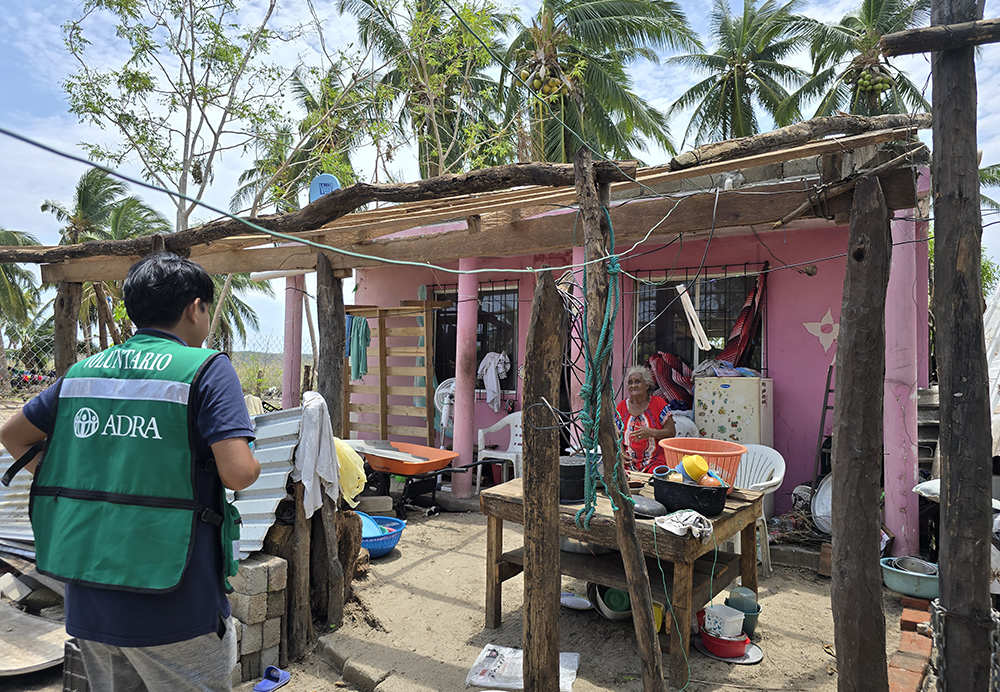
“Our emergency system is designed for speed and coordination,” Ponce says. “That level of readiness allows us to move quickly when lives are disrupted. It places Inter-America among the strongest regions globally in emergency preparedness.”
Strengthening this system remains a priority, with plans to expand training, coordination, and operational readiness across more national offices.
Building Strong Institutional Foundations
Beyond emergency response, Ponce emphasizes that sustainable humanitarian impact depends on strong institutional structures.
A key short-term objective is expanding accreditation and verification processes to ensure national ADRA offices meet international operational standards. These standards promote accountability, transparency, and professional governance, critical elements for sustaining long-term partnerships and accessing funding opportunities, he says.
Strategic Framework for the Next Five Years
Ponce explains that ADRA Inter-America’s direction is guided by a multi-year framework designed to strengthen institutional capacity while expanding mission impact.
“This executive framework outlines the essential elements of the plan,” Ponce says, “designed to guide strategic decision-making, strengthen institutional unity, and ensure the Church’s mission remains sustainable, visible, and relevant through ADRA.”
“These priorities are about creating systems that endure,” adds Ponce. When structures are strong, humanitarian service becomes more effective, consistent, and mission-centered, he says.
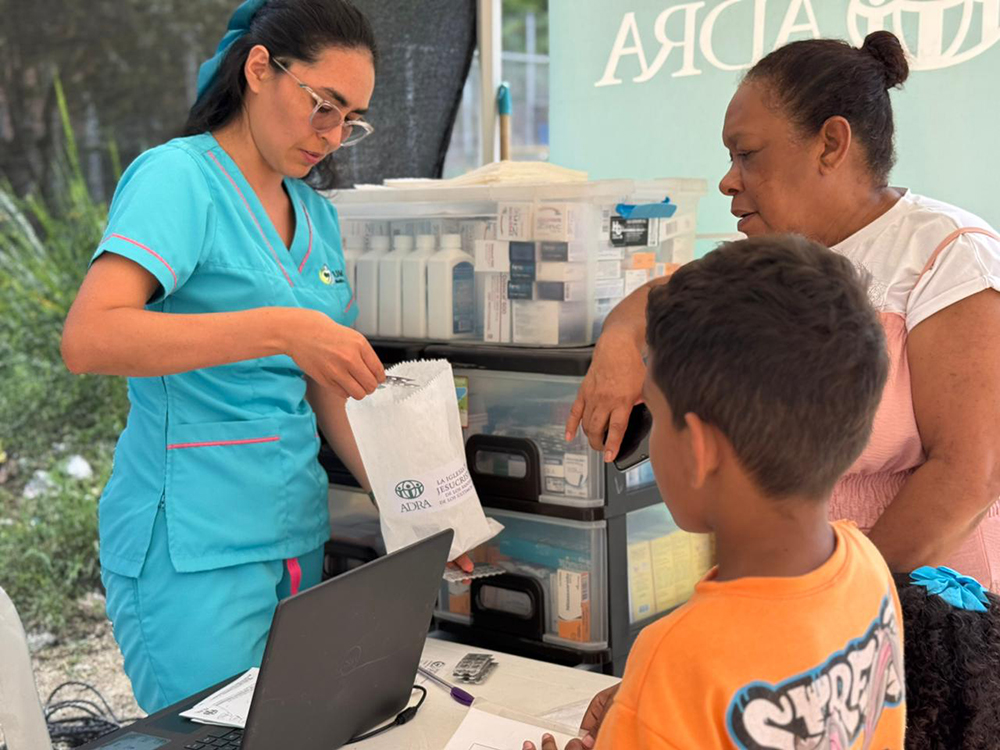
Where full accreditation is not immediately feasible, ADRA Inter-America is developing an operational licensing framework that allows national offices to function responsibly under defined standards while progressing toward verification. Coordinated with ADRA International and another world division, this initiative provides a practical pathway for strengthening offices that operate with more limited infrastructure while maintaining accountability and institutional alignment.
This effort also includes updating governance agreements between ADRA and church unions, clarifying roles, and aligning operations with regional mission priorities.
Looking ahead, ADRA Inter-America’s multi-year strategy includes building a more robust regional structure to support program development, monitoring, emergency coordination, and communication.
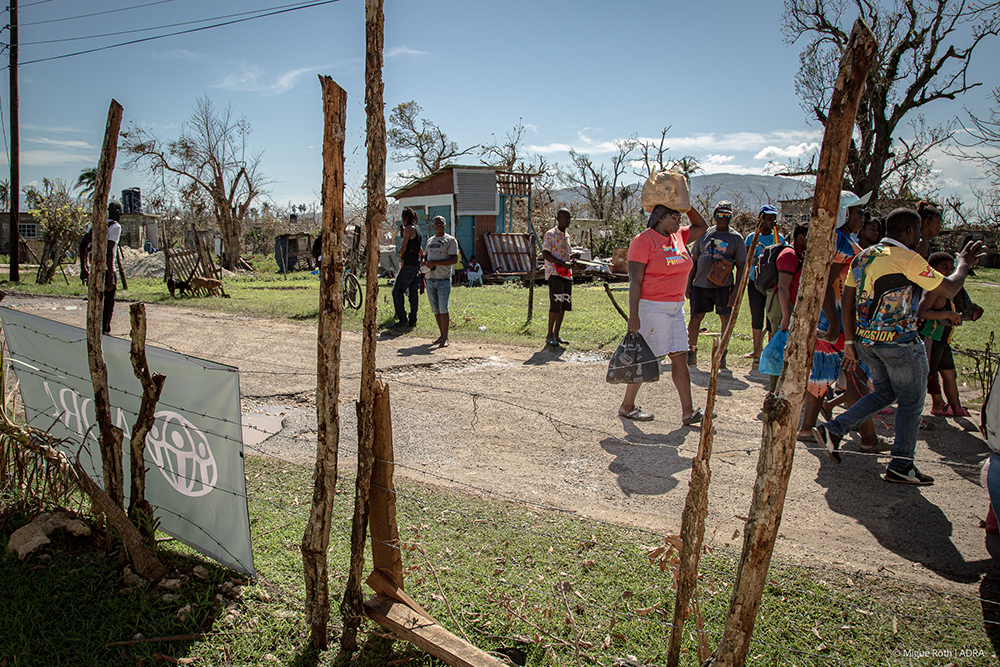
The plan also envisions establishing specialized representation hubs designed to strengthen partnerships with international donors and humanitarian organizations. These hubs would enhance the region’s ability to secure resources, coordinate large-scale initiatives, and support national offices.
“This is about preparing ADRA for the future,” Ponce explains. “We want a structure capable of sustaining growth, expanding partnerships, and delivering professional humanitarian service across the territory.”
Integrating Mission and Humanitarian Service
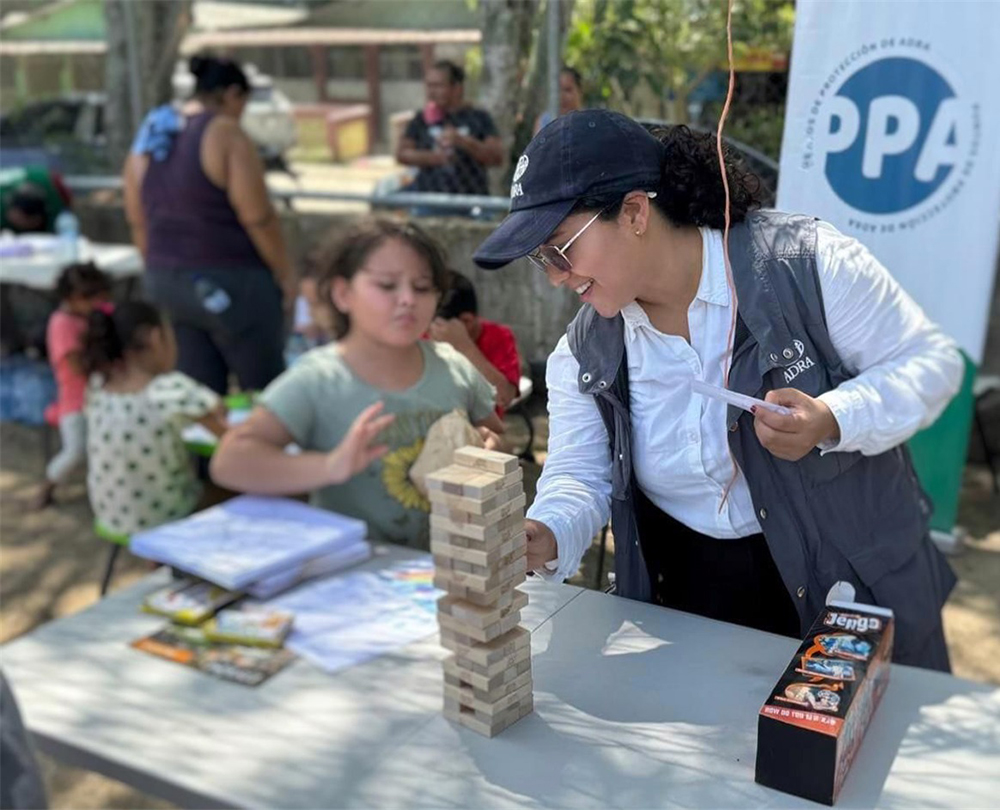
A defining element of ADRA Inter-America vision is deeper integration between ADRA and the broader mission life of the church. He envisions collaboration with local congregations, Adventist universities, and volunteer networks to position humanitarian service as a central expression of faith.
“The goal is not only to strengthen an organization,” Ponce says, “it’s to strengthen how the church serves. ADRA should be present wherever there is need, working alongside ministries, youth, education, and health initiatives to transform communities.”
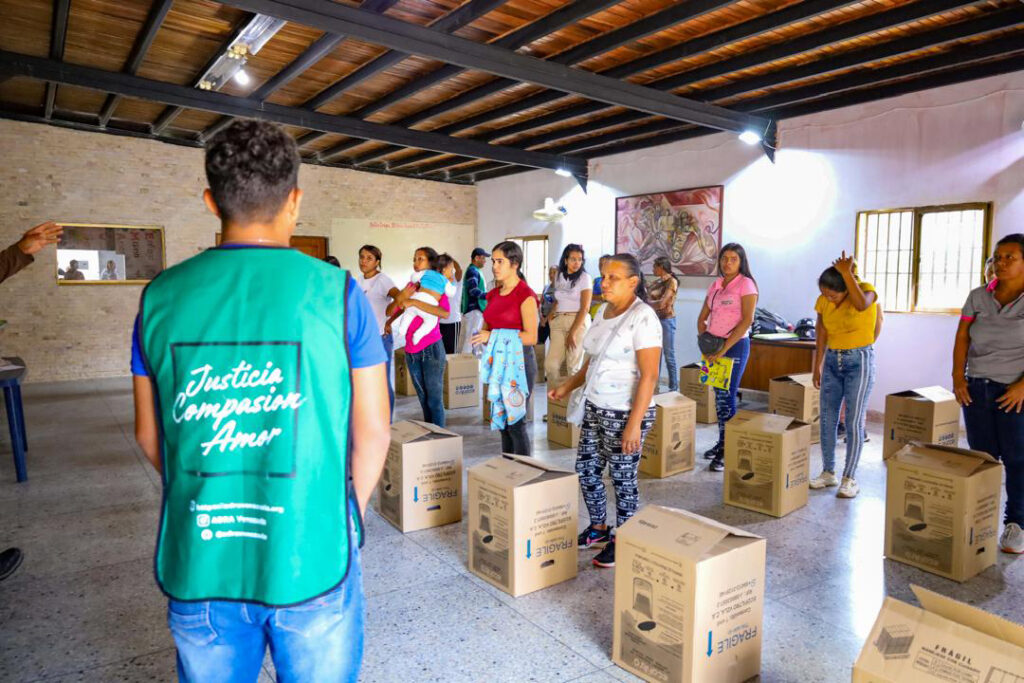
Professional volunteer engagement, especially through Adventist educational institutions, is expected to play a growing role in expanding outreach.
Ponce describes the current period as both demanding and full of potential. While humanitarian challenges are intensifying, he believes Inter-America’s strong church presence and community networks provide a powerful platform for growth.
“This is a moment of reinvention,” he said. “The challenges are real, but so is the opportunity to build something stronger, more professional, and more impactful for the future.”
For Ponce, ADRA’s mission ultimately extends beyond church membership.
“Our responsibility is to serve people,” he said. “Every community we reach reflects God’s compassion in action. When we strengthen our structure, we expand our capacity to change lives.”
Related news
 From the World Church
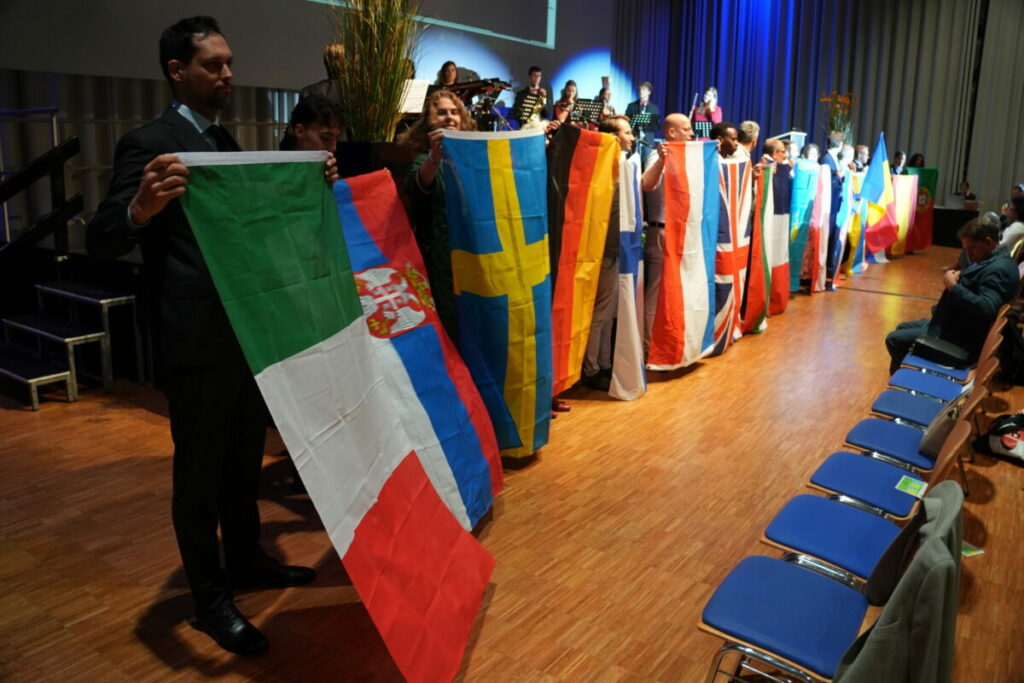
More Than 300 Lay “Evangelists” from Across Europe Recommit to Mission
“Before business, we live to share Jesus,” ASi Europe leader says.
From the World Church
More Than 300 Lay “Evangelists” from Across Europe Recommit to Mission
“Before business, we live to share Jesus,” ASi Europe leader says.
 From the Field
Pathfinder Evangelistic Tour Across Southeast Mexico Celebrates 164 Baptisms
Families join young people in decisions for faith as leaders recognize efforts to establish clubs in every church.
From the Field
Pathfinder Evangelistic Tour Across Southeast Mexico Celebrates 164 Baptisms
Families join young people in decisions for faith as leaders recognize efforts to establish clubs in every church.
 From the Headquarters
High School Students Across Inter-America Compete in Bible Reading Contest
Adventist Virtual Library contest brings together 14 finalists to test their knowledge of Genesis and strengthen Bible reading and faith.
From the Headquarters
High School Students Across Inter-America Compete in Bible Reading Contest
Adventist Virtual Library contest brings together 14 finalists to test their knowledge of Genesis and strengthen Bible reading and faith.