Adventist University Conference in Jamaica Highlights Breakthrough in Natural Food Preservation
Research explores Caribbean-derived compounds with potential applications in modern food preservation.
April 22, 2026 | Mandeville, Manchester, Jamaica | Byron Buckley and Inter-American Division News Staff
Groundbreaking research with the potential to reshape the global food industry took center stage at Northern Caribbean University’s (NCU) 2026 Annual Research Conference, highlighting innovative approaches to food science and sustainability.
The two-day conference, held April 7–8 under the theme “Research Evidence Transforming Minds, Cultures and Futures,” brought together scientists, academics, and thought leaders to share findings across a range of disciplines.
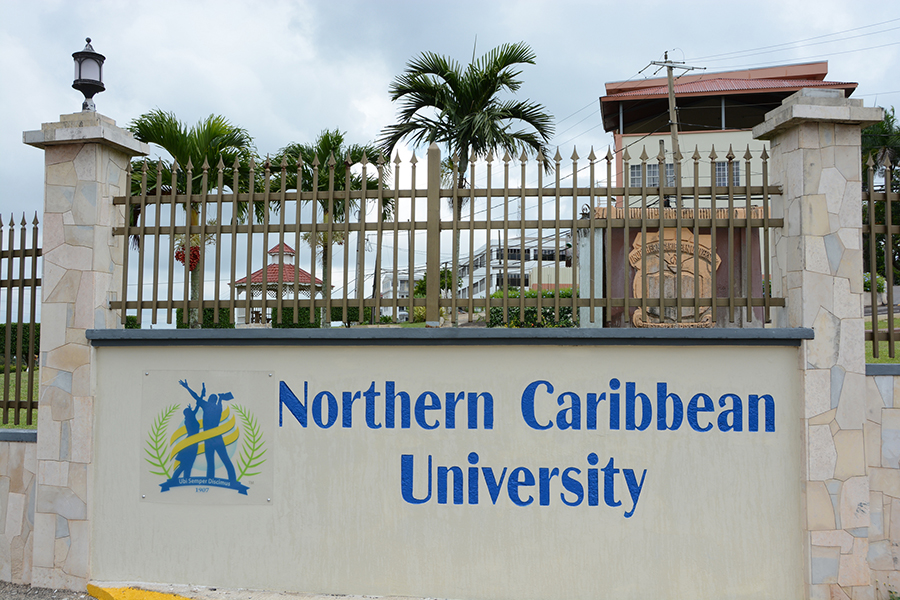
The Northern Caribbean University name display at the campus entrance in Mandeville, Jamaica. [File Photo: Northern Caribbean University]
Dr. Bryan-Thomas’ research focuses on extracts derived from Morus nigra and Fragaria spp. sub-Albion—plants commonly found in the Caribbean but now being positioned as powerful tools in food science and preservation.
“If these compounds are potent enough to inhibit organisms that cause human disease, why are we not harnessing them more deliberately in the food systems that serve those same patients?” Dr. Bryan-Thomas remarked to attendees.
Her findings highlight the ability of these plant extracts to act as both antimicrobial and antioxidant agents, offering a dual-function solution to food spoilage and safety.
The research comes at a time when global scrutiny of synthetic preservatives is intensifying, experts said. Additives such as BHA, BHT, nitrites, and sulphites, commonly used to extend shelf life, are increasingly linked to health and regulatory concerns.
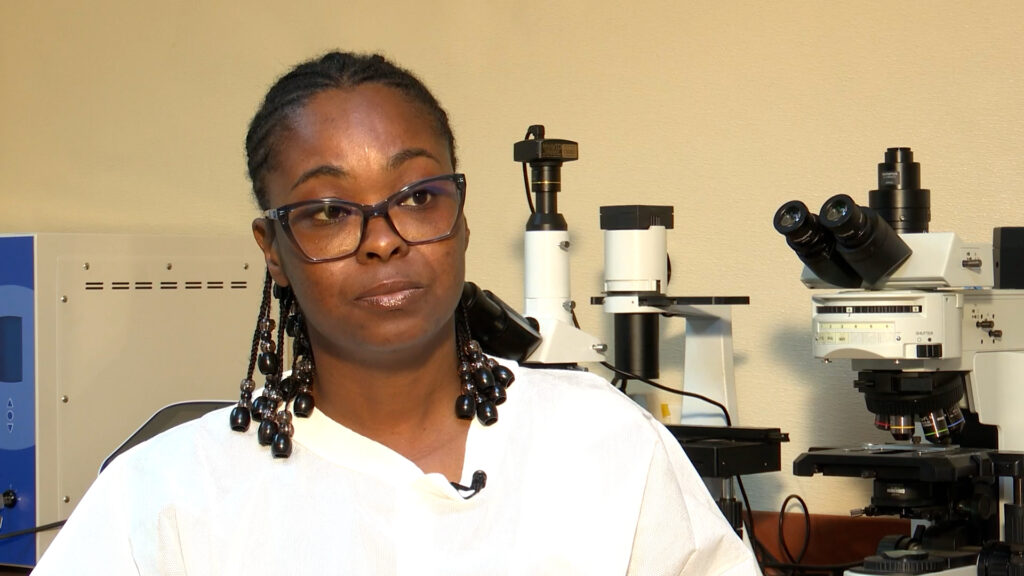
Dr. Joneshia Bryan-Thomas, assistant professor of biology at Northern Caribbean University, whose research explores plant-based compounds for food preservation.[Photo: Northern Caribbean University]
Her work aims to bridge that gap by providing measurable, evidence-based data that could inform both policy and industry practice.
Beyond global markets, the implications for the Caribbean are particularly significant. Dr. Bryan-Thomas emphasized that food spoilage remains a major regional challenge, driven by tropical climates, inconsistent cold storage infrastructure, and heavy reliance on food imports.
“Food spoilage in the Caribbean is not just an economic issue; it is a food security issue. Post-harvest losses in some categories exceed 30 to 40 percent,” she said.
By utilizing locally grown plants like mulberry and strawberry, the research points to solutions that are both sustainable and regionally accessible. “These are not imported technologies. They are resources we already have,” said the NCU assistant professor.
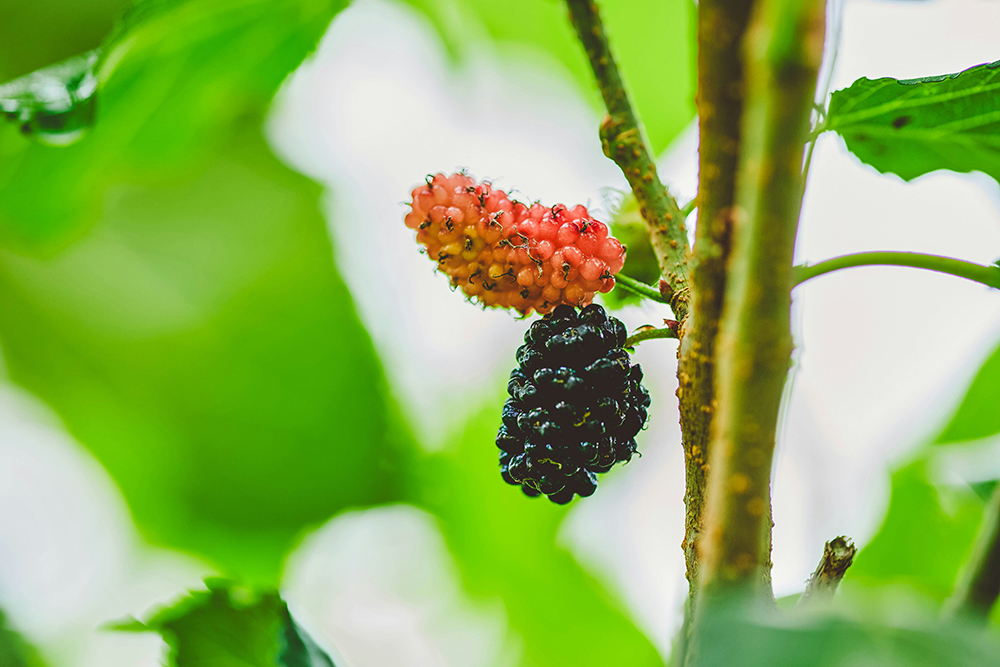
Wild mulberry fruit on the plant, a natural source being studied for its potential applications in food preservation. [Photo: Rafael Rodrigues/Unsplash]
“Traditional knowledge is the starting point. Science allows us to translate that knowledge into reproducible, evidence-based applications,” she said.
Through detailed phytochemical profiling, her team identified key bioactive compounds, such as flavonoids and phenols, responsible for the extracts’ antimicrobial and antioxidant properties.
Conference organizers noted that the research aligns closely with this year’s theme, demonstrating how evidence-based inquiry can influence both mindset and practice. “Research does not merely describe the world as it is. It creates the evidential foundation for the world as it could be,” Dr Bryan-Thomas stated.
Her work challenges long-standing assumptions within the food industry, particularly the belief that synthetic additives are inherently superior. “When scientists see statistically significant results from Caribbean-grown plants, that becomes a mind-changing moment,” she added.
As the conference concluded, Dr. Bryan-Thomas encouraged young researchers to pursue meaningful, impact-driven work. “Start with a question you genuinely care about. And always think about who benefits from your research,” she said.
Conference organizers said her presentation underscored a broader message emerging from the event—that Caribbean-led research has the capacity not only to address regional challenges but also to contribute to global scientific advancement.
They added that with increasing demand for safer, more sustainable food systems, studies like this could soon move from the laboratory to the marketplace, marking a significant shift in how food is preserved, produced, and consumed worldwide.