
Students Lead Montemorelos University to National Robotics Victory
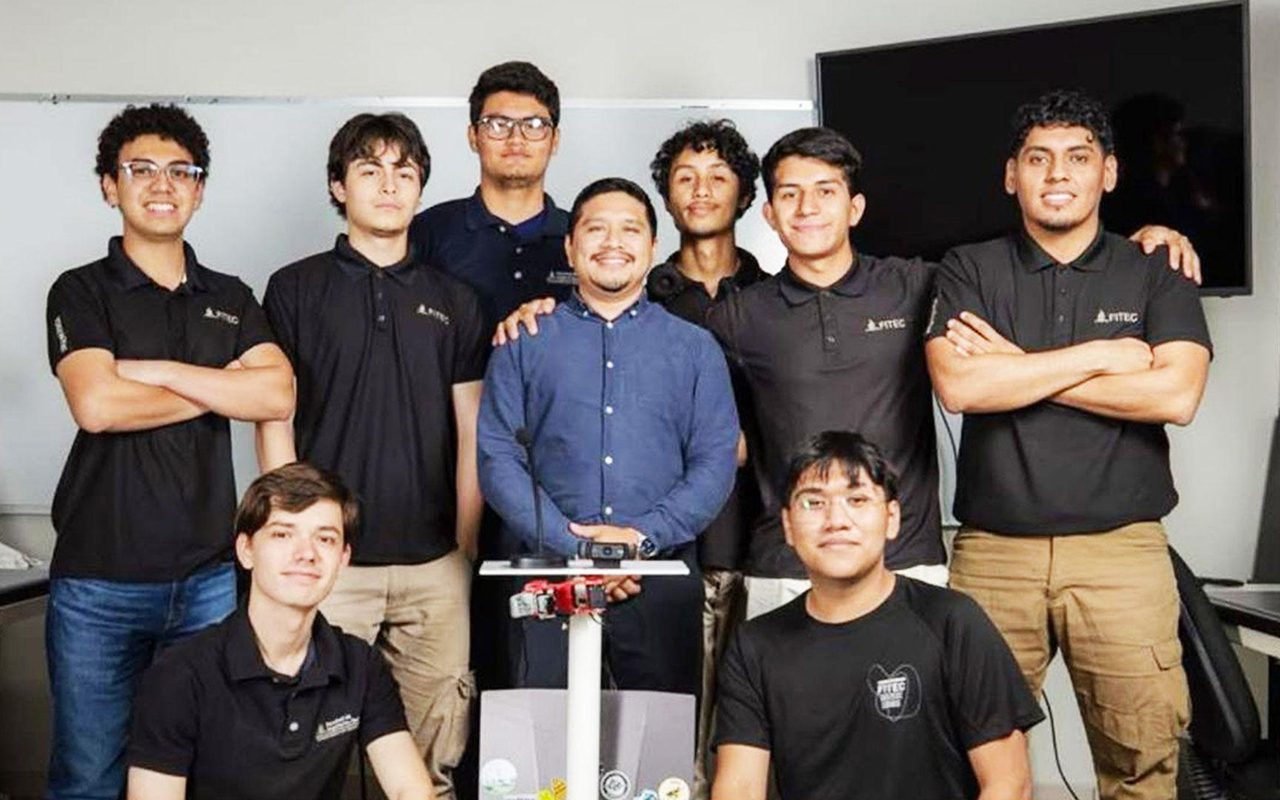
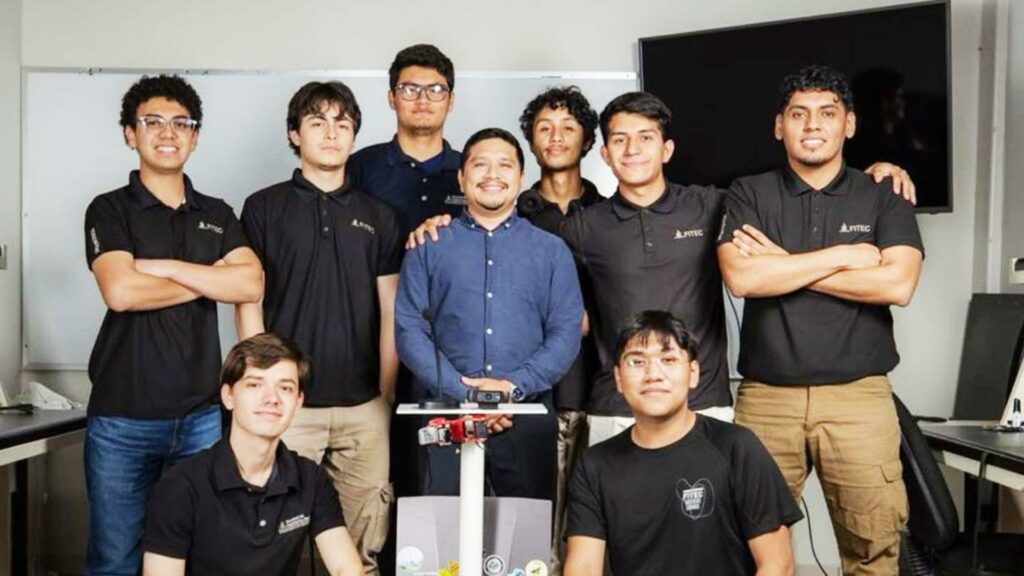
AI-powered home robot highlights innovation and teamwork
April 28, 2026 | Montemorelos, Nuevo León, Mexico | Laura Marrero and IAD News Staff
Students and faculty from Montemorelos University—an Adventist institution overseen by the Inter-American Division—earned first place nationally in the RoboCup @Home Beginner category during the Mexican Robotics Tournament (TMR) 2026, held April 16–18 in Puebla.
The achievement marks a significant milestone for the institution, as it placed first in this category for the first time, competing against universities with strong academic reputations across Mexico, university officials said.
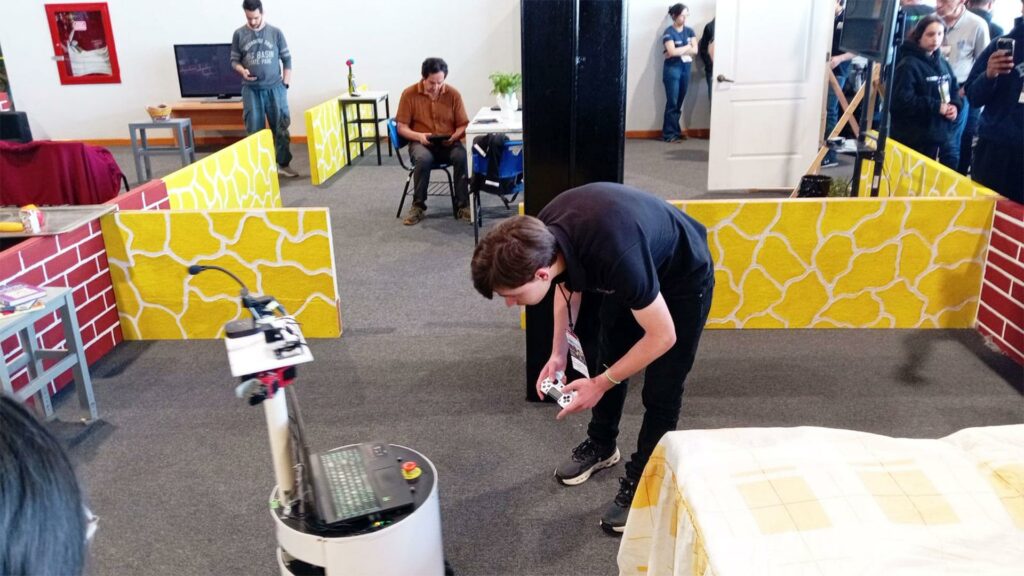
The system integrates autonomous navigation, natural language processing, and computer vision, enabling the robot to perform complex tasks in real-world environments.
“I was responsible for all the logic and programming so the robot could understand what the judge or I said through the microphone, process that message, locate both the object and the location, and also return a response—what we call speech-to-text and text-to-speech,” explained Rafael Pérez, a three-year student in computer systems engineering.
The project began in October 2025 and brought together students from various disciplines, who worked beyond regular class hours for several months.
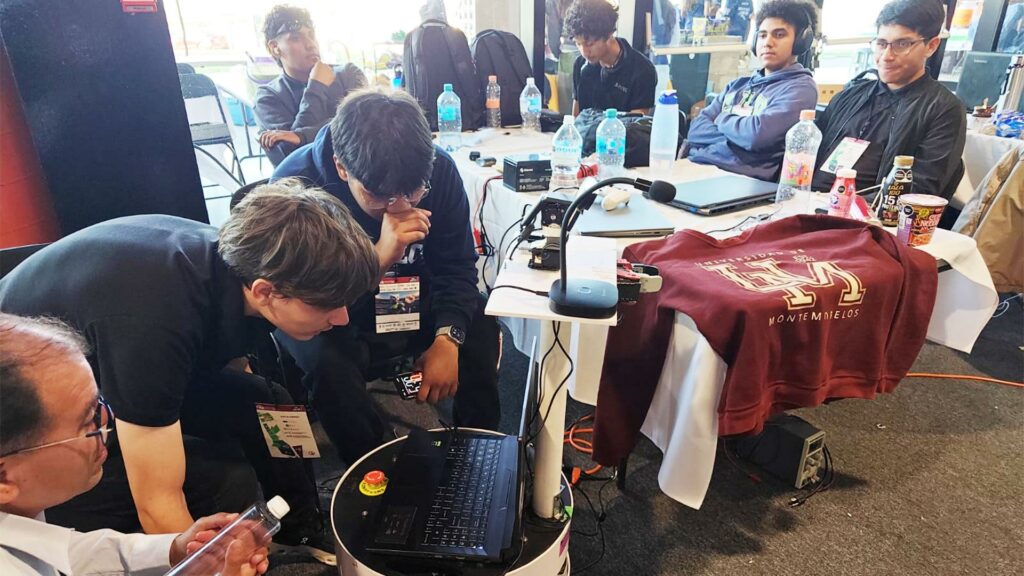
The preparation process involved overcoming technical and resource limitations, as well as navigating a steep learning curve.
“The biggest challenge was diving into the world of ROS and Python to be able to accomplish what was required,” Pérez added.
Despite the challenges, the team successfully developed a strong interdisciplinary project, where system integration played a key role in the robot’s performance.
Beyond the technical aspects, the team emphasized the formative experience and the values they sought to reflect during the competition, faculty leaders said.
That commitment was also reflected in a key decision that shaped their participation. The team requested to move their final test to Friday to observe the Sabbath, even though this meant competing under less favorable conditions than other teams, team leaders said.
“That put us at a disadvantage, but it didn’t stop us,” said Bequer Quiroga, a three-year student in computer systems engineering.
The result not only secured first place but also brought visibility to the university in a competitive environment where it had not previously been widely recognized, López said.
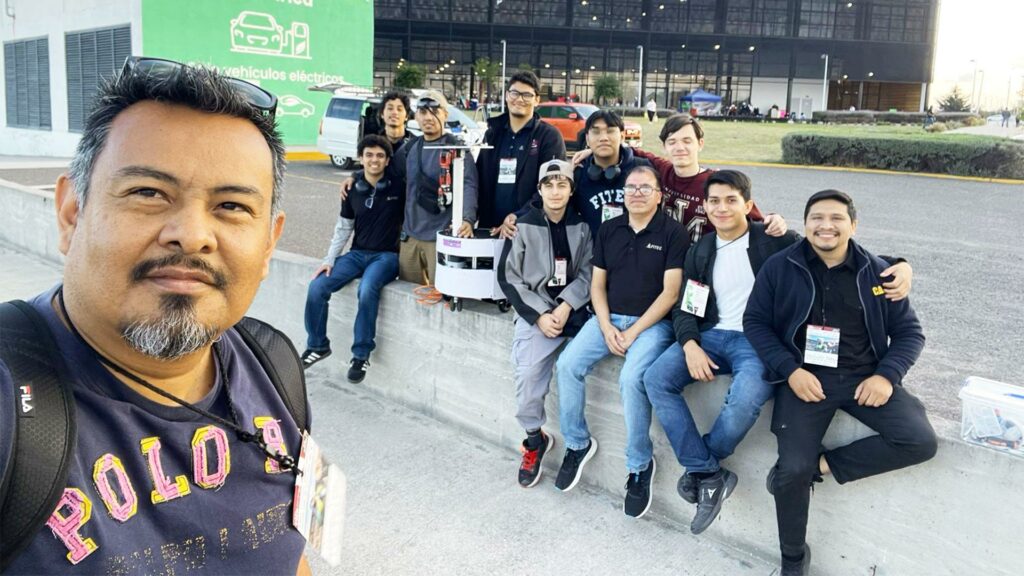
Quiroga said the most meaningful lessons extended beyond academics. “I take with me values that are not strictly academic, but relational, such as mutual respect, listening to others, recognizing that someone else may have a better idea than you, and also defending your perspective, but always with respect.”
The team plans to continue participating in future editions of the tournament and advance to more demanding categories, with the goal of establishing a formal robotics program at the university.
Lisandra Vicente and Brenda Cerón contributed to this report.
Related news
 From the Field
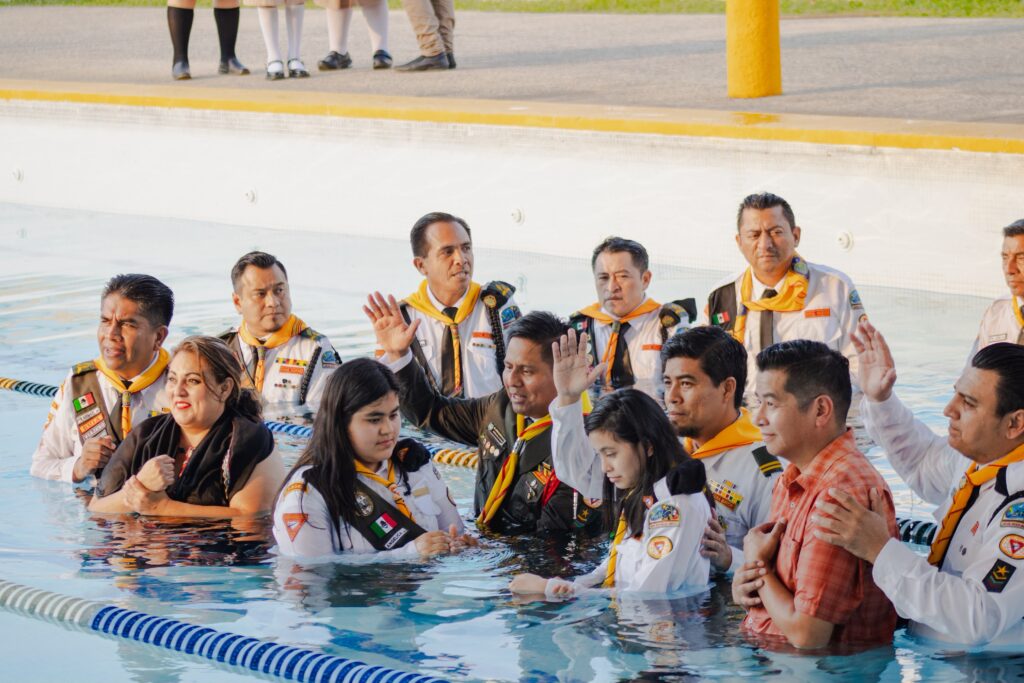
Pathfinder Evangelistic Tour Across Southeast Mexico Celebrates 164 Baptisms
Families join young people in decisions for faith as leaders recognize efforts to establish clubs in every church.
From the Field
Pathfinder Evangelistic Tour Across Southeast Mexico Celebrates 164 Baptisms
Families join young people in decisions for faith as leaders recognize efforts to establish clubs in every church.
 From the Headquarters
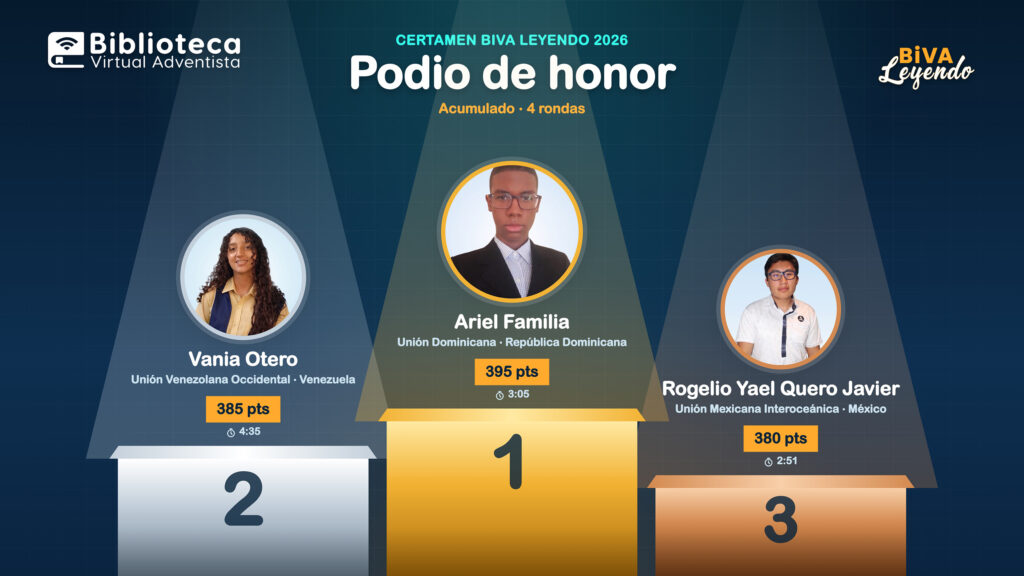
High School Students Across Inter-America Compete in Bible Reading Contest
Adventist Virtual Library contest brings together 14 finalists to test their knowledge of Genesis and strengthen Bible reading and faith.
From the Headquarters
High School Students Across Inter-America Compete in Bible Reading Contest
Adventist Virtual Library contest brings together 14 finalists to test their knowledge of Genesis and strengthen Bible reading and faith.
 From the Headquarters
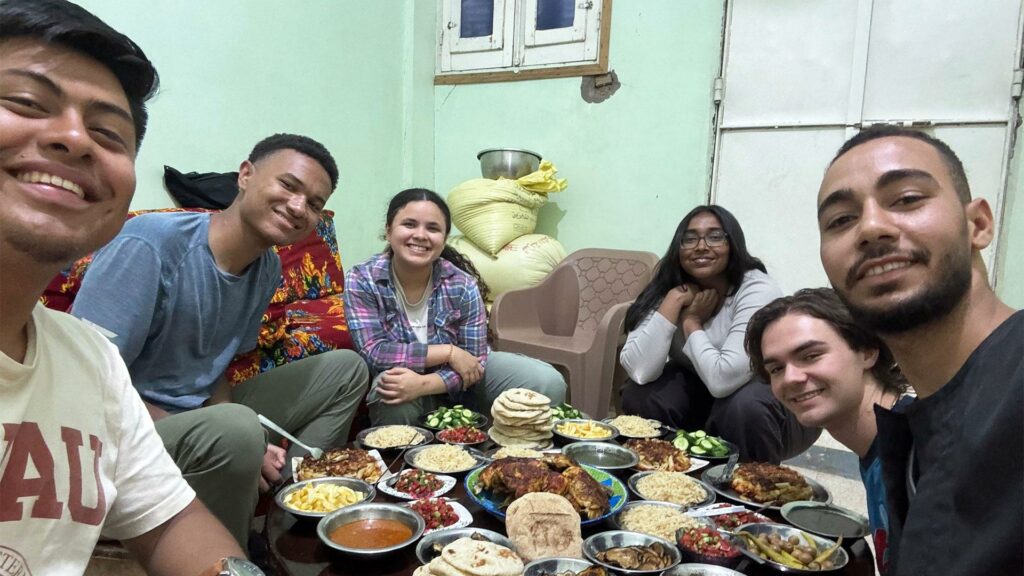
A Journey to Egypt Confirms a Calling
Teaching Bible and English in Egypt confirmed Rubén Díaz’s calling to serve in a cross-cultural context.
From the Headquarters
A Journey to Egypt Confirms a Calling
Teaching Bible and English in Egypt confirmed Rubén Díaz’s calling to serve in a cross-cultural context.