
Culture Can Be a Bridge to the Gospel
Adventist mission leader encourages church planters to build on Indigenous beliefs, values, and traditions as pathways for sharing biblical truth.
June 16, 2026 | Port of Spain, Trinidad and Tobago | Libna Stevens, Inter-American Division News
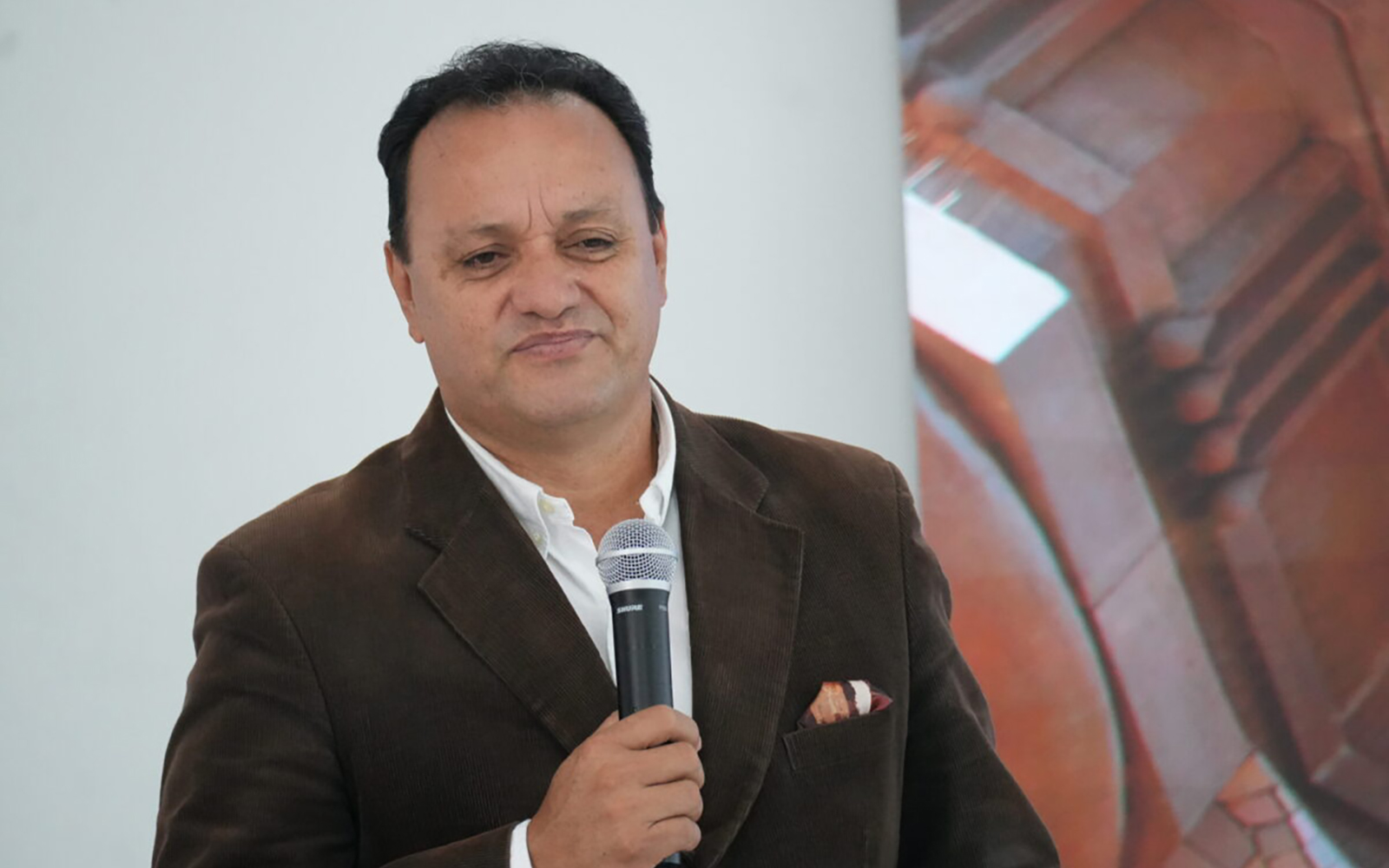
Many Indigenous beliefs, customs, and traditions can serve as bridges to the gospel when approached with respect and biblical understanding, according to Ángel Racancoj, Adventist Mission director for the Guatemala Union.
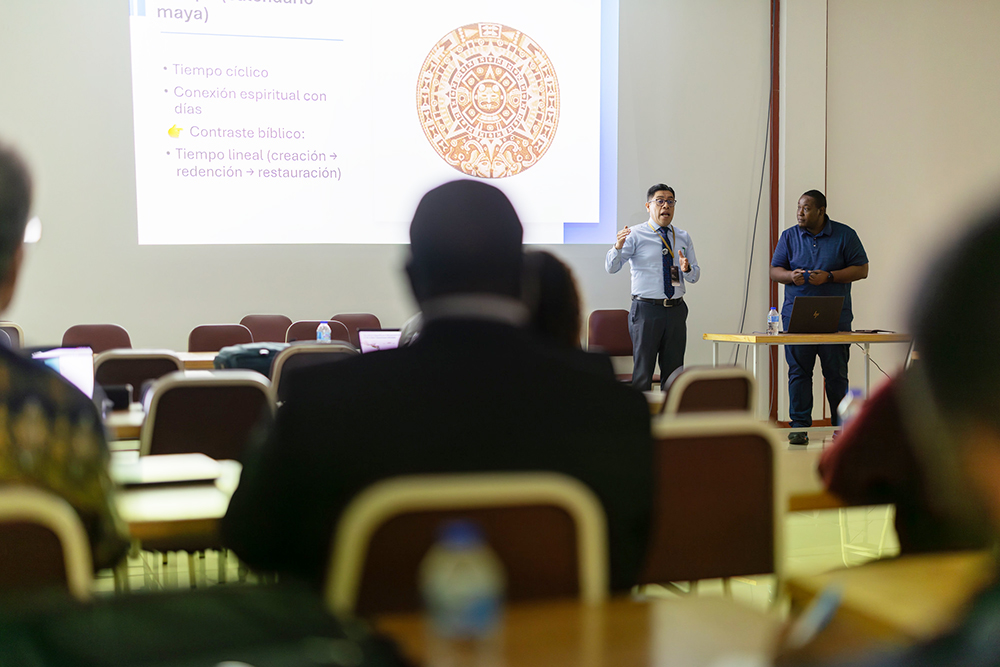
Speaking during the Mission To Indigenous Peoples track at the Intercultural Mission Church Planting Summit on May 28, Racancoj urged church leaders and members to understand the cultures they hope to reach rather than viewing cultural differences as barriers to evangelism.
Drawing on the example of the Apostle Paul in Athens, Racancoj encouraged attendees to first observe and understand a community before presenting biblical truth.
“We do not come to destroy identity but to redirect worship to the true God,” he said.
The presentation focused on helping participants recognize Indigenous beliefs, symbols, and values that can provide meaningful connections to biblical teachings while avoiding religious syncretism and remaining faithful to Scripture.
Finding Connections to Biblical Truth
“To evangelize them, we have to find links between what they believe and the truth,” Racancoj said. “We must understand what they believe, not to destroy their identity, but to lead them to Christ.”
Racancoj, who comes from Guatemala’s Indigenous K’iche’ community, explained that many cultural practices carry deep meaning and often reveal values that can help people better understand biblical concepts.
Guatemala is home to a diverse Indigenous population that includes Maya, Xinca, and Garífuna communities. More than 23 Indigenous languages are spoken throughout the country, creating both challenges and opportunities for mission outreach.
Symbols That Tell a Story
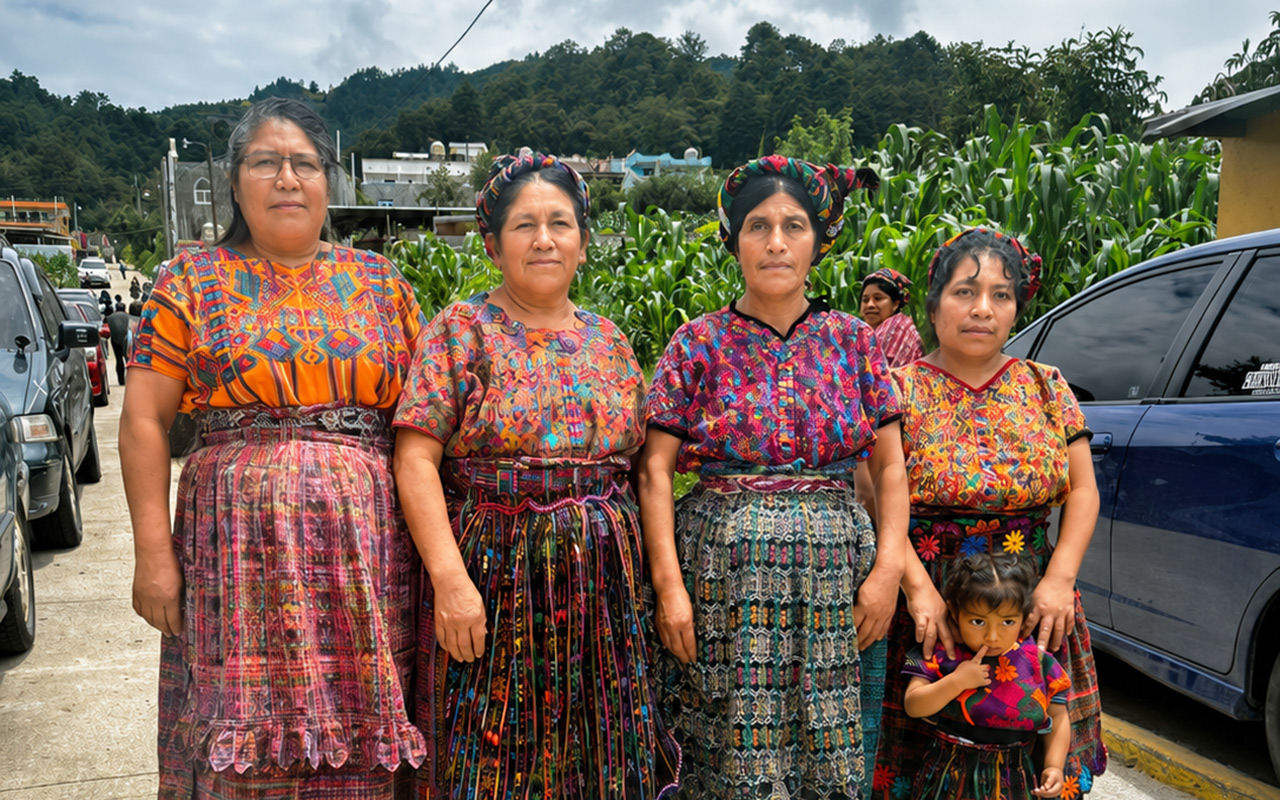
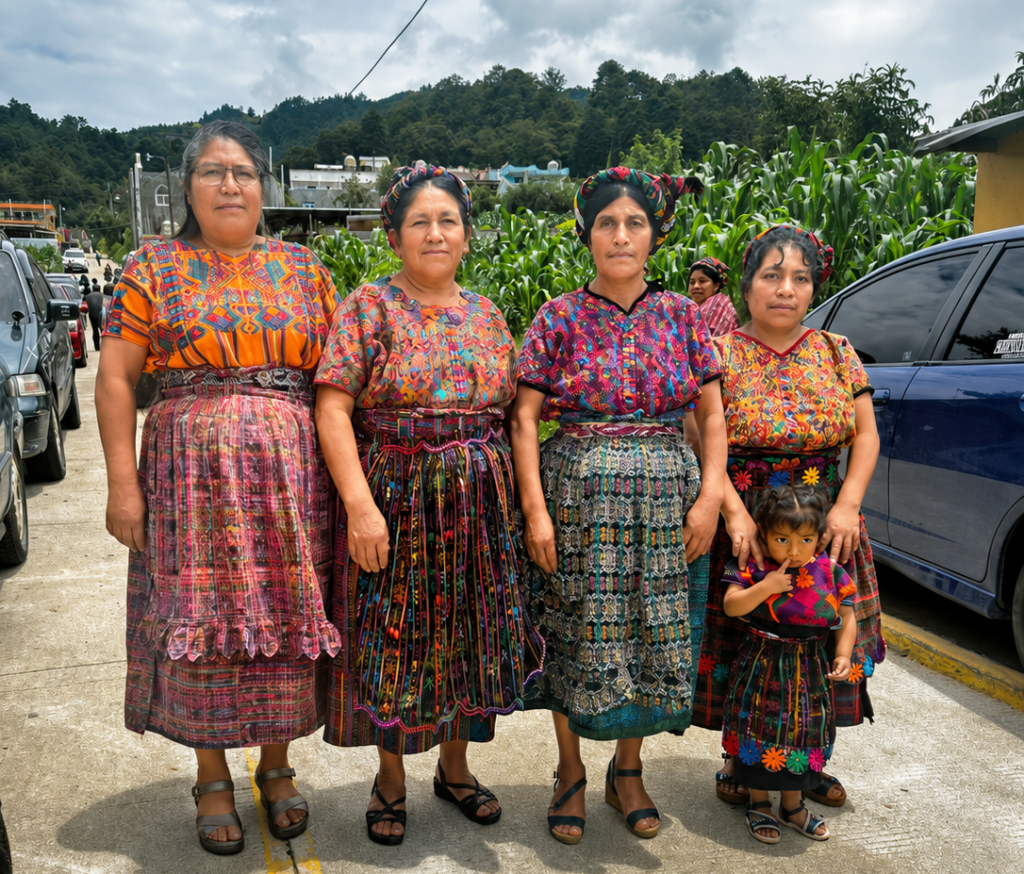
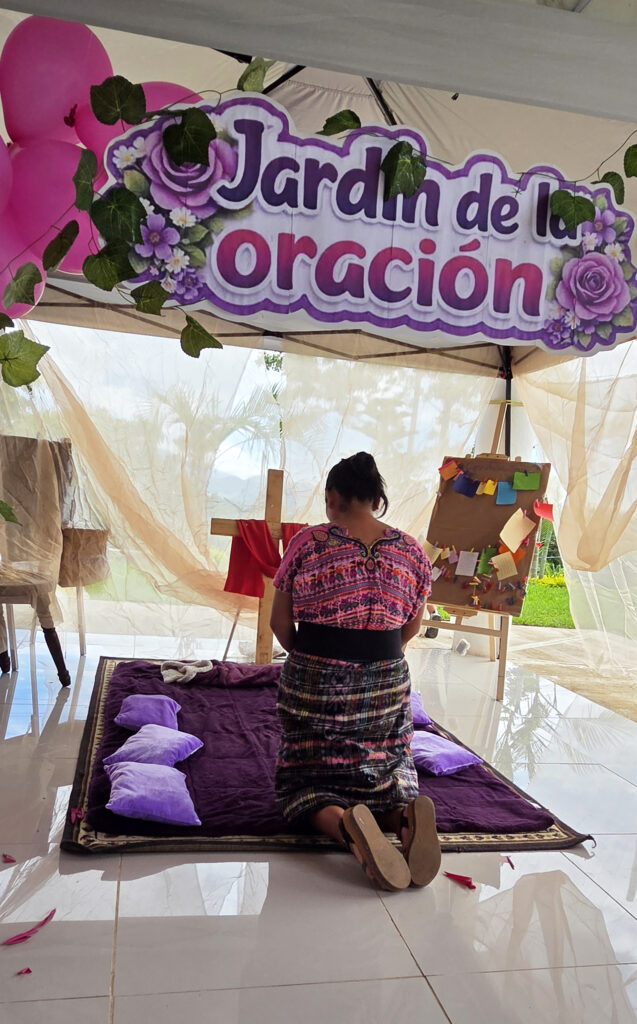
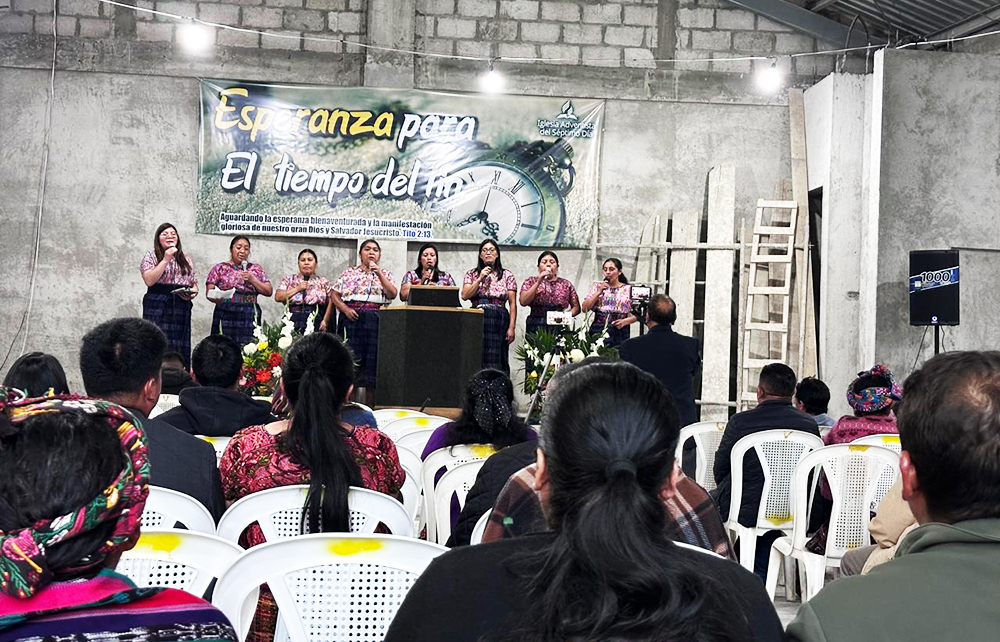
Among the examples discussed was the importance of traditional Indigenous clothing, particularly within Maya communities. Racancoj explained that traditional dress serves as a visual expression of identity and heritage, with colors and woven symbols often telling stories about a community’s history, values, and relationship with nature.
Rather than viewing such traditions as obstacles, he encouraged leaders to recognize their significance and use them as opportunities to build meaningful connections.
Racancoj also pointed to the importance of corn in Maya culture, where it occupies a central place in community identity and traditional beliefs. He noted that the image of a seed dying before producing new life creates a meaningful connection to biblical teachings about Christ’s sacrifice, spiritual rebirth, and new life through faith.
“We can redeem the symbol, not eliminate it,” Racancoj said. “We can give it a new dimension.”
Racancoj also discussed the ceremonial fire used in some Indigenous traditions. While cautioning against participation in practices that conflict with Scripture, he encouraged church members to understand the symbolism behind them.
Pointing to Elijah’s experience on Mount Carmel, he said fire can provide a biblical point of connection when discussing God’s presence and power.
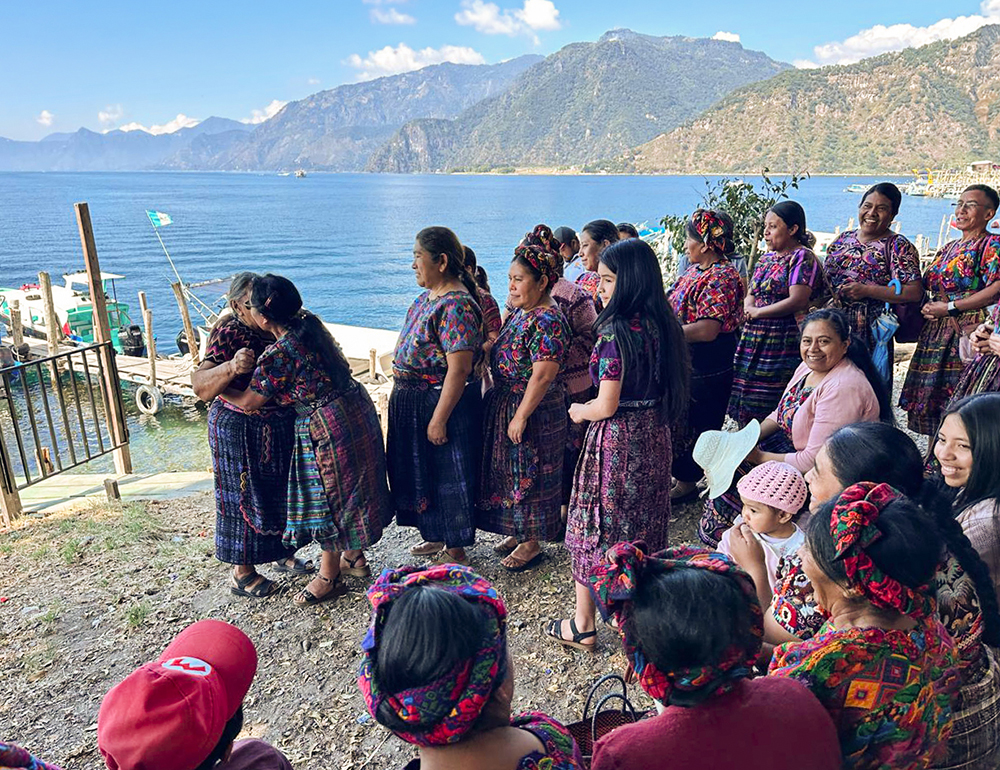
He also highlighted the deep respect many Indigenous communities have for the natural world, encouraging church members to connect that value with the biblical concept of stewardship rather than dismissing it outright.
For Racancoj, the goal is not to remove cultural symbols but to help people discover how biblical truths can bring deeper meaning to values they already understand.
The Strength of Community
Racancoj noted that many Indigenous communities maintain a strong sense of collective identity, often placing the needs of the community above those of the individual.
“The community is always above the individual,” he said.
That perspective, he explained, creates strong social structures, respect for leadership, and deep loyalty within communities. Many Indigenous groups also place a high value on elders, who serve as moral authorities and guardians of community wisdom.
To illustrate the influence of community leaders, Racancoj shared the story of an Indigenous village in Guatemala where the weekly market day traditionally fell on Sabbath. After a respected elder accepted the Adventist message, community members approached him with a concern: How would they continue their market activities while honoring the Sabbath?
“He told them, ‘Now the market day will be Sunday,’” Racancoj said.
The community accepted the recommendation, and much of the village began observing the Sabbath. For Racancoj, the experience demonstrated how trusted local leaders can open doors for the gospel in ways that outsiders often cannot.
Learning Through Stories
Racancoj emphasized that oral tradition remains a powerful means of communication in many Indigenous communities, where stories often carry greater influence than formal instruction.
“They do not want theory. They want practice,” he said.
He recalled an evangelistic effort in a remote Guatemalan village where a respected community leader who had been unable to walk for nearly 20 years opposed the church’s meetings and refused to grant permission for the campaign.
According to Racancoj, an experienced church elder insisted on visiting the man and praying with him. Days later, the man arrived at the meetings walking.
“Many people could not read the Bible for themselves, but everyone knew the story of the man who had been healed,” Racancoj said, noting that testimonies often become powerful tools for sharing faith in oral cultures.
Avoiding Unnecessary Barriers
Throughout the presentation, Racancoj cautioned against imposing Western cultural norms on Indigenous communities and warned that churches can sometimes confuse cultural preferences with biblical principles.
He recounted an incident in which a pastor declined to participate in a local custom during a funeral procession, even though the practice itself did not conflict with biblical teachings. Community members interpreted the decision as disrespectful, nearly creating division within the congregation.
The experience, he said, demonstrated how missionaries can unintentionally create barriers when they fail to understand the meaning behind cultural practices.
“Listen before speaking. Learn before teaching. Respect without compromising truth. Connect before confronting,” Racancoj said.
Following Christ’s Method
Racancoj reminding attendees that Christ’s method remains the most effective approach to mission, regardless of culture or geography. Quoting Ellen G. White’s The Ministry of Healing, he emphasized that people are reached most effectively through friendship, service, compassion, and genuine concern for their needs.
As the Adventist Church expands its outreach among Indigenous communities throughout Inter-America, Racancoj encouraged church planters and members to become students of culture before becoming teachers of doctrine.
“Every community has symbols, values, and beliefs,” he said. “Our task is to understand them and discover how God can use them to lead people to Christ.”
Effective mission, he added, is not about replacing people’s identity but helping them discover how the gospel speaks to the values, questions, and hopes already present within their communities.
Related news
 From the World Church
Church Construction Can Have a Spiritual Purpose, Adventist Leader Says
Union president provides the biblical rationale for building places of worship.
From the World Church
Church Construction Can Have a Spiritual Purpose, Adventist Leader Says
Union president provides the biblical rationale for building places of worship.
 From the Headquarters
World Pathfinder Day
The following message is addressed to the Seventh-day Adventist Church in Inter-America by Abner De los Santos, president of the Inter-American Division. — IAD…
From the Headquarters
World Pathfinder Day
The following message is addressed to the Seventh-day Adventist Church in Inter-America by Abner De los Santos, president of the Inter-American Division. — IAD…
 From the Field
Adventist Students Across Inter-America Set for Bible Contest
Finalists from across Inter-America will compete online Sept. 22, testing their knowledge of Genesis and Ellen G. White’s Patriarchs and Prophets. September 16, 2026…
From the Field
Adventist Students Across Inter-America Set for Bible Contest
Finalists from across Inter-America will compete online Sept. 22, testing their knowledge of Genesis and Ellen G. White’s Patriarchs and Prophets. September 16, 2026…