
Adventist Church Expands Professional Chaplaincy in Southeast Mexico
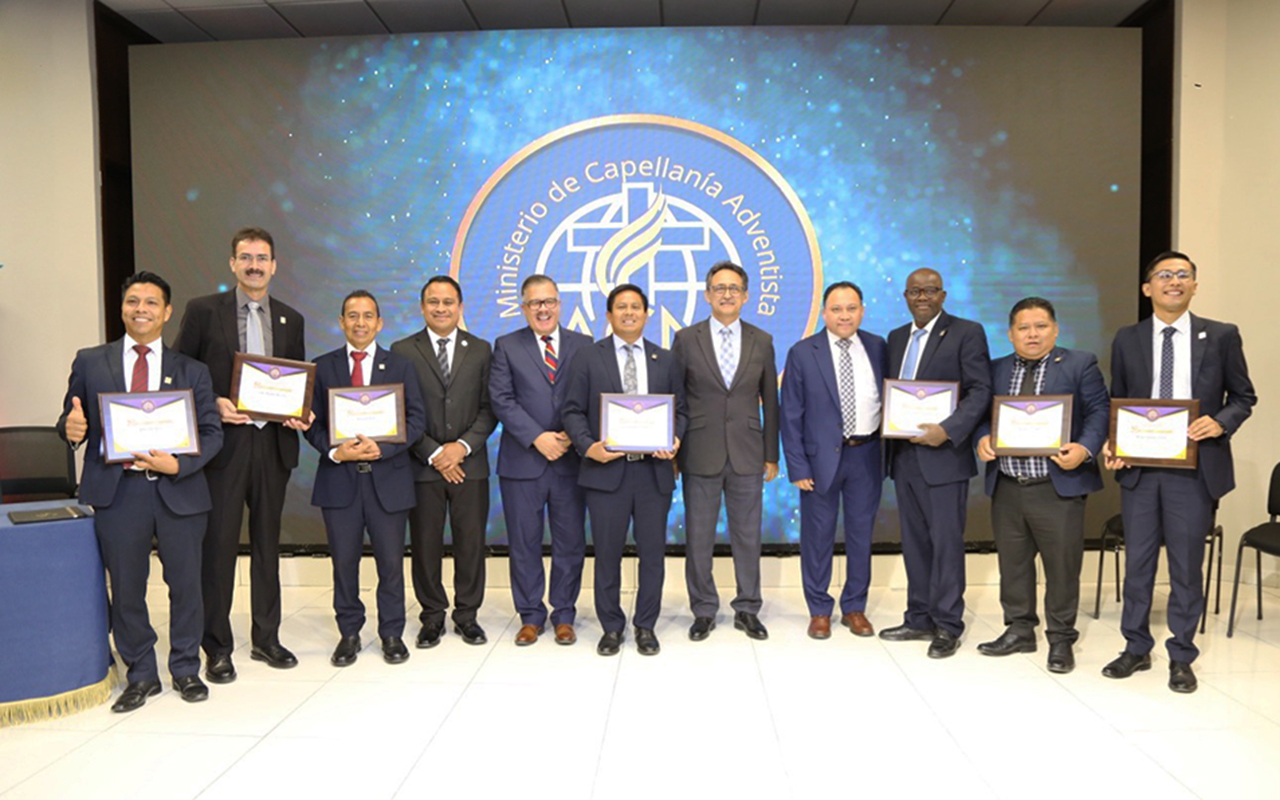
Four-year training equips pastors to provide professional spiritual and emotional support across a variety of ministry settings.
July 14, 2026 | Villahermosa, Tabasco, Mexico | Southeast Mexican Union and IAD News Staff
The Seventh-day Adventist Church recently graduated a new group of professional chaplains in Southeast Mexico after they successfully completed a four-year Clinical Pastoral Education (CPE) program designed to strengthen spiritual care and pastoral ministry in healthcare, educational, and community settings.
The graduates, recognized during a ceremony organized by the Southeast Mexican Union, completed 1,600 hours of specialized training through four pastoral and clinical education units. The program, which began in 2022, equipped pastors with advanced skills in emotional support, crisis intervention, and wholistic spiritual care.
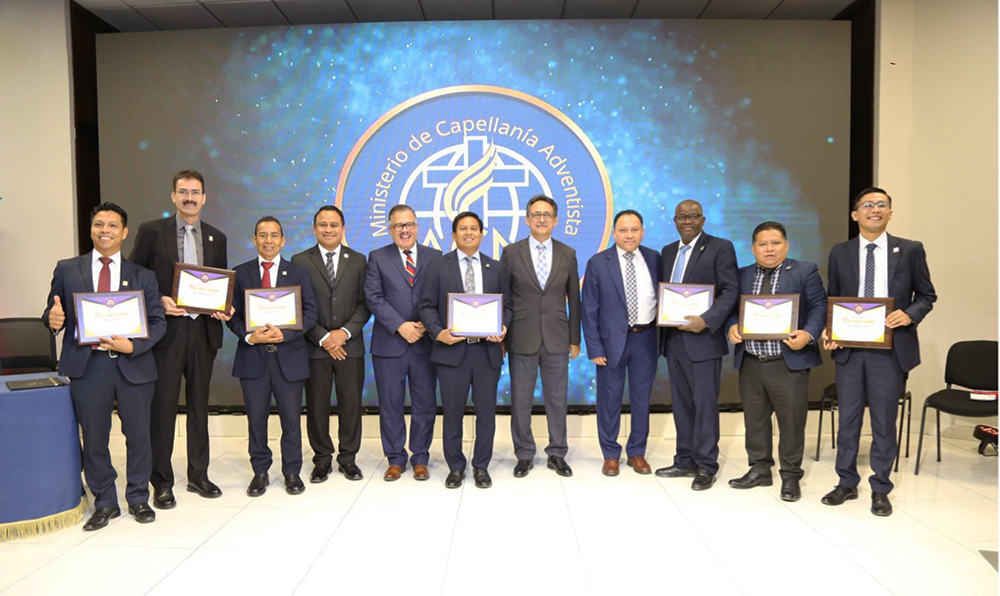
Union administrators expressed appreciation to the General Conference and the Inter-American Division (IAD) for supporting the Clinical Pastoral Education program, as well as to the instructors and supervisors who guided the graduates throughout their academic and ministerial formation.
“The preparation of pastors through the four units of Clinical Pastoral Education is an achievement made possible through the vision of union leadership,” said Hiram Ruiz, chaplaincy ministries director of the IAD. “This specialized ministry brings renewed vitality to pastoral work and to the lives of pastors and their families.”
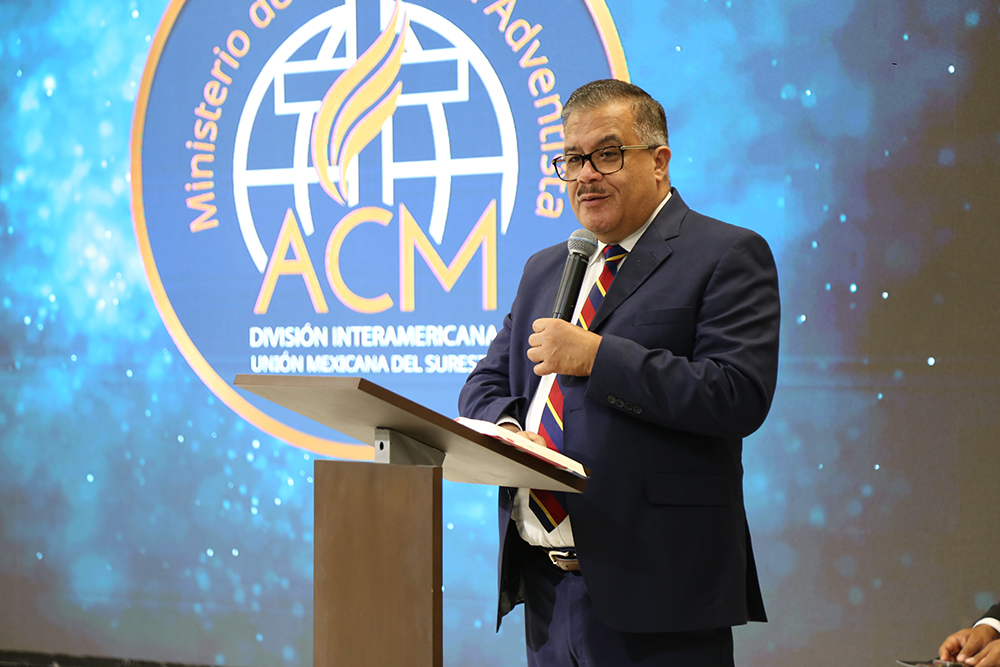
“We are confident this group will serve as competent, committed, and compassionate chaplains,” Ruiz said.
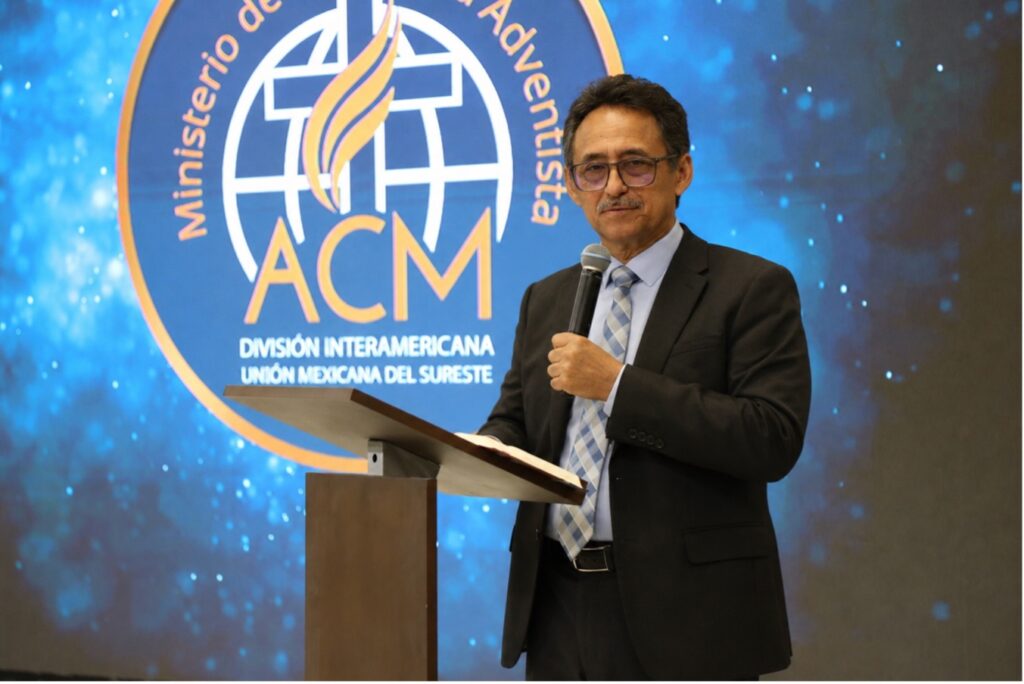
David Celis, president of the Southeast Mexican Union, reflected on the growth of Adventist professional chaplaincy in the territory.
“For many years chaplaincy was carried out with the best intentions but without the necessary tools and specialized training,” Celis said. “Since 2019, we have officially provided training through Adventist Chaplaincy Ministries.”
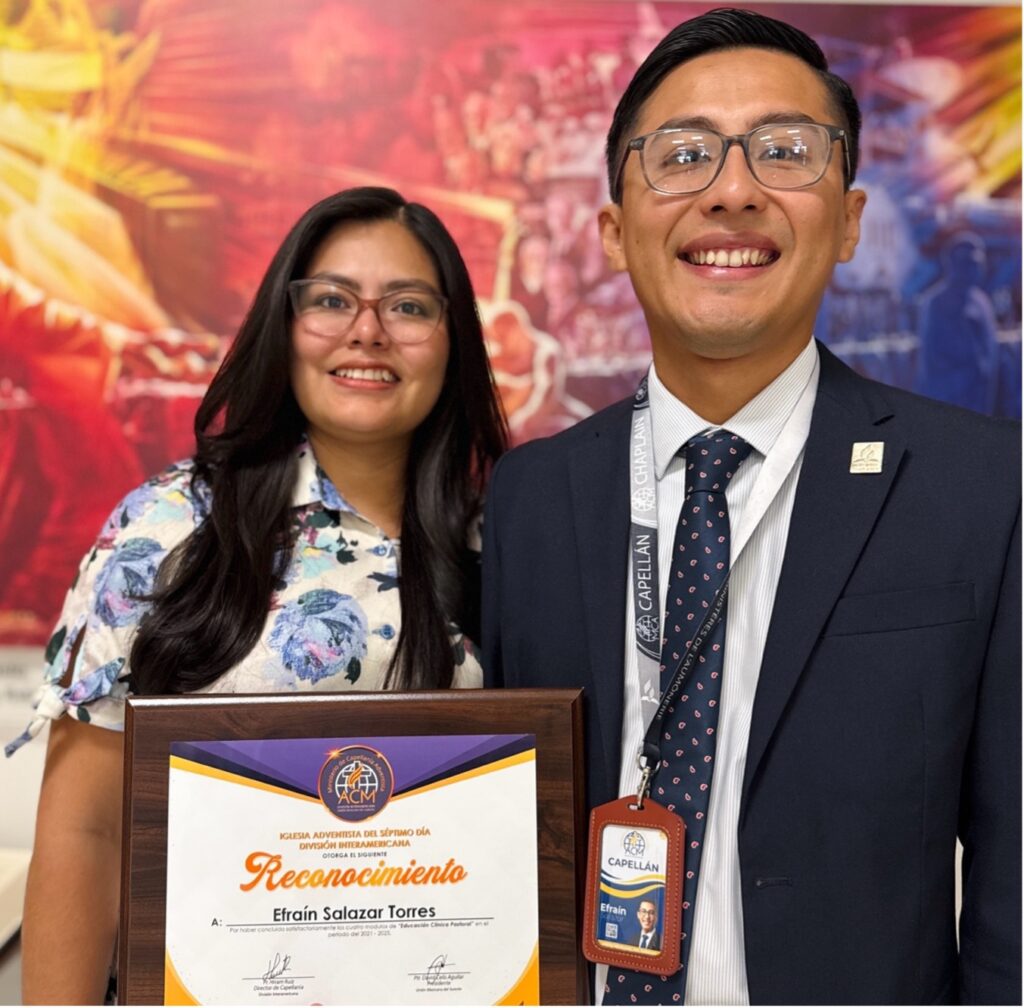
Recent graduate Efraín Salazar said the CPE program has transformed his pastoral ministry.
“This has greatly strengthened my ministry by helping me develop greater sensitivity, empathy, and spiritual accompaniment for people,” Salazar said. “As a certified chaplain who has served in Adventist schools and now in a pastoral district, chaplaincy has taught me to listen, counsel, and minister in a more personal and compassionate way, strengthening my pastoral work.”
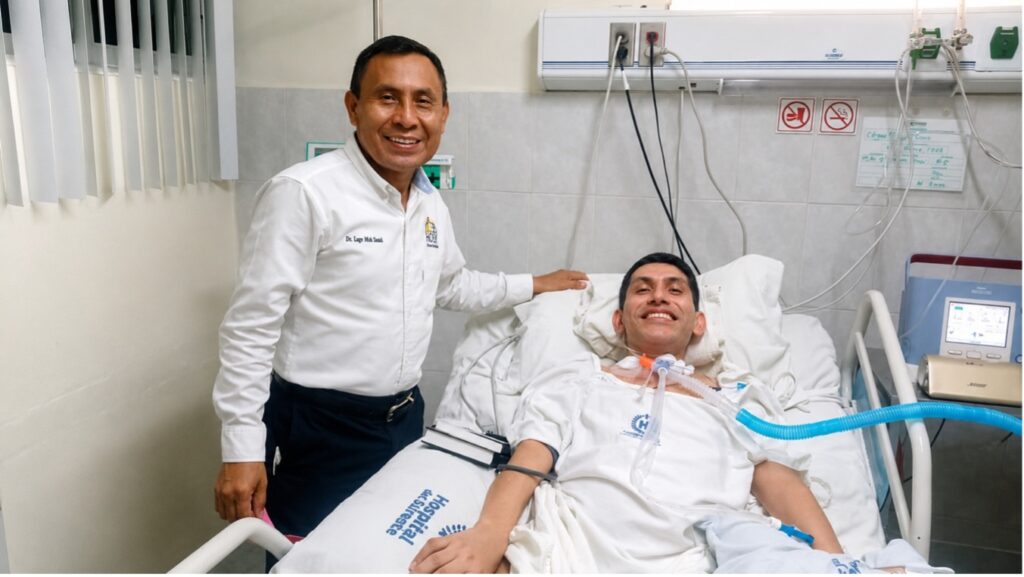
Roger Pech, who has served as a chaplain for 10 years at the Southeast Adventist Hospital in Villahermosa, Tabasco, said one of the most important aspects of his ministry is accompanying people during some of the most difficult moments of their lives.
Church leaders shared one example of the ministry’s impact involving Edgar Pulido, a patient living with amyotrophic lateral sclerosis (ALS). During his hospitalization, the chaplain and hospital staff regularly read the Bible with Pulido, his wife, and his mother. According to union leaders, Pulido came to know Jesus, learned the church’s fundamental beliefs, and committed his life to Christ while receiving care at the hospital. (permission granted granted)
Supporting Continued Professional Development
Victor Martínez, chaplaincy ministries director for the Southeast Mexican Union and a Clinical Pastoral Education graduate, highlighted Presencia (Presence), the union’s semiannual chaplaincy journal, as another initiative supporting the ministry.
Adventist chaplaincy by sharing theological insights, clinical resources, ministry experiences, and research, while encouraging chaplains to serve with commitment, professional competence, and Christ-centered compassion.
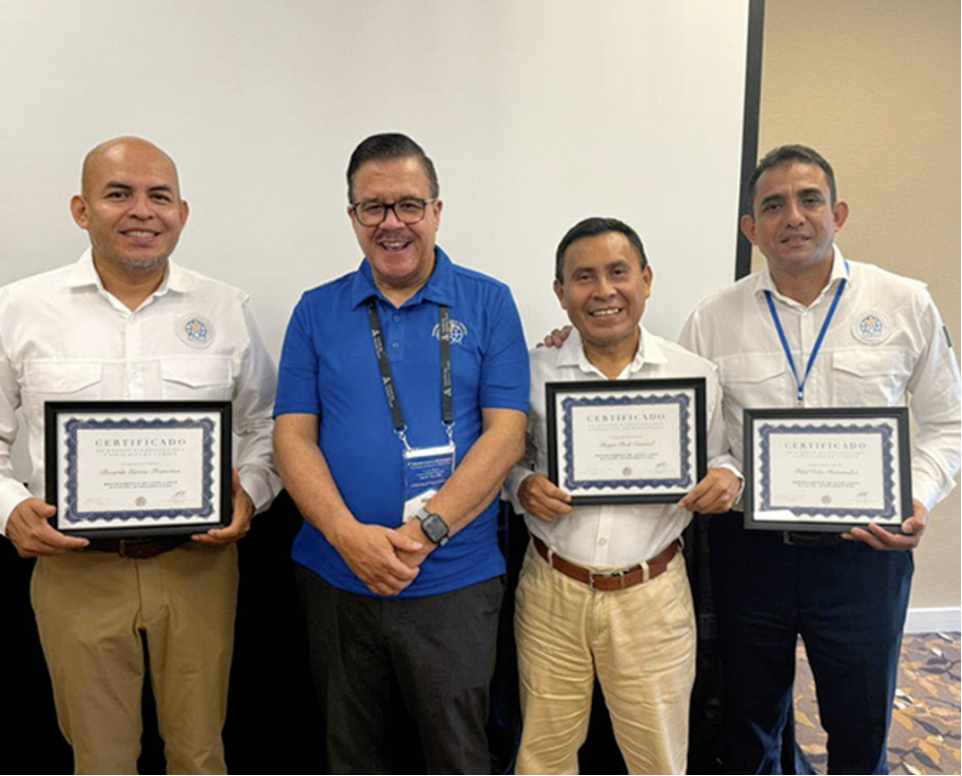
The growth of the ministry was also reflected when three Southeast Mexican Union pastors—Ricardo García, Roger Pech, and Fidel Ortiz—received official endorsement as Adventist chaplains from the General Conference and the Inter-American Division during the Fourth World Congress of Adventist Chaplains in St. Louis, Missouri, in 2025.
The Southeast Mexican Union currently operates 16 Adventist K–12 schools and one hospital, where many of its certified chaplains provide ministry and spiritual support.
Related news
 From the World Church
Adventist Church Marks 100 Years of Working Policy
Annual Council celebration traces a century of policy and its role in supporting the church’s global mission.
From the World Church
Adventist Church Marks 100 Years of Working Policy
Annual Council celebration traces a century of policy and its role in supporting the church’s global mission.
 From the World Church
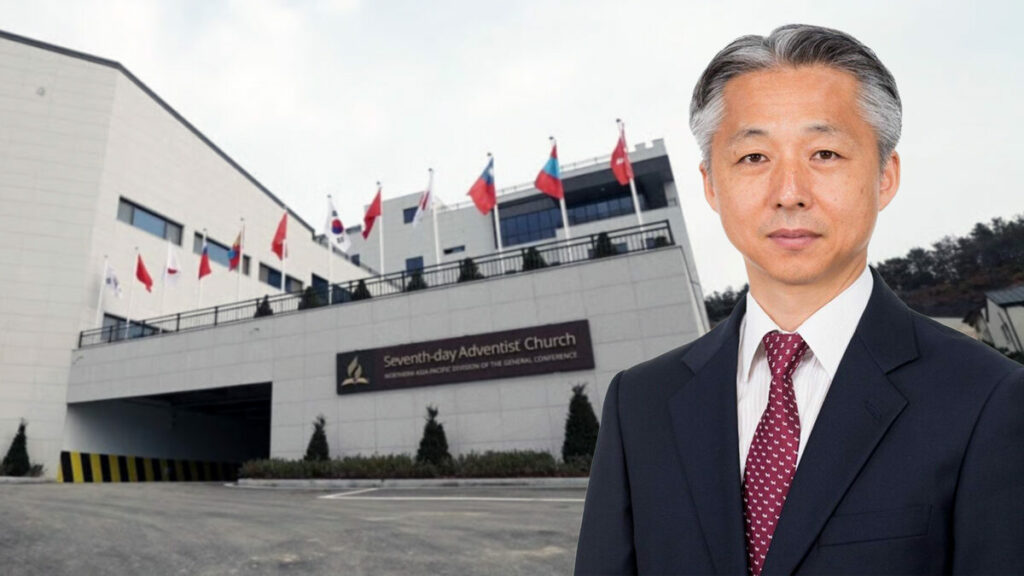
Kim SunHwan Elected Northern Asia-Pacific Division President
Former division leader returns with international mission experience
From the World Church
Kim SunHwan Elected Northern Asia-Pacific Division President
Former division leader returns with international mission experience
 From the World Church
Secretariat Report Calls Adventists to Take World Mission Seriously
Rick McEdward and his team suggest going all in to fulfill God’s commission.
From the World Church
Secretariat Report Calls Adventists to Take World Mission Seriously
Rick McEdward and his team suggest going all in to fulfill God’s commission.