
Deaf and Blind? How They Can Still Communicate and Participate in Worship
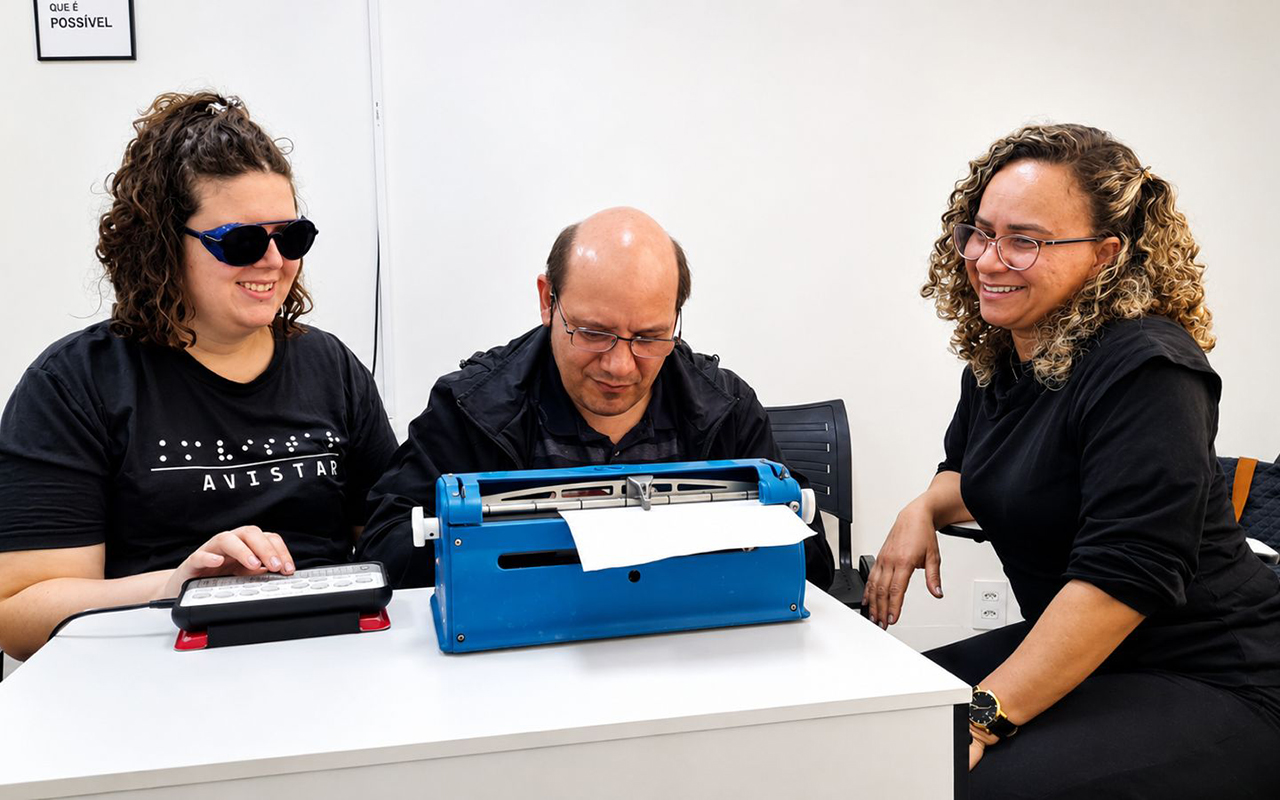
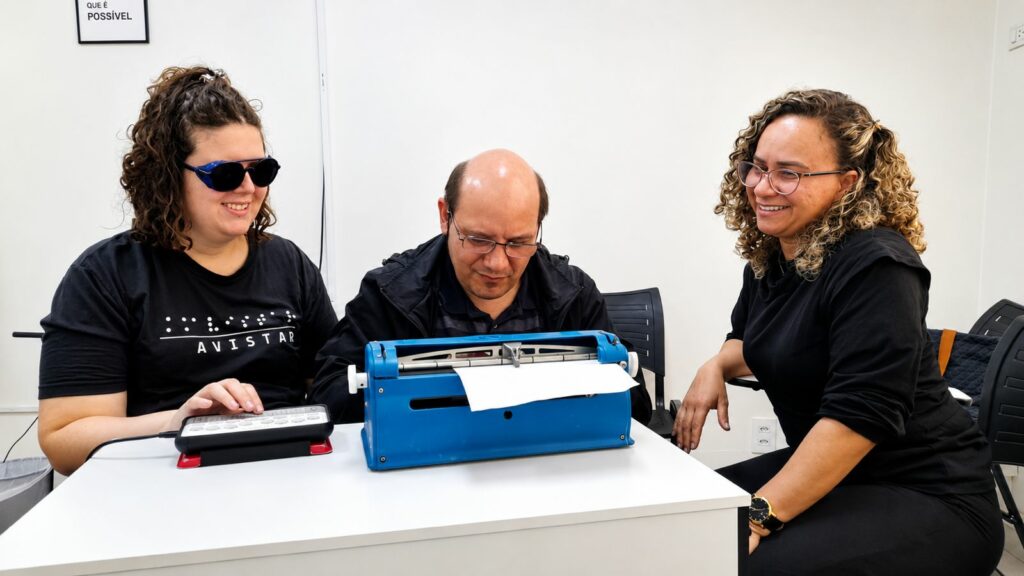
Assistive technology supports autonomy, participation, and inclusion in church life.
July 6, 2026 | Brazil | Cristina Levano, South American Division, and Adventist Review
While many people can follow a church service listening to music, the announcements, and a spiritual message, Letícia Gonçalves Balotta participates in a different way. With a braille computer connected to her cell phone, she receives information in real time sent by volunteers who translate and describe what happens around her.
At 29 Gonçalves Balotta works and lives alone. Born with low vision and hearing-related difficulties, she lost her sight completely in 2021, and a few months later she also began to lose her hearing. Later she was diagnosed with a rare disease that affects different functions of the body, including those two senses.
According to Laura Lebre Monteiro, educational coordinator of Ahimsa Institute, an organization specializing in the care of the deafblind and those with multiple sensory disabilities, the condition should not be understood only as the sum of deafness and blindness. There are congenital cases (a person is born with the condition) and acquired cases (an individual loses hearing and sight over time). There are also different levels of visual and auditory impairment. Despite these differences, the main challenge is usually the same: finding accessible ways of communicating and interacting with the world.
“When a person loses their sight and hearing, traditional forms of interaction need to be adapted. Therefore, communication is always at the center of everything,” Lebre Monteiro explains.
How to Start Including the Deafblind
When Gonçalves Balotta wishes to participate in the church’s services and activities, she has the support of volunteers who send her messages via WhatsApp, adapted to a language accessible to her understanding. The content is received by a computer in braille, allowing her to follow sermons, announcements, and moments of interaction with the congregation.
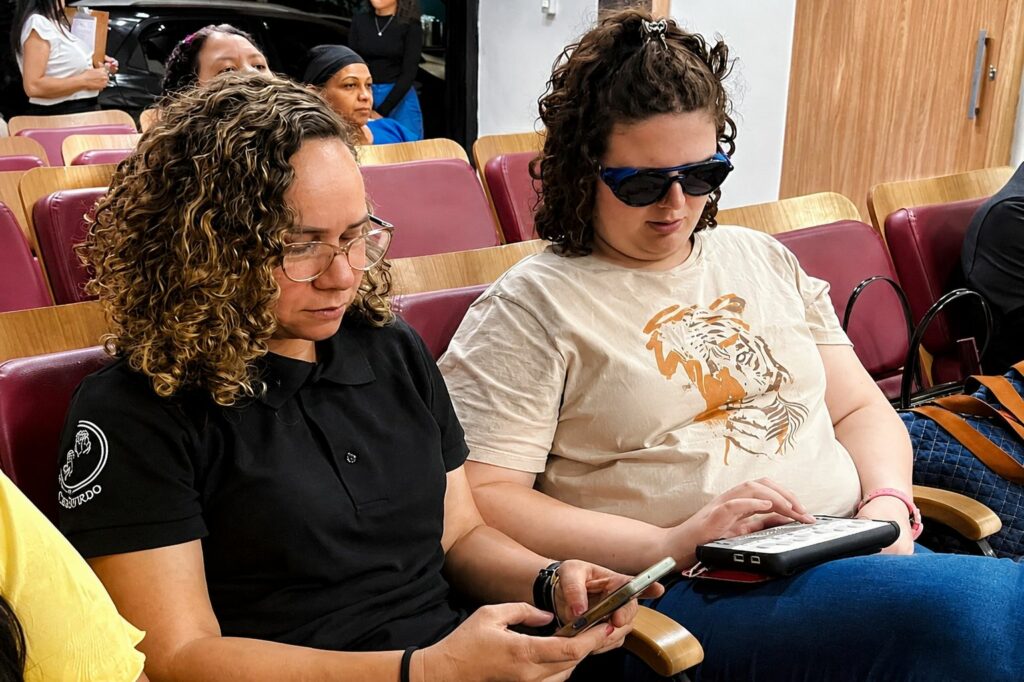
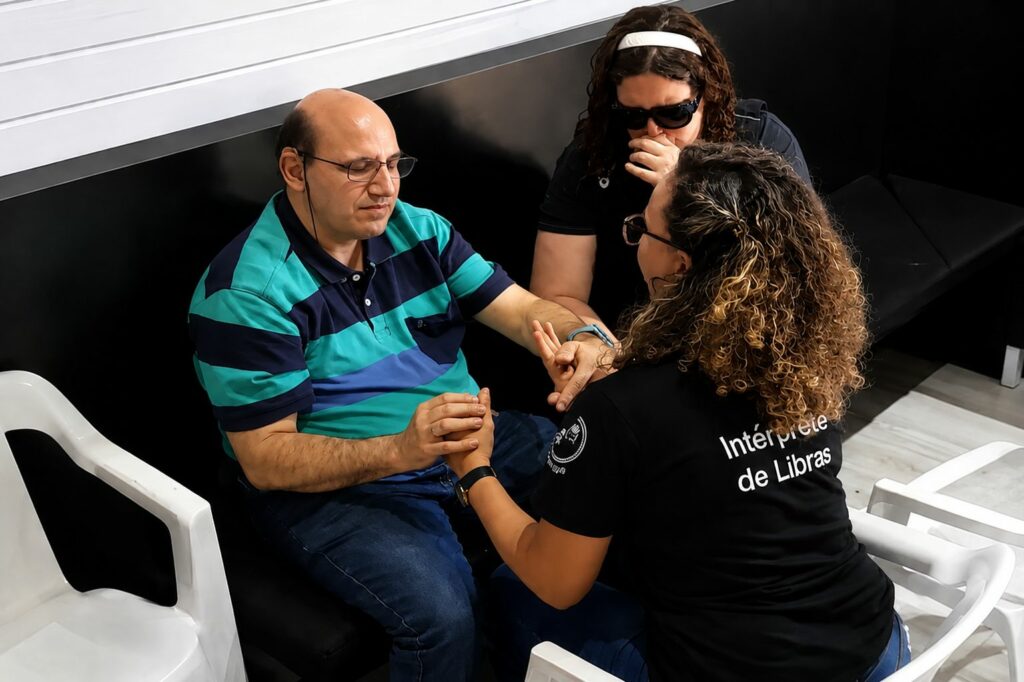
One of these volunteers is Vânia Ramos. Her interest in inclusion began years ago, when she decided to learn Brazilian Sign Language (Libras) to communicate with a deaf neighbor. Over time Ramos began to live with people with different disabilities and to act as a guide-interpreter for the deafblind.
In addition to such resources as audio description and assistive technologies, Ramos learned to use Libras Tátil, a form of communication in which signs are apprehended through the touch of the hands. According to her, each person has different needs, something that requires preparation and adaptation to ensure effective communication.
The guide-interpreter explains that simple attitudes can also make environments more accessible, such as describing the space, introducing the people who arrive, and explaining what is happening around them. For her, inclusion means ensuring that the person actively participates in the experience and is not just present.
“Communication is everything. The deafblind need to know what is happening around them,” she highlights.
Barriers to Effective Communication
According to Gonçalves Balotta, the most difficult challenge is not always in the condition itself, but in the way it is perceived by others. “They often think that I am ignoring or that I do not want to respond, when in fact I did not hear or could not understand what was said,” she explains. This happens, she points out, because not much is known about the condition. Many people believe that all deafblind people have the same characteristics and needs; in reality, there are different forms of the condition and various ways of communication that can be used.
Lebre Monteiro also points out that this lack of knowledge is reflected in various daily environments, such as hospitals, transport, and public services, where resources or professionals prepared to care for those who are deafblind are not always readily available. “The first step is to understand; then comes empathy and welcoming,” she emphasized.
A Real-Life Case and Its Family Impact
This reality is part of the story of Dylan, who was born as a premature baby and is a deafblind boy with a neurological disability. For the family his first years required a lot of adaptation and searching for ways to include him in their daily lives.
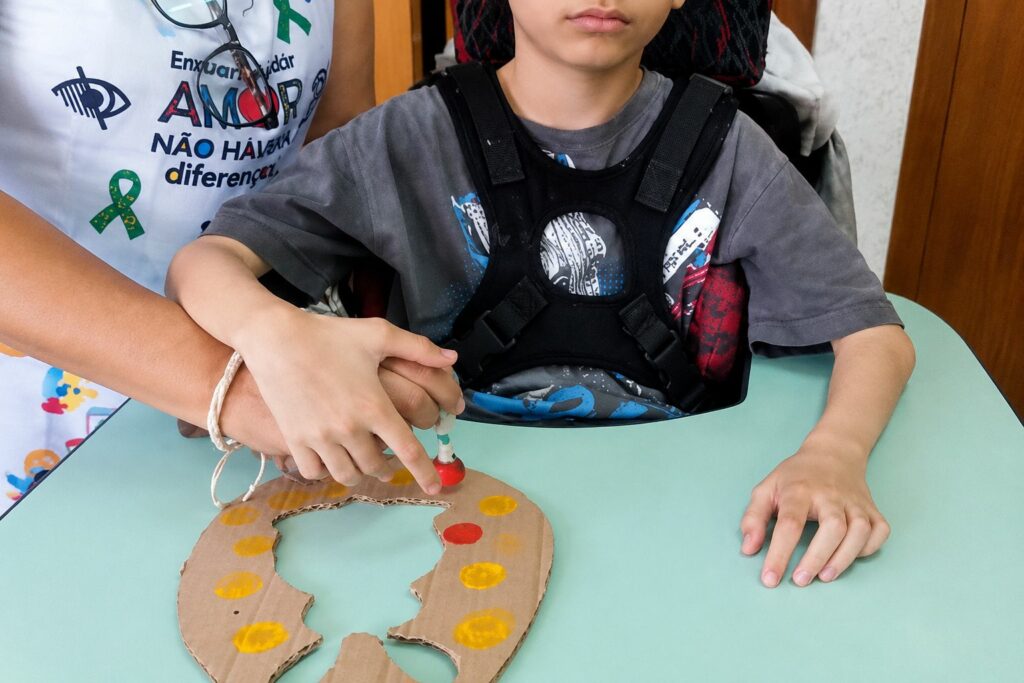
Years later, when they began to attend a Seventh-day Adventist congregation, the family found shelter through Adventist Possibility Ministries (APM), a service of the Adventist Church that promotes the inclusion and care of people with various types of disabilities.
With such steady support Dylan was able to participate more in the life of the community. Over time, achievements that before seemed unlikely became a reality. He was able to sit, stand, and walk. Today touch remains its main way of communication, and the church has learned to connect with it in a simple and affective way.
In Search of True Inclusion
For Lebre Monteiro, inclusion happens when a person who is deafblind is able to actively participate in community life. This process involves the family, educators, professionals, and everyone who is somehow part of their life.
She pointed out that touch plays a fundamental role in this process. Through touch, Lebre Monteiro explained, many who are deafblind can build bonds, understand the environment around them, and develop ways of communicating. “We need to show that there is a world around them. Communication is the bridge that makes this possible,” she said.
Related news
 From the World Church
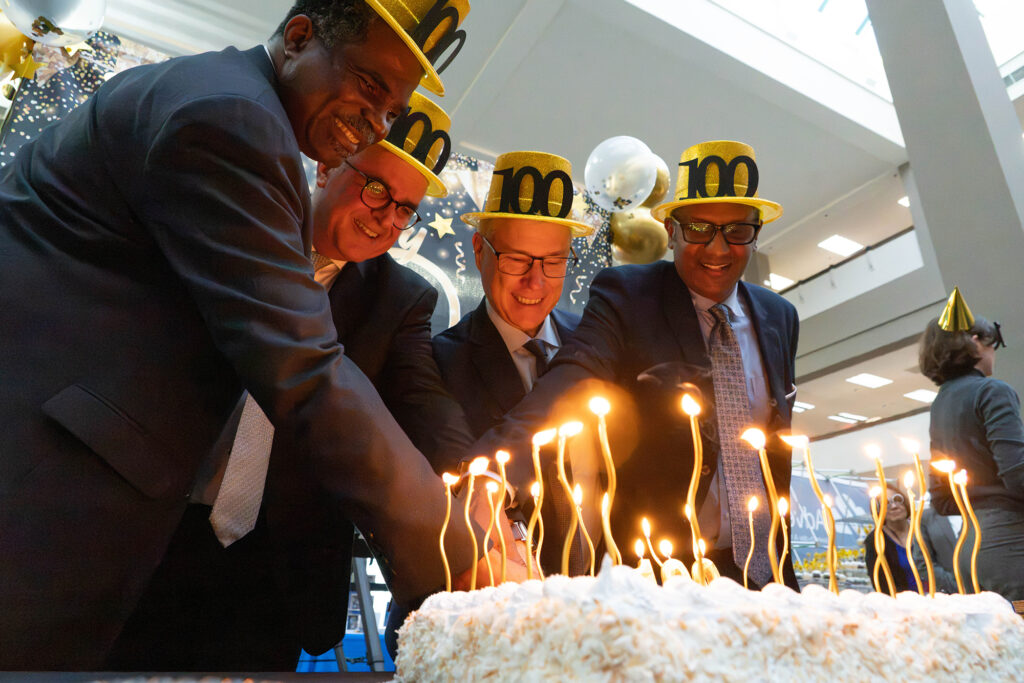
Adventist Church Marks 100 Years of Working Policy
Annual Council celebration traces a century of policy and its role in supporting the church’s global mission.
From the World Church
Adventist Church Marks 100 Years of Working Policy
Annual Council celebration traces a century of policy and its role in supporting the church’s global mission.
 From the World Church
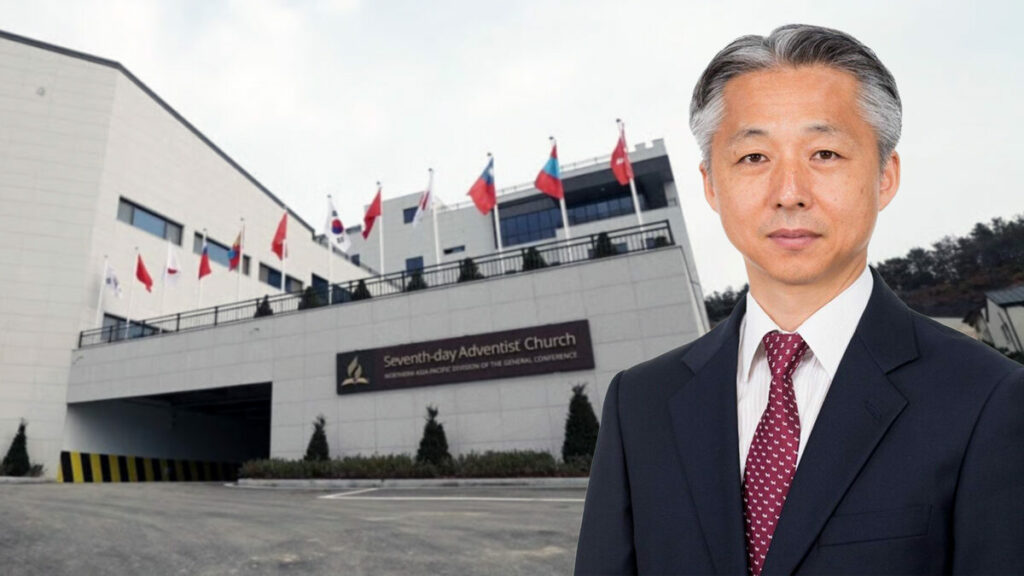
Kim SunHwan Elected Northern Asia-Pacific Division President
Former division leader returns with international mission experience
From the World Church
Kim SunHwan Elected Northern Asia-Pacific Division President
Former division leader returns with international mission experience
 From the World Church
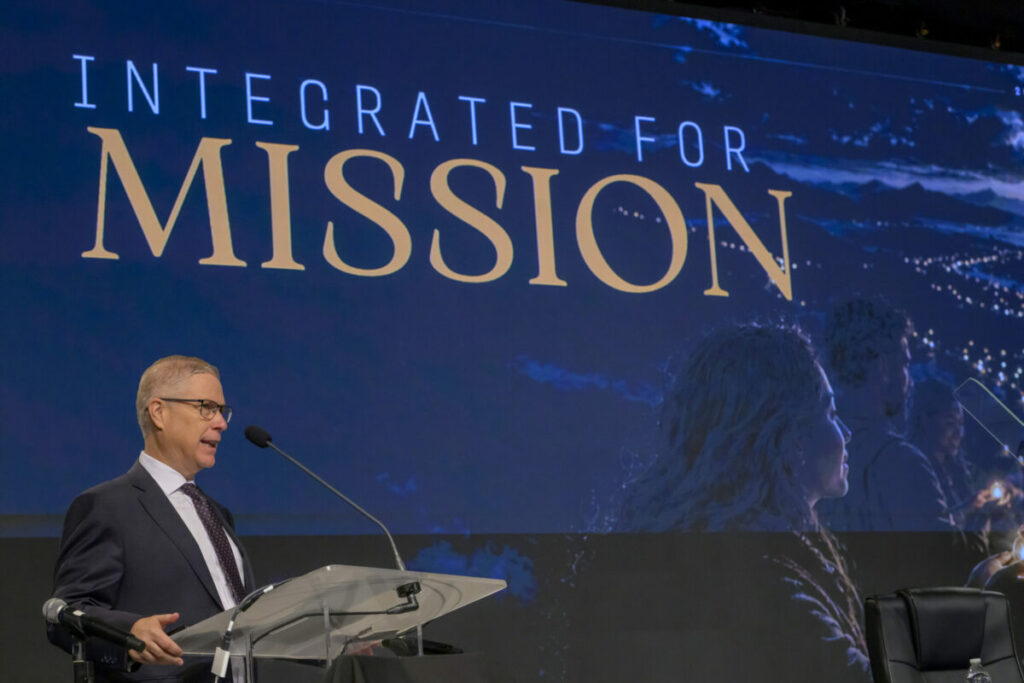
Secretariat Report Calls Adventists to Take World Mission Seriously
Rick McEdward and his team suggest going all in to fulfill God’s commission.
From the World Church
Secretariat Report Calls Adventists to Take World Mission Seriously
Rick McEdward and his team suggest going all in to fulfill God’s commission.