
Experts Call for Vigilance on Religious Liberty and Freedom of Conscience
Lake Union Conference event reflects on implications as the United States turns 250.
April 26, 2026 | Berrien Springs, Michigan, United States| Lake Union Herald Staff
On April 11 the Lake Union Conference Public Affairs and Religious Liberty Department hosted “Two Freedoms, One Nation: Religious and Civil Liberty at 250” on the campus of Andrews University, in Berrien Springs, Michigan, United States, urging attendees to remain alert in defending religious liberty and freedom of conscience.
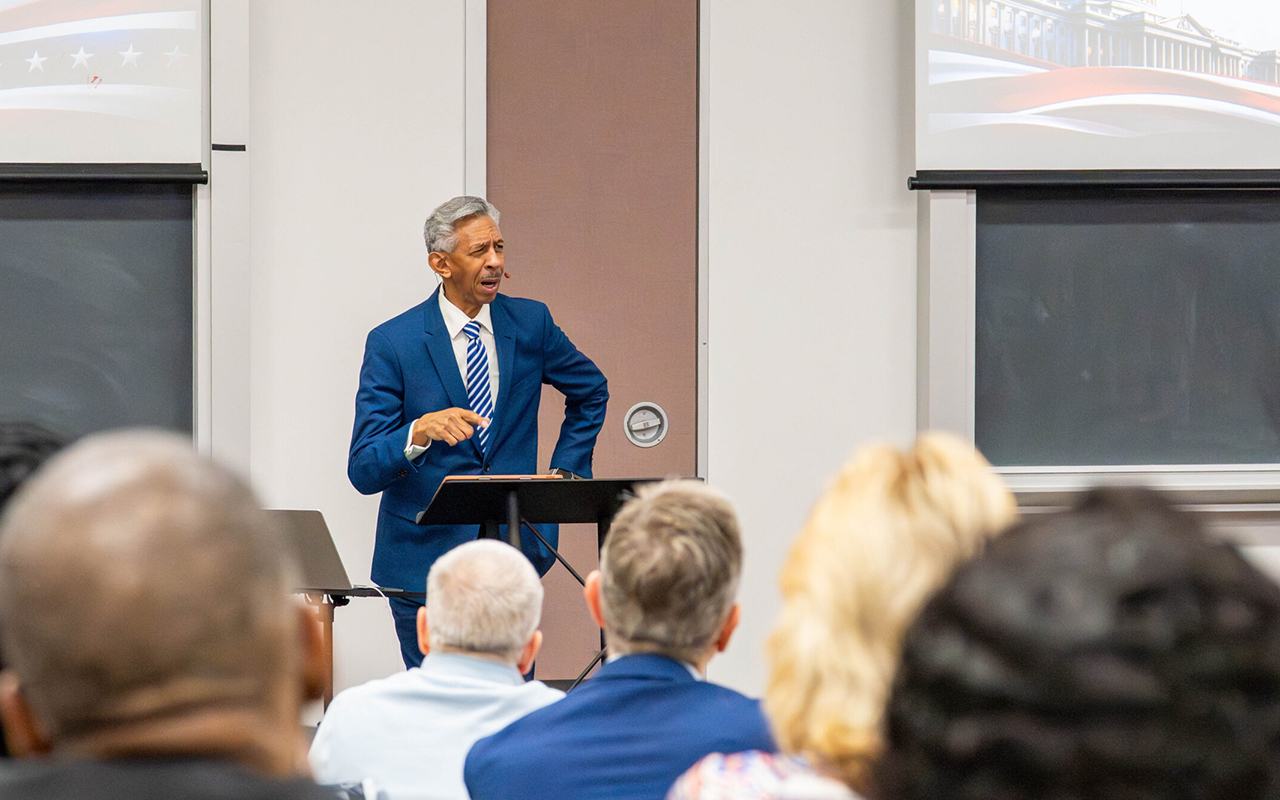
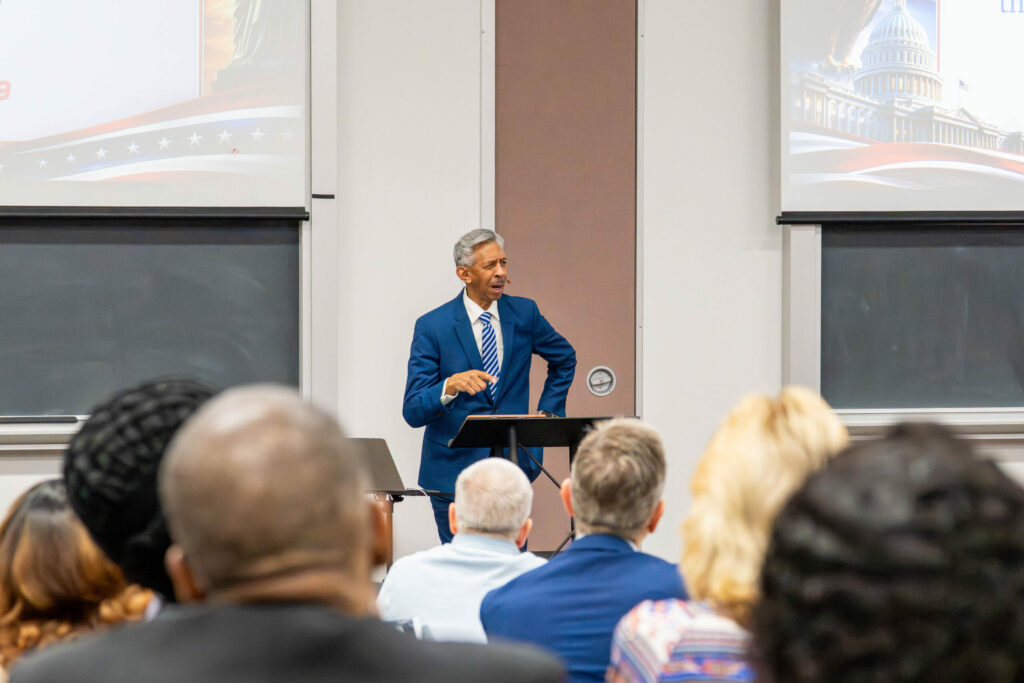
The divine service message by John Lomacang, Illinois Conference pastor and Three Angels Broadcasting Network host, formed the centerpiece of the day, organizers said. In his sermon, “The Final Battle Over Conscience,” Lomacang argued that modern crises are conditioning society for a future conflict over worship and religious liberty.
From there, Lomacang said America is moving toward the prophetic scenario of Revelation 13. “We are all on the same toll road . . . America is on the toll road to fulfilling the prophetic vision of Revelation 13,” he said. He framed the deeper issue as one of personal choice and conscience. “Who owns the power of choice? Who has the right to control our choices?” he asked.
He also described cultural flashpoints such as vaccines, abortion, LGBTQ issues, race, and climate as “wedge issues” that deepen division and prepare society to yield on future religious questions. “You can unite people that disagree through wedge issues,” he said. He closed by warning that calls for rest, unity, and renewal could eventually become tools of coercion. Quoting Acts 5:29, he urged believers to settle their convictions now: “We ought to obey God rather than men.”
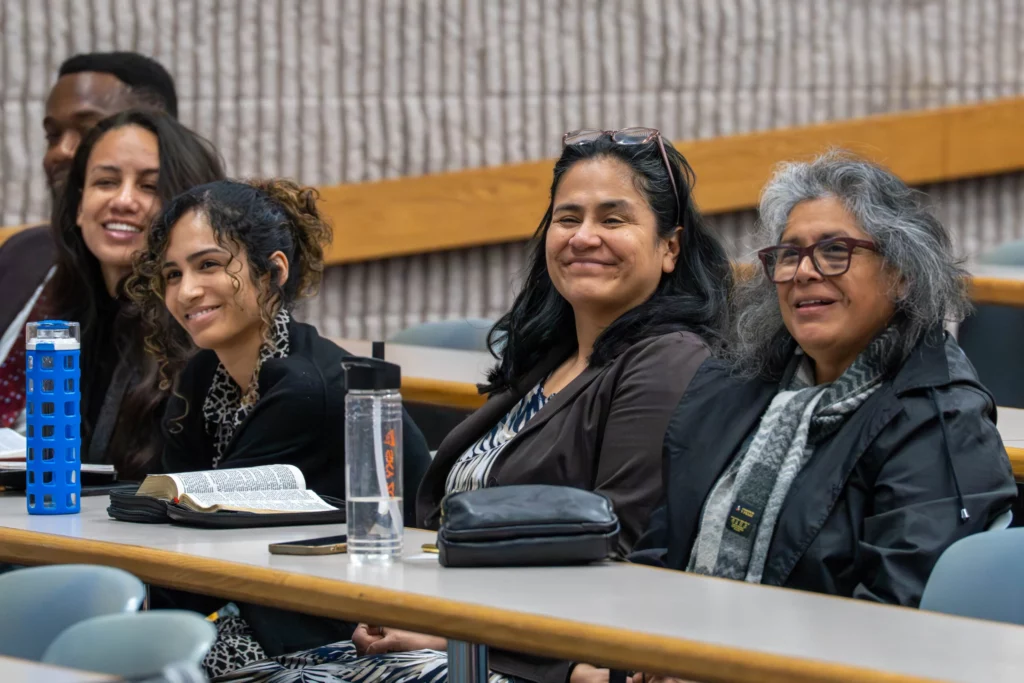
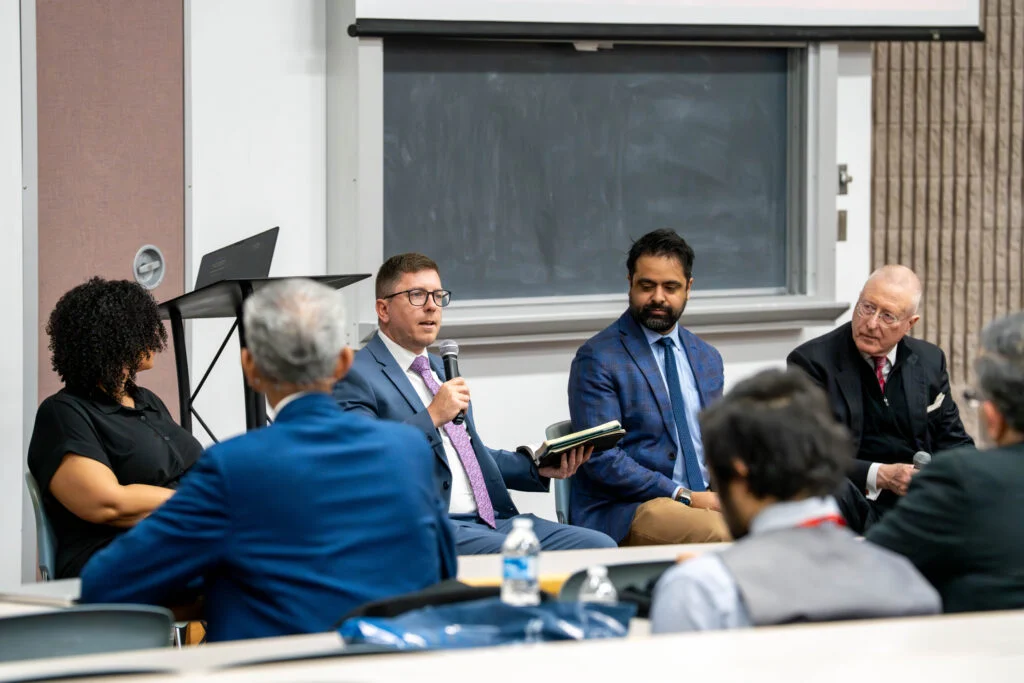
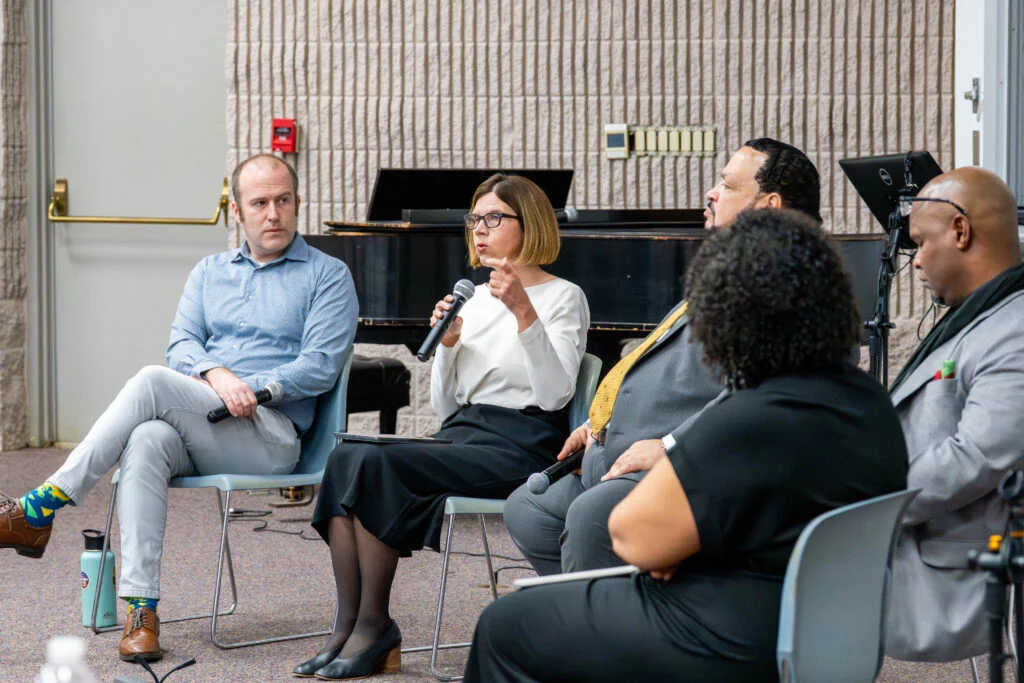
In the afternoon two additional panels deepened the discussion. One, made up of theological scholars, highlighted the close connection between religious liberty and civil liberty, and the importance of protecting both. The second examined the Seventh-day Adventist Church’s historical engagement with civil liberties, noting both examples of principled leadership and areas where the church has fallen short, while pointing to present efforts to advocate for freedom.

Related news
 From the Field
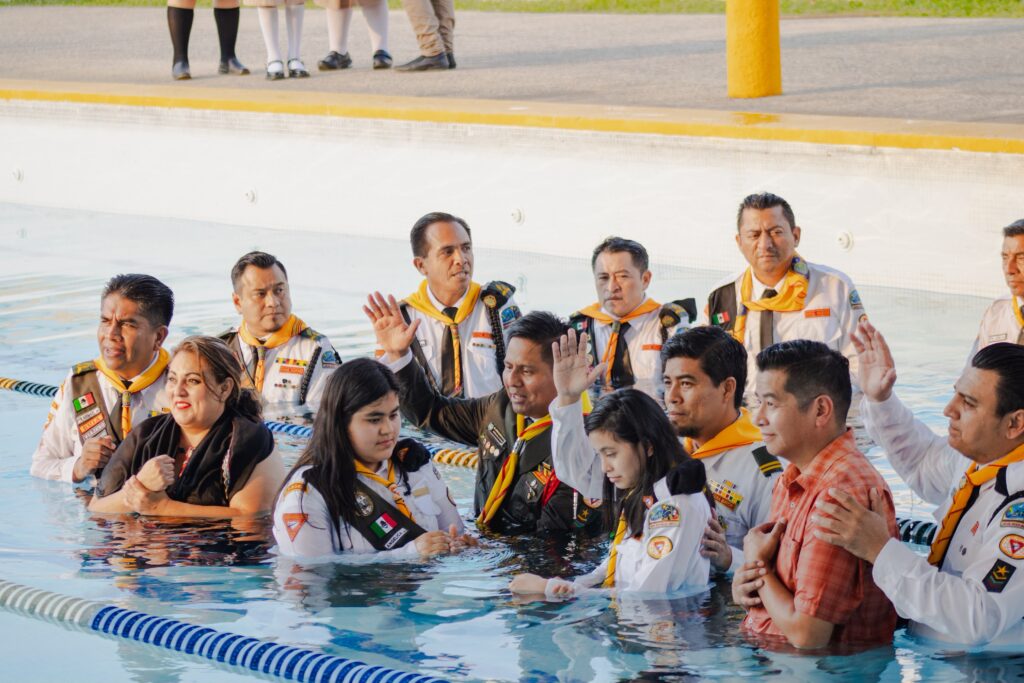
Pathfinder Evangelistic Tour Across Southeast Mexico Celebrates 164 Baptisms
Families join young people in decisions for faith as leaders recognize efforts to establish clubs in every church.
From the Field
Pathfinder Evangelistic Tour Across Southeast Mexico Celebrates 164 Baptisms
Families join young people in decisions for faith as leaders recognize efforts to establish clubs in every church.
 From the Headquarters
High School Students Across Inter-America Compete in Bible Reading Contest
Adventist Virtual Library contest brings together 14 finalists to test their knowledge of Genesis and strengthen Bible reading and faith.
From the Headquarters
High School Students Across Inter-America Compete in Bible Reading Contest
Adventist Virtual Library contest brings together 14 finalists to test their knowledge of Genesis and strengthen Bible reading and faith.
 From the Headquarters
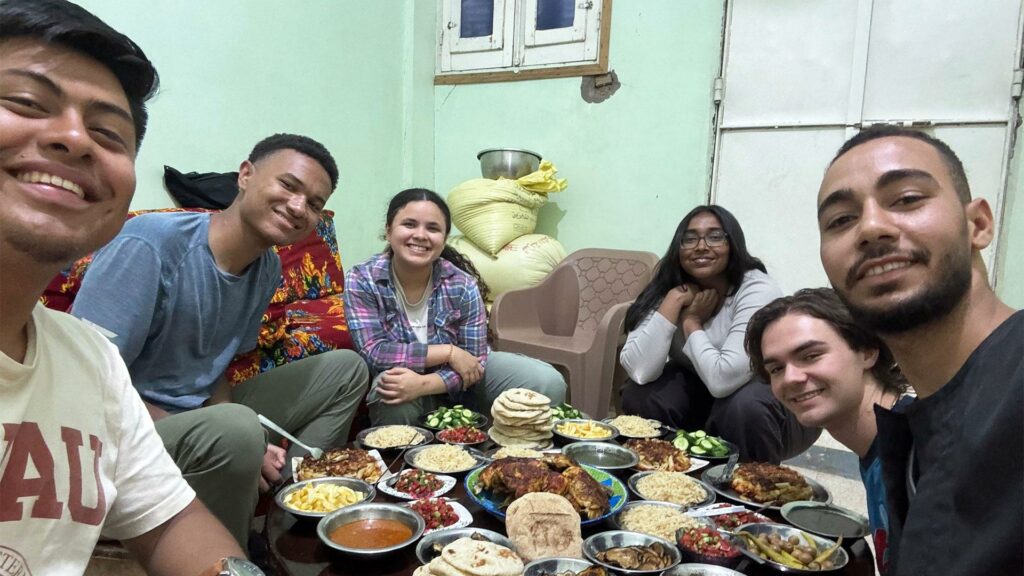
A Journey to Egypt Confirms a Calling
Teaching Bible and English in Egypt confirmed Rubén Díaz’s calling to serve in a cross-cultural context.
From the Headquarters
A Journey to Egypt Confirms a Calling
Teaching Bible and English in Egypt confirmed Rubén Díaz’s calling to serve in a cross-cultural context.