
Can Adventist Evangelism Be Culturally Insensitive?
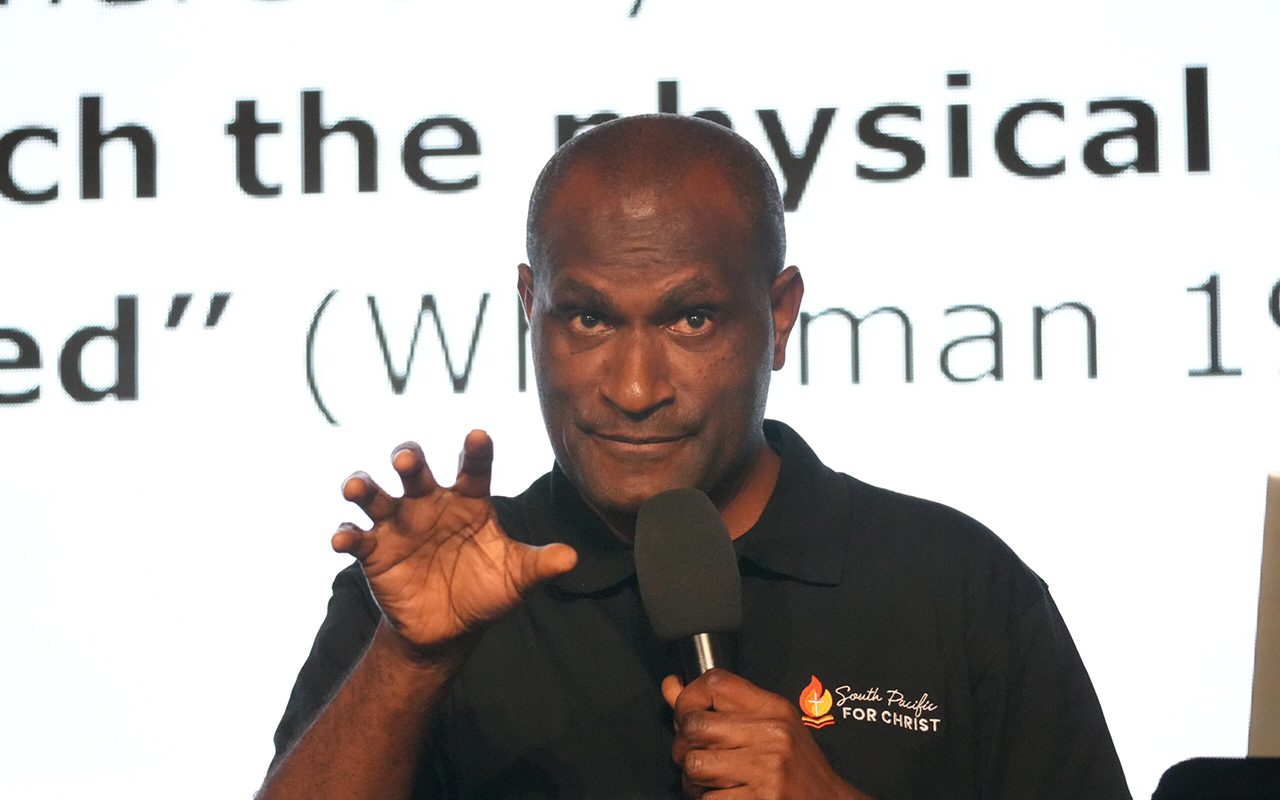
In the South Pacific, understanding the Melanesian worldview is key, researcher says.
May 20 2026 | Australia | Marcos Paseggi, Adventist Review
“Smoking causes cancer,” the missionary told the people. “God wants us to be healthy, so He doesn’t want us to smoke.”
The message was translated faithfully into a local language everyone could understand. But even as people heard the words, they understood a different message.
“God must be angry with smokers and is vengefully punishing them with cancer,” they interpreted. “I am afraid of God. If I am good, maybe He will go away and leave me alone.”
“What had the missionary missed in his message?” asked Unia Api, a professor and researcher at Pacific Adventist University in Papua New Guinea (PNG). A better understanding of the Melanesian worldview, he answered, which is based on benevolent versus malevolent players. “Missionaries believe—and rightly so—that God is love and wants to protect us,” Api explained. “But in the listener’s wall of interpretation, sickness is a form of immediate spiritual punishment. So even though the words are right, the message transmitted is received in a completely different way.”
During a May 1 presentation at the South Pacific Division for Christ launch event in Brisbane, Australia, Api explained the major features of the Melanesian understanding of the world and some of its implications for Adventist Mission.
Physical and Spiritual Realms Connected
Melanesians do not live in a compartmentalized world of secular and spiritual domains, but in a biocosmic world—they have an “integrated worldview” in which the physical and spiritual realms are connected, Api shared, quoting Darrell L. Whiteman.
“Raka says to Missionary Joe, ‘I am sick because I went to the jungle two weeks ago to cut sago palm.’ ”
Missionary Joe replies, “Oh! Too bad. It must the mosquitoes from the swamp.”
But Missionary Joe thought Raka was referring to malaria, when Raka was referring to treading on masalai ples, or “sacred sites.” So the message was sent and received, but understood very differently, Api explained.
A Spiritual Explanation for Everything
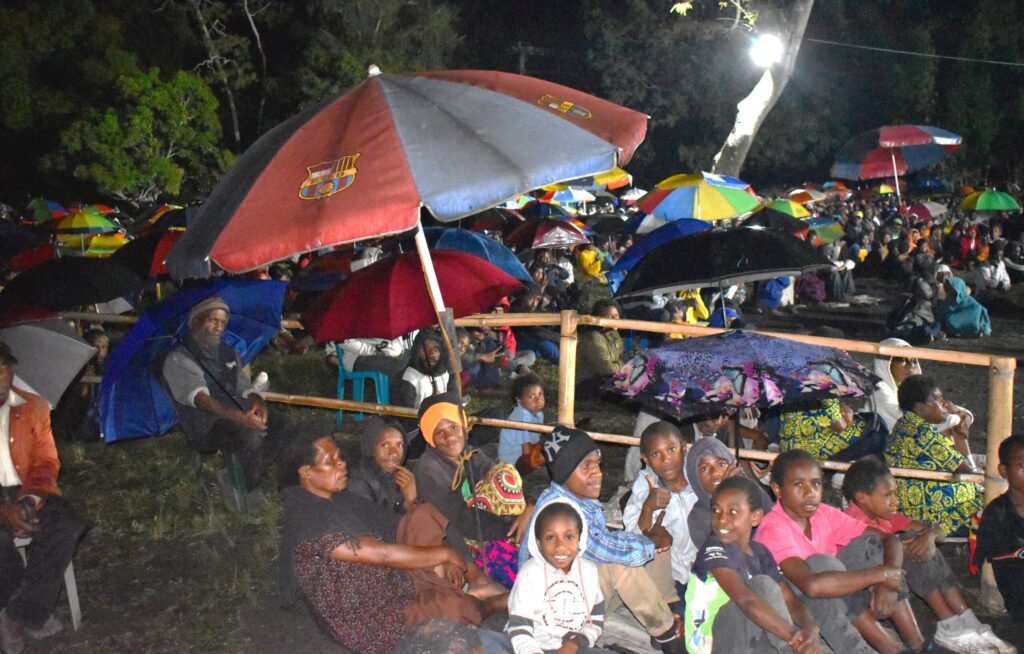
At the same time, Melanesian thought patterns are not individualistic but community-oriented. “I am because they are,” Api shared, quoting a deeply held way of seeing the world in the area.
Likewise, Api explained, for Melanesians every aspect of life—education, food, faith, rituals—converges in the ideal of gutpela sindaun, or “the presence of all the positives and absence of all the negatives.” In Melanesian thought, he said, “everything is connected by spiritual strings. Everything has a spiritual explanation.”
Based on Personal Relationships
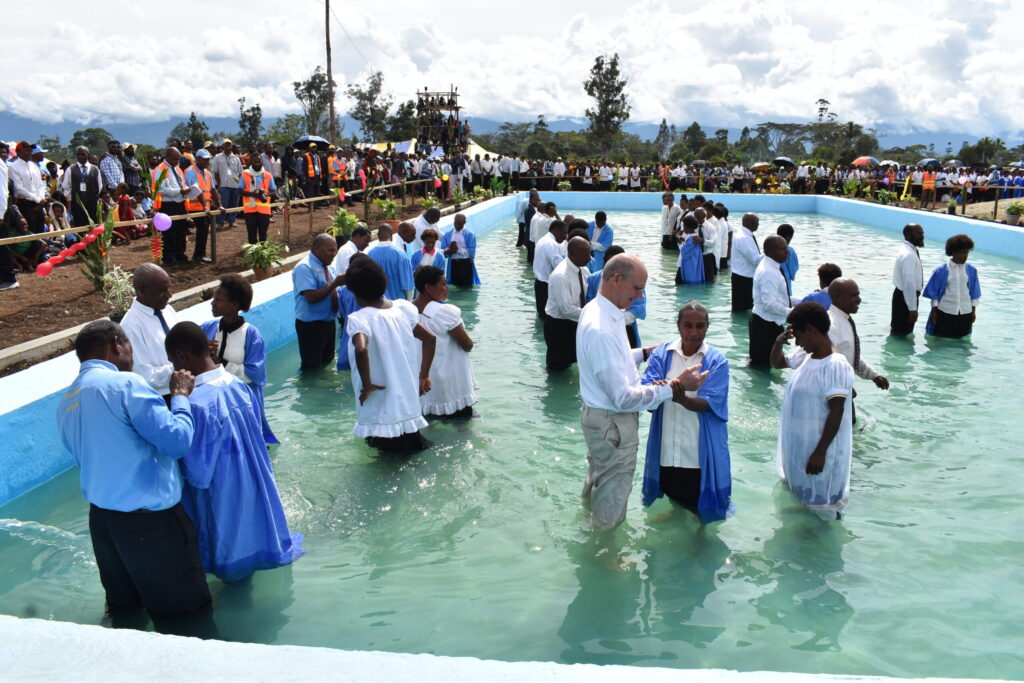
Melanesians also base their interactions on relationships, Api explained. “So if you want to extract some information from a Melanesian, you must establish a good relationship first before they convey good information to you. You need to be trusted before they give you the information you are seeking.”
Further, when discussing a topic, Melanesians often do not get to the point right away, Api explained. He shared a discussion at a meeting with Melanesians in which he spent a lot of time going around the topic as he tried to explain a particular concept. One of Api’s colleagues, who was not Melanesian, finally told him, “OK, get to the point!” What he didn’t understand was that for us Melanesians, going around and around a topic is the point, Api said. “It may seem a waste of time, but it’s not. And it’s not repetition; it’s emphasis.”
A Silver Lining in Evangelism
“Is it possible to find connections between Melanesian thought and the Seventh-day Adventist worldview?” Api asked. Surprisingly enough, the answer is positive and can be connected to a key Adventist belief: that of what is known as “the great controversy” theme, which is, Api said, “the great underlying theme.”

According to Api, in the Bible there are also “values that Melanesians try to embrace, and it also gives us tools, such as prayer and repentance. These we must use in order to reach our goal or ideal, which the Bible defines as shalom,” he shared.
Those the Church Is Trying to Reach
Against that background, Api called for Adventist mission leaders to be mindful of worldviews, such as the Melanesians patterns of thought, when embarking on outreach endeavors. He celebrated that in recent decades the Adventist Church has launched mission centers that have focused on understanding different patterns of thought and world religions. “In the same way, we should strive to pay attention to ways of thinking such as the ones we find in Melanesian culture before we embark on targeted evangelism,” Api emphasized.
He quoted Adventist missionary Gottfried Oosterval, who decades ago wrote, “Unless a church couches the eternal gospel in the language, patterns of thinking, forms of behavior, values and instruction of the people it’s trying to reach, and unless it allows them to express their response to the gospel in their own cultural ways, there’ll be no universal mission and effective church growth.”
Related news
 From the World Church
A Handful of Walnuts a Day May Make Your Diet Less Inflammatory
Published research findings add to previous studies about the role of nuts in human diet.
From the World Church
A Handful of Walnuts a Day May Make Your Diet Less Inflammatory
Published research findings add to previous studies about the role of nuts in human diet.
 From the World Church
Middle East gathering highlights mission growth and need for more workers
Church leaders, former missionaries, and retirees reconnect while hearing updates on church planting and Middle East University.
From the World Church
Middle East gathering highlights mission growth and need for more workers
Church leaders, former missionaries, and retirees reconnect while hearing updates on church planting and Middle East University.
 From the World Church
Adventist churches in Ukraine damaged during weekend shelling and airstrike
Three churches were damaged as a result of a shelling and airstrike during the weekend, multiple injuries and one death reported.
From the World Church
Adventist churches in Ukraine damaged during weekend shelling and airstrike
Three churches were damaged as a result of a shelling and airstrike during the weekend, multiple injuries and one death reported.