
Behind the Lens, Hope
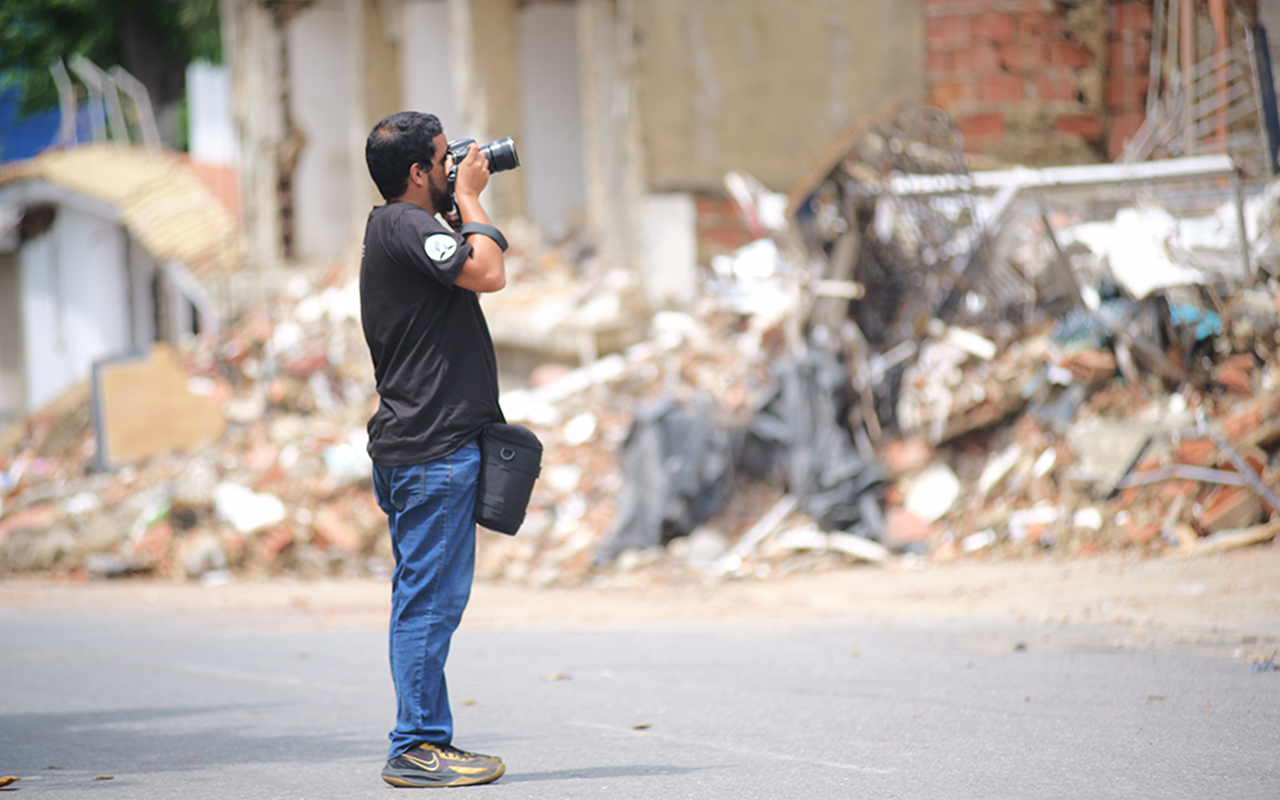
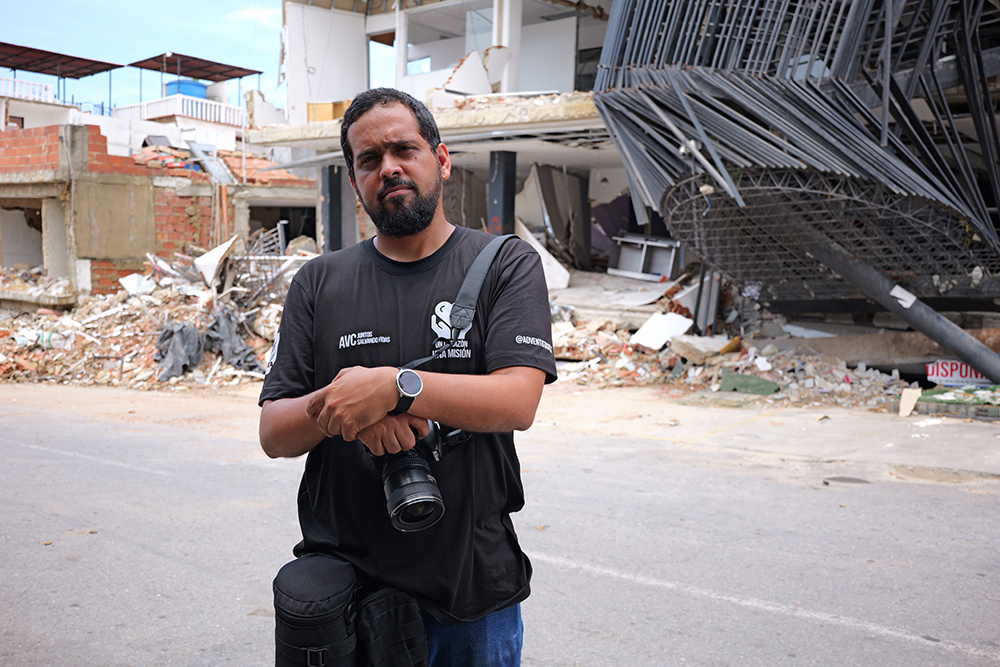
Adventist photographer Jonathan Lanza documented the aftermath of Venezuela’s earthquake for the church and international media, discovering amid the devastation that his camera could also be a way to serve.
August 27, 2026 | Caracas, Venezuela | Nohemi Belandria and Inter-American Division News Staff
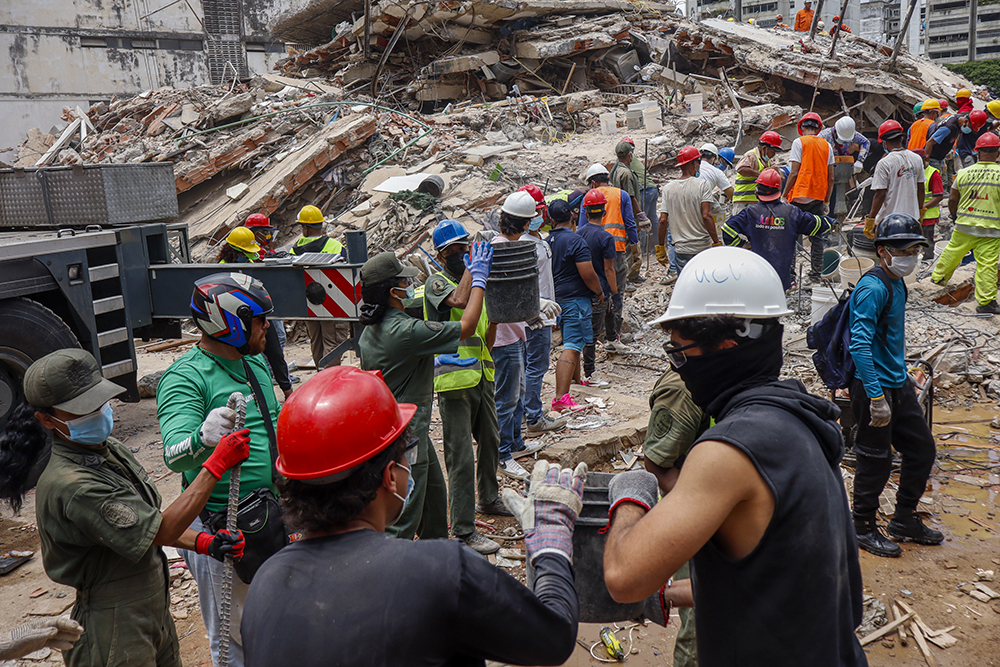
When Jonathan Lanza reached the Suma sector of Catia La Mar, in Venezuela, the scene stopped him in his tracks. Four-story buildings had collapsed onto one another like pieces in a Tetris game. Ambulances surrounded the area as people shouted and ran through clouds of dust.
“I had to pray right there,” Lanza recalls. “A tear came down. I told myself, ‘Jonathan, this is your job. This is what you came here to do. Focus. You can do this.’ I gave myself a couple of pats, took a breath, and started working.”
Behind the Camera
Lanza describes himself as two different people.
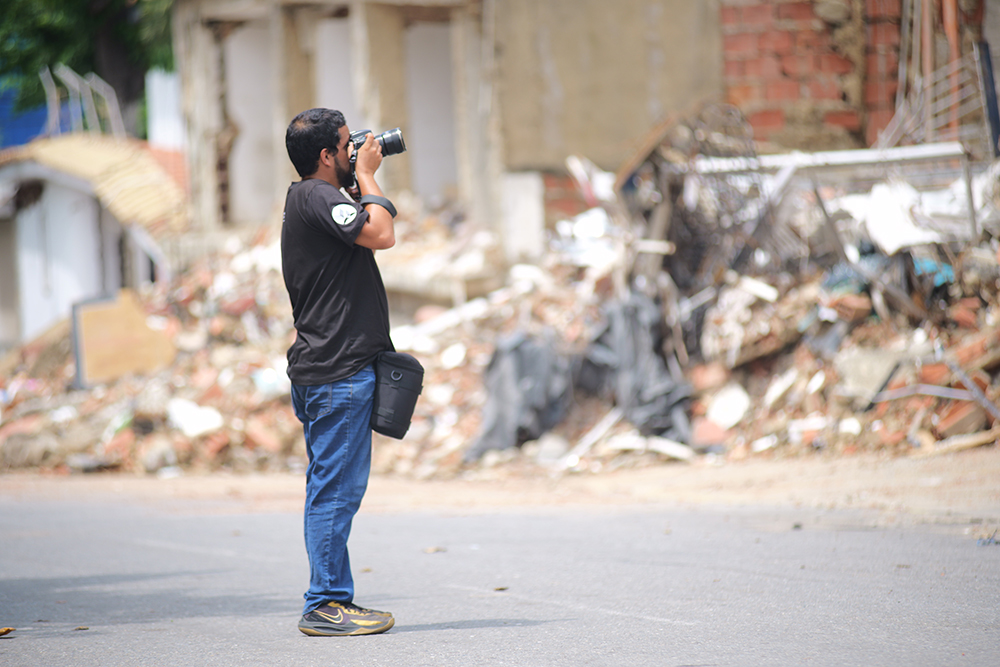
“I’ve always been very shy, very quiet,” he says. “The quieter I am, the less attention I draw. That’s who I am. But with photography equipment in my hands, the way I see the world changes.”
Born and raised in Caracas, Lanza grew up in the Seventh-day Adventist Church. Today he serves as an elder and communication director at the San Martín Adventist Church and as youth ministries director for his district.
He studied graphic design but changed direction after buying his first camera and watching a documentary about a prominent war photographer.
“That documentary marked me,” he says. “I said, ‘This is what I want to do.’”
Weddings were never what drew him to photography. His interest was in the streets and documentary work.
The Day Everything Shook
June 24 was a holiday. Lanza’s wife, Jessica, and their 6-year-old daughter had gone out earlier in the day, while he was celebrating a friend’s birthday.
At 6:05 p.m., as the group sang “Happy Birthday” in an open parking area, the ground began to move.
“I was blessed because there was no roof over me,” he says.
His first instinct still surprises him.
“I haven’t even told my wife or daughter this: At first, I didn’t think about them,” he says. “I took out my phone and started taking pictures. I thought, ‘If we felt it like this, the streets must be in chaos. I have to go get my camera.’”
With phone service down, Lanza got on his motorcycle and spent more than an hour searching for Jessica and their daughter. Eventually, he found them at home, safe.
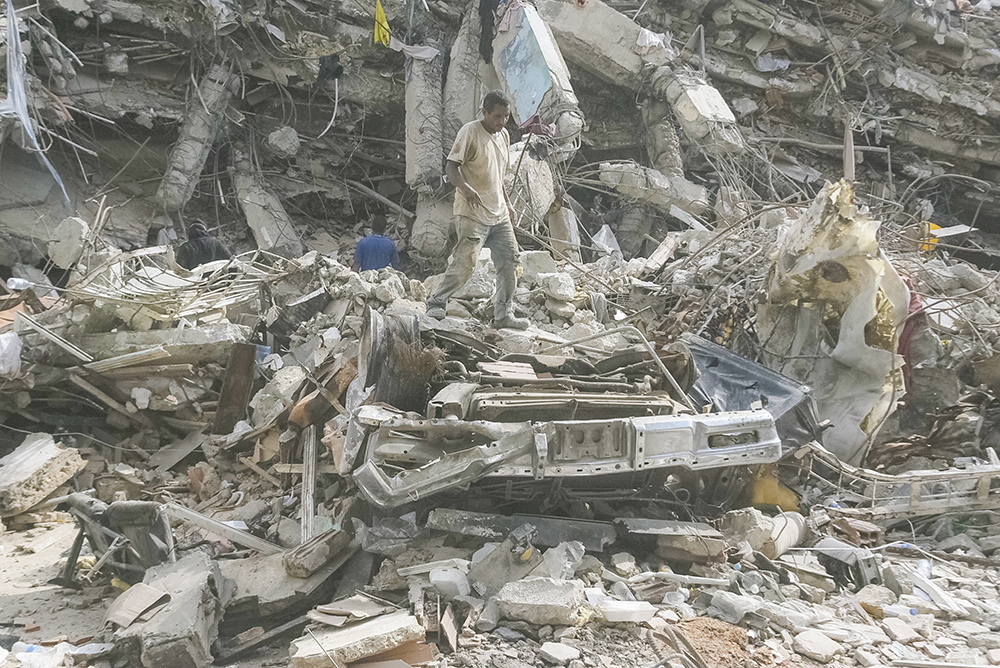
“You can see the fear I was feeling in my photos from that first day,” he says.
At Ground Zero
Before dawn, Lanza received a call from an international news agency asking him to document the disaster—an opportunity he had pursued for years, but one that suddenly carried enormous weight.
“I couldn’t show up with just any picture,” he says. “If I wasted the opportunity, there were 20 or 30 others behind me who wanted it.”
In La Guaira, he encountered scenes unlike anything he had photographed before.
There were bodies. He heard people calling for help from beneath the rubble. At one site, the arm of a trapped woman remained visible, moving in response as rescuers called out to her.
“There were so many stories that sometimes you couldn’t stay with just one,” he says.
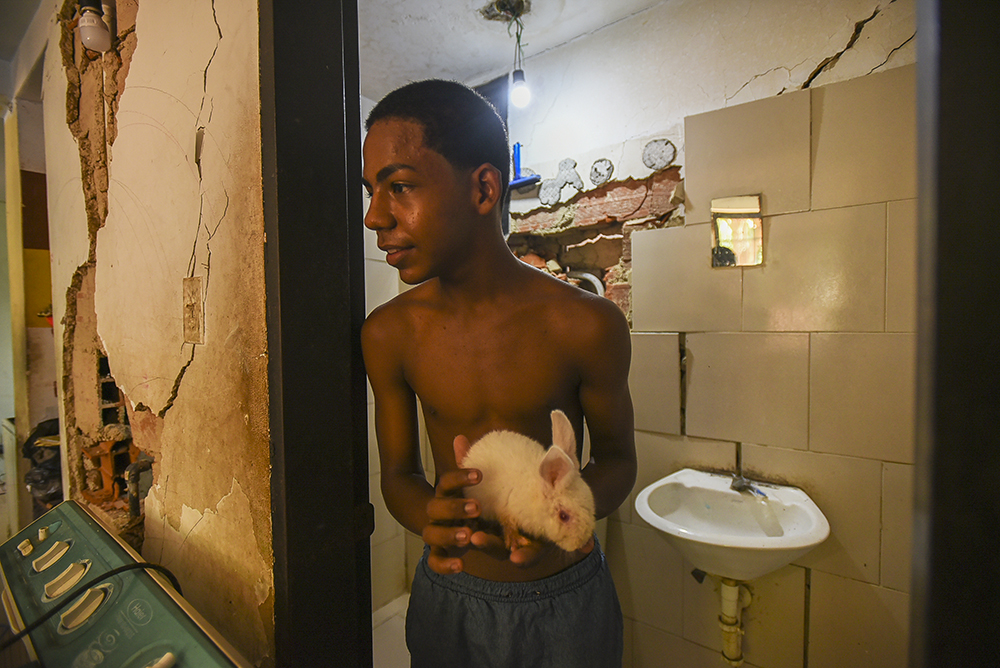
As he worked, Lanza followed a principle he had learned from other photographers: document the moment without intruding on it.
“When you arrive at a scene, you’re the elephant in the room,” he says. “Everyone sees you coming with the camera. Your job is to become the mosquito, so people don’t feel intimidated or uncomfortable.”
For him, that begins with respect.
“There are people who just need to be heard, and my job is to find that person in the middle of their pain,” he says.
Respect also meant knowing when not to take a photograph.
“Many times, I chose not to photograph the bodies of children,” Lanza says. “I know those are the photographs that sell the most, but that wasn’t what I wanted.”
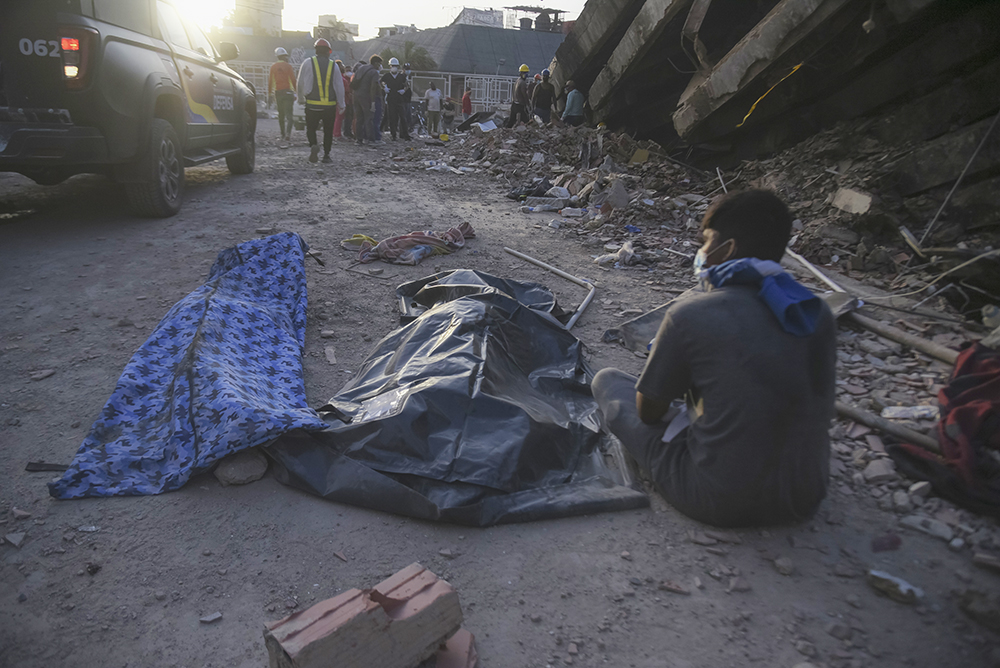
One encounter remains especially vivid for Lanza, and became a photograph in a way he never expected.
Five days after the earthquake, near a collapsed residential complex in Caraballeda, he noticed 20-year-old Albert Herrera sitting on the ground beside two bodies.
“I asked him, ‘Are they your family?’” Lanza recalls. “He said yes. They were his mother and his sister.”
Herrera had survived because he had not been home when the earthquake struck. His father, mother, and sister had not.
Lanza sat down beside him. For a while, he said nothing.
When volunteers began distributing sandwiches, Herrera offered his to Lanza.
“He told me, ‘Come, eat with me,’” Lanza recalls. “I didn’t want to eat that bread, but I understood that it was his way of having someone there with him.”
The two ate together as they waited for the bodies to be taken away.
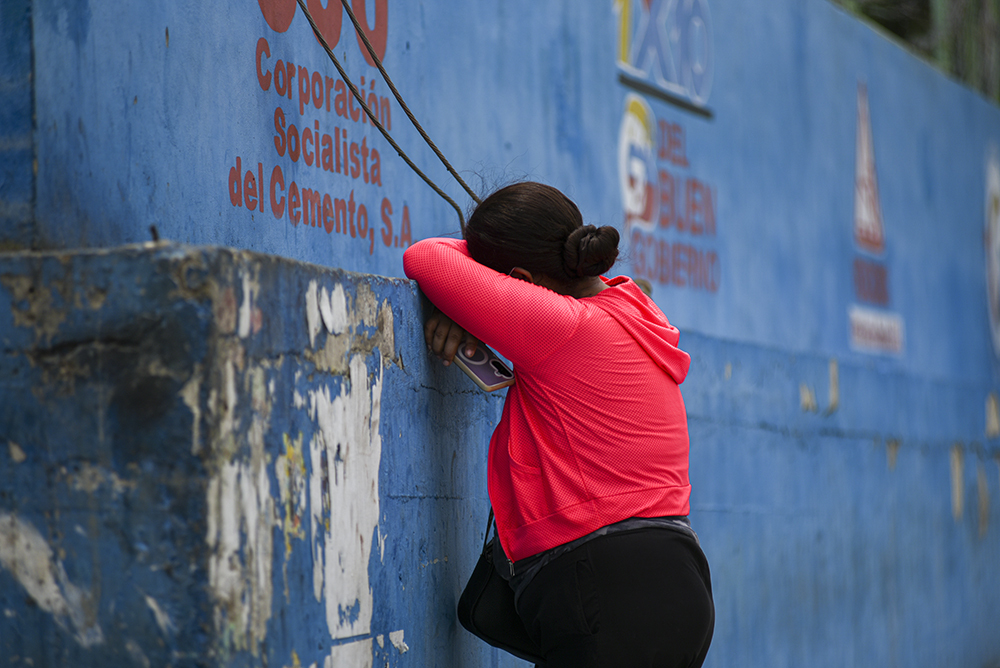
When the Lens Becomes Service
As the days passed, Lanza says his daughter helped keep him grounded. So did a conviction that grew stronger with every photograph he made.
“Every time I took a picture, I connected with someone who had lost everything, and I felt it as if it were mine,” he says. “I felt as though the people who were dying were my brothers and sisters.”
As he documented the devastation, Lanza began to see his camera not only as a professional tool, but as his way of serving.
When the Inter-American Division and the General Conference published photographs documenting the disaster, many were his. Lanza also made his images available to the local church organization to support efforts to raise assistance for affected communities.
“I may not have the means to buy a truckload of water, which is so desperately needed in La Guaira,” he said. “But through a photograph that makes the front page, someone outside sees it and helps. Maybe I’m not the one who is going to preach, but this is my way of helping.”
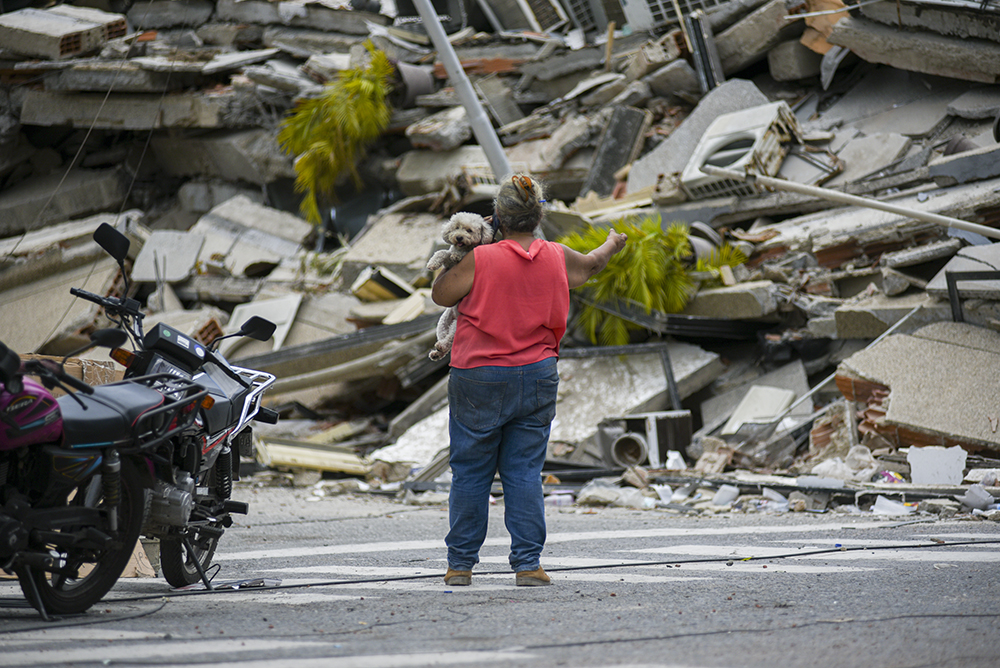
“Your actions have to speak louder than your words,” he says. “Through my work, I want people to see that I’m Adventist without me having to say it.”
What the Earthquake Left Behind
Weeks later, Lanza is still processing what he witnessed.
There were days when he chose not to return to La Guaira. There were days when he cried.
The experience has taught him to pay attention to his mental well-being and to protect his young daughter from the most disturbing images he has documented.
Still, he believes something meaningful can emerge from the devastation.
“Maybe we are suffering now, but years from now we may be able to give thanks because, through this earthquake, many people found salvation and drew closer to God,” he says.
The disaster also shook his own spiritual life.
During a reflection at church, members were asked whether, had they died in the earthquake, they were certain of their salvation.
“That makes you reflect,” he says. “We really don’t know what will happen tomorrow, and we truly need to walk hand in hand with God.”
After photographing collapsed buildings, grieving families, rescue efforts, and lives interrupted in a matter of seconds, Lanza knows what he hopes people will see when they look at his images.
“That not everything is lost,” he says. “When the night is at its darkest, dawn is already on its way.”
Related news
 From the World Church
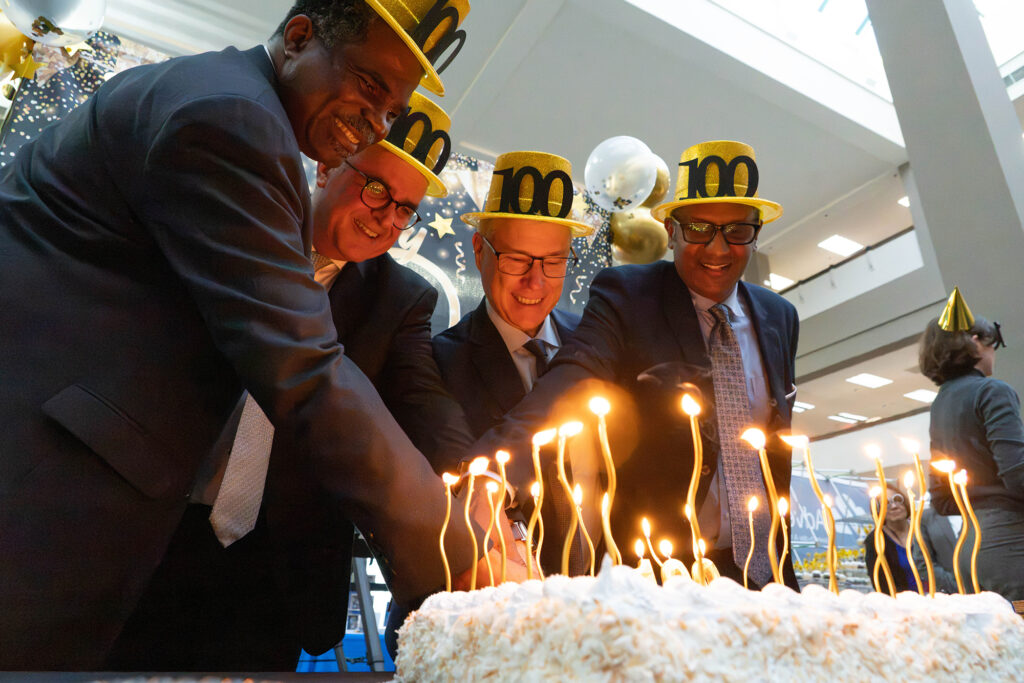
Adventist Church Marks 100 Years of Working Policy
Annual Council celebration traces a century of policy and its role in supporting the church’s global mission.
From the World Church
Adventist Church Marks 100 Years of Working Policy
Annual Council celebration traces a century of policy and its role in supporting the church’s global mission.
 From the World Church
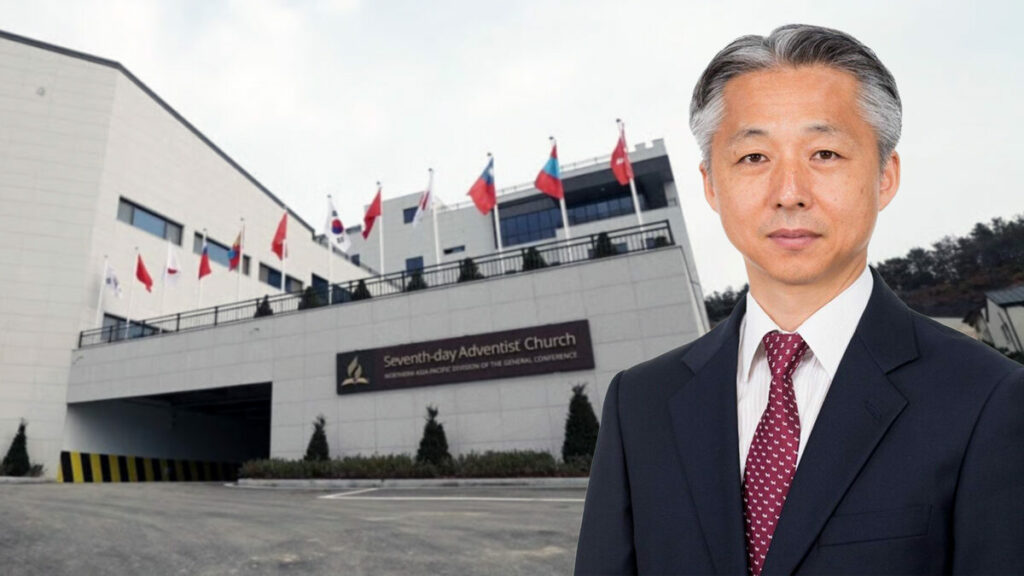
Kim SunHwan Elected Northern Asia-Pacific Division President
Former division leader returns with international mission experience
From the World Church
Kim SunHwan Elected Northern Asia-Pacific Division President
Former division leader returns with international mission experience
 From the World Church
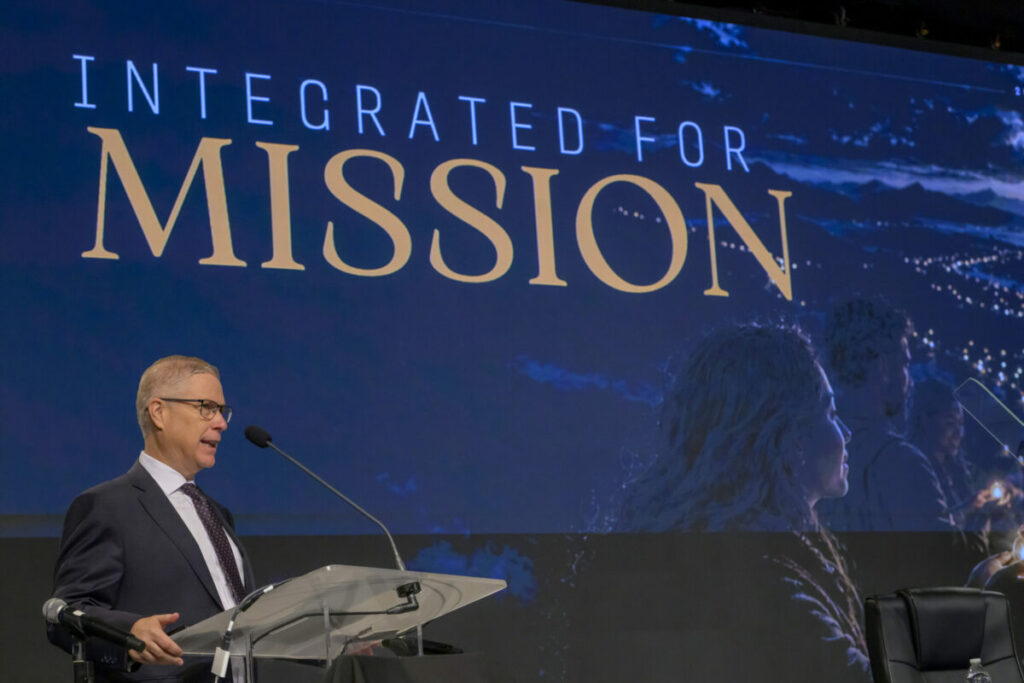
Secretariat Report Calls Adventists to Take World Mission Seriously
Rick McEdward and his team suggest going all in to fulfill God’s commission.
From the World Church
Secretariat Report Calls Adventists to Take World Mission Seriously
Rick McEdward and his team suggest going all in to fulfill God’s commission.