
20 Years of Prayer Trigger Exciting Church and School Building Prospects
September 29, 2026 | Bogota, Colombia | Marcos Paseggi, Adventist Review
The process usually starts with prayer. A lot of prayer. Indeed, when Maranatha Volunteers International leaders arrived in Colombia on August 16 for an exploratory visit, regional church leaders and members had been praying for decades.
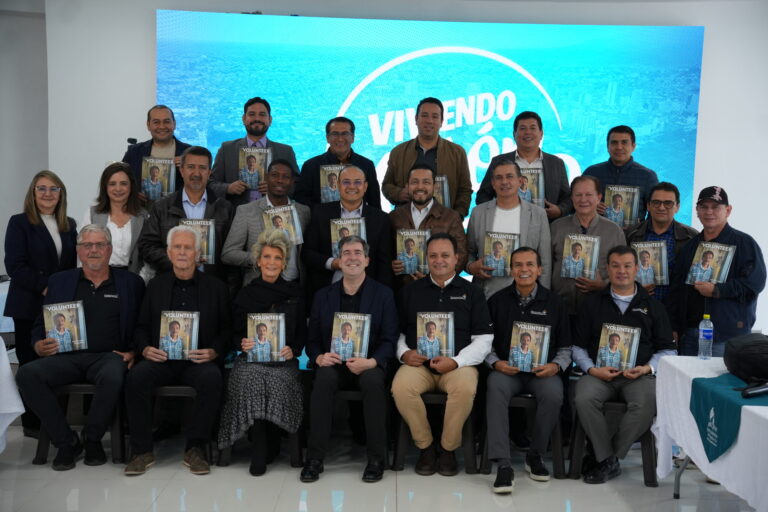
“You are an answer to 20 years of prayers,” acknowledged Henry Beltran, president of the South Colombian Union Conference, in welcoming Maranatha leaders to the church’s regional headquarters in Bogotá, Colombia, August 17. While previous social and political challenges prevented Maranatha from working in Colombia, Maranatha leaders said they were ecstatic about the current prospects in that South American country.
Working Together With Church Leadership
Maranatha, a supporting ministry of the Seventh-day Adventist Church that builds churches and schools and drills water wells across the world, has been consistent during its 57 years of lay-led service in more than 90 countries. The process from prayer to concept to implementation to completion is thorough, and some steps are nonnegotiable, ministry leaders say.
“We never work independently outside of the Adventist Church organization,” Maranatha president Don Noble explains. “Arriving and launching an initiative in a particular place requires the buy-in of the local and regional administration. If the relevant board votes are not taken, we just don’t start.”
It is a sometimes slow and painstaking process, which nevertheless guarantees every church field is in and commits to support the Maranatha-facilitated initiative in a specific territory, the ministry leaders say.
Only Buildings They Can Vouch For
At the same time, Maranatha voted years ago not to complete building projects that another entity had started. “For insurance and credibility issues, we don’t normally finish what others have begun to build,” explains Kenneth Weiss, Maranatha’s general vice president. “Our buildings follow an established blueprint and are usually hurricane-resistant. But we can’t vouch for buildings under different codes or certifications.”
Maranatha leaders believe that this approach is the safest way to go, and that following it has saved them from big headaches throughout its history. “Imagine completing a church building or school with foundations we don’t know anything about,” Weiss says. “If anything bad happens, people will say, ‘It’s Maranatha’s fault,’ even if it’s not. And the ministry reputation would be tarnished.”
Meeting With Church Leaders
As part of the process previous to launching a project in a particular country and place, Maranatha usually starts by meeting with regional church leaders, material suppliers, and sometimes even with government officers. In the case of Colombia, the process started many miles northwest of Bogotá.
“Some months ago we met with the leaders of the Inter-American Division (IAD) of the Adventist Church at its regional headquarters in Miami,” Noble shared, explaining that Colombia is part of that church administrative region. “We met with [IAD] president Abner De los Santos and told him, ‘Tell us what you need and where we could serve.’ ”
After extensive consultations and discussions, they agreed that the ministry would explore ways of landing to work in Colombia for the first time. “So the church and Maranatha agreed on the place before we ever stepped into the country,” Noble said.
Visit and Meetings on the Ground
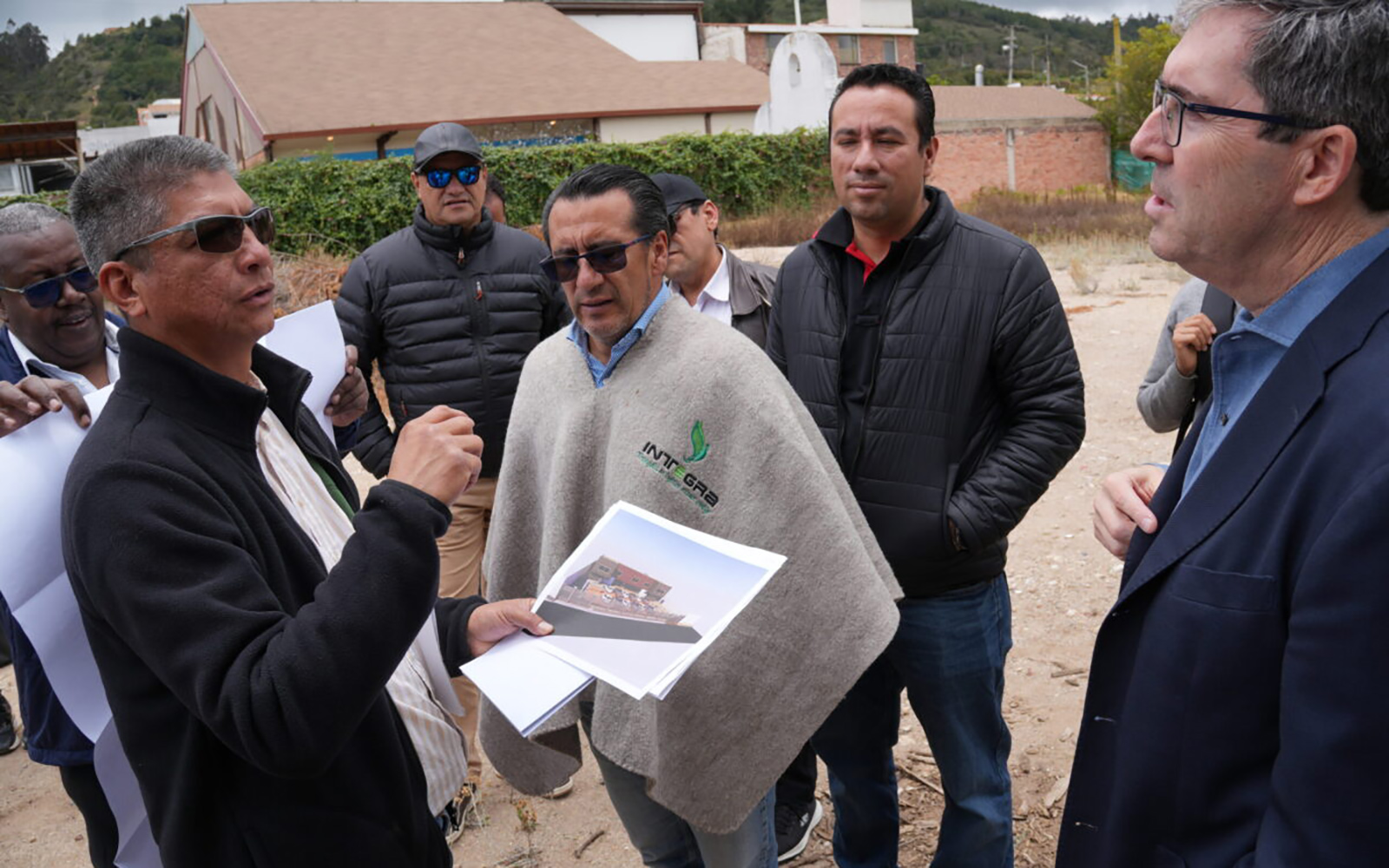
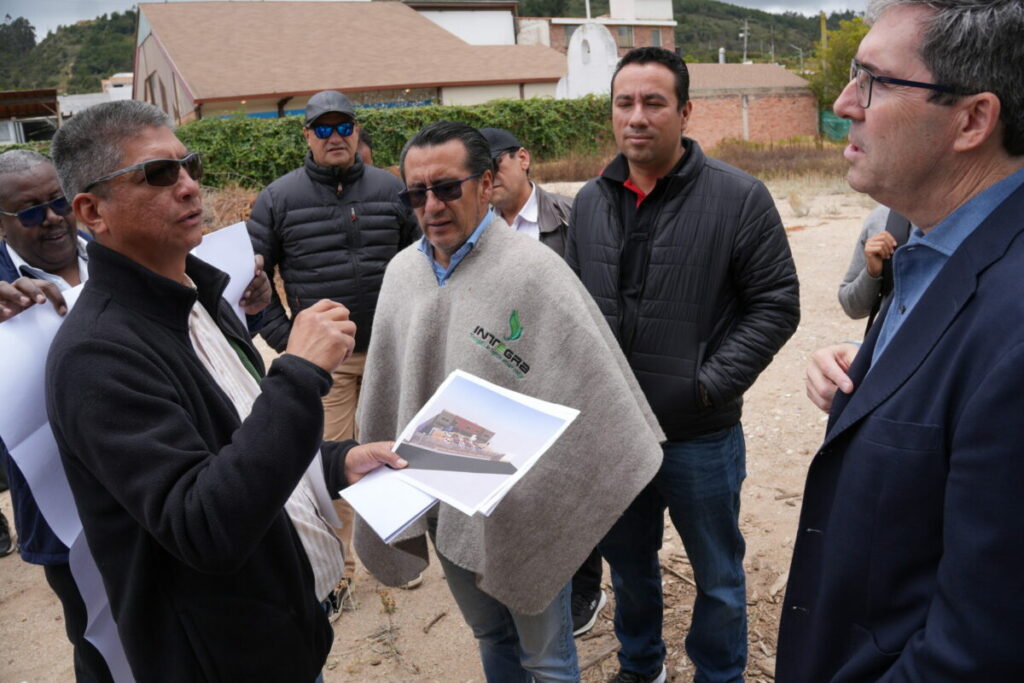
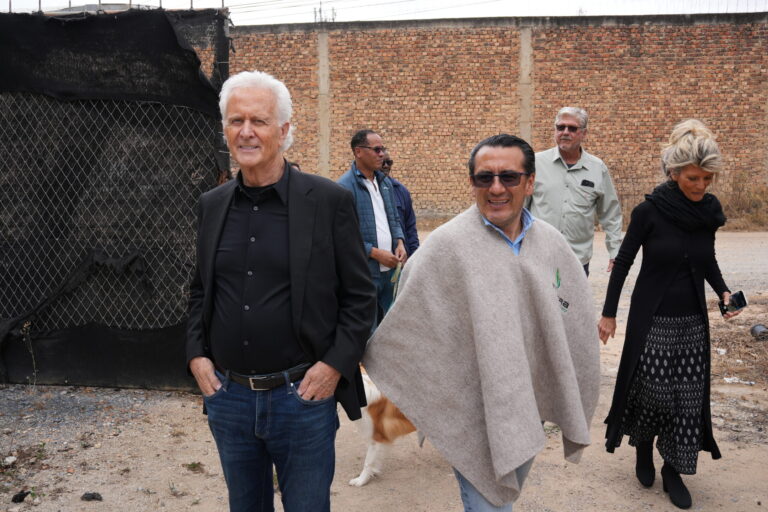
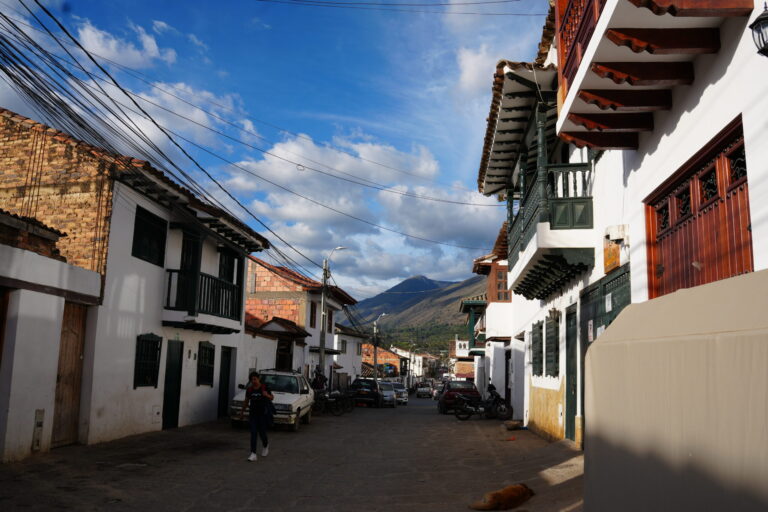
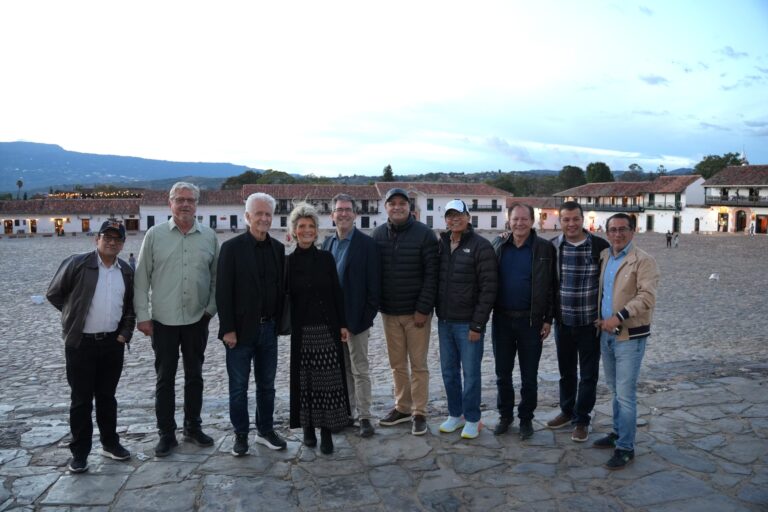
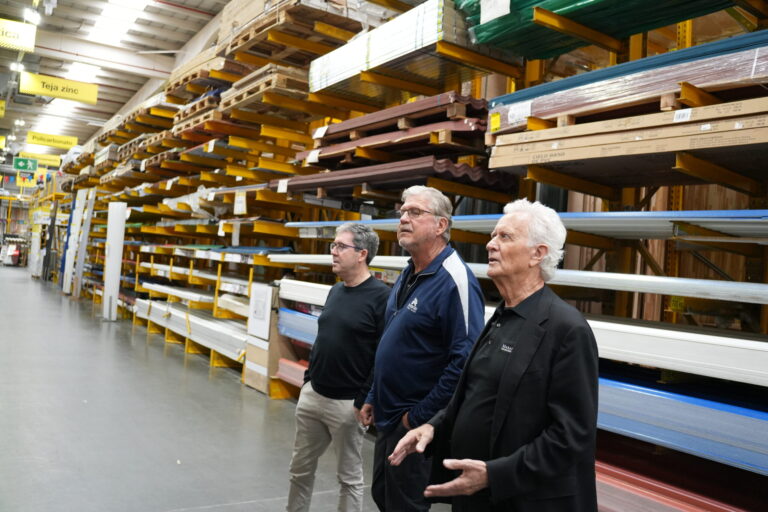
In August, during a four-day visit to the South Colombian Union territory, Maranatha leaders met with regional church leaders and visited some lots on which the territory hopes to build churches or schools with the help of the ministry. They also visited at least one church that needs an urgent upgrade, and discussed prospects and some costs with local suppliers and warehouse storage options.
“Maranatha has various models and blueprints that can be adapted to the local church needs,” Noble explains. “Sometimes local church members need just a sanctuary and some rooms for children. Others want everything to revolve around a school, or sometimes it’s a combination of the two.”
Asking Hard Questions
The process implies asking many questions, even some hard ones: Do you have a budget for this? What is the regional church willing to do to support this project? Have you already purchased a lot? Have you paid it off? What about zoning or other local regulations? Do you already have a permit to build? What is the easiest—and cheapest—way to transport building materials to this site? Which is the closest port or airport to the site? What are our warehouse storage options, and how much would they cost?
Since Maranatha usually takes volunteers from abroad for short stints of construction and outreach support, other questions must also be answered. Is it easy to bring people—or get visas—to this country? Is it expensive to fly here? What are the options? Would there be any potential issues with local officers, work unions, or local law enforcement if we’d start a building project? Do we have places nearby at which volunteers could potentially stay during their time here? What about safety issues or concerns? The list is almost endless.
Expectations and Donor Support
At the same time, there’s usually the issue of expectations, Maranatha leaders concede. “These preliminary and feasibility meetings help to find out what they have in mind, what we can provide, and what we expect from church leaders in case we decide to move forward,” Noble says. “It’s important we find common ground and reach an agreement. We have ample experience working in different contexts, with different realities and logistical challenges. It’s important to set realistic expectations and make sure they understand and accept our model.”
Weiss and Noble also highlighted how the Maranatha funding usually works. The supporting ministry does not receive direct church funds or appropriations, and depends mostly on private donors’ contributions. “Often when we decide to move forward, we are not sure where funds will come from,” Noble explains. “Donors usually tell us: ‘Start to move forward, and we’ll support you.’ But this means we often start before we know for sure when or how, or even if, we’ll ever get the funds we need.”
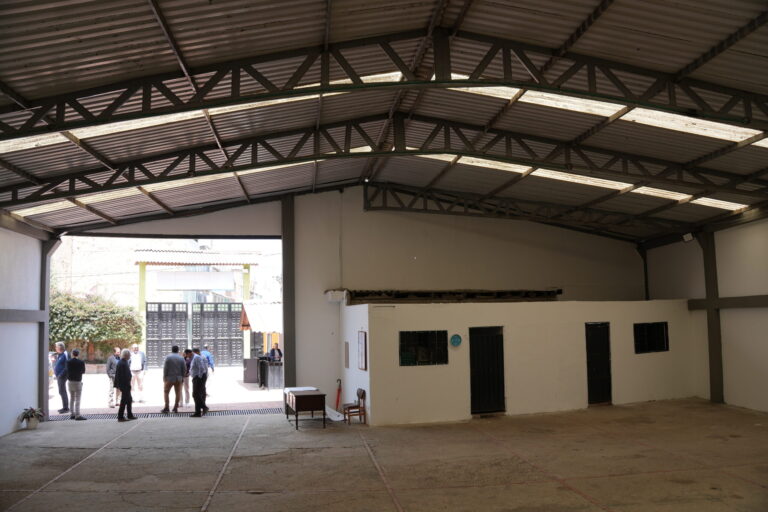
Despite these and other challenges, Noble says he has learned not to worry in advance. “We know that if an idea or project comes from God, the funds needed will appear,” he says. “Throughout Maranatha’s history we’ve been in many situations in which we knew that we depended on God coming through. And He has always come through. He has never let us down. By faith, we know that our work in Colombia will not be the exception.”
Related news
 From the Field
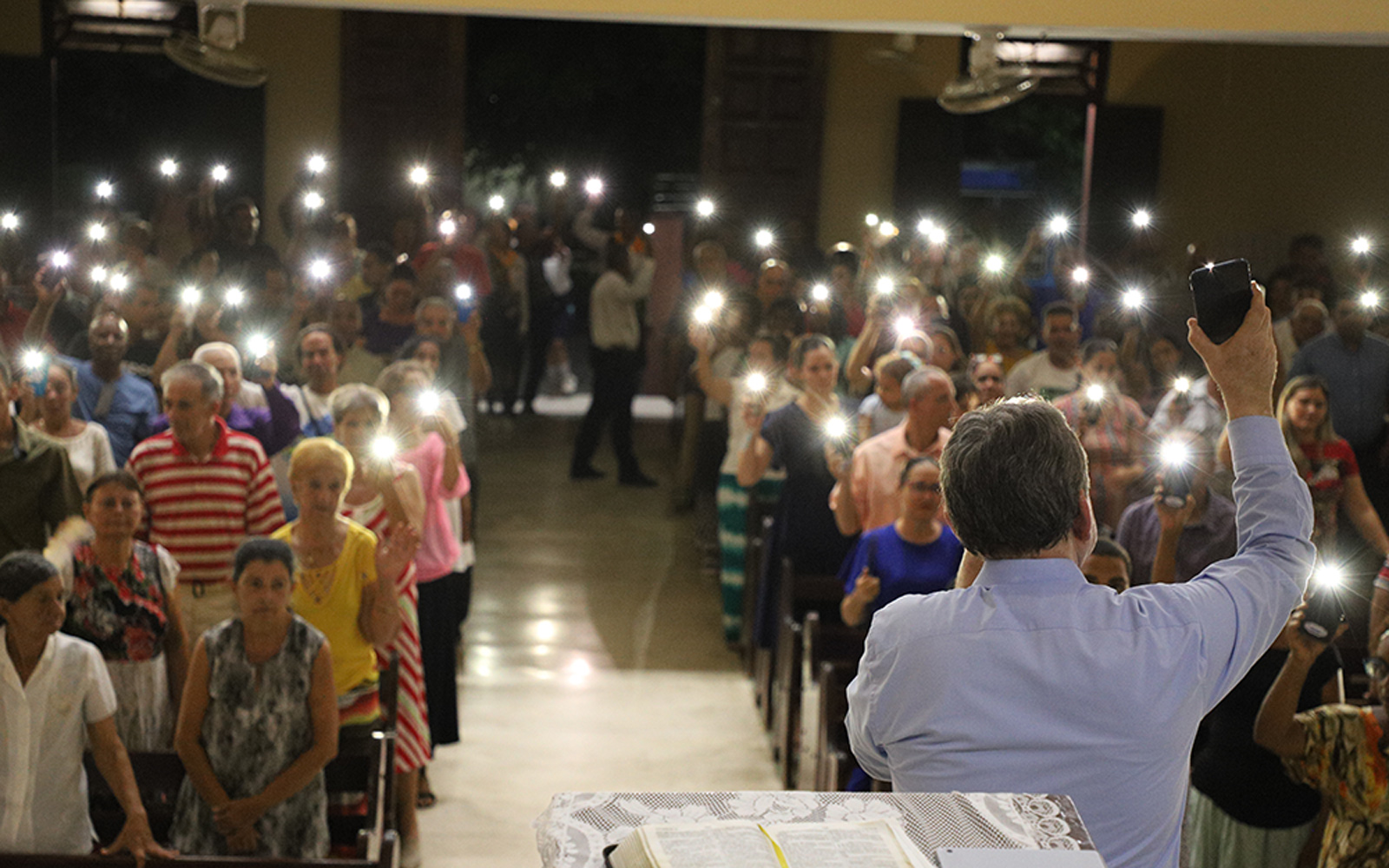
Adventists in Cuba Launch ‘OneVoice27’ During Island-Wide Evangelistic Caravan
Packed churches, 12 newly organized congregations and baptisms mark a renewed emphasis on mission across the island.
From the Field
Adventists in Cuba Launch ‘OneVoice27’ During Island-Wide Evangelistic Caravan
Packed churches, 12 newly organized congregations and baptisms mark a renewed emphasis on mission across the island.
 From the World Church
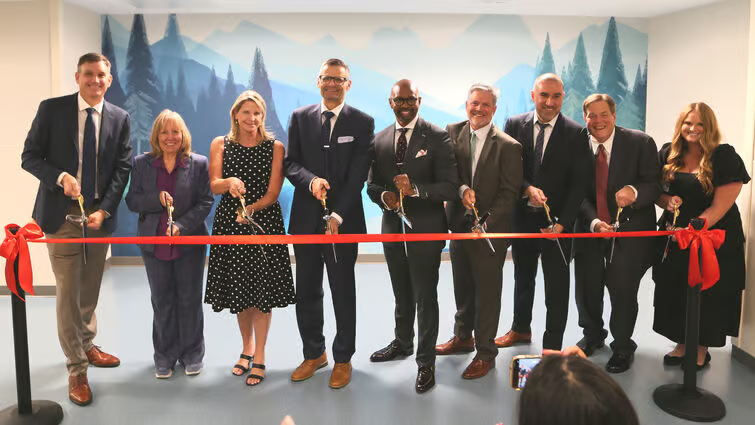
Loma Linda University Hospital opens EmPATH Unit for behavioral health needs
September 28, 2026 | California, United States | Jenny Buchholz Loma Linda University Health (LLUH) held a ribbon-cutting ceremony on September 15 for a…
From the World Church
Loma Linda University Hospital opens EmPATH Unit for behavioral health needs
September 28, 2026 | California, United States | Jenny Buchholz Loma Linda University Health (LLUH) held a ribbon-cutting ceremony on September 15 for a…
 From the World Church
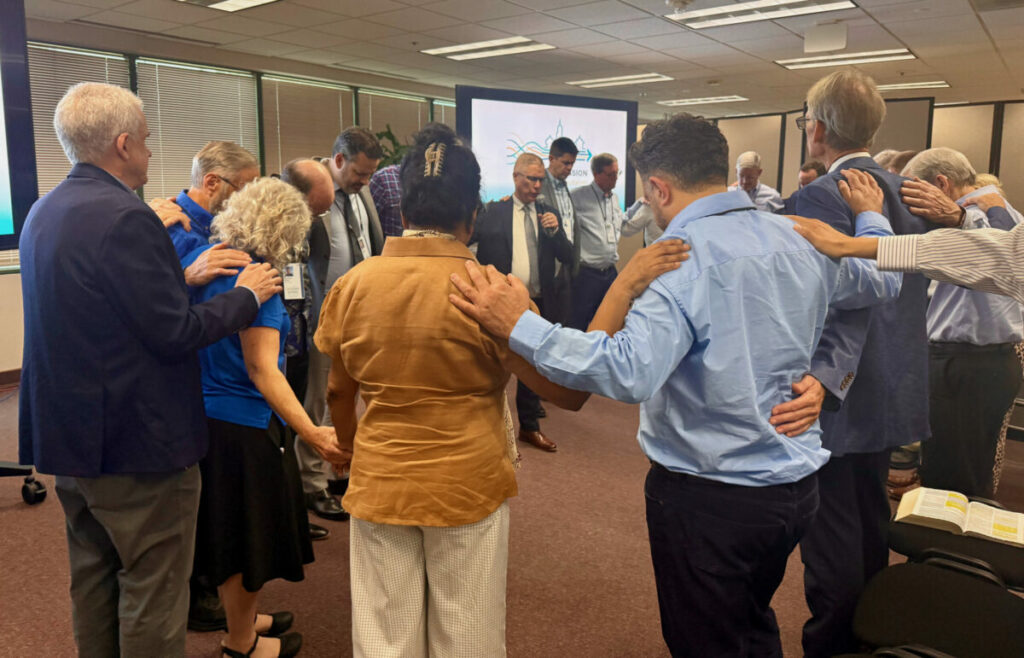
GC and Supporting Ministries Gather for First “Aligned for Mission” Consultation
Three-day meeting focuses on greater cooperation in reaching people groups.
From the World Church
GC and Supporting Ministries Gather for First “Aligned for Mission” Consultation
Three-day meeting focuses on greater cooperation in reaching people groups.