
A Journey to Egypt Confirms a Calling
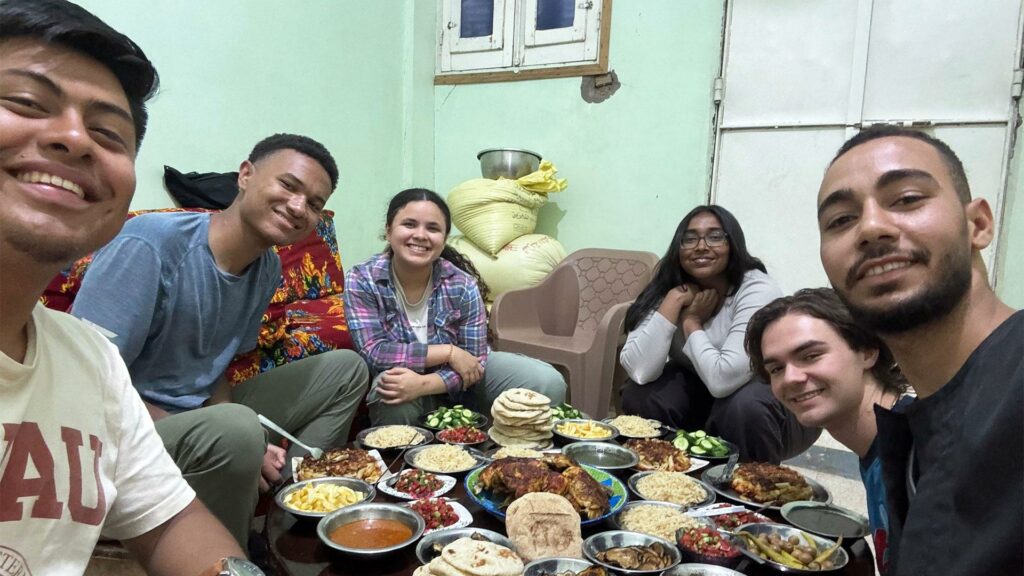
September 28, 2026 | Laura Marrero and Inter-American Division News
Rubén Díaz’s journey to Egypt nearly ended before it began.
At the airport in Austin, Texas, an unexpected issue prevented him from boarding his flight. He had spent nearly 30,000 Mexican pesos on a one-way ticket and had no money left to continue the journey.
Díaz traveled to McAllen, Texas, where a pastor friend offered him a place to stay. While waiting for a response from the airline, he returned to an activity that had already shaped his university experience: literature evangelism.
“When I was about to give up, I told God, ‘Lord, if You want me to go, I need You to provide the means. And if not, then it means You have a better place for me,’” Díaz recalled.
He decided to wait until Sunday before abandoning the trip. Then, on Saturday, unexpected news arrived: A woman who had heard about his situation offered to pay for his flight to Egypt—and his return.
“That was the first miracle and God’s answer,” he said. “I only had the flight there, but God also provided the return.”
The unexpected turn put Díaz back on a journey that had begun years earlier, when he gave up plans to study political science in the United States and enrolled in theology at Montemorelos University (UM).
A Calling Takes Shape
Literature evangelism helped Díaz finance his education, overcome his shyness, and connect with people interested in the Bible. At UM’s School of Theology, those experiences began to point him toward mission service.
A World Mission course exposed him to challenges facing the Adventist Church around the world. While reading Passport to Mission for the class, statements and Bible passages about missionary service caught his attention.
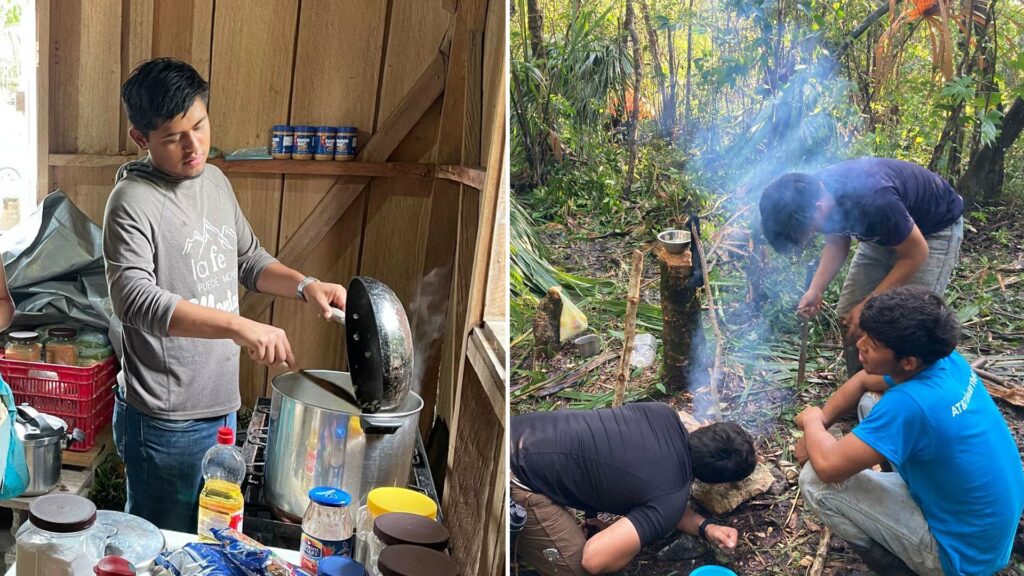
During his third year of theology studies, Díaz spent three months in Belize with the MOVE program, learning to adapt to different cultures, give Bible studies, and use practical skills to connect with communities.
The training combined cross-cultural ministry classes with hands-on exercises. In one, participants navigated by map, divided responsibilities, and built a shelter from available materials for a weekend in the jungle. They also planned and led a 10-day ministry project in a Belizean community.
At the end of the program, participants received a list of opportunities to serve in different parts of the world.
Díaz chose Egypt.
Finding His Place in Egypt
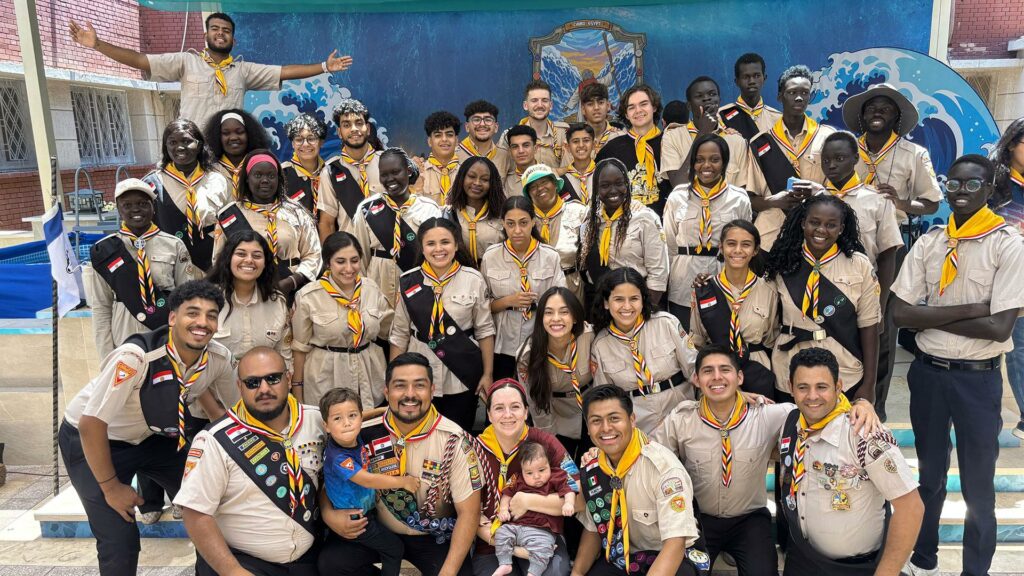
After overcoming the setback that nearly derailed his trip, Díaz arrived at Nile Union Academy, a boarding secondary school outside Cairo. He was traveling alone, knew no one there, and was entering a culture unlike any he had experienced.
“I had so many questions in my mind: What will it be like there? What will the people be like?” he said. “I went with a lot of expectations.”
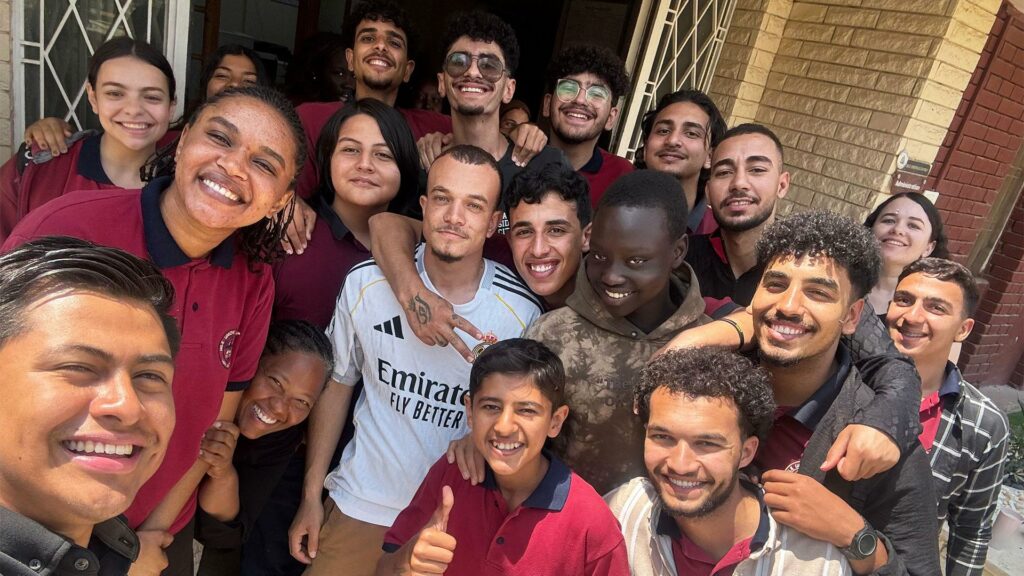
“The people were very joyful, friendly, and affectionate,” he said. “They made me feel very loved.”
Díaz taught Bible and English using Bible stories and passages, led a Pathfinder Club, and later served as an assistant dean in the school dormitories.
Working closely with students helped clarify the ministry that most energized him.
“I realized that teaching the Bible and giving Bible studies is what I enjoy most,” he said. “That is where I confirmed that part of my calling.”
Serving in Egypt also exposed Díaz to the linguistic, cultural, and religious challenges of serving in the 10/40 Window, including places where many people have yet to meet Jesus, a region spanning North Africa, the Middle East, and parts of Asia where Christian presence is limited in many communities.
He learned that sharing faith in such settings requires patience, cultural sensitivity, and genuine relationships.
“The mission field helped me see that our church is bigger than I thought and that it faces many more challenges than I imagined,” Díaz said. “I also understood that we need to pray a lot for these places and be willing to go.”
Some of Díaz’s most important lessons came outside the classroom.
Distance from home, cultural adjustment, and periods of loneliness taught Díaz that those serving across cultures need emotional preparation as much as academic and spiritual training.
“At first, you feel self-sufficient and want to prove that you can handle everything, but I learned that sometimes we have to be vulnerable,” he said. “We are not superheroes.”
The experience also showed him the importance of support from family and friends through prayer and regular communication.
Now back at Montemorelos University for his final year of theology studies, Díaz can trace a path he never imagined when he gave up plans to study political science in the United States.
Literature evangelism connected him with people searching for biblical answers. His studies at Montemorelos pointed him toward cross-cultural ministry. Belize prepared him for serving across cultures. Egypt confirmed his passion for teaching the Bible.
But Díaz returned understanding that serving others is not defined by geography.
“After all those experiences, I came to the conclusion that there will be a need wherever you go, whether in Mexico, the United States, Belize, or Egypt.”
Lisandra Vicente and Brenda Cerón contributed to this report.
The original version of this story was posted on the Montemorelos University news site.
Related news
 From the World Church
Northern-Asia Pacific Division President Tenders Resignation
Kang Soongi's resignation received by Erton Köhler, General Conference president.
From the World Church
Northern-Asia Pacific Division President Tenders Resignation
Kang Soongi's resignation received by Erton Köhler, General Conference president.
 From the Field
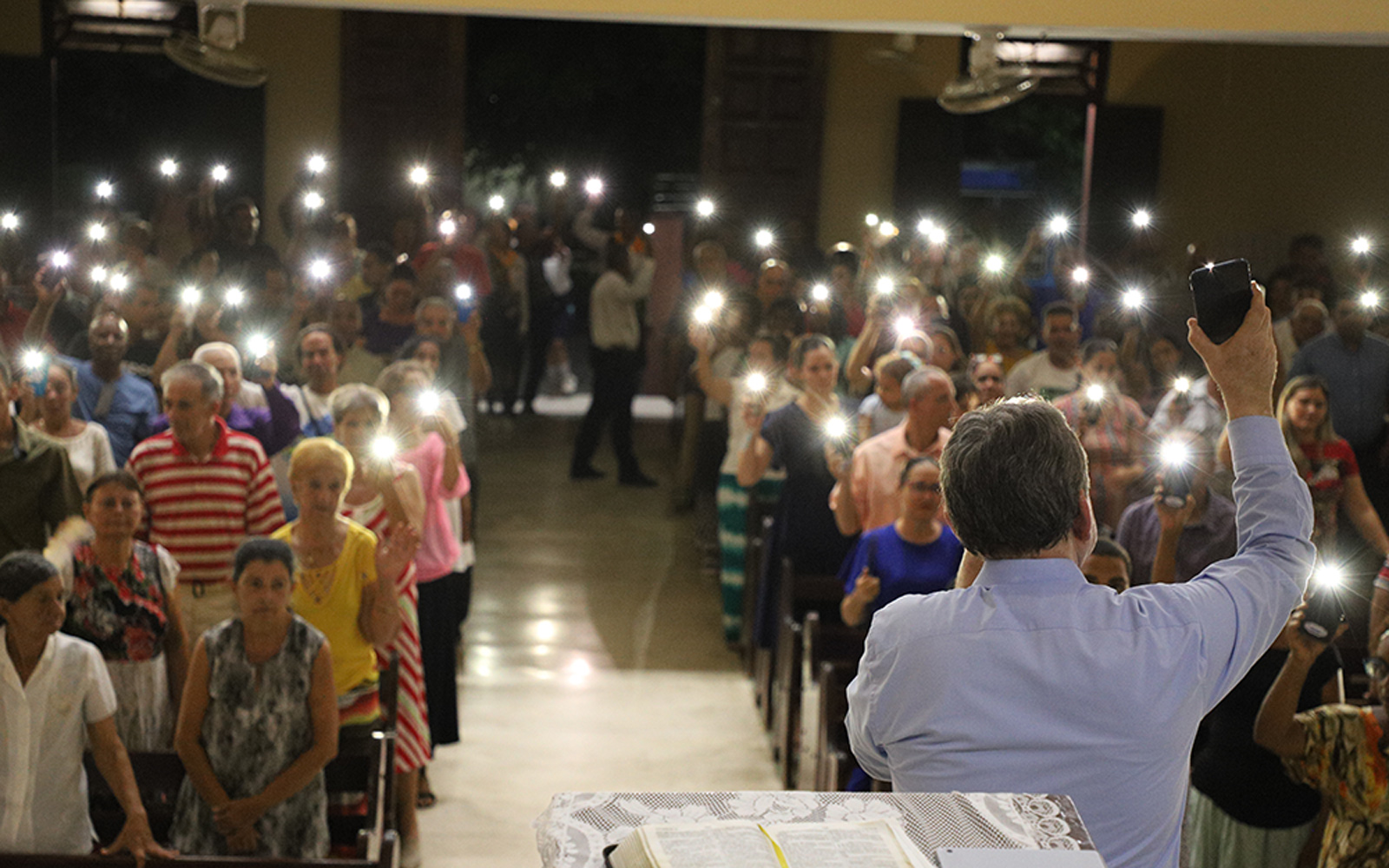
Adventists in Cuba Launch ‘OneVoice27’ During Island-Wide Evangelistic Caravan
Packed churches, 12 newly organized congregations and baptisms mark a renewed emphasis on mission across the island.
From the Field
Adventists in Cuba Launch ‘OneVoice27’ During Island-Wide Evangelistic Caravan
Packed churches, 12 newly organized congregations and baptisms mark a renewed emphasis on mission across the island.
 From the World Church
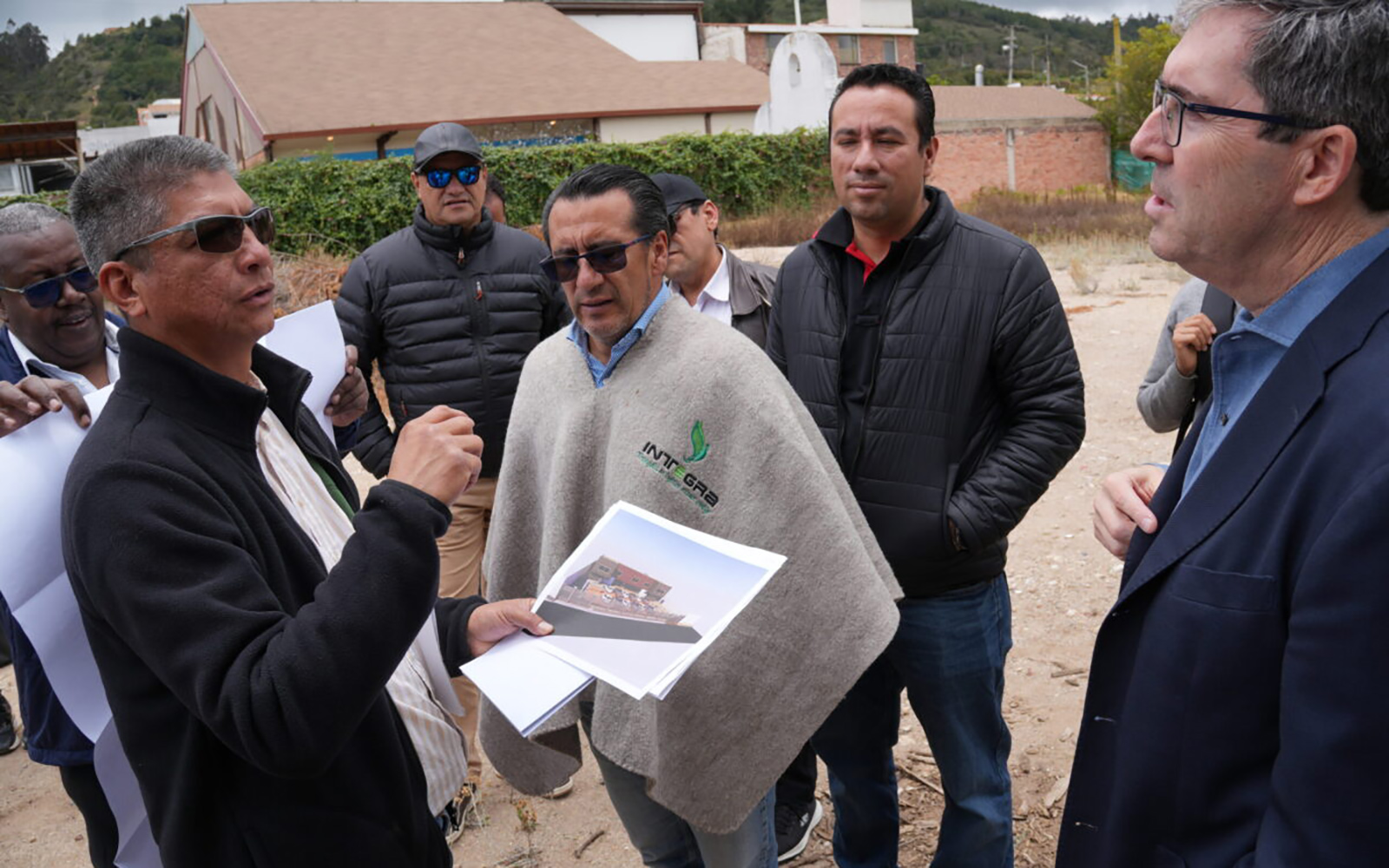
20 Years of Prayer Trigger Exciting Church and School Building Prospects
In Colombia, regional church leaders plan for growth with the support of Maranatha.
From the World Church
20 Years of Prayer Trigger Exciting Church and School Building Prospects
In Colombia, regional church leaders plan for growth with the support of Maranatha.