
‘Mission Refocus’ Stories Challenge Adventist Leaders to go Where the Need Is Greatest
Libna Stevens for Adventist News Network
Seventh-day Adventist leaders on the second day of Annual Council set aside votes, reports and other agenda items Friday evening, October 9, for worship and reflection on what it means to answer God’s call to mission.
Seventh-day Adventist leaders on the second day of Annual Council set aside votes, reports and other agenda items Friday evening, October 9, for worship and reflection on what it means to answer God’s call to mission.
More than 440 church leaders from around the world, gathered at the General Conference (GC) headquarters in Silver Spring, Maryland, heard firsthand accounts of faith, sacrifice and service from missionaries serving in communities where sharing the gospel often begins with building trust, forming friendships and finding new ways to connect with people.
Their experiences, woven throughout the evening with music, Scripture readings and interactive moments, offered a glimpse into Mission Refocus, the church’s effort to send more missionaries and resources to places where the Adventist presence is limited or nonexistent. The initiative emphasizes the 10/40 Window, major urban areas, and secular and post-Christian societies.
The testimonies also reflected this year’s Annual Council theme, “Called for Mission,” through the experiences of missionaries serving across cultures and far from familiar surroundings.
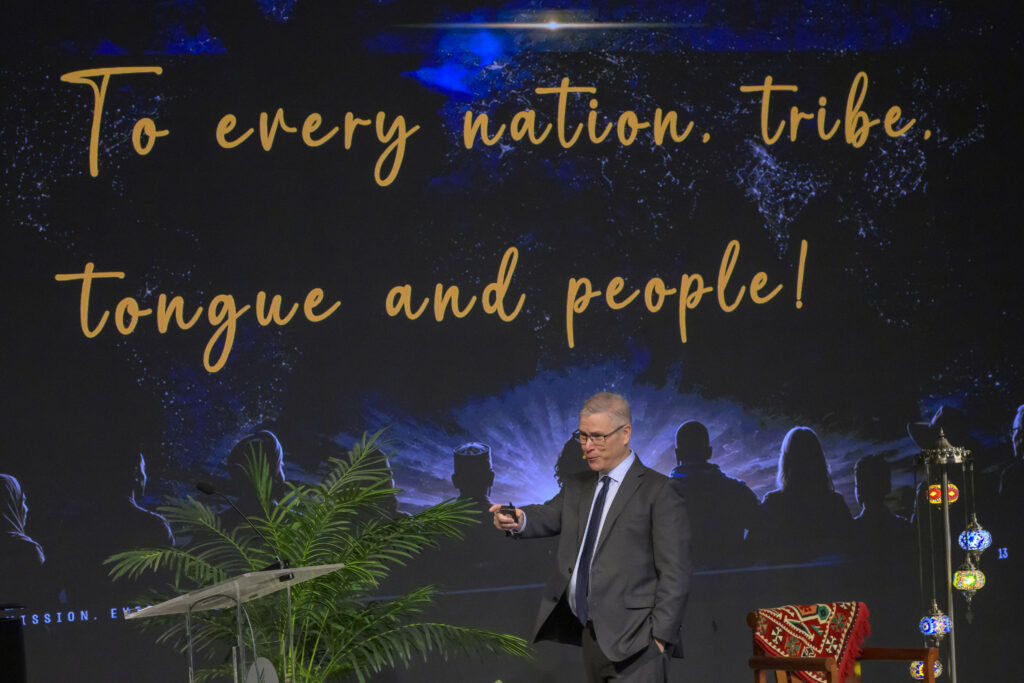
“Tonight is a special program centered on the stories and lives of those who have been sent through Mission Refocus,” said Rick McEdward, executive secretary of the General Conference, as he welcomed leaders.
A Mission That Changed Her
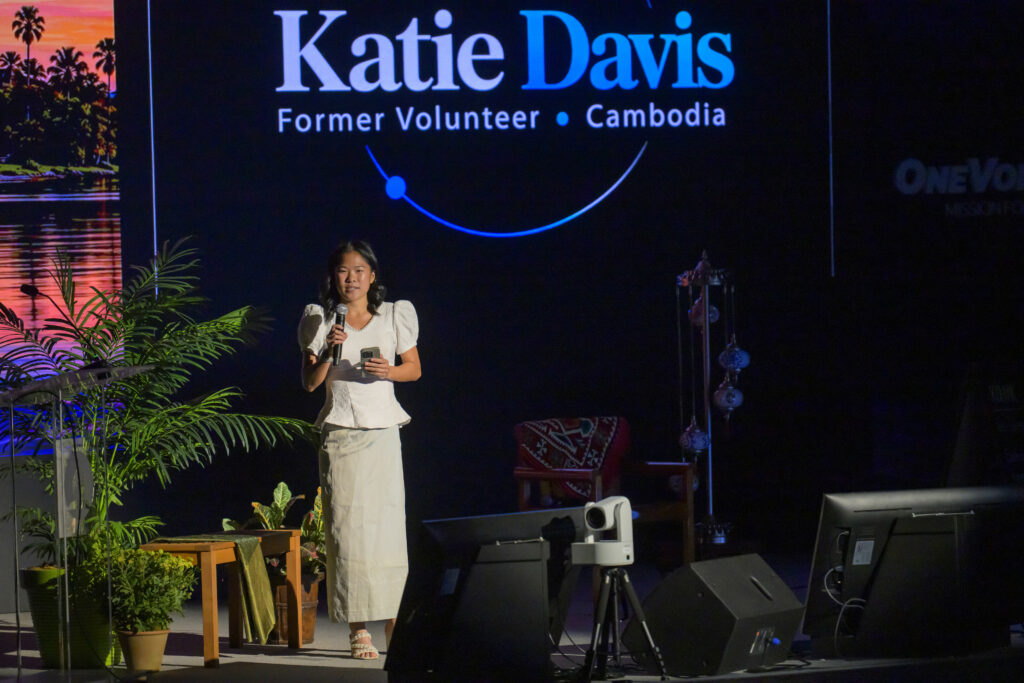
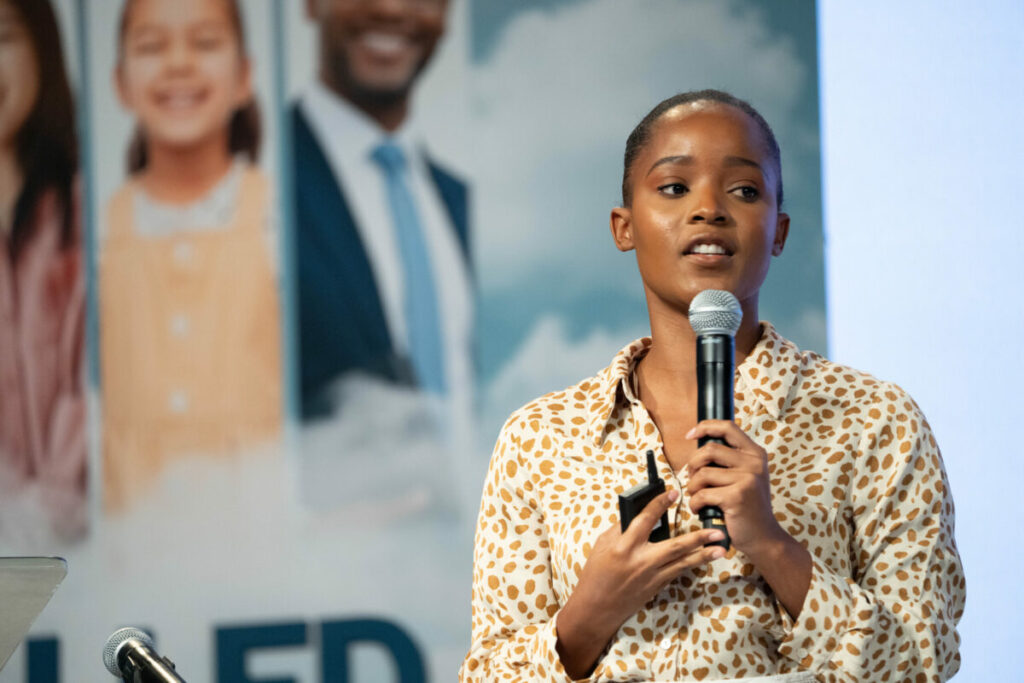
Among the missionaries featured was Katie Davis, who spent nine months as a student missionary in Cambodia, through the Andrews University student mission program.
Davis served at an Adventist center of influence where language and music classes, a vegetarian restaurant and other activities are designed to build relationships within the community. She said she quickly discovered that sharing her faith in Cambodia required a different approach.
“My mission changed to be representing Jesus through my actions, my words, and my daily behavior, and completely relying on the Holy Spirit every single day,” Davis said.
During her nine months there, Davis said she used her social work training to conduct mental health workshops in villages, helped children develop social-emotional skills, formed friendships that led to Bible studies, and helped a Cambodian teenager prepare for studies abroad.
But Davis told leaders that one of the greatest transformations took place in her own life.
“My mission experience wasn’t about what I wanted to give to my people, but it was the very tool that God used to disciple me, to break my assumptions, and to build my faith,” she said.
Now pursuing a master’s degree in community and international development, Davis challenged church leaders to give young people opportunities to serve now.
“When you give us, young people, the trust, the opportunity, and the space to go serve, whether that’s across the world in Cambodia or right here locally in our communities, God does incredible things in our hearts.”
Building Relationships in a Post-Christian Community
For one missionary family serving in a highly secular, post-Christian setting, church planting has centered on building friendships and trust. By creating opportunities for meaningful connections, they have opened the way for people who might not initially connect with a traditional church to explore questions about life and faith.
Those connections have gradually opened the way for deeper spiritual conversations. One participant who identified as an atheist began studying the Bible and attending Sabbath worship, while another who had described himself as agnostic expressed a desire to give God another chance.
A Bible study group has since taken shape and is being developed as the foundation for a new congregation and a model for reaching other post-Christian communities.
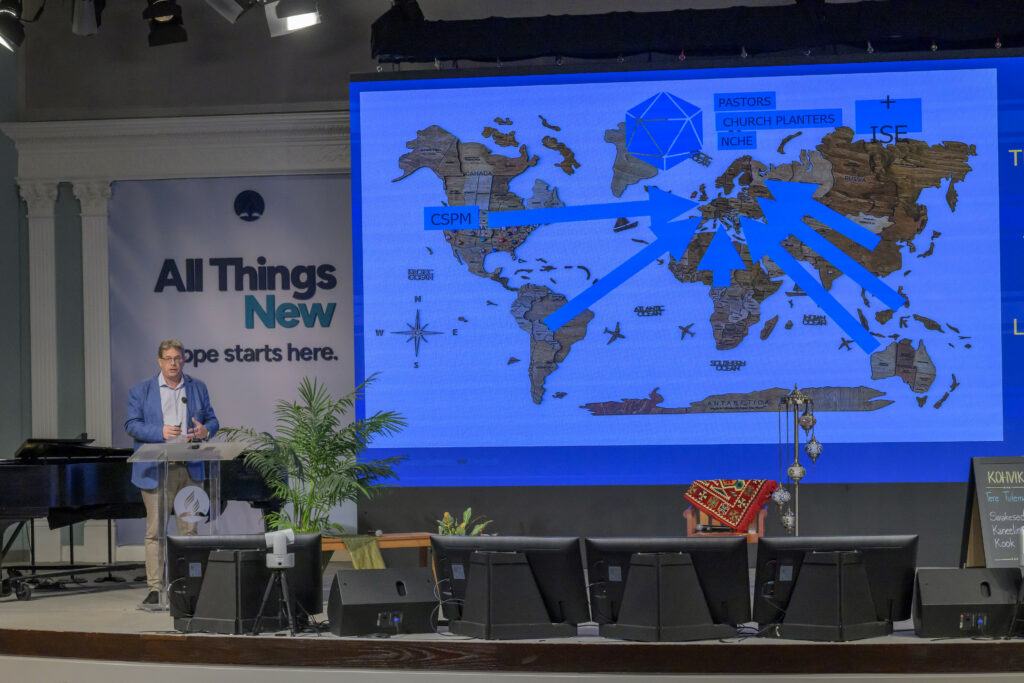
That experience reflects a broader challenge across the Trans-European Division (TED). Robert Csizmadia, the division’s executive secretary, pointed to its largest mission field, home to some 65 million people and nearly one-third of the division’s population, where there is roughly one Adventist for every 82,000 non-Adventists.
In a region increasingly shaped by secular and post-Christian cultures, Csizmadia said reaching people requires new approaches to mission, describing TED as a “mission lab” for finding new ways to connect with those communities.
“We want to be partners in mission,” he said. “We would like to accept you into our mission field. And we would like to support you in your mission field.”
An Alarm Clock for Mission
Throughout the evening, the sound and image of an alarm clock reinforced a sense of urgency.
Bible passages including Romans 13:11-12, John 9:4, Luke 10:2, Matthew 25:13 and Matthew 28:19-20 were used to point leaders toward the urgency of reaching people who have yet to hear the gospel.
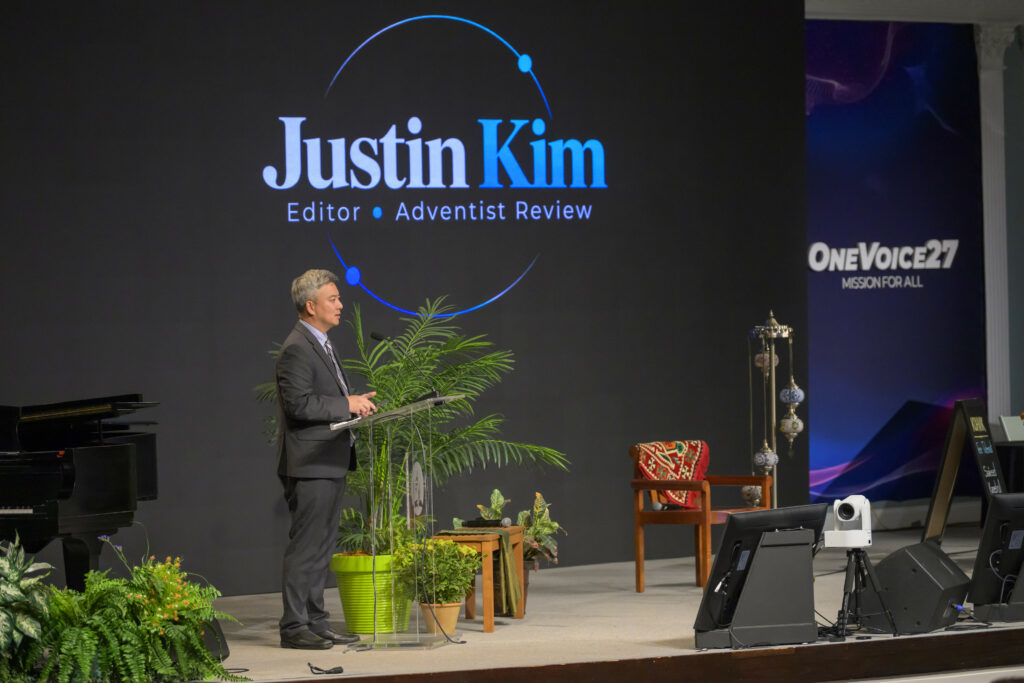
“These Bible verses are meant to be alarm clocks to awaken us in mission,” said Justin Kim, editor of Adventist Review.
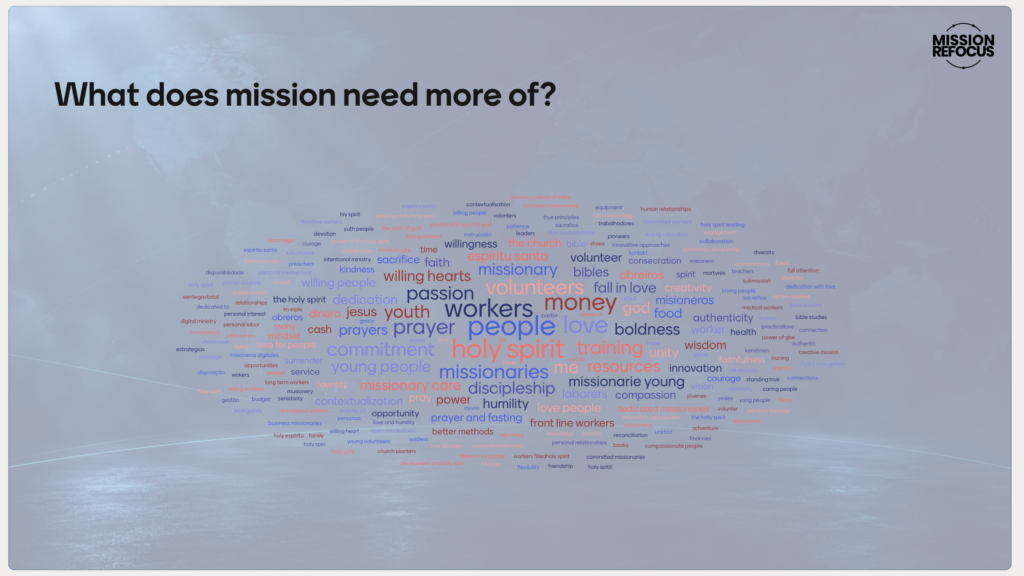
Kim then turned that reflection toward the audience, inviting leaders to use their phones for an interactive word cloud. They responded to questions about where they had served, where mission workers are most needed and what mission needs most. Countries and regions from around the world appeared on the screen, while “workers,” “Holy Spirit,” “love” and “prayer” emerged among the needs identified for mission.
Kim also challenged leaders to consider what they were willing to surrender for mission, calling them to “reconsecrate” and “recalibrate” their lives with a greater burden for other cultures, countries and peoples.
Crossing the Barriers
McEdward returned to that urgency in his closing appeal, tracing the biblical call to take God’s blessings to the nations and challenging leaders not to allow geographic, ethnic, linguistic or religious barriers to limit the church’s mission.
“God’s people are called to cross barriers for the gospel,” he said. “It’s not for adventure that we go. It’s not for some kind of extra stamp on our passport that we go.”
He also pointed to the relationship between Mission Refocus and OneVoice27, the church’s worldwide digital evangelism initiative. Digital tools can carry the gospel into new places, he said, but the church also needs people on the ground who can build relationships with those reached through technology.
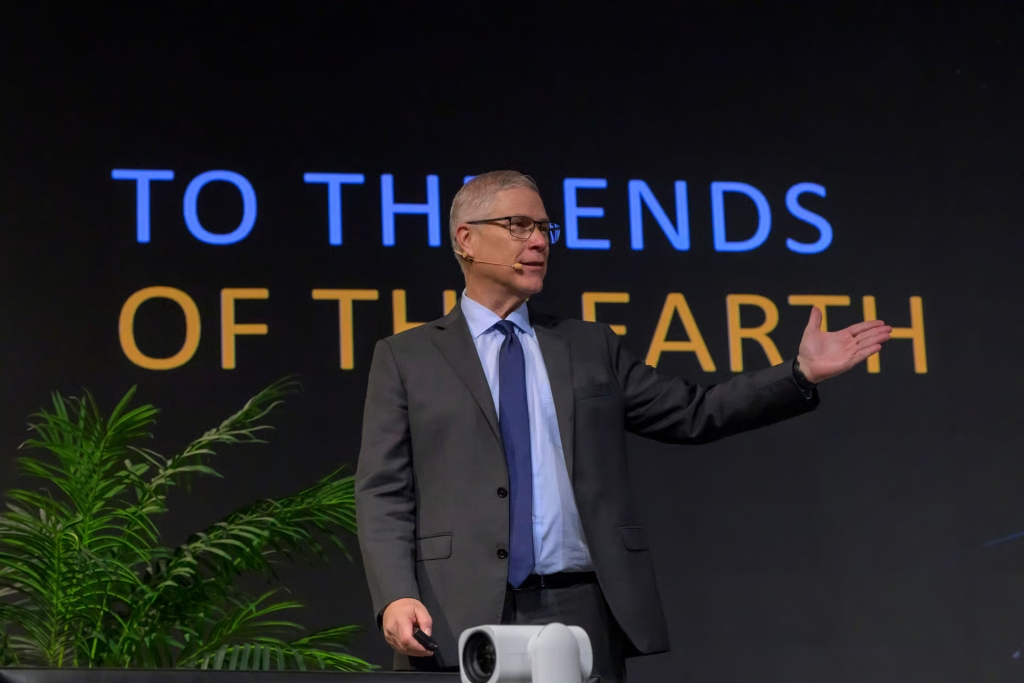
The connection reflected the church’s broader emphasis on being “Integrated for Mission,” bringing missionaries, members, leaders and initiatives together in a shared effort to reach people beyond the church’s current presence.
McEdward challenged leaders to ensure that OneVoice27 extends to languages and populations where the Adventist Church has little or no representation.
“Make sure we’re doing something for the groups, ethnic groups, and languages which we have no representation in the church,” he said.
Pointing to missionaries who had left familiar surroundings and, in some cases, significant security to serve elsewhere, McEdward stressed the need for more workers.
“Can we have more? Can we send more like them?” he asked. “Can we see this world have more shining lights like them?”
But he emphasized that the responsibility extends beyond those who are sent. Drawing from God’s call to Abraham to bless the nations, McEdward reminded leaders of their own place in that mission: “You also are part of the solution to bring God’s blessings to the nations
The evening closed with a prayer by General Conference President Erton Köhler, who thanked missionaries for their service and called leaders to renewed commitment. “Keep the mission alive through us,” he prayed. “Help us to be always focused on the mission in everything we do to prepare this world for the second coming of Jesus.”
Related news
 From the World Church
Influencer Calls Adventist Leaders to Make the Right Decisions for This Time
Digital missionary explains how to connect the message to a method to make disciples.
From the World Church
Influencer Calls Adventist Leaders to Make the Right Decisions for This Time
Digital missionary explains how to connect the message to a method to make disciples.
 From the World Church
Business continues at the 2026 Annual Council
Hope Channel and food factory reports, and OneVoice27 updates.
From the World Church
Business continues at the 2026 Annual Council
Hope Channel and food factory reports, and OneVoice27 updates.
 From the World Church
Color, calling and commitment open the 2026 Annual Council
General Conference President Erton Köhler welcomes attendees and prays Annual Council will bless them and the Church.
From the World Church
Color, calling and commitment open the 2026 Annual Council
General Conference President Erton Köhler welcomes attendees and prays Annual Council will bless them and the Church.