
Hope Channel Inter-America Transitions To A Fully Digital Network

The move from satellite broadcasting strengthens outreach through online and on-demand platforms.
July 16, 2026 | Miami, Florida, United States | Libna Stevens, Inter-American Division News
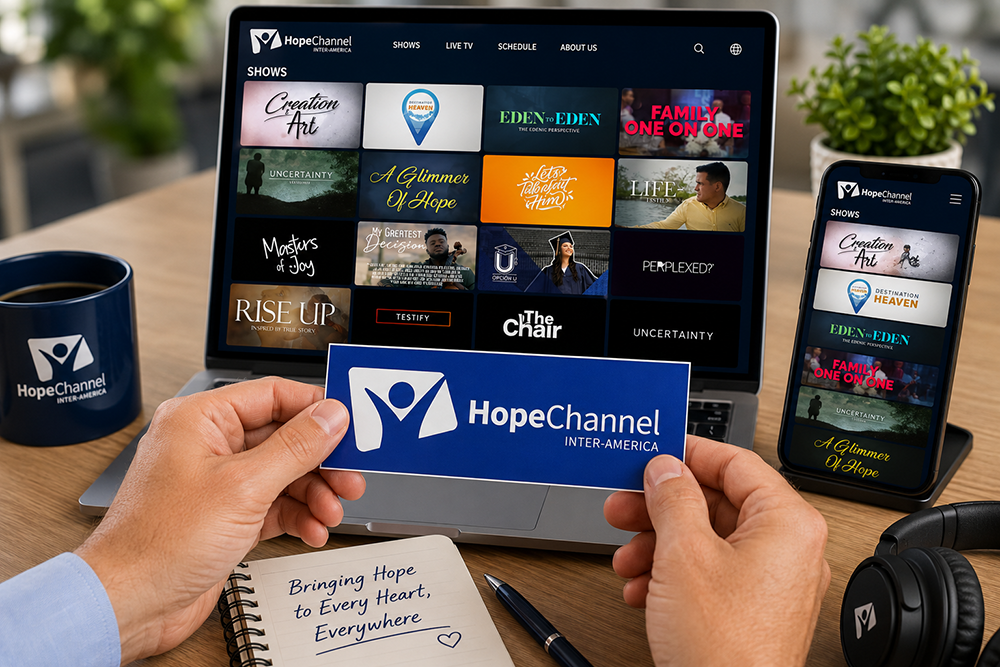
After nearly two decades of satellite broadcasting, Hope Channel Inter-America (HCIA) has completed its transition from satellite distribution to an IP-based distribution network, a move church leaders say will strengthen the network’s ability to deliver content across digital platforms while using resources more efficiently.
Today, HCIA officially ended satellite transmission after relying on satellite distribution since its launch in 2016, following years of satellite-based Adventist television broadcasting in the Inter-American Division. The network’s programming continues uninterrupted through its online streaming platform, mobile applications, and digital media services.
“For many years satellite technology allowed us to reliably reach viewers throughout the Inter-American Division,” said Márquez. “Today, distribution technology has evolved. Internet-based platforms provide greater flexibility and scalability, integrate with digital applications and services, and do so at a significantly lower cost.”
Márquez emphasized that the change marks the close of one chapter rather than the reduction of the ministry.
More Than a Television Network
“Satellite was the best technology available when Hope Channel Inter-America was established,” he said. “Today we are embracing new methods of distribution that allow us to connect more effectively with our audiences.”
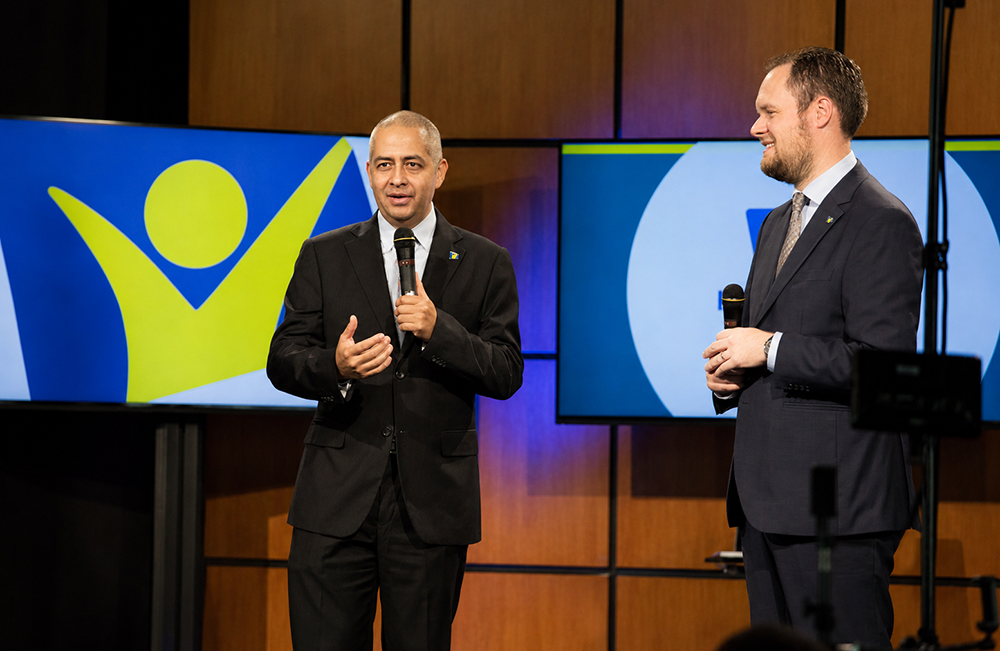
“Hope Channel Inter-America is no longer functioning simply as a television channel,” Márquez explained. “We are becoming a stronger digital media network.”
The shift includes strengthening audience engagement through a new organizational structure, including the appointment of a director of engagement, expanding digital innovation, and adopting a broader administrative model that views the territory’s media ministries as an integrated ecosystem rather than individual television centers, Márquez added.
Instead of focusing solely on affiliated media centers across the territory, the network is working to connect communication ministries across unions, institutions, and local media initiatives throughout the Inter-American Division, allowing them to share resources, collaborate on productions, and maximize their collective reach.

The move builds on nearly a decade of growth. Officially launched on Sept. 15, 2016, Hope Channel Inter-America introduced three 24-hour channels—English, Spanish, and French—to serve the Division’s multilingual territory through satellite, online streaming, and Roku.
Since its launch, Hope Channel Inter-America has grown into one of the Adventist Church’s most collaborative regional media networks, connecting 21 media centers and expanding from more than 60 original on-demand programs in 2022 to 98 today in English, Spanish, and French.
Church leaders said the latest transition continues that evolution by investing where audiences increasingly consume content.
“Mission requires adaptability,” Márquez said. “As technology and viewing habits change, we believe the Church must adapt in order to continue sharing hope effectively.”

For more information or to watch programming, visit Hope Channel Inter-America
Related news
 From the World Church
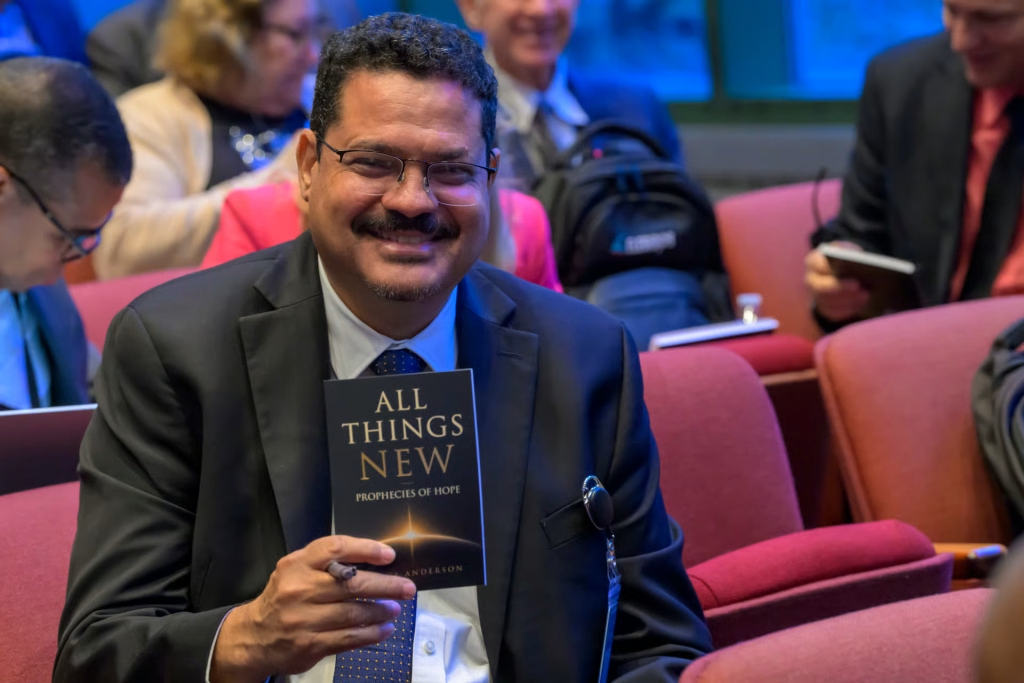
General Conference announces 2027 Missionary Book of the Year
'All Things New: Prophecies of Hope' combines Daniel and Revelation into an easily understandable study of prophecy.
From the World Church
General Conference announces 2027 Missionary Book of the Year
'All Things New: Prophecies of Hope' combines Daniel and Revelation into an easily understandable study of prophecy.
 From the Headquarters
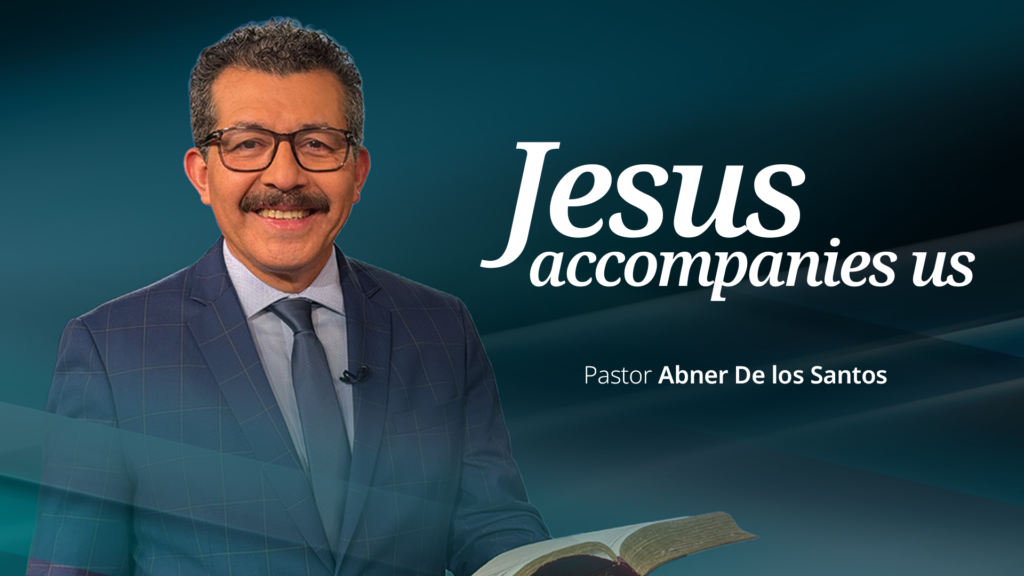
Jesus Accompanies Us
The following message is addressed to the Seventh-day Adventist Church in Inter-America by Abner De los Santos, president of the Inter-American Division. — IAD…
From the Headquarters
Jesus Accompanies Us
The following message is addressed to the Seventh-day Adventist Church in Inter-America by Abner De los Santos, president of the Inter-American Division. — IAD…
 From the World Church
Adventist Church Marks 100 Years of Working Policy
Annual Council celebration traces a century of policy and its role in supporting the church’s global mission.
From the World Church
Adventist Church Marks 100 Years of Working Policy
Annual Council celebration traces a century of policy and its role in supporting the church’s global mission.