
Adventist Psychologist Helps Earthquake Survivors Cope With Loss in Venezuela
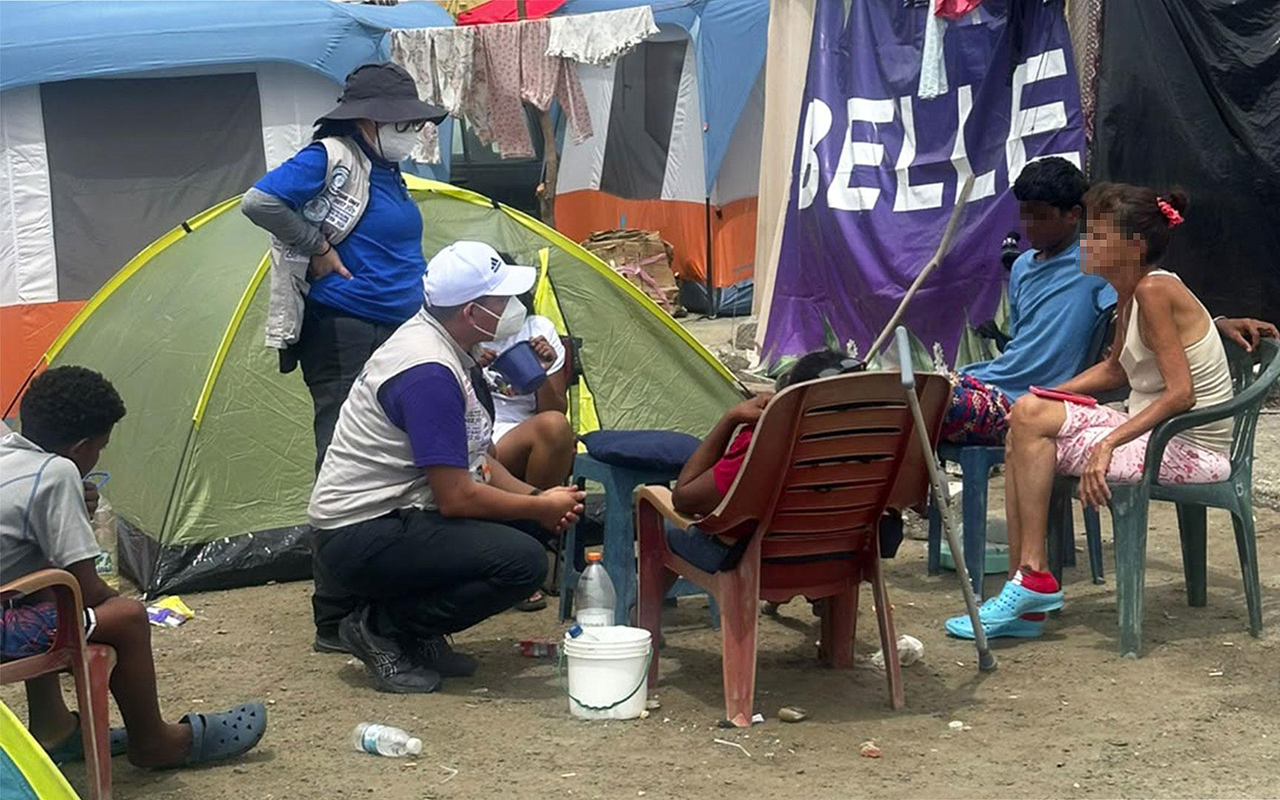
Montemorelos University professor provides psychological first aid to grieving families and emergency responders in hard-hit La Guaira.
August 30, 2026 | Montemorelos, Nuevo León, Mexico | Laura Marrero and Libna Stevens, Inter-American Division News
“Ah, Mexican. Mexico lost!” a survivor told Moisés Manzano as the two watched a World Cup match.
The man was coping with a painful loss following the earthquakes that struck Venezuela on June 24. Rather than redirecting the conversation toward the tragedy, Manzano, a psychologist trained in psychological first aid, simply talked with him about soccer.
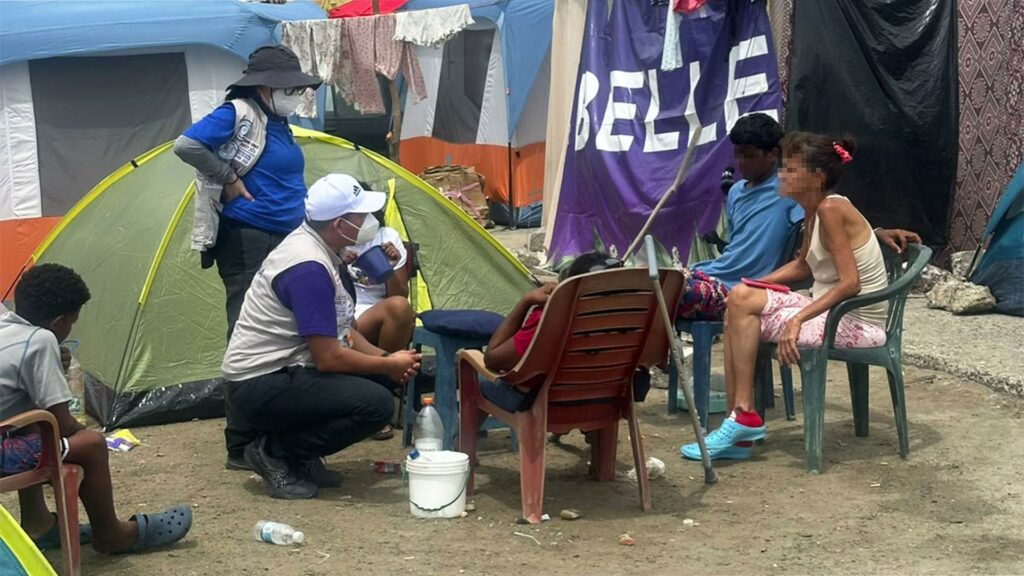
The encounter illustrated for Manzano, a professor at Montemorelos University in Mexico, an important part of psychological support after a disaster: sometimes helping begins by listening, being present, and allowing someone a moment of normalcy.
That moment was one of many during Manzano’s work in hard-hit La Guaira, where he provided psychological first aid from June 30 to July 8 as part of his first international mission with CADENA, a humanitarian emergency response organization. Two powerful earthquakes had struck the region less than a minute apart on June 24.
Assessing Needs on the Ground
During the first days of the response, Manzano and the CADENA team visited formal and informal shelters, traveled through affected communities, and met with humanitarian organizations to determine where assistance was most needed.
Manzano focused on identifying emotional needs and providing psychological first aid to survivors and their families, as well as rescuers, paramedics, volunteers, and other emergency personnel.
“Mental health is a fundamental component in these situations,” he said.
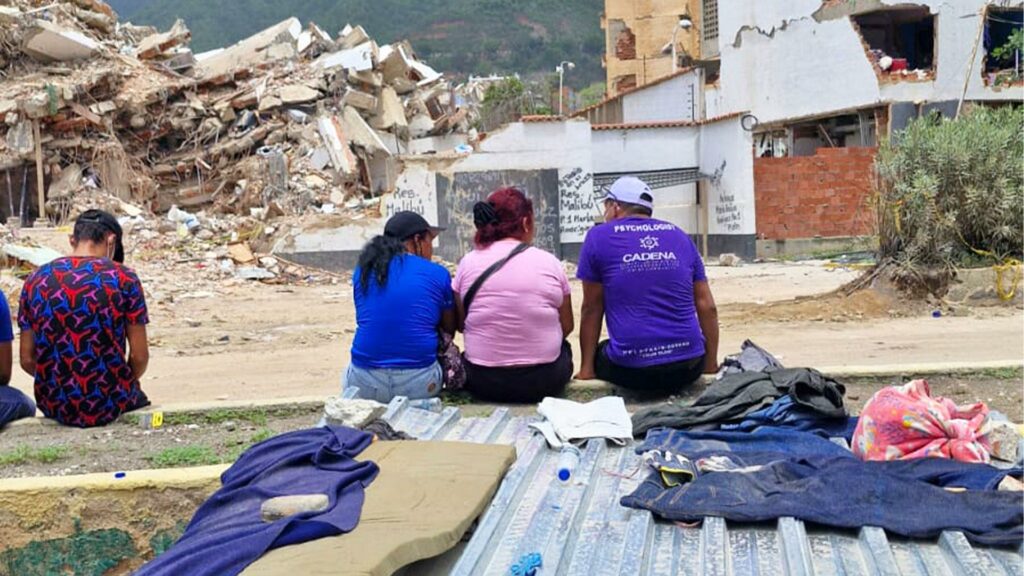
Among the most difficult moments were accompanying relatives who went to the morgue to identify loved ones and families who remained near collapsed buildings waiting for news—or for bodies to be recovered so they could begin grieving.
Listening Before Asking
Psychological first aid requires careful listening while avoiding the revictimization of survivors, Manzano explained. Responders allowed people to decide when and how much they wanted to share, while also addressing immediate needs.
Some survivors had gone several days without being able to bathe, making even a small hygiene kit a meaningful form of assistance.
“Psychological first aid begins with active listening,” Manzano said. “We respect each person’s moment and wait until they decide whether they want to talk about their experience.”
The team also provided psychosocial support, particularly for children. CADENA is developing material designed to strengthen resilience among children affected by disasters, recognizing that emotional recovery can continue long after rescue operations end.
Families waiting near collapsed buildings also faced difficult decisions. Manzano encountered relatives who disagreed over whether heavy machinery should be used to accelerate search efforts, balancing the possibility of finding survivors against the risks involved.
For Manzano, those situations underscored the importance of providing support as families confronted extraordinary uncertainty.
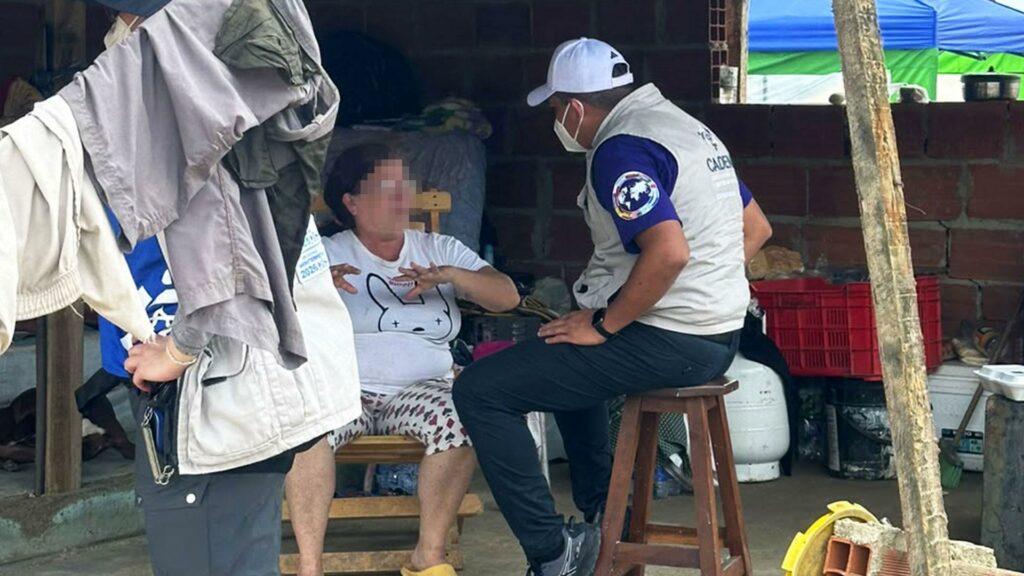
Manzano began working with CADENA in 2021 during an emergency response in Puebla, Mexico. After that deployment, he was invited to join the organization’s psychology team and has since received continuing training in psychological first aid and emergency response.
His experience includes responses following Hurricane Otis, flooding in Puebla, and the mining emergency in Coahuila, as well as humanitarian interventions elsewhere in Mexico.
The Venezuela deployment marked reinforced his conviction that emotional care is an essential part of disaster response.
Faith Amid Crisis
Manzano said his Christian faith shaped how he approached people experiencing profound loss.
“My faith gave meaning to every action,” he said. “It reminded me that every person has value and deserves to be treated with dignity, respect, and compassion.”
While he was in Venezuela, his brother spoke to him about the biblical story of Job and resilience. Manzano also noticed how survivors expressed faith amid their losses.
“Many people thanked God for another opportunity at life,” he said. “Their ability to find hope in the midst of adversity also strengthened my trust in God.”
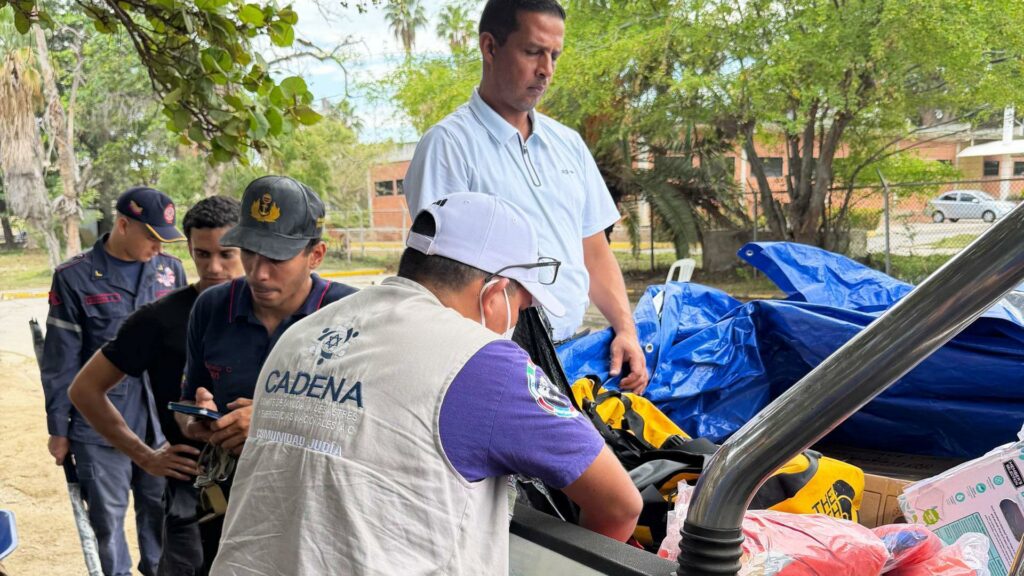
“I understood that serving also means being available and walking alongside someone who is going through a difficult moment,” Manzano said.
From the Field to the Classroom
Manzano has since returned to Montemorelos University, where he teaches subjects related to crisis intervention and can bring lessons from the field into the classroom.
“Every intervention strengthens my work in the classroom,” he said. “When I teach classes related to crisis intervention, I can share tools that I have learned in the field.”
Yet amid the difficult scenes he witnessed, Manzano said one of his strongest memories remains the gratitude expressed by survivors. At shelters, at the airport, and as the humanitarian team prepared to leave Venezuela, people thanked responders for coming to help.
For Manzano, their words captured the significance of simply being present: “Thank you. Thank you for coming all the way here to help us.”
Related news
 From the World Church
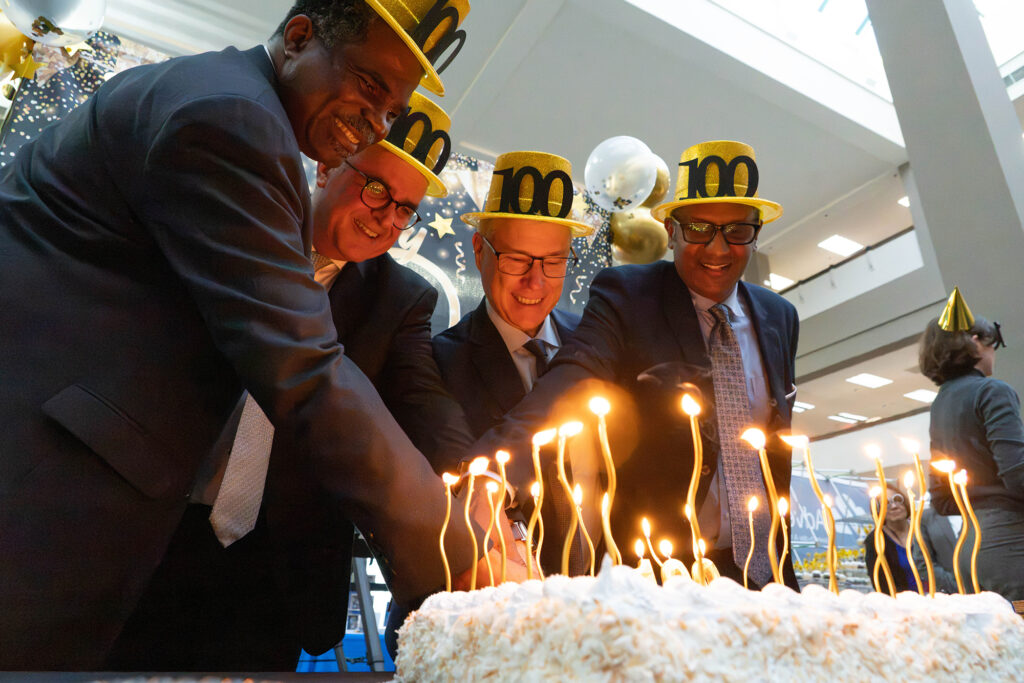
Adventist Church Marks 100 Years of Working Policy
Annual Council celebration traces a century of policy and its role in supporting the church’s global mission.
From the World Church
Adventist Church Marks 100 Years of Working Policy
Annual Council celebration traces a century of policy and its role in supporting the church’s global mission.
 From the World Church
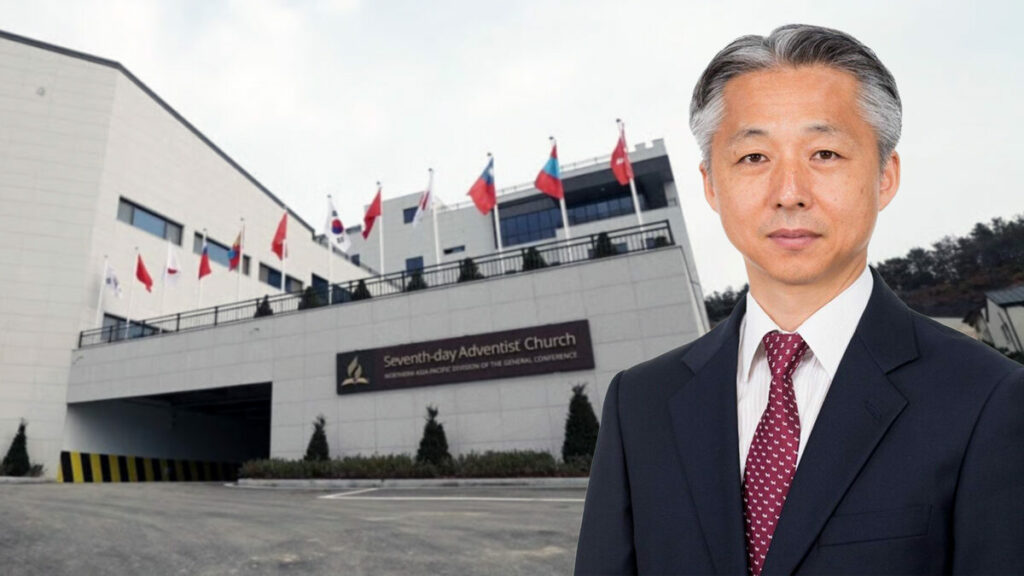
Kim SunHwan Elected Northern Asia-Pacific Division President
Former division leader returns with international mission experience
From the World Church
Kim SunHwan Elected Northern Asia-Pacific Division President
Former division leader returns with international mission experience
 From the World Church
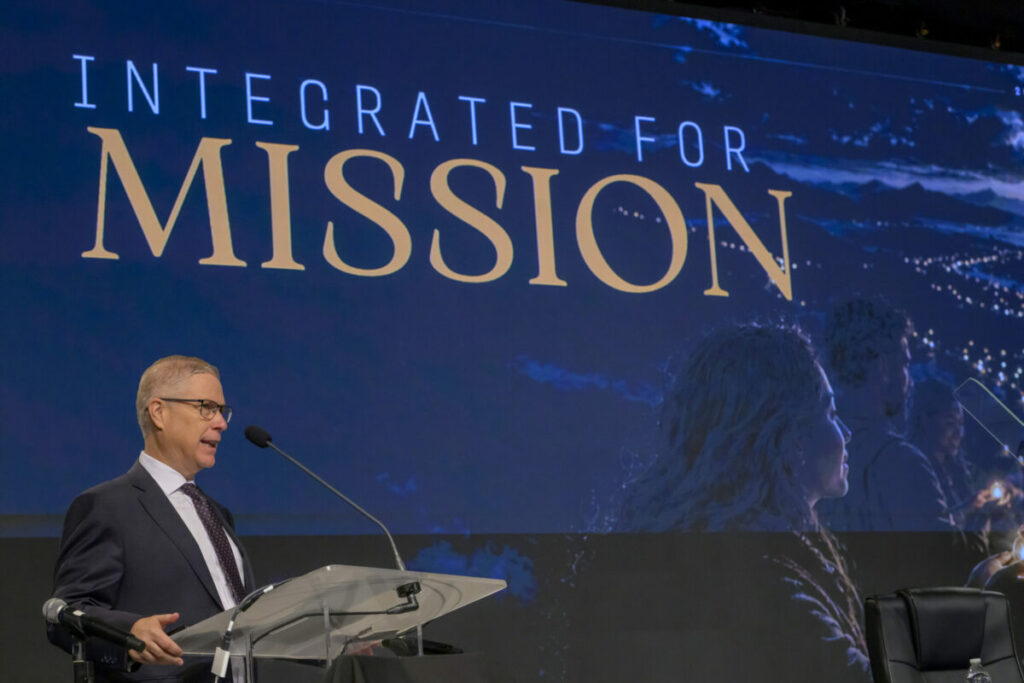
Secretariat Report Calls Adventists to Take World Mission Seriously
Rick McEdward and his team suggest going all in to fulfill God’s commission.
From the World Church
Secretariat Report Calls Adventists to Take World Mission Seriously
Rick McEdward and his team suggest going all in to fulfill God’s commission.