
Global Mission Centers introduce new Bible studies for diverse communities
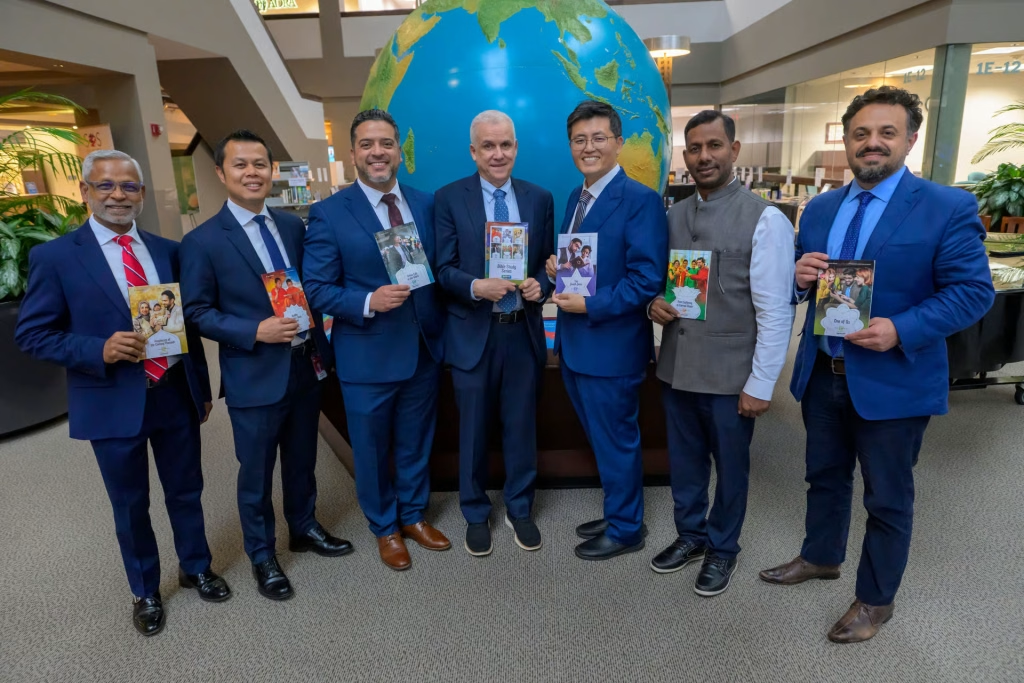
October 12, 2026 | Silver Spring, Maryland, United States | Alyssa Truman, ANN
In response to frequent requests for contextualized Bible study resources, the Seventh-day Adventist Church’s six Global Mission Centers have developed six new study guides adaptable to local communities. ChanMin Chung, director of the Global Mission Centers, introduced the resources on October 11, during the 2026 Annual Council.
These adaptable studies will provide church members and frontline workers with resources to share their faith with people from different traditions, including those who express interest through digital media. Chung explained that the centers focus on three mission windows: urban populations, secular and post-Christian communities, and the 10/40 Window.
“Jesus is for everyone,” Chung emphasized. “We are not talking about headcounts or numbers. We are talking about people who need to know Jesus. That is why our six Global Mission Centers exist.”
Bible studies for different audiences
The new Bible studies are designed to help Adventist members and frontline workers share biblical teachings with people from different religious and cultural backgrounds. Recognizing that traditional approaches may not resonate with every audience, the guides introduce Scripture through familiar concepts and questions, providing a foundation that can be adapted to the unique needs of local communities.
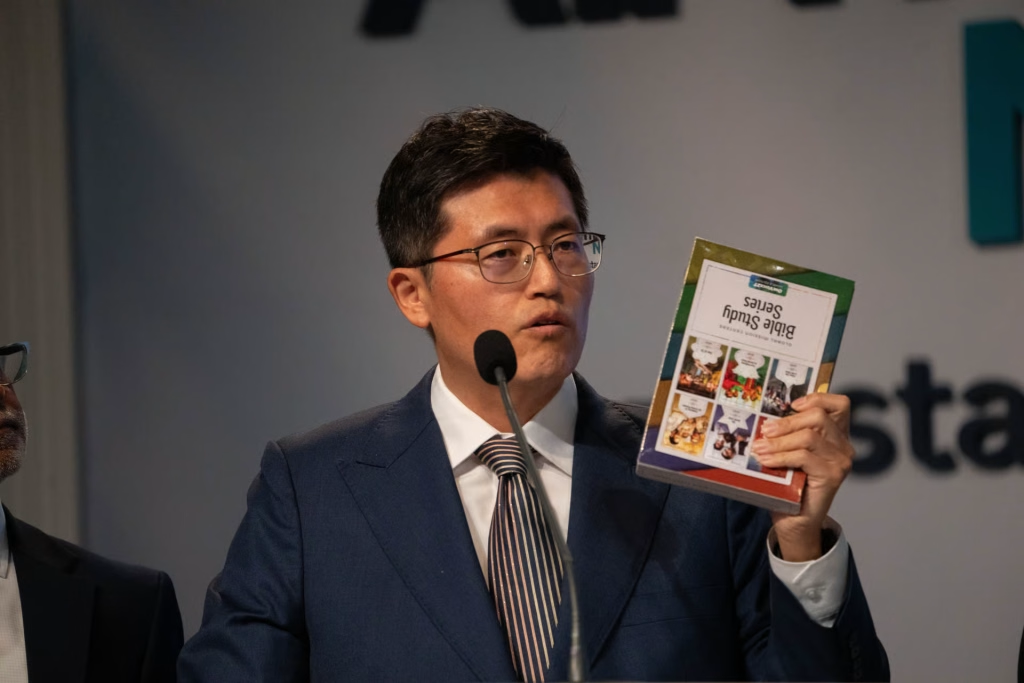
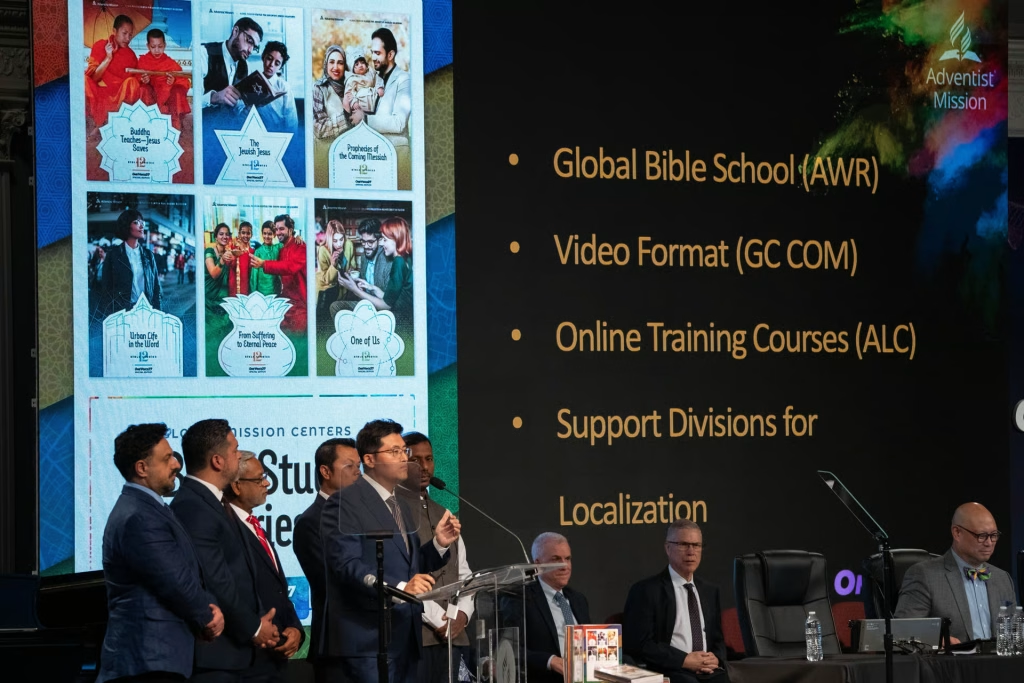
Among the guides introduced was Prophecies of the Coming Messiah, a 12-part Bible study series developed by the Global Mission Center for Adventist-Muslim Relations. Recognizing that many Muslims honor Jesus and want to learn more about Him, the studies explore Old Testament prophecies about the Messiah and their fulfillment in Jesus’ life.
“Our goal is to equip Adventists to use these 12 Bible studies with their Muslim friends to explore the Old Testament prophecies about the Messiah and how they were fulfilled in the life of Jesus,” explained Petras Badahaur, director of the Global Mission Center for Adventist-Muslim Relations. “The studies encourage respectful conversation and careful reading of Scripture within relationships of trust and friendship.”
The Global Mission Center for Urban Ministry also developed another study, Urban Life in the Word, to connect biblical teachings with the experiences of people living in cities. The lessons explore the same gospel message and biblical prophecies found in traditional Adventist Bible studies, but approach them through the realities and questions of urban life.
“The intention is more than gaining biblical knowledge. The hope is that every encounter with Scripture will lead to a deeper relationship with the God who is love,” explained Manny Arteaga, director of the Global Mission Center for Urban Ministry. “At its heart is a simple yet transformative invitation: to fall in love with a God who knows us fully and loves us deeply.”
Making the resources available
The new Bible studies will be distributed to division leaders and mission directors, who will work with the Global Mission Centers to adapt the materials for their respective communities. Chung emphasized that the initial printed copies are intended for review and discussion rather than immediate public distribution, allowing local leaders to recommend changes before the studies are shared more broadly.
Beyond the printed guides, the Global Bible School will make the studies available. Video versions are being developed to accommodate different learning preferences, allowing individuals to watch or listen to the lessons.
To help members use these resources, the Global Mission Centers are preparing online training courses through the Adventist Learning Community. Chung also highlighted existing courses on the platform that help Adventists build friendships with people of other faiths.
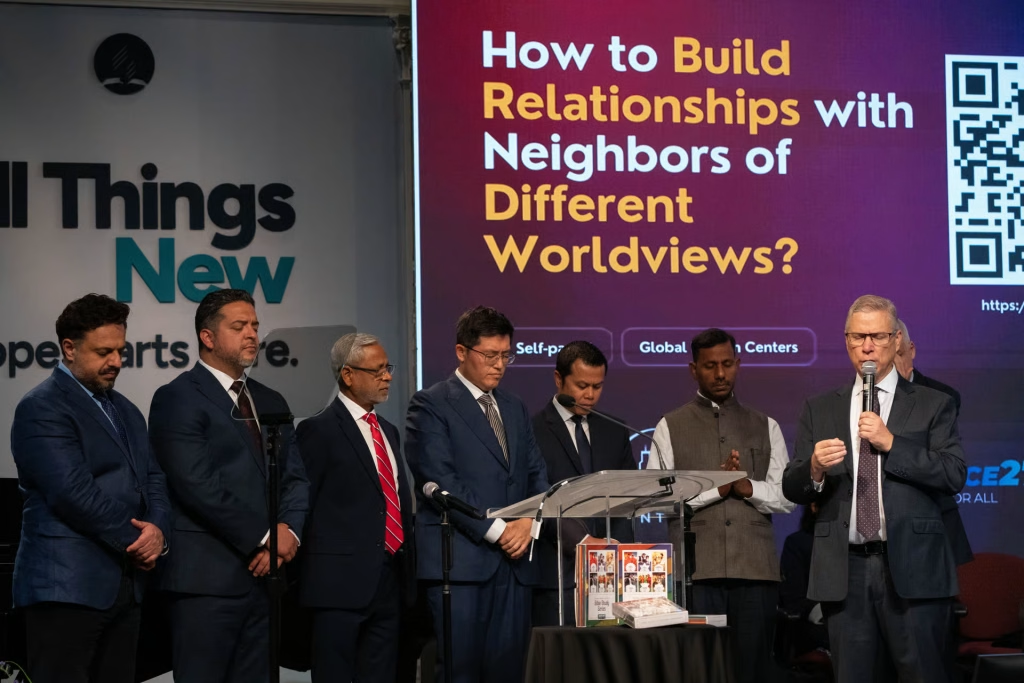
Following the presentation, church leaders joined in prayer to dedicate the new resources to God. The studies are expected to give Adventist members additional tools to share Jesus with people in their communities.
Related news
 From the World Church
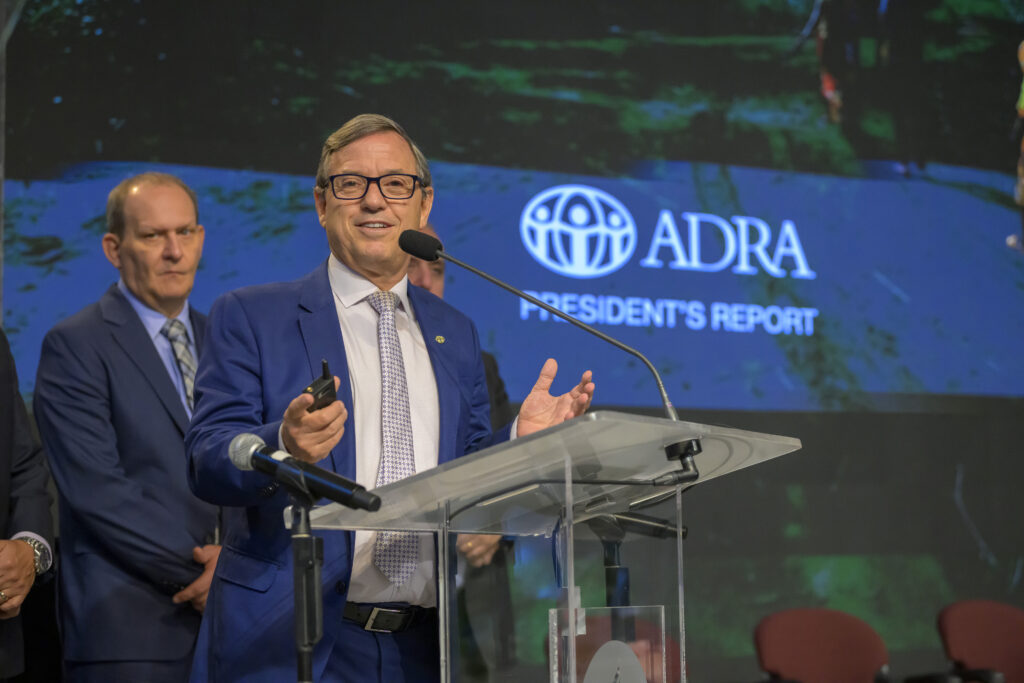
From Crisis to Growth, ADRA Reports Stronger Funding and Renewed Global Reach
Paulo Lopes reports stronger resources, new funding and a renewed focus on ADRA’s role in the church’s mission. October 12, 2026 | Silver Spring,…
From the World Church
From Crisis to Growth, ADRA Reports Stronger Funding and Renewed Global Reach
Paulo Lopes reports stronger resources, new funding and a renewed focus on ADRA’s role in the church’s mission. October 12, 2026 | Silver Spring,…
 From the World Church
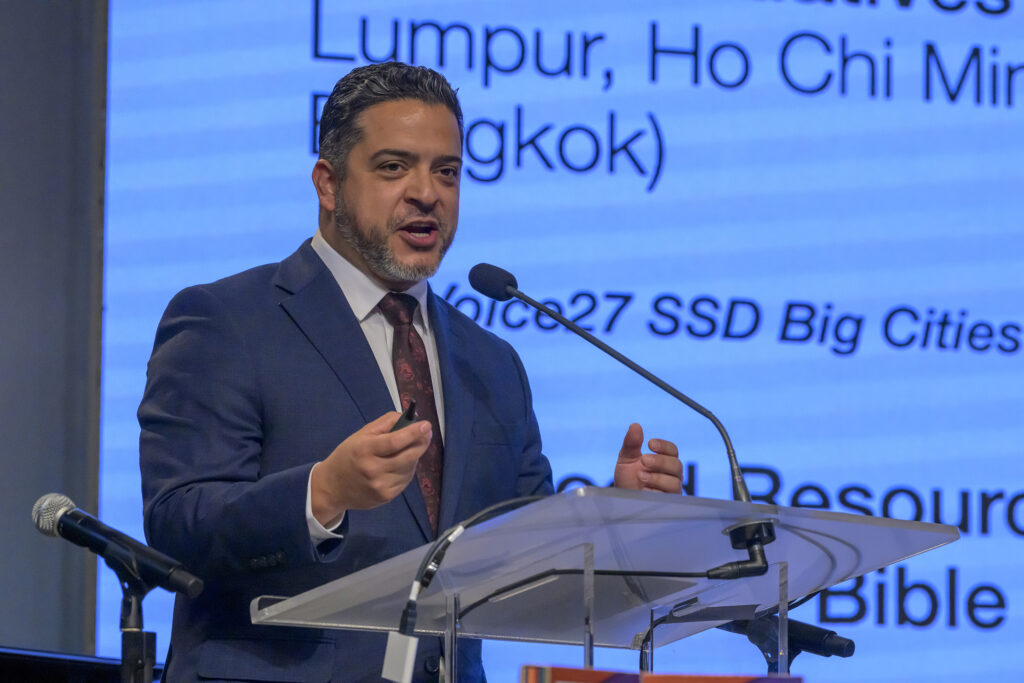
One Gospel, Many Urban Accents: Rethinking Mission in the World’s Cities
New resources and mission experiences highlight the need for approaches shaped by the people and communities of each city.
From the World Church
One Gospel, Many Urban Accents: Rethinking Mission in the World’s Cities
New resources and mission experiences highlight the need for approaches shaped by the people and communities of each city.
 From the World Church
“These Are Churches in the Form of Food Factories”
Adventist health food companies are a powerful evangelistic tool, their leaders say.
From the World Church
“These Are Churches in the Form of Food Factories”
Adventist health food companies are a powerful evangelistic tool, their leaders say.