
Hope Channel Inter-America Moves to Build Stronger Digital Media Ecosystem
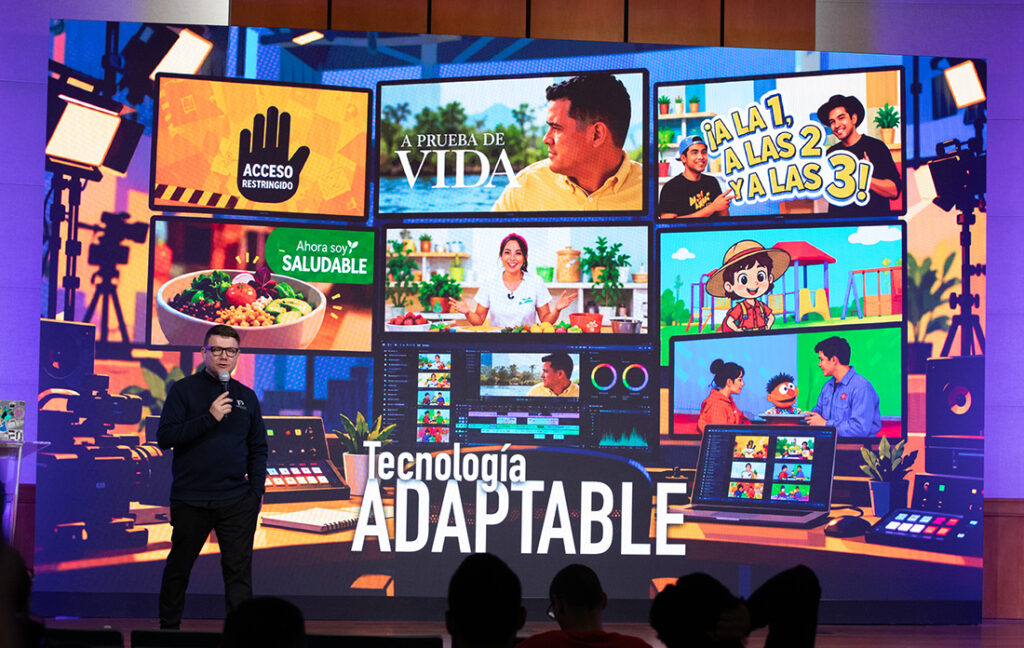
Media leaders meet in Miami to align strategies, strengthen collaboration and expand evangelistic reach.
October 28, 2026 | Miami, Florida, United States | Libna Stevens, Inter-American Division News
Hope Channel Inter-America (HCIA) brought together leaders of its Spanish-speaking media centers for a two-day advisory in Miami, Florida, October 6–7, 2026, to strengthen collaboration, align strategic priorities and explore new ways to expand the reach of Adventist media ministry throughout the territory.
The advisory focused on building a more integrated digital network, with sessions covering Hope Channel’s global strategy, content distribution, production quality, emerging technologies and successful initiatives across Inter-America.
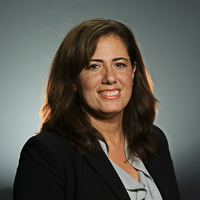
“The Hope Channel International network is taking on strategic importance around the world, consolidating itself as a digital audiovisual media structure, no longer just a television network,” Márquez said.
“This meeting was essential to share that worldwide vision and take the next strategic step toward creating a solid ecosystem that includes all our media, with the single purpose of sharing hope and reaching thousands of people with the gospel message,” he added.
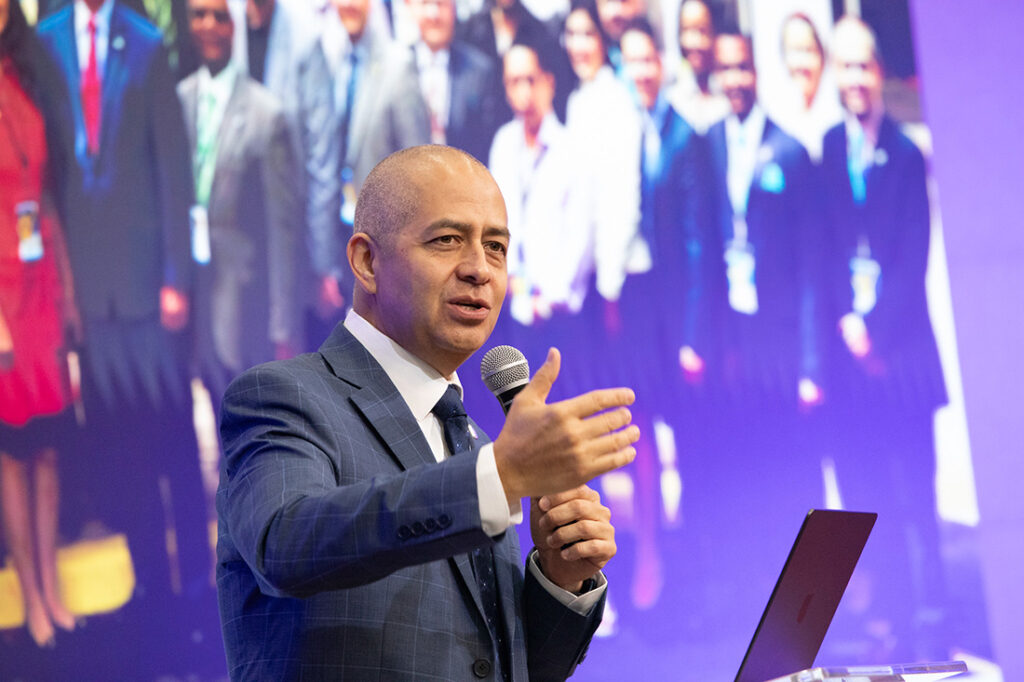
Márquez outlined four priorities guiding the network’s development: being impactful, united, adaptable and resourced. He said the strategy represents a shift from traditional television broadcasting toward an interconnected ecosystem involving media centers, union organizations and digital platforms.
“Now we have taken another step by creating an ecosystem that includes not only media centers but also unions becoming audiovisual media networks themselves,” Márquez said.
He emphasized that every media center, regardless of its size or resources, has something to contribute to the network’s collective mission.
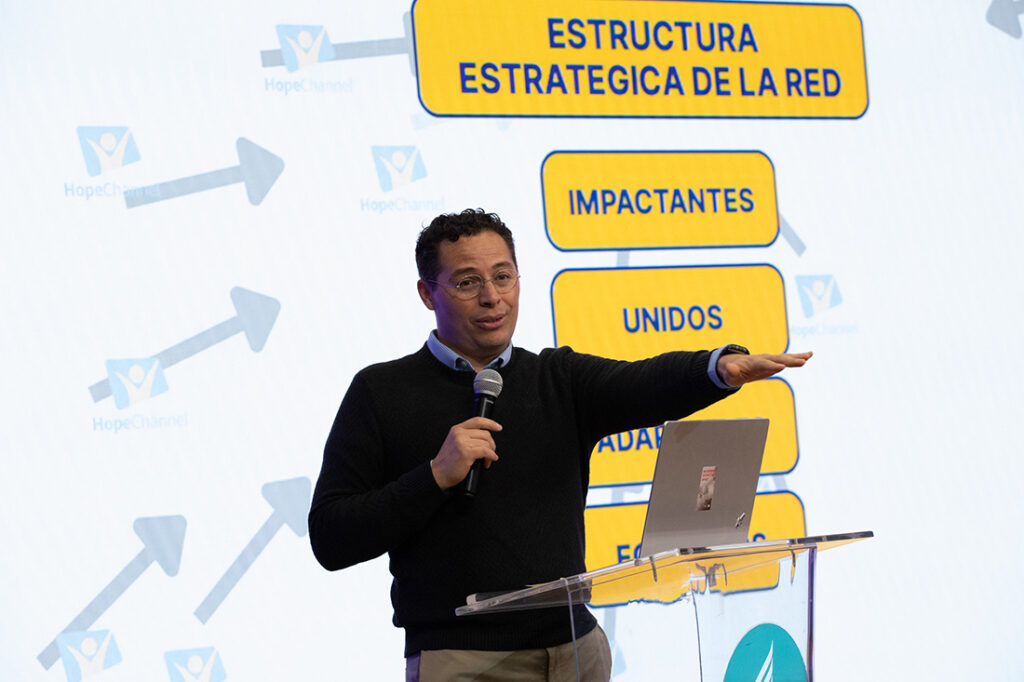
Ramiro Quero, director of Network Strategy, Development, and Training at Hope Channel International, guided participants through the network’s global strategic framework, encouraging them to develop organizational visions aligned with a shared mission
Quero explained that Hope Channel organizations worldwide have developed in different ways, making a common strategic direction increasingly important.
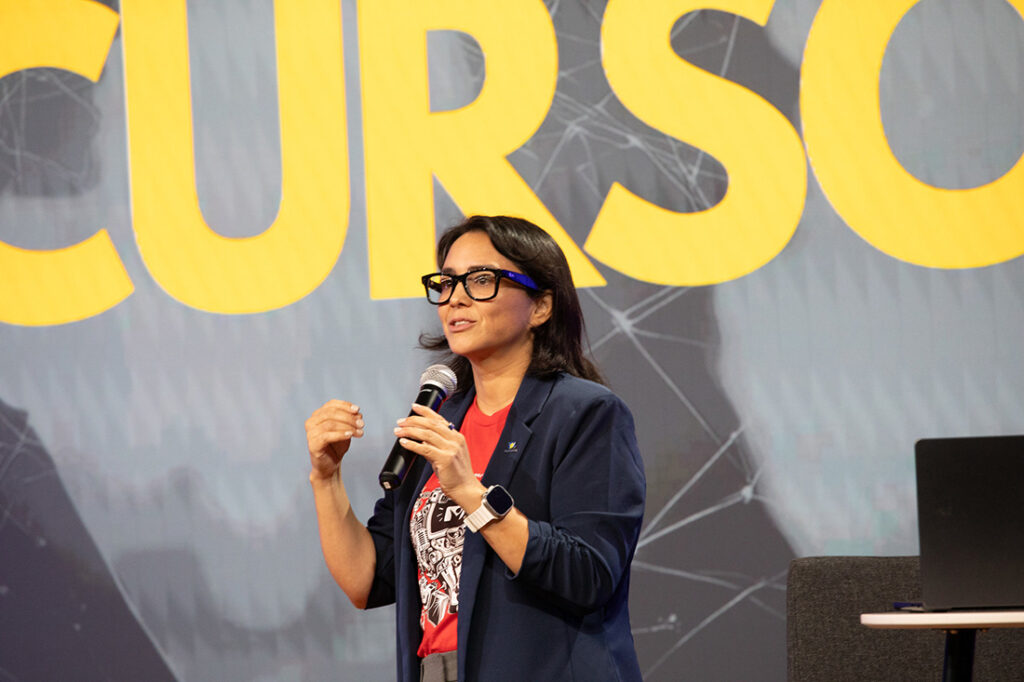
“We need a North Star toward which we can all align,” Quero said.
Reaching People Who Have Yet to Hear the Gospel
Sam Neves, vice president for Advancement and Communication at Hope Channel International, challenged leaders to look beyond traditional audiences and consider how their productions could reach people with little or no access to the gospel.
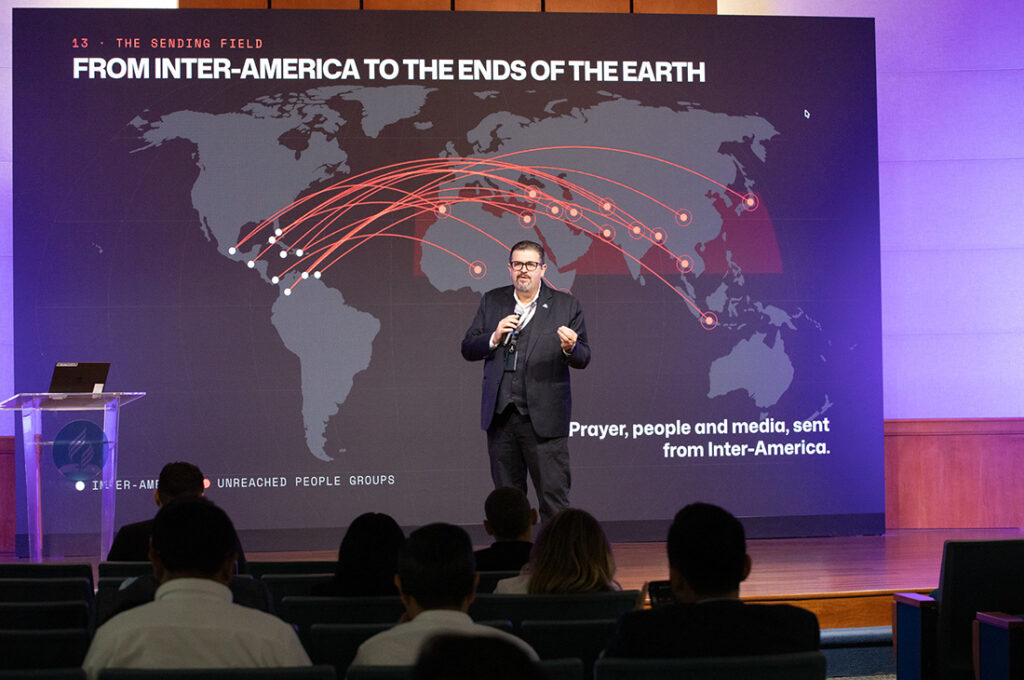
“We will never stop until everyone has heard,” Neves said.
Citing mission research, he noted that 52 of approximately 810 people groups in Inter-America are classified as unreached.
“We often think of the majority populations of our countries. We think of reaching the maximum number of people possible,” he said. “That is not bad; that is a good strategy. But we cannot forget those who would otherwise never hear the gospel.”
“This is what we do as Hope Channel. We send media as missionaries,” he said.
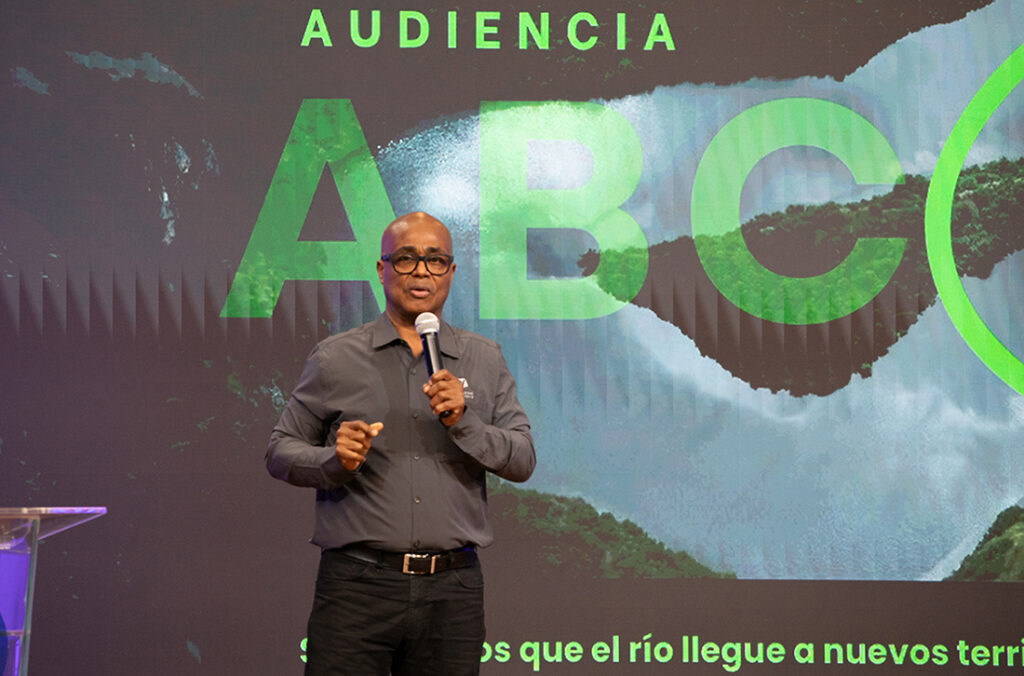
He also emphasized the importance of understanding audiences before developing content and keeping the church’s spiritual mission central to production efforts.
Case Studies Showcase Innovation
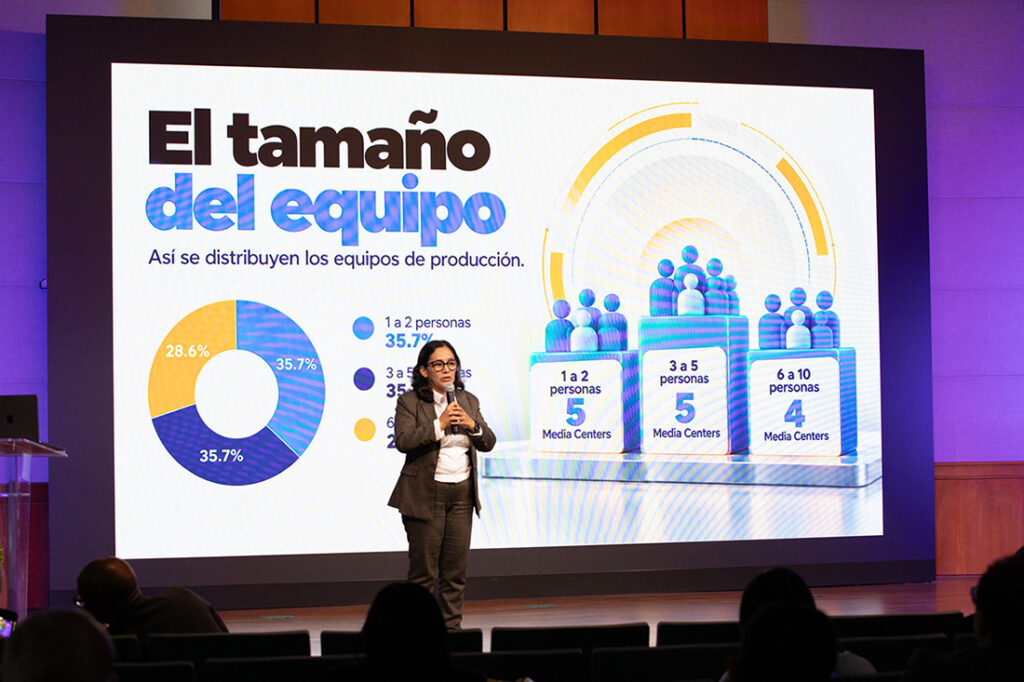
Case studies across Inter-America showed how local media ministries are adapting to reach diverse audiences.
In Costa Rica, Eduardo Artavia, Hope Media Costa Rica coordinator, described the transformation of Esperanza Costa Rica, which faced possible closure several years ago because of financial and operational challenges.
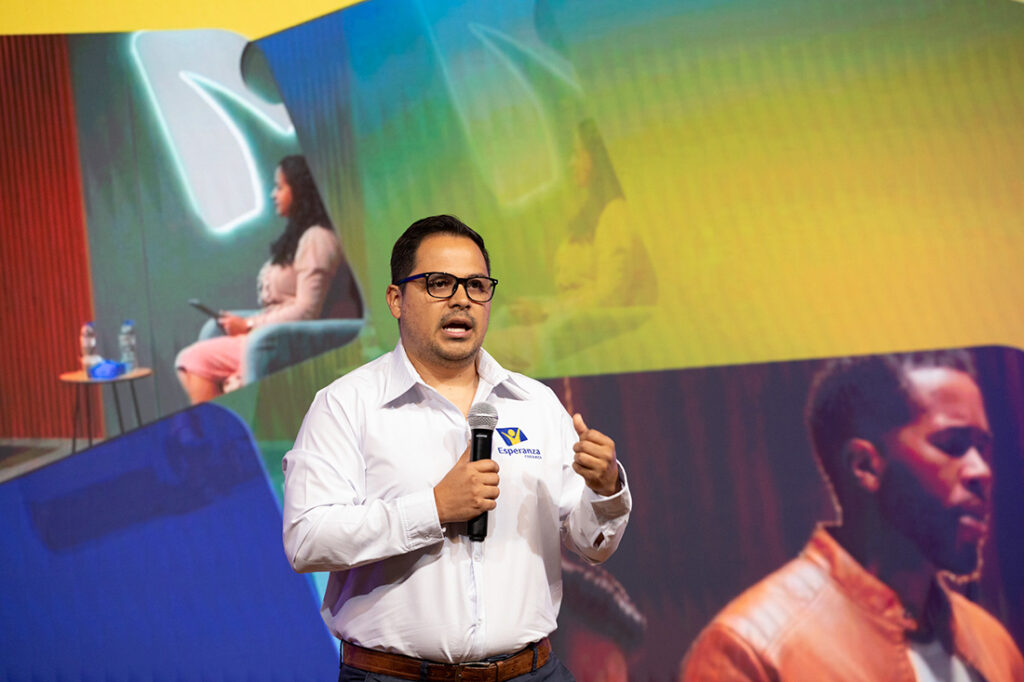
Reflecting on his first advisory, Artavia said the gathering reinforced the importance of belonging to a larger network.
“At one point, when I began this challenge, I felt we were isolated,” Artavia said. “Coming here and realizing that we are not alone is encouraging and gives us a greater desire to keep working.”
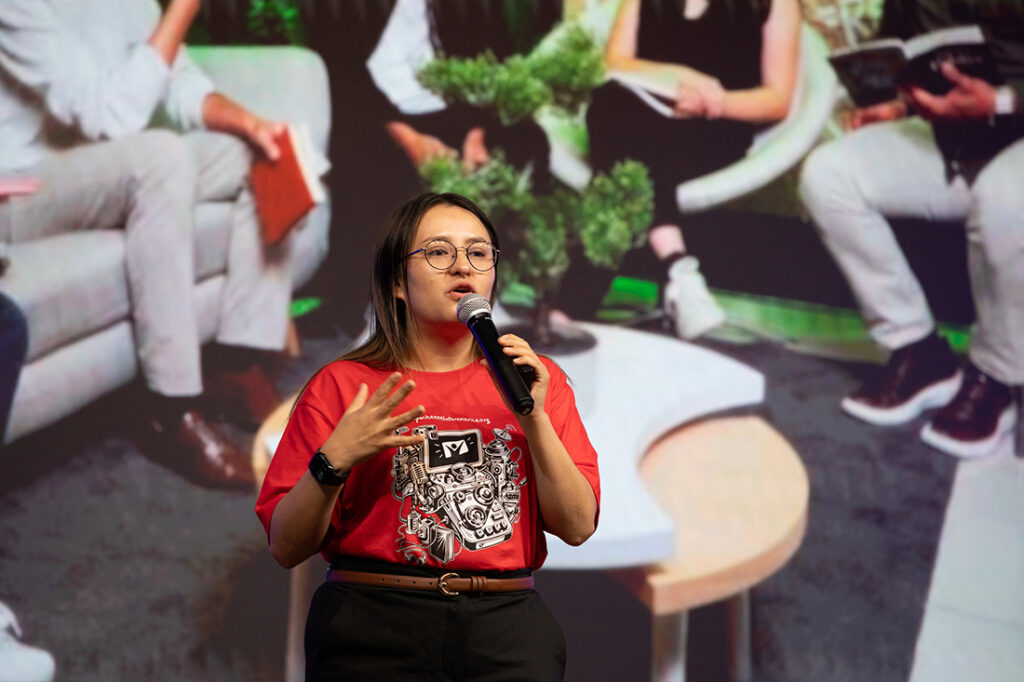
She reported that one production generated approximately 245 contacts in a quarter from viewers interested in prayer, Bible studies or visiting an Adventist church.
The team also discovered that a two-minute program could generate more Bible study contacts than a longer production for certain audiences, prompting adjustments to its content strategy.
“We are a media center, yes, but we are also a Bible school,” Acosta said.
Training a New Generation of Digital Missionaries
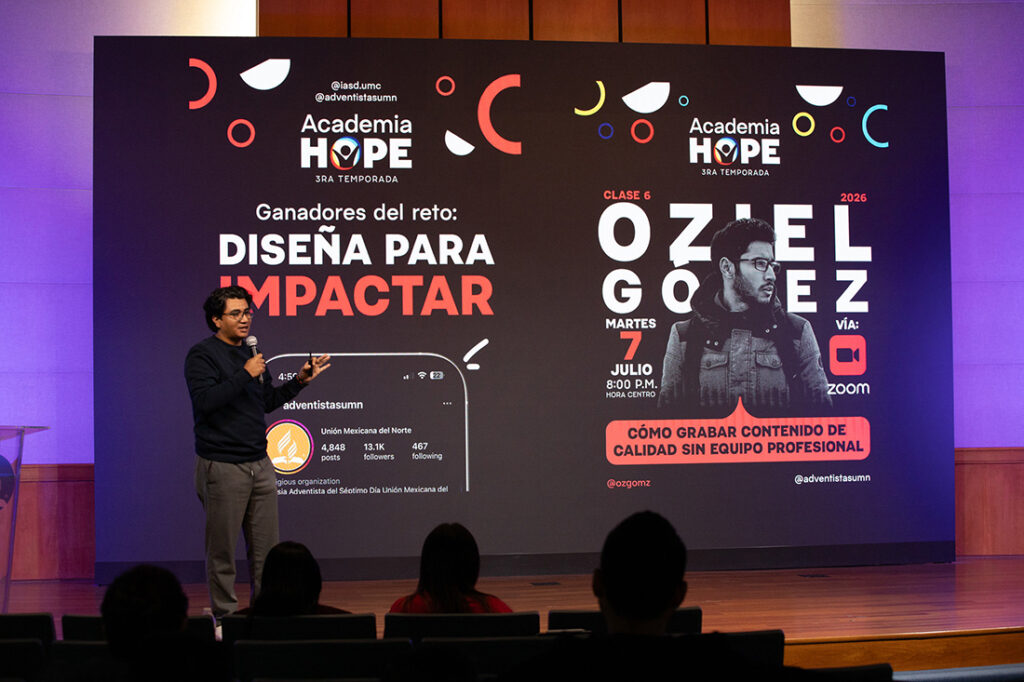
In North Mexico, Abdiel Hernández, coordinator of the North Mexican Union Hope Media Center, described Hope Academy, an online training initiative that equips church members with practical communication skills.
The program offers monthly classes, recorded sessions and certificates to help participants develop digital content creation skills.
“We are now thinking more about a specific local audience rather than trying to reach everyone,” he said.
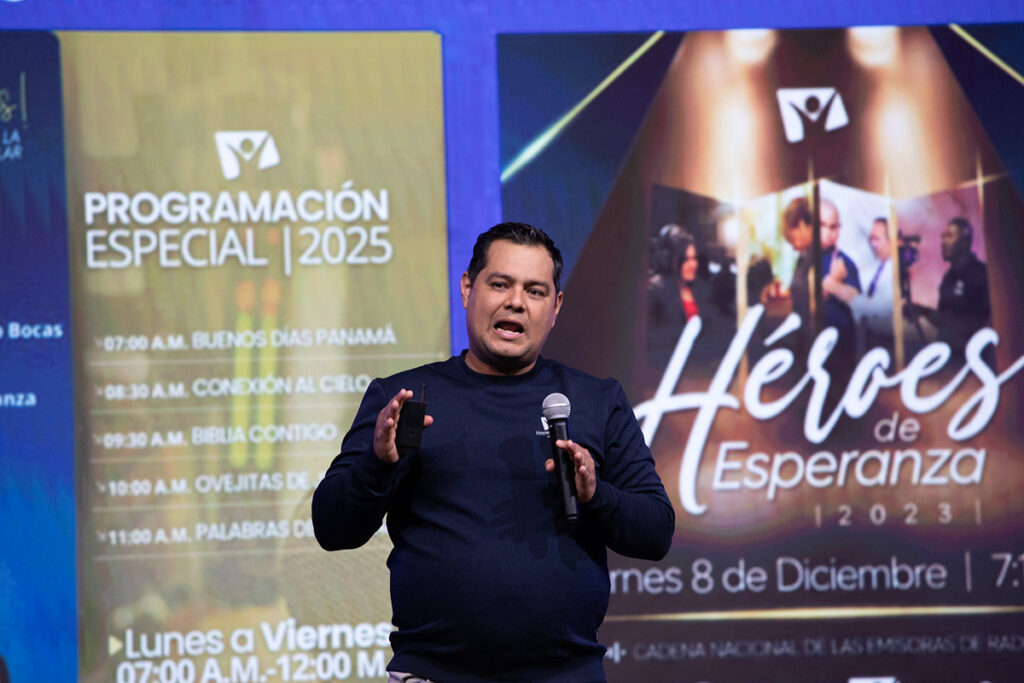
In Panama, Misael González, coordinator of Hope Media Panama, shared opportunities to increase Hope Channel’s visibility beyond conventional broadcasting
His proposals included partnerships with Adventist athletes participating in public sporting events, stronger connections between audiovisual productions and Bible study resources, and a Christian film festival to engage filmmakers and broaden the reach of faith-based content.
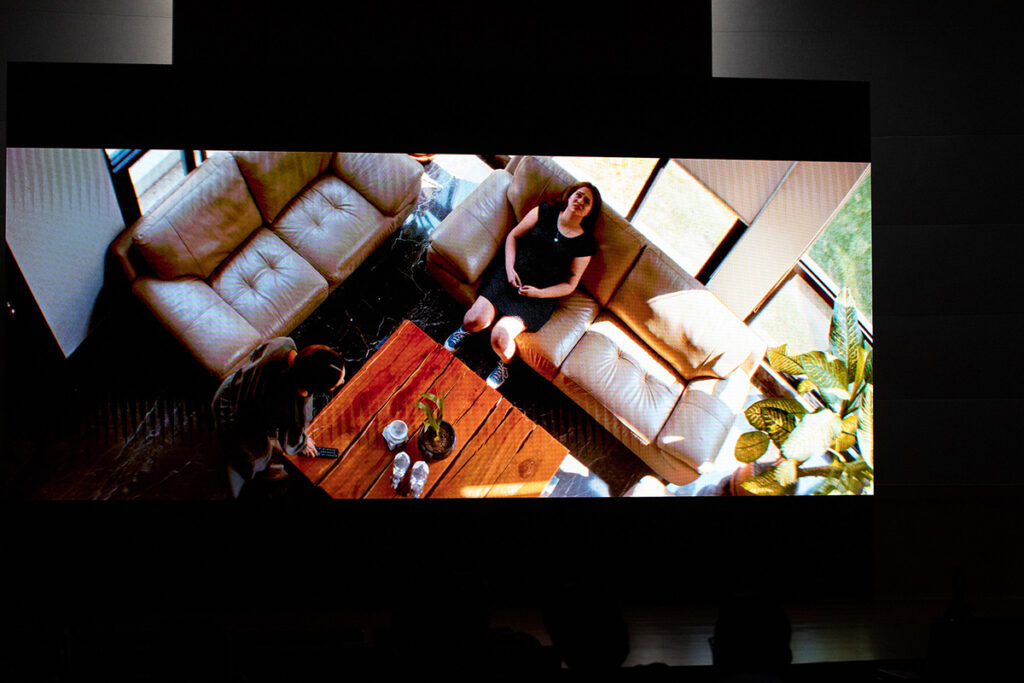
Hope Channel Inter-America staff also shared updates on recent and upcoming films and other productions across the territory.
Caring for Those Who Communicate Hope
Alongside the strategic sessions, Pastor Hiram Ruiz, chaplaincy ministries director of the IAD and chaplain of Hope Channel Inter-America, led spiritual reflections on the importance of nurturing a personal relationship with God while communicating hope to others.
Ruiz reminded leaders that Jesus first called His disciples to be with Him before sending them into ministry.
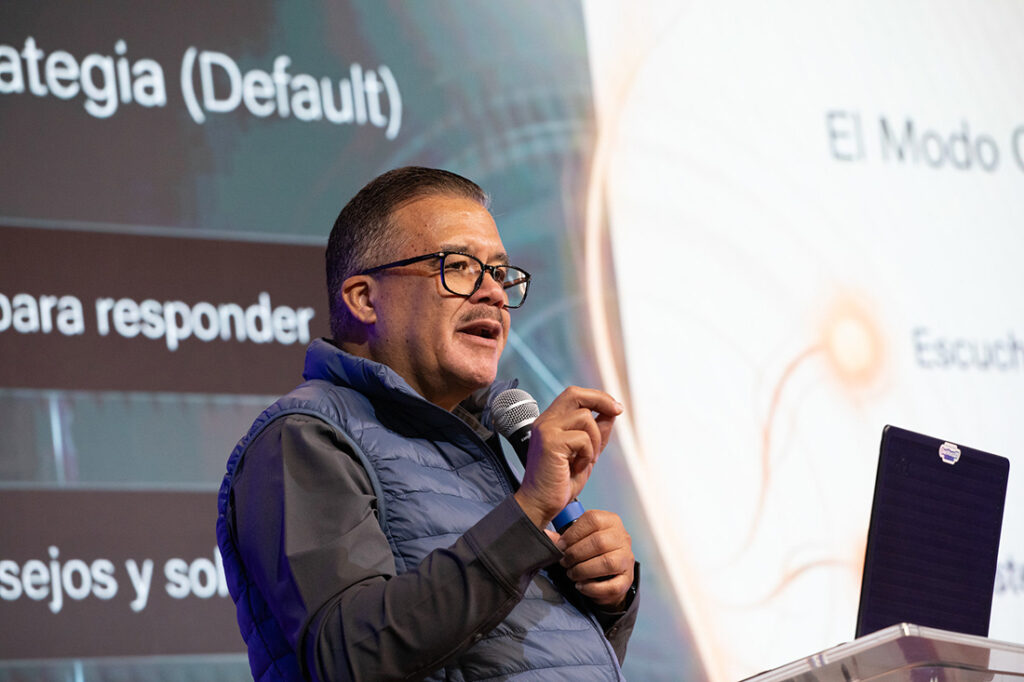
He encouraged participants to reflect on God’s guidance through previous challenges and remain open to new approaches, emphasizing that methods may change even as the church’s mission remains constant.
As the advisory concluded, leaders identified opportunities to refine their strategies, better understand their audiences, strengthen leadership development and expand collaboration across the network.
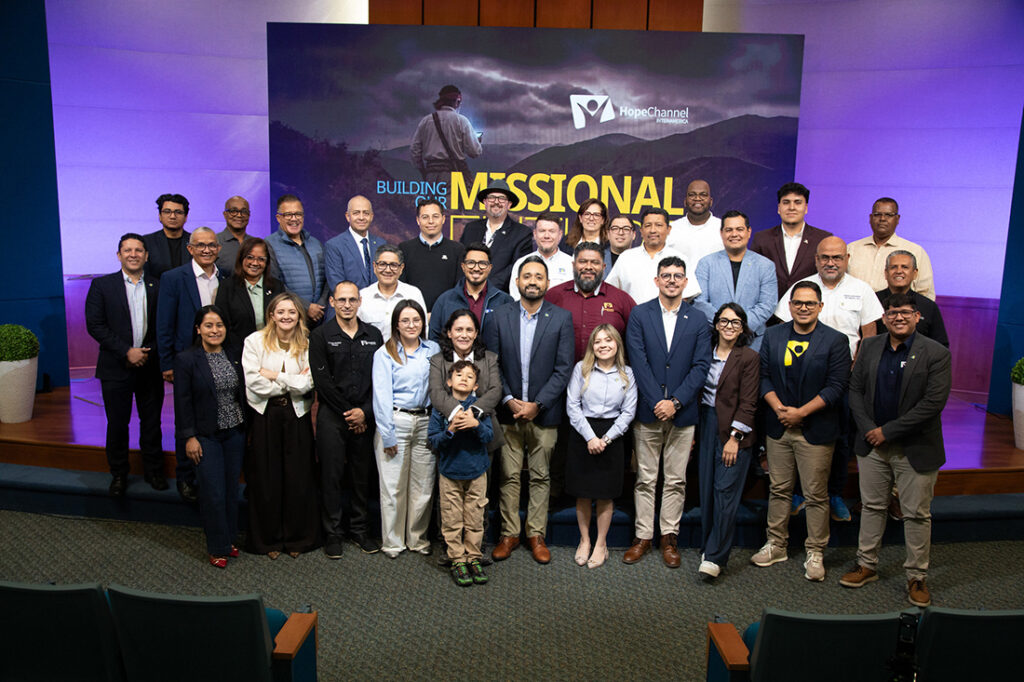
To learn more about Hope Channel Inter-America, its programming and ongoing projects, visit hopechannelinteramerica.org.
To view a photo gallery of the advisory meetings, click HERE
Related news
 From the World Church
Adventist Intercultural Marriages Have Skyrocketed. Is That a Positive Sign?
A pastor and psychotherapist dissects the implications of an increasing trend.
 From the World Church
A Handful of Walnuts a Day May Make Your Diet Less Inflammatory
Published research findings add to previous studies about the role of nuts in human diet.
 From the World Church
Middle East gathering highlights mission growth and need for more workers
Church leaders, former missionaries, and retirees reconnect while hearing updates on church planting and Middle East University.