
“Adventists Thrive in Chaos to Be God’s Blessing to Others.”
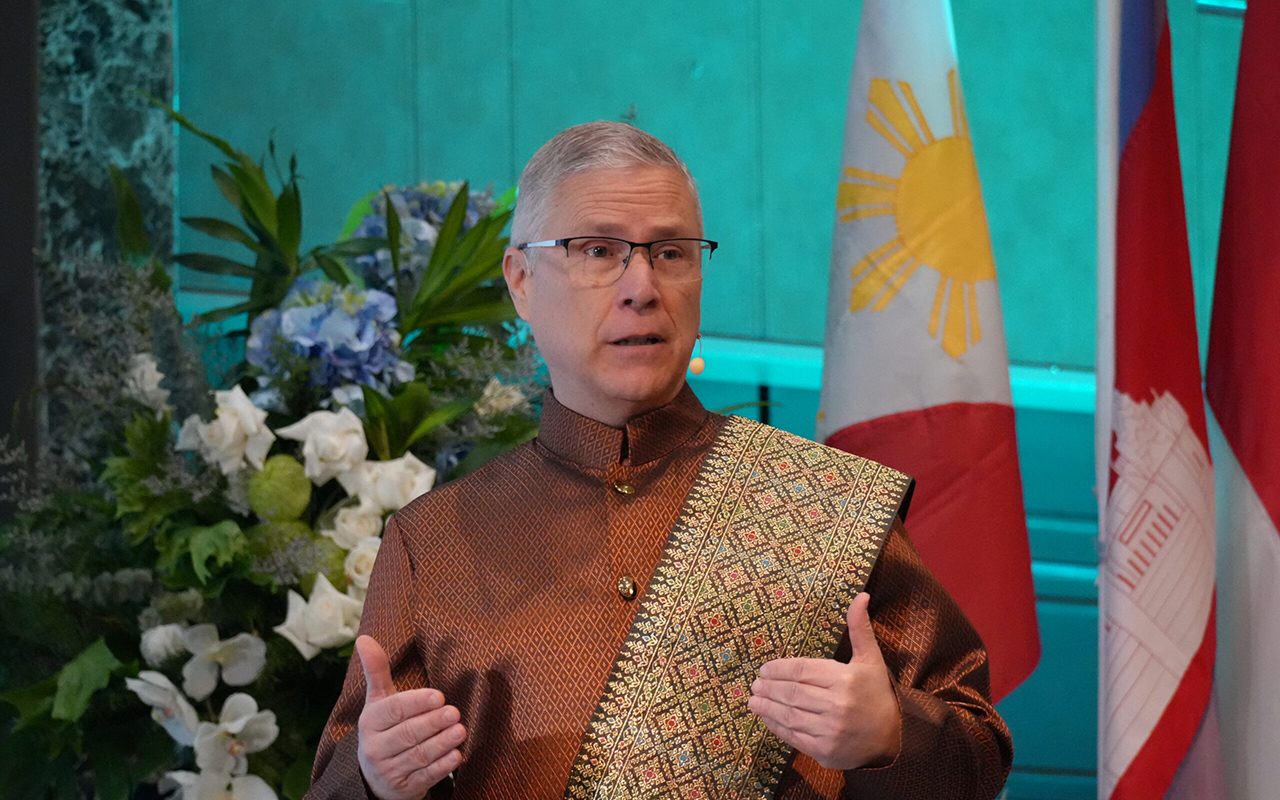
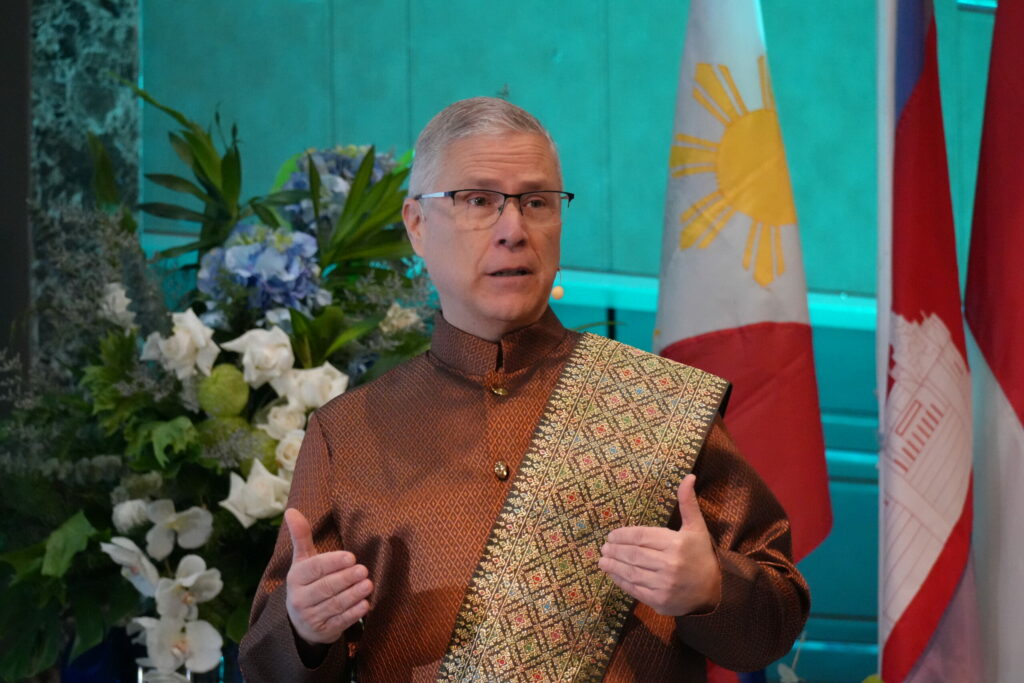
GC secretary Rick McEdward discusses how to be a sound leader in times of crises.
March 23, 2026 | Thailand | Marcos Paseggi, Adventist Review
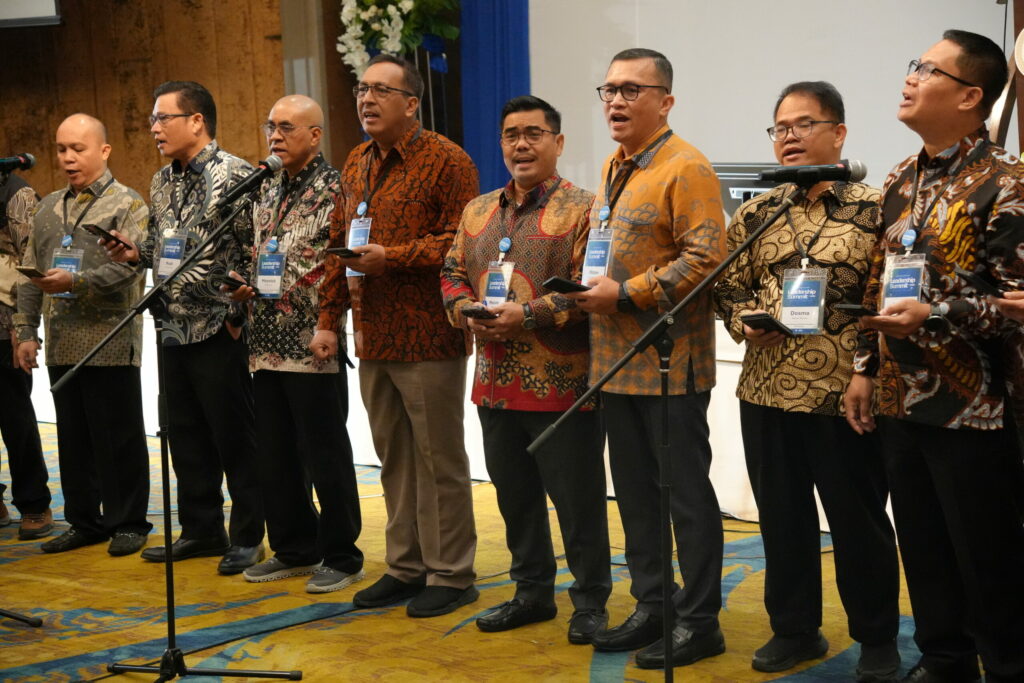
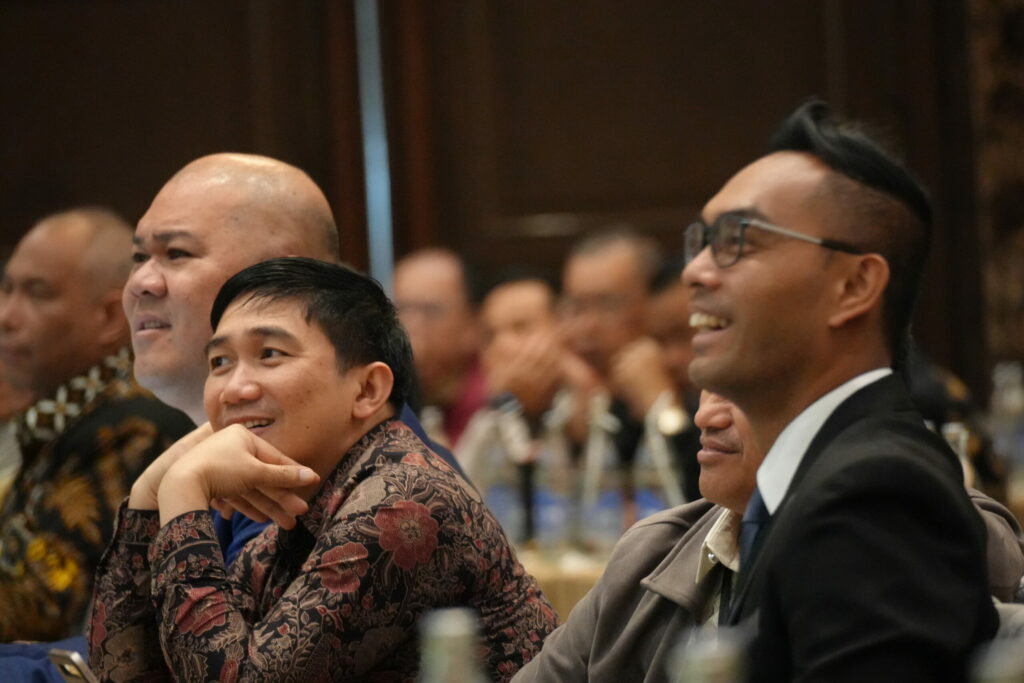
“It is difficult to find any major Bible character that did not personally face crisis,” said Rick McEdward, General Conference (GC) secretary, at the beginning of his March 6 presentation during the Southern Asia-Pacific Division (SSD) Leadership Summit in Bangkok, Thailand. Given that context, it is unreasonable to expect that Seventh-day Adventist contemporary leaders can serve free from challenging moments and puzzling situations. “Crises will certainly come. The question is what to do and how to lead in those moments.”
Based on his extensive experience as a longtime missionary far from his native United States, McEdward called 400 Adventist leaders from across the region to stay committed and keep trusting God in the midst of leadership’s difficult moments, knowing that He will never let us down. “When we experience life’s worst, we need to be God’s best,” he said. “Because when crisis hits, God has a way of being able to use the weak, the humble, and the willing.”
Anchored in God’s Promises
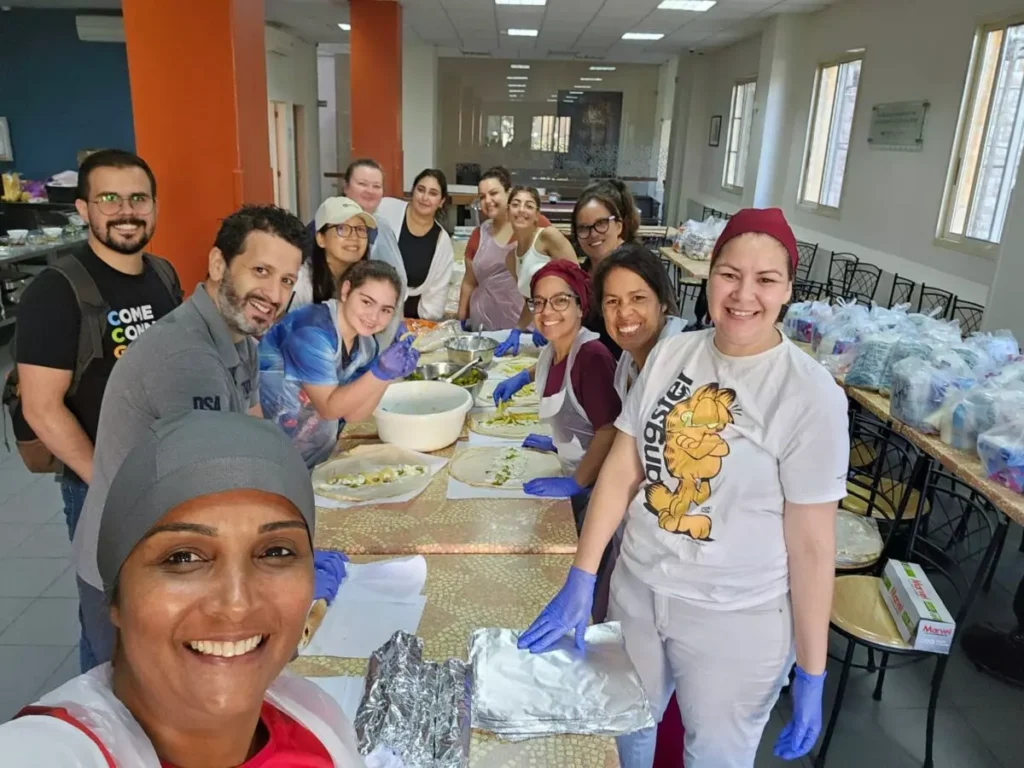
McEdward’s experience as a leader included nine years as president of the Middle East and North Africa Union Mission (MENAUM). With headquarters in Beirut, Lebanon, he and his team “went through one crisis after the other,” he shared. During that time, he experienced political and economic crisis, the infamous Beirut port explosion, social unrest, and war. Against that backdrop and previous experiences across Asia and the Middle East, McEdward was reminded time after time that “to be prepared for a crisis, you need to know a few things.”
First he mentioned the importance of knowing “your identity—who you are as a person and who you represent.” Taking for granted that sacrifice is a natural part of leadership, he explained, “Your identity is simple: You are a person saved by the self-sacrificial blood of Jesus Christ. And if Jesus could sacrifice Himself, what about us?”
Thriving in Chaos
McEdward also reminded SSD leaders that Seventh-day Adventists “are a remnant to be a blessing to the world.” It is the reason Adventist leaders should not run away from moments of crisis, but face them head-on with God’s power. “Adventists thrive in chaos to be God’s blessing to others,” he said.
This realization should make us commit to our mission even as the world around us disintegrates. “We know things are going to get worse; we know things are going to go downhill,” McEdward said. “But that doesn’t mean we cannot be people of light, hope, and joy in the midst of everything the world experiences. As a leader, are you prepared to be a person of light?” he asked.
McEdward also reminded Adventist leaders that “to prepare for a crisis, you need to know your purpose, and your purpose as an Adventist is simple: to give glory to God in everything you do.”
In preparation for this, it is essential not to seek self-honor, he emphasized. “It’s easy to do the right things for the wrong reasons,” McEdward said. “We need to be very careful that we don’t become proud and arrogant without even knowing it ourselves.”
An antidote to that dangerous attitude, McEdward said, is loving as Jesus did. “Jesus had a mission of reconciling people, and I believe that Adventists are called to be generous every single day.” This will allow Adventist leaders and members to work together to “free people from the burdens of guilt, shame, and oppression,” he said.
Proactive, Not Reactive
In the second half of his presentation, McEdward told Adventist leaders to prepare for a crisis by knowing who is on their team, because “you cannot be a leader if you are working alone.” At the same time, he called leaders to determine who on their teams is willing to serve, and who can be your counsel—whom you can depend on—when a moment of crisis strikes.

Mission Over Fear
Finally McEdward called Adventist leaders to “always choose mission over fear,” even when the going gets tough. And then don’t forget to celebrate when the crisis is over, he said.
He reminded Adventist leaders that “when we reach heaven, we will have gone through every crisis together.” Against that background, McEdward called everyone to commit “to be God’s light and salt in the midst of tragedy.” He asked, “Are you prepared to base your life on faith, not fear? On purpose and mission, not emotion?”
Related news
 From the Field
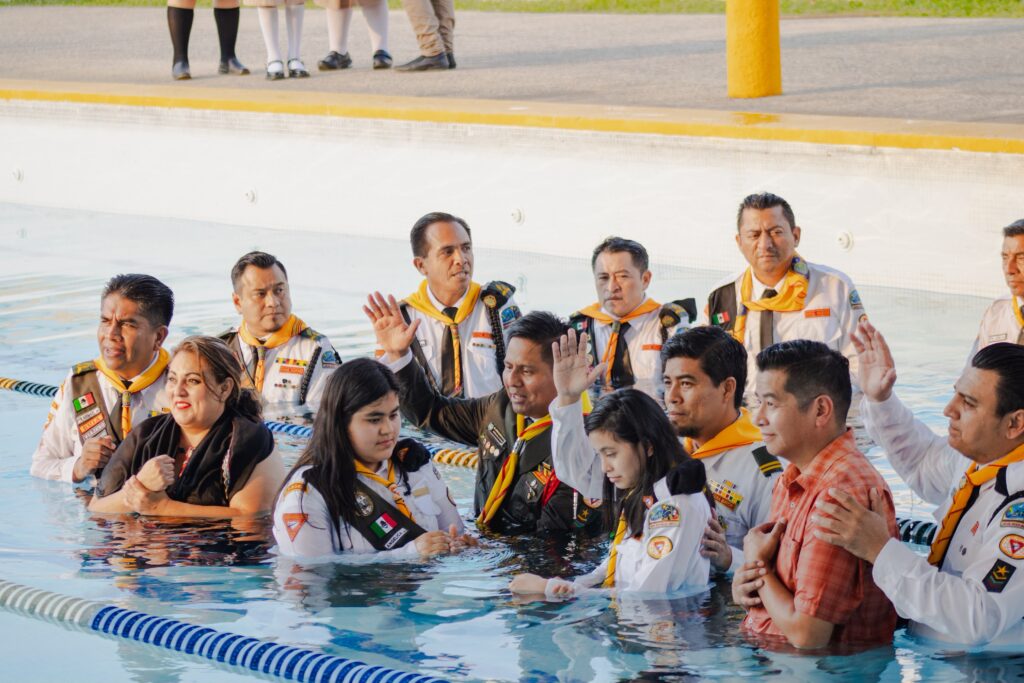
Pathfinder Evangelistic Tour Across Southeast Mexico Celebrates 164 Baptisms
Families join young people in decisions for faith as leaders recognize efforts to establish clubs in every church.
From the Field
Pathfinder Evangelistic Tour Across Southeast Mexico Celebrates 164 Baptisms
Families join young people in decisions for faith as leaders recognize efforts to establish clubs in every church.
 From the Headquarters
High School Students Across Inter-America Compete in Bible Reading Contest
Adventist Virtual Library contest brings together 14 finalists to test their knowledge of Genesis and strengthen Bible reading and faith.
From the Headquarters
High School Students Across Inter-America Compete in Bible Reading Contest
Adventist Virtual Library contest brings together 14 finalists to test their knowledge of Genesis and strengthen Bible reading and faith.
 From the Headquarters
A Journey to Egypt Confirms a Calling
Teaching Bible and English in Egypt confirmed Rubén Díaz’s calling to serve in a cross-cultural context.
From the Headquarters
A Journey to Egypt Confirms a Calling
Teaching Bible and English in Egypt confirmed Rubén Díaz’s calling to serve in a cross-cultural context.