
‘Behind Every Name Is a Soul’ IAD Secretary Emphasizes
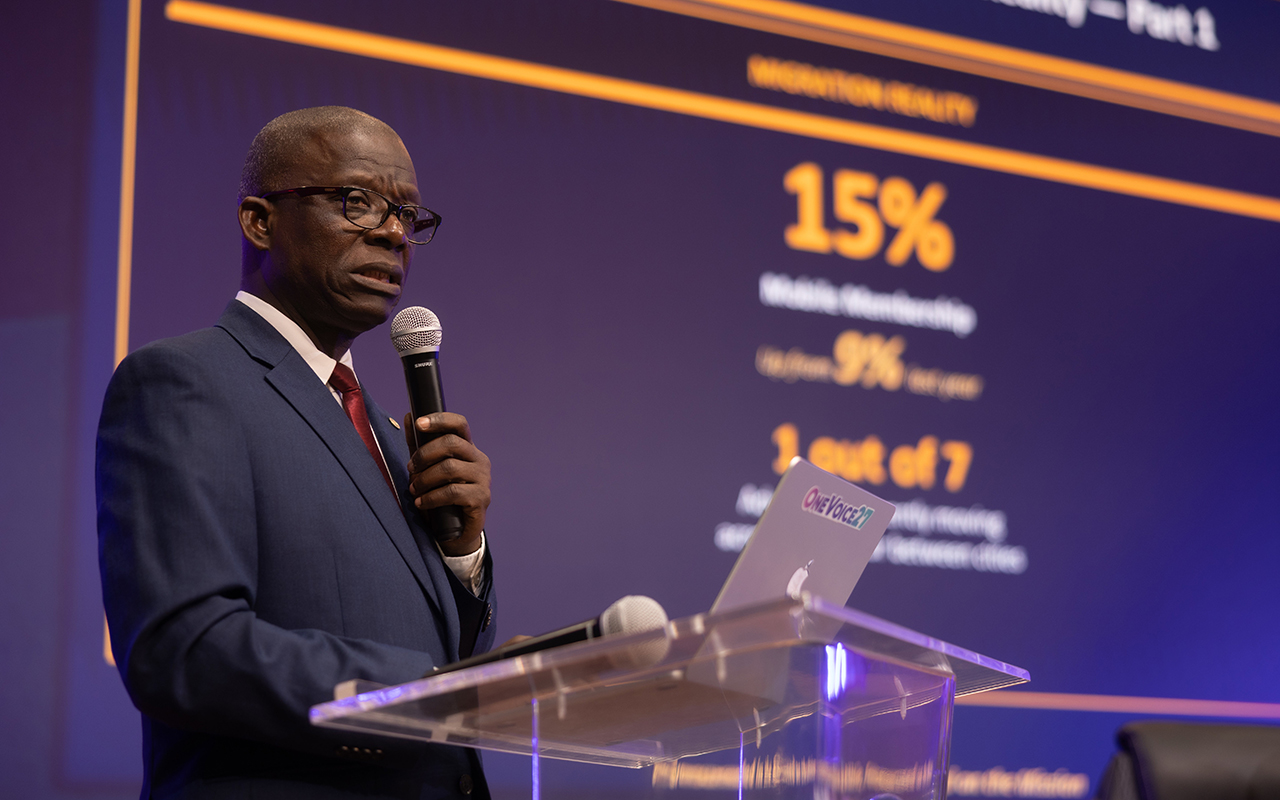
His report highlights membership trends, digital engagement, retention challenges, and global mission outreach across Inter-America.
May 7, 2026 | Miami, Florida, United States | Libna Stevens, Inter-American Division News
“Behind every digit in our report is a name, and behind every name is a soul,” said Pierre Caporal, executive secretary of the Inter-American Division (IAD), as he opened the secretariat report during the division’s Spring Meeting on May 6, 2026, in Miami, Florida, United States.
Framing the presentation around Nehemiah 7:5, Caporal told executive committee members that the work of maintaining church records goes far beyond statistics and administration, reflecting the church’s responsibility to care for every member across the territory.
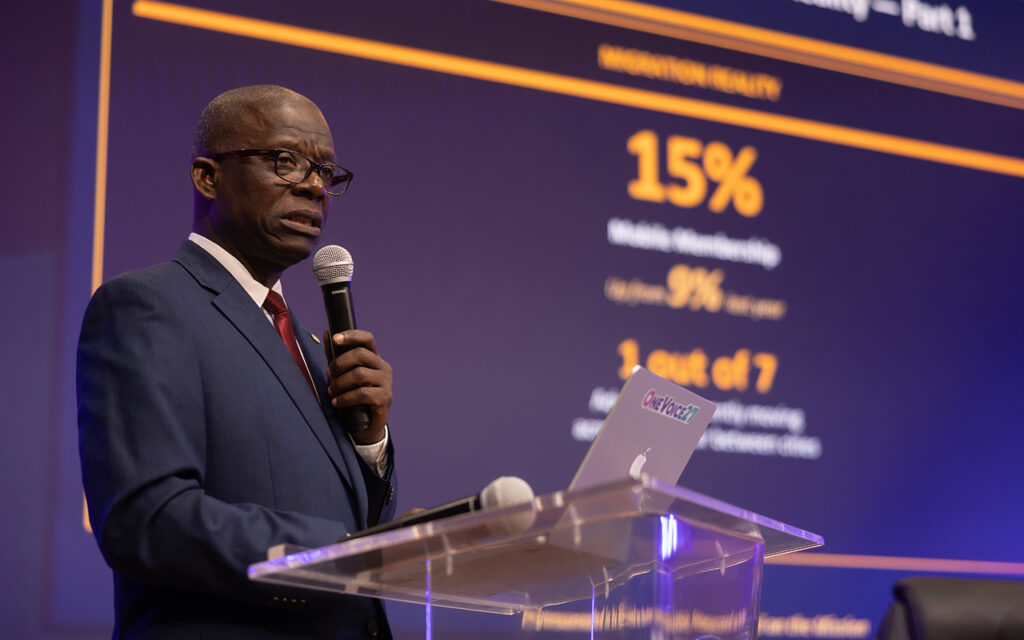
The extensive report highlighted the realities reshaping the church across Inter-America.
Migration and Digital Transformation Reshaping the Territory
Caporal said the Inter-American Division continues to navigate a rapidly changing socio-economic and digital landscape marked by migration, urbanization, inflation, and increased online connectivity across the territory.
Migration, he explained, remains one of the division’s greatest membership challenges. According to the report, 15 percent of members across Inter-America are currently in transit between countries or cities, compared to 9 percent one year ago.
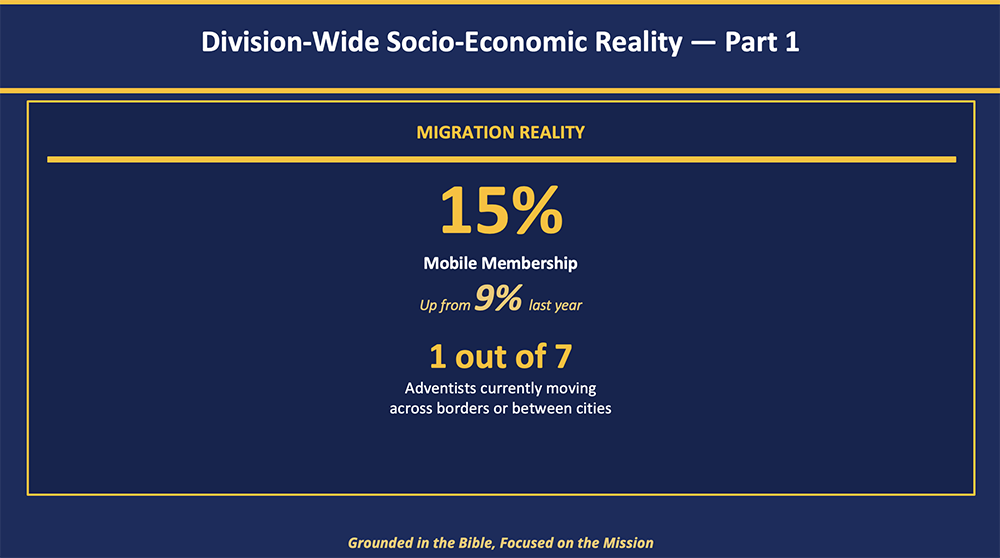
“In the past, these members would have been lost to the records,” Caporal said, pointing to the Adventist Church Management System (ACMS) as a key tool helping reduce the territory’s lost contact rate from 12 percent to 5 percent.
The territory is also becoming increasingly urban and digitally connected. Caporal reported that 65 percent of the population now lives in metropolitan areas, up from 61 percent one year earlier.
At the same time, internet connectivity across the division rose significantly, contributing to increased digital pastoral engagement and online ministry initiatives, he said.
Membership Growth and Retention Challenges
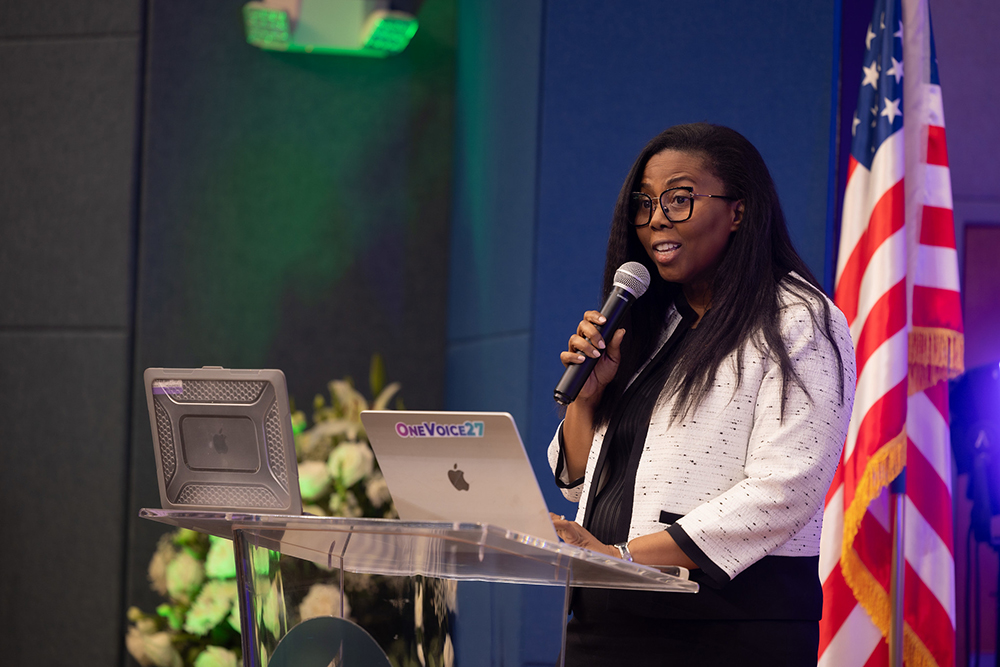
Janelle Scantlebury-Smith, associate secretary of the IAD, presented membership and retention data showing both encouraging evangelistic growth and ongoing challenges in church engagement.
“The larger issue here for us as a division is engagement,” said Scantlebury-Smith.
Only 19 percent of members were reported attending Sabbath School during the first quarter of 2026, while regular worship attendance represented only a fraction of total membership.
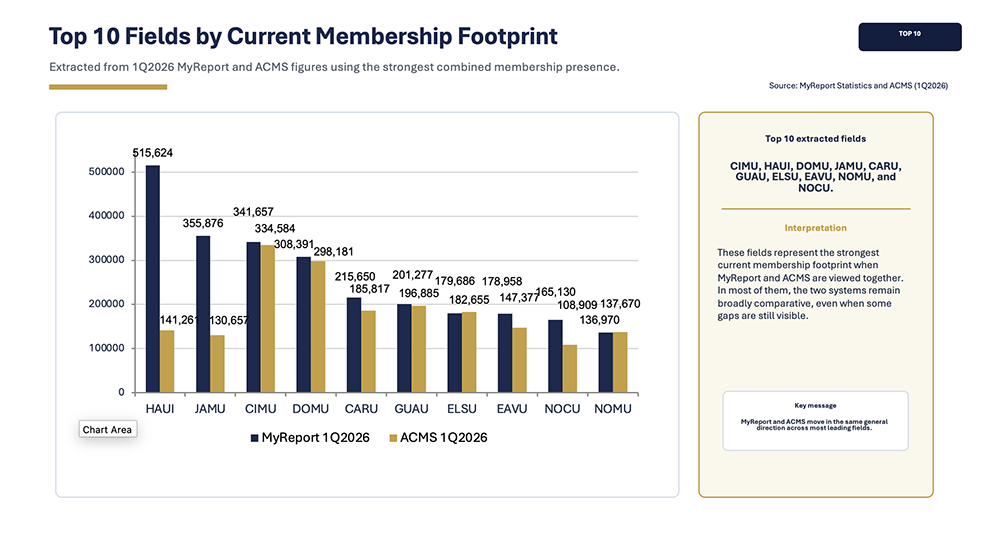
She noted that the increase in membership ascensions was driven primarily by baptisms and rebaptisms rather than membership transfers, while administrative adjustments continued to decline compared to previous quarters.
Scantlebury-Smith stressed that baptism must be followed by intentional discipleship and long-term pastoral care.
“Baptism should not be treated only as a reported number but as the start of a documented five-year follow-up pathway,” she said, explaining that local churches should monitor attendance, pastoral connection, small group participation, and member engagement during the years following baptism.
At the same time, she warned that attrition and apostasy continue to exceed membership gains in several reporting periods, underscoring the need for stronger retention strategies throughout the division. During the first quarter of 2026, losses remained higher than gains, resulting in a net membership decline despite increased baptisms.
“We’d like to recommend that you include a retention plan as part of your growth strategy,” she said.
“The question is no longer how many members do we report,” Scantlebury-Smith added, “but how many members can we verify, engage, and pastor.”
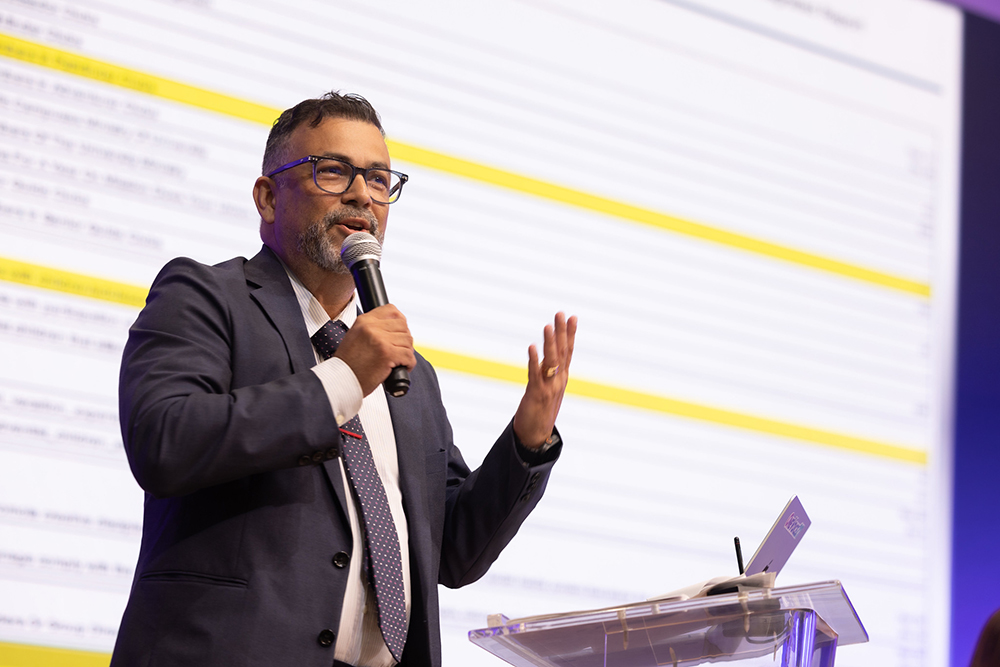
Othman González, coordinator of the ACMS, highlighted progress in implementing the integrated reporting platform across the territory.
The system allows leaders to track mission-related indicators including evangelistic campaigns, church planting initiatives, centers of influence, discipleship participation, and outreach to unreached populations.
“We’re missing out on a lot of our data if we don’t participate in the integrated report,” Gonzalez said.
Expanding Global Mission Outreach
Pastor Samuel Telemaque, Adventist Mission director for the IAD, reported that Inter-America continues expanding its missionary presence worldwide through Mission Refocus initiatives.
According to Telemaque, the division currently supports mission work in more than five world divisions and 25 countries through missionaries, church planters, and financial support totaling nearly US$1 million.
“The Inter-American Division is becoming a global leader in missions,” Telemaque said.
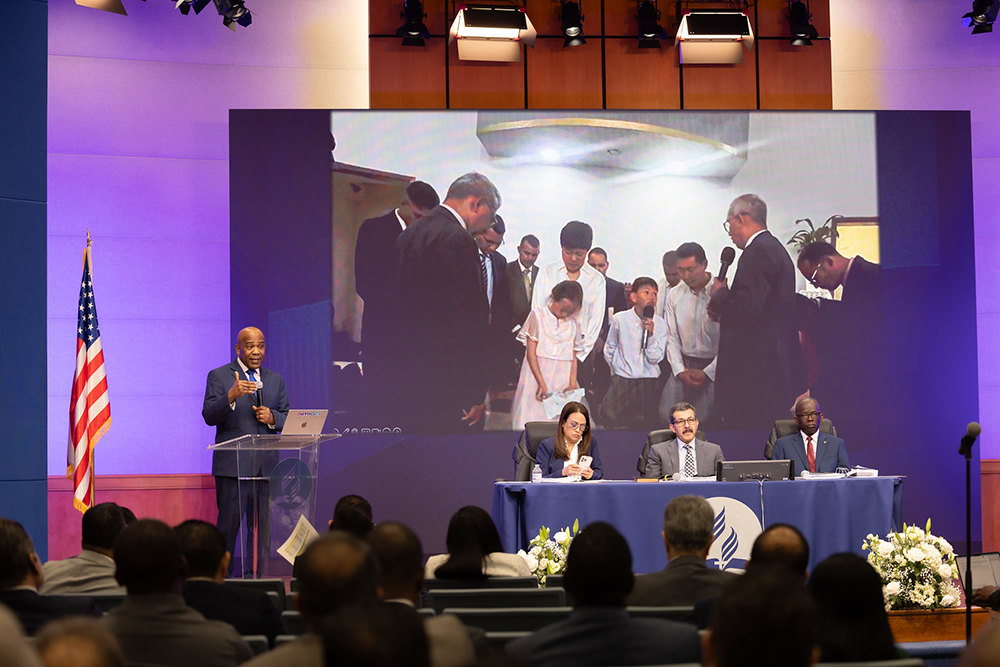
Telemaque also highlighted disaster response efforts following Hurricane Melissa in Jamaica, where 70 Adventist volunteers from eight countries helped build 60 homes for affected families.
A Call to Action and Collaboration
Caporal called on church leaders throughout the territory to strengthen collaboration, improve membership tracking, and expand mission efforts in urban centers and unreached regions.
“We want to transition from members on a list to disciples on a platform,” said Caporal.
He urged all local church clerks and secretaries across the division’s 25 unions to complete ACMS digital integrity certification by 2030, with the goal of making the Inter-American Division “the most accurate membership data” territory in the world church.
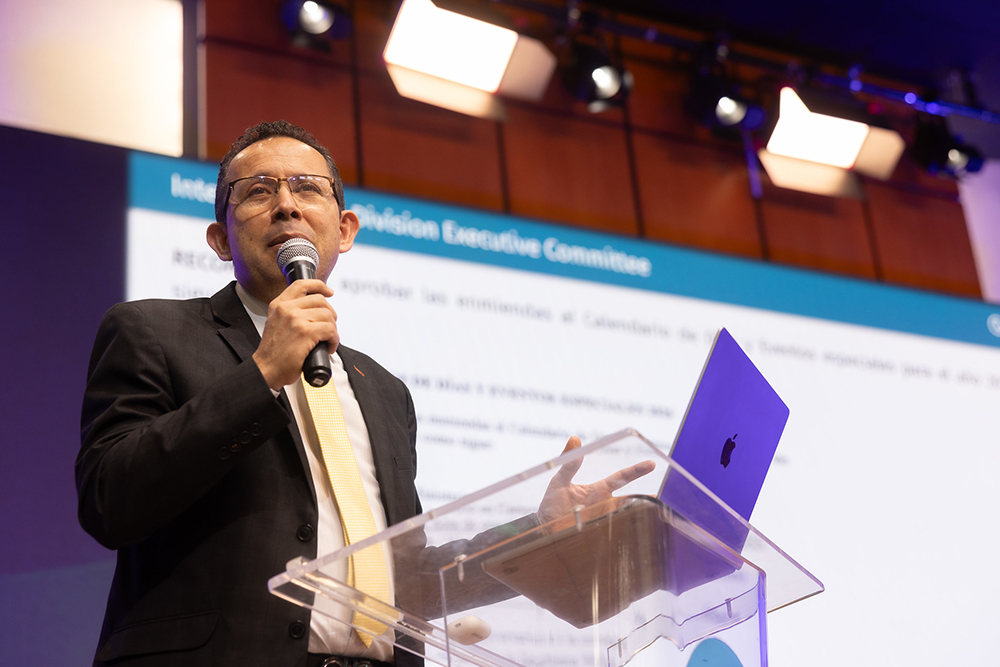
“Our statistics are more than just numbers on a spreadsheet,” he said. “They are the heartbeat of the Great Commission.”
Based on current growth trends, Caporal reported that the IAD is projected to surpass four million members by late 2026 or early 2027.
“Let us not be only administrators, dear colleagues, but architects of a final harvest,” he said.
Moving Beyond Counting Numbers
Throughout the session, leaders emphasized that statistics, technology, and administrative systems must ultimately support the church’s mission of discipleship and salvation.
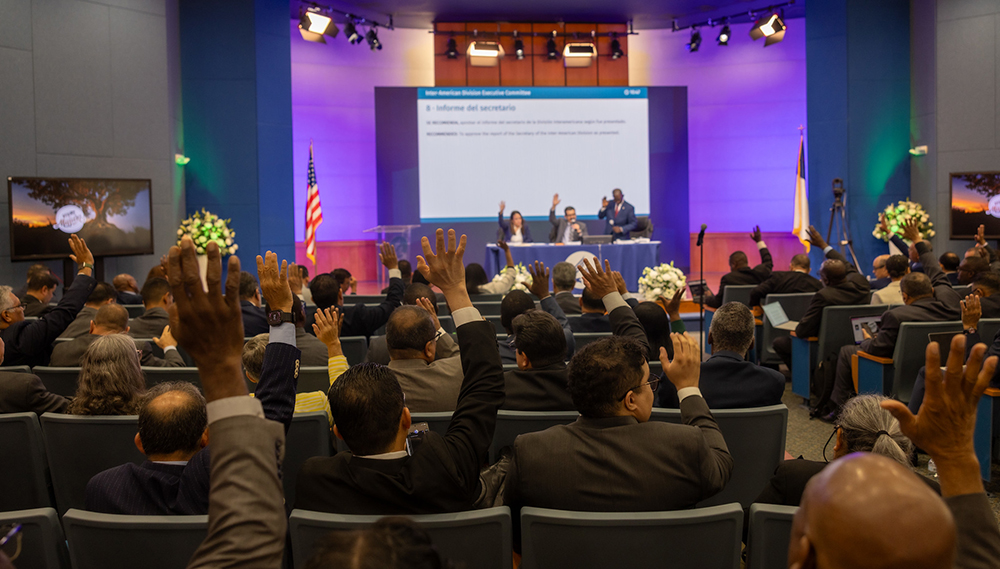
In his ending comments, Caporal challenged leaders to move beyond counting members toward developing disciples and preparing the church for future mission.
“Our purpose is not to reach a number, but to reach a person,” he said.
IAD President Abner De los Santos, reaffirmed the administration’s commitment to mission-focused leadership.
“In Inter-America, we don’t just focus on the mission,” De los Santos said. “We live the mission.”
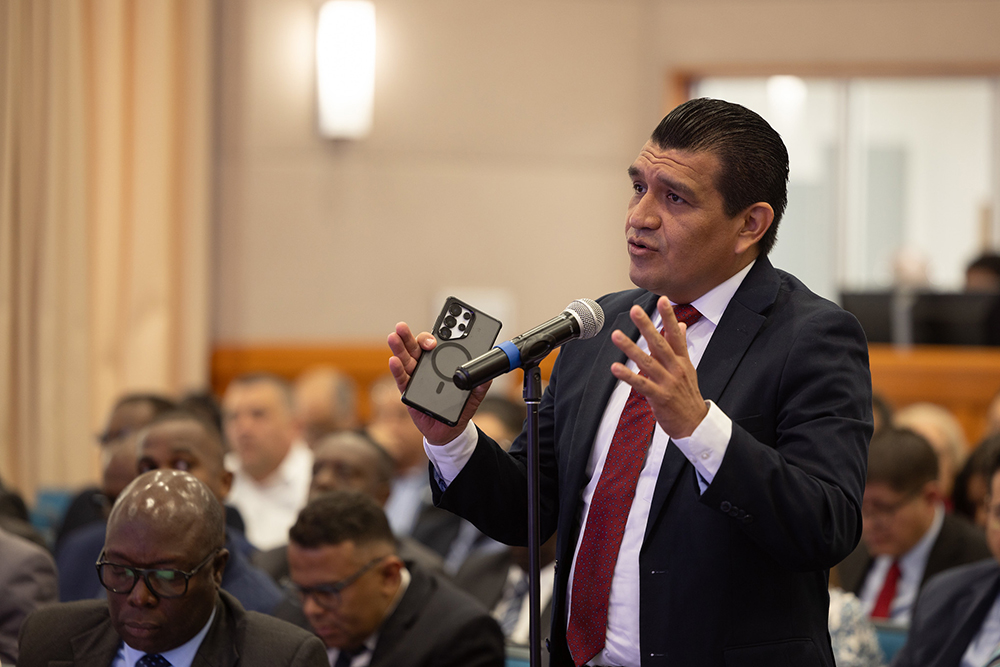
Several leaders responded positively to the report, commending the secretariat team for presenting a clearer picture of the church’s mission challenges and opportunities across the territory.
Luis Aguillón, executive secretary of the El Salvador Union, said the report not only reflected the church’s current reality but also provided direction for future discipleship and member care.
“The secretary no longer only records information, but becomes involved in the mission,” Aguillón said. “Today, in some churches, secretaries no longer say, ‘We had a baptism,’ but ‘We have a new disciple who was born.’”
Ken Tobias, president of the Caribbean Union, praised the leadership and vision of the secretariat team and encouraged leaders to use the report as a roadmap for future mission growth.
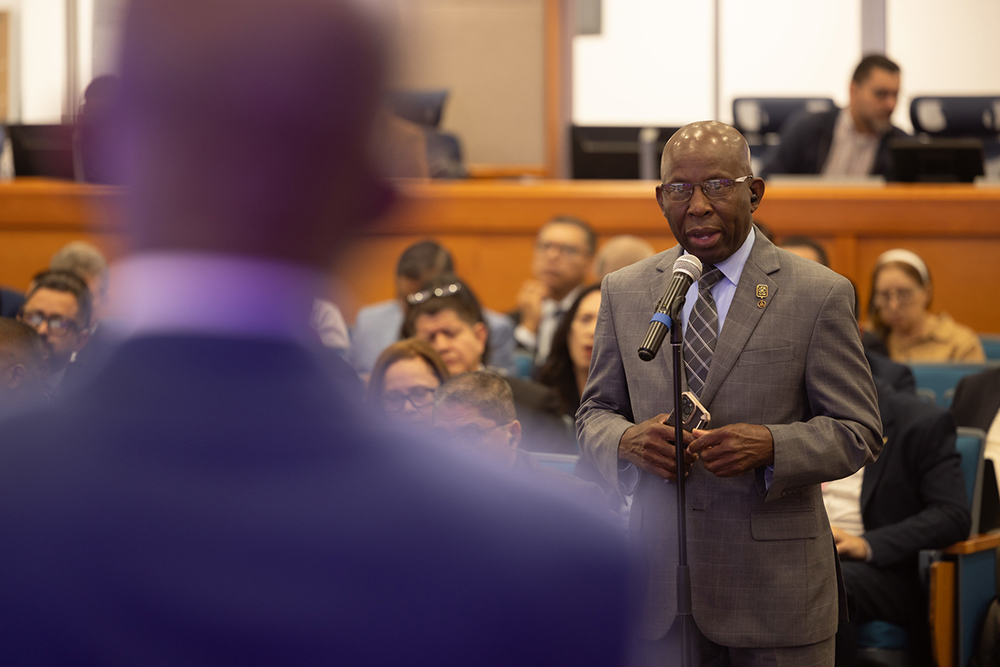
Glen Samuels, president of the Jamaica Union, praised the comprehensive nature of the secretariat report, particularly its emphasis on digital engagement and mission strategy.
“Most of the people are already here on the digital platform,” Samuels said, encouraging leaders to look more closely at how the church can maximize its evangelistic outreach and nurturing processes in the digital space.
For updates on the IAD’s Spring Meeting, visit us at interamerica.org
Related news
 From the Field
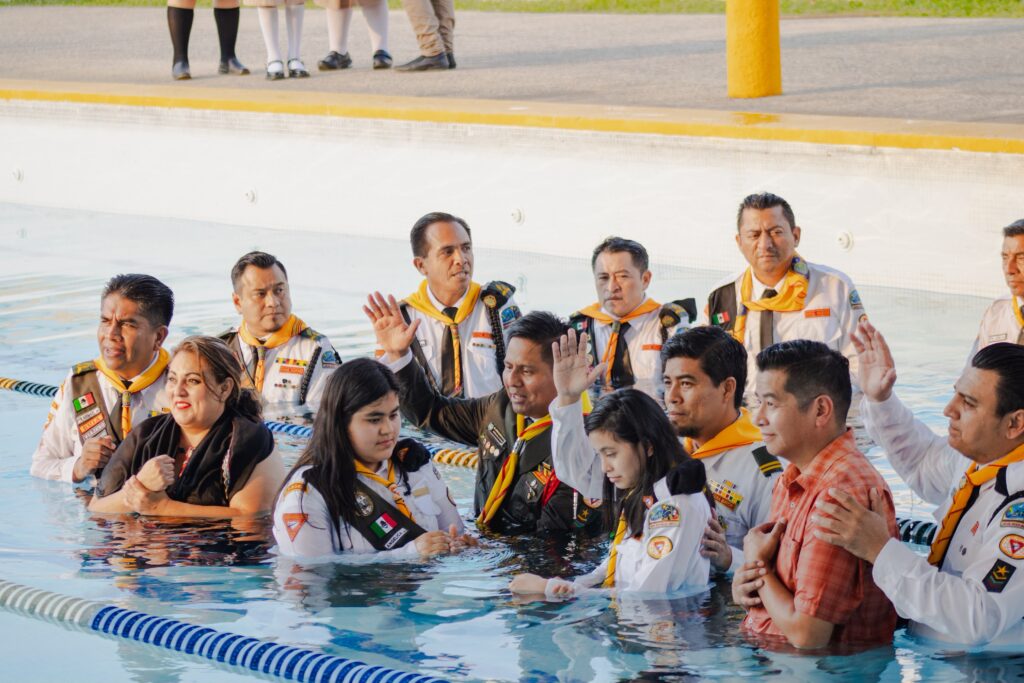
Pathfinder Evangelistic Tour Across Southeast Mexico Celebrates 164 Baptisms
Families join young people in decisions for faith as leaders recognize efforts to establish clubs in every church.
From the Field
Pathfinder Evangelistic Tour Across Southeast Mexico Celebrates 164 Baptisms
Families join young people in decisions for faith as leaders recognize efforts to establish clubs in every church.
 From the Headquarters
High School Students Across Inter-America Compete in Bible Reading Contest
Adventist Virtual Library contest brings together 14 finalists to test their knowledge of Genesis and strengthen Bible reading and faith.
From the Headquarters
High School Students Across Inter-America Compete in Bible Reading Contest
Adventist Virtual Library contest brings together 14 finalists to test their knowledge of Genesis and strengthen Bible reading and faith.
 From the Headquarters
A Journey to Egypt Confirms a Calling
Teaching Bible and English in Egypt confirmed Rubén Díaz’s calling to serve in a cross-cultural context.
From the Headquarters
A Journey to Egypt Confirms a Calling
Teaching Bible and English in Egypt confirmed Rubén Díaz’s calling to serve in a cross-cultural context.