
What’s the Difference Between Emergency Relief and Long-term Development?
When other agencies leave after a disaster, ADRA often stays for years. Here’s why.
May 13, 2026 | Silver Spring, Maryland, United States | ADRA International, and Adventist Review
When disaster strikes, the world watches. News cameras arrive, and donations pour in. Help mobilizes within hours.
But then, weeks later, the world starts to move on. The cameras leave; the headlines fade. But the communities? They’re still there, facing years of rebuilding that most donors will never see.
Understanding the difference matters because it shapes how you give, what impact your donation creates, and whether communities truly recover or simply survive.
Emergency Relief: The First 72 Hours and Beyond
When Hurricane Melissa slammed into Jamaica on October 28, 2025, as the strongest hurricane in the nation’s history, ADRA’s response began before the winds even stopped.
Within 24 to 48 hours ADRA Jamaica’s local team activated their national emergency management plan—a prewritten, preapproved, prebudgeted response strategy that allowed them to begin helping families immediately, without waiting for lengthy approvals or planning sessions. Just 72 hours after the Category 5 storm tore through the island with 185-mile-per-hour (almost 300-kilometer-per-hour) winds, ADRA’s Emergency Response Team landed in Kingston and began coordinating lifesaving assistance.
Emergency relief includes food, water, and shelter for displaced families, medical care and essential medicines, and safety and security measures. It also includes emergency hygiene kits and sanitation, search-and-rescue operations, and debris clearing from critical access routes. The goal is to keep people alive and safe, address immediate survival needs, and prevent secondary deaths from disease, dehydration, or exposure.
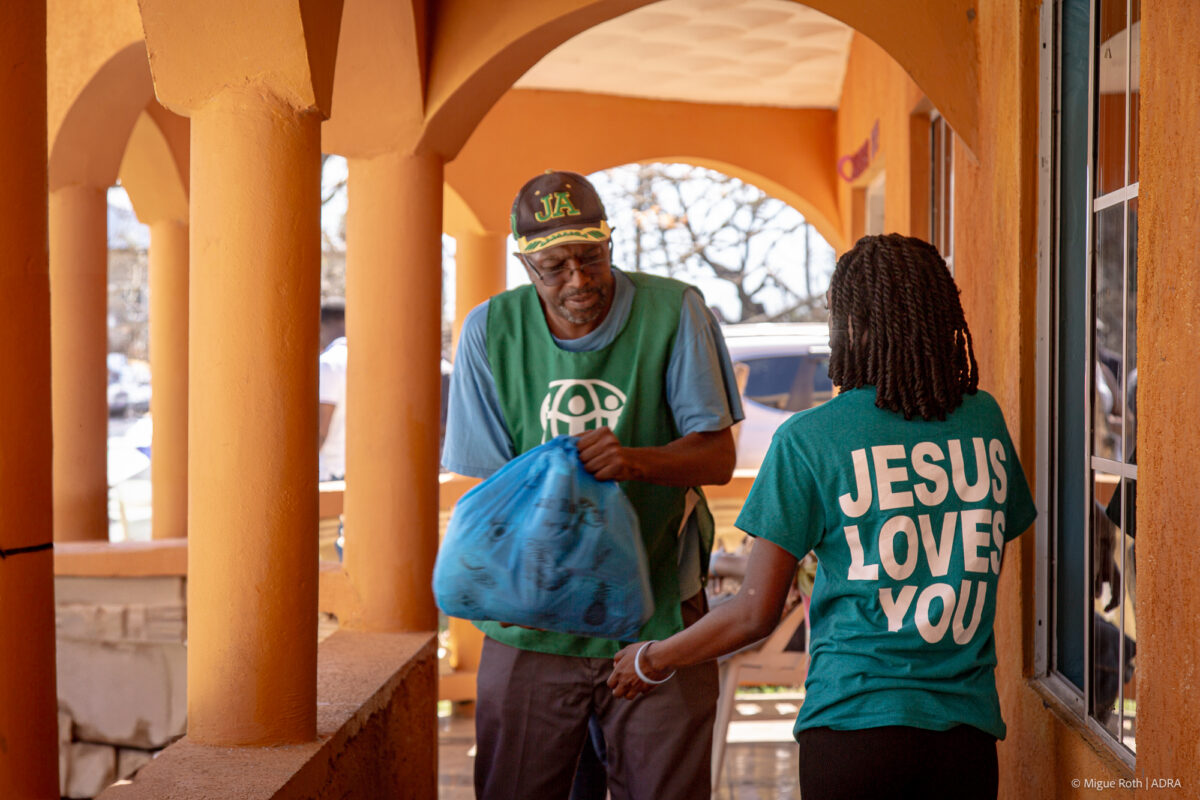
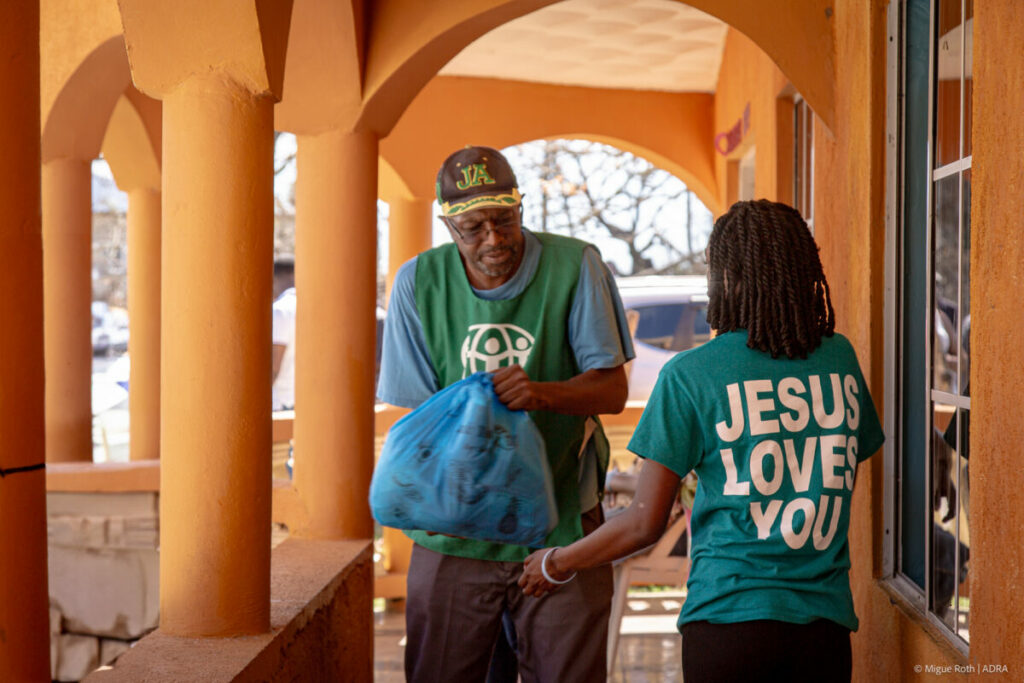
Within days of Hurricane Melissa’s landfall, ADRA Jamaica distributed 1,000 food kits—providing emergency food assistance to approximately 4,000 people in St. Elizabeth Parish, one of the hardest-hit areas. Despite power outages and communication challenges that made coordination difficult, ADRA’s teams worked steadily to reach affected families.
“Our priority right now is to make sure families receive the critically important help they need as quickly and safely as possible,” said Ruben Ponce, a member of ADRA’s Emergency Response Team in Jamaica.
But even in those first frantic days of emergency response, ADRA was already thinking about what comes next.
The Bridge: Early Recovery and Assessment
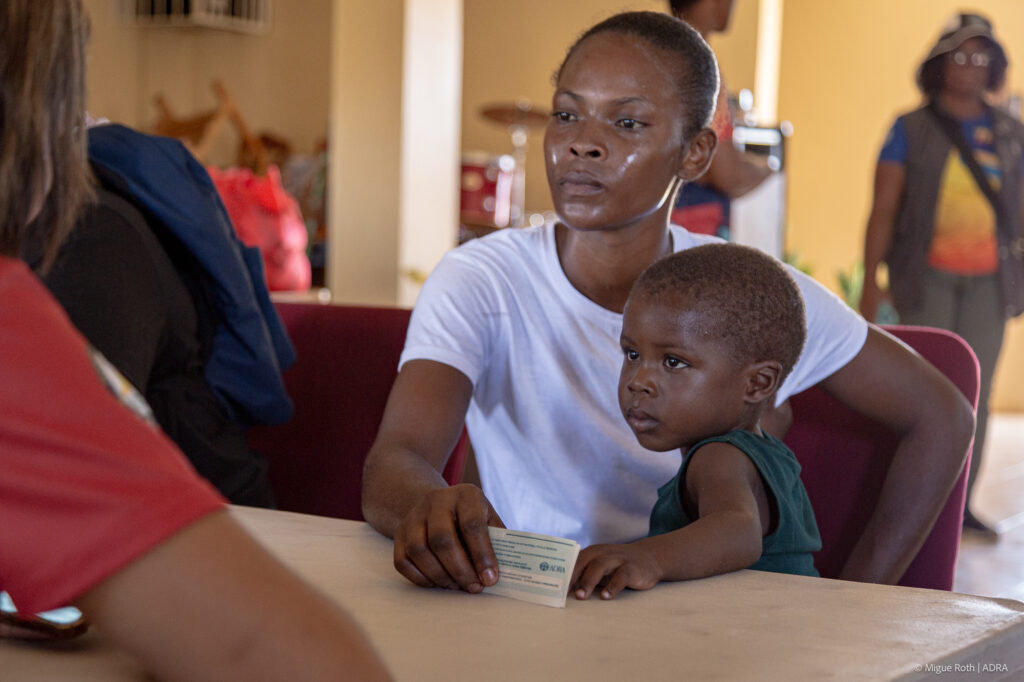
When Alejandra López arrived in Jamaica as part of ADRA’s Emergency Response Team, she found herself balancing two realities at once. In the mornings she was loading trucks with emergency supplies and coordinating distribution sites. In the afternoons she was walking through devastated communities, listening to survivors describe what they’d lost, and assessing what they’d need not just today, but six months from now.
This second stage can take up to six months after the initial emergency phase. The goal here is to stabilize the situation, prevent further deterioration, and begin laying groundwork for sustainable development.
This is when most media attention fades. The world has moved on to the next crisis. But communities are just beginning to grapple with the scale of what they’ve lost and what recovery will require.
“People are still in shock from the impact of Hurricane Melissa,” López observed. “Many families have lost their homes or livelihoods, and some communities remain difficult to reach. Despite the challenges, what we’re hearing and seeing from our teams on the ground is, at the same time, both heartbreaking and inspiring.”
Walking through affected communities in Jamaica, ADRA’s teams found homes and businesses reduced to rubble, roofs torn away or patched with bright-blue tarpaulins, and debris covering roads and fields. Salt from the ocean spray had killed trees and contaminated agricultural land. Water tanks lay scattered, blown far from the homes they once served.
Yet amid the devastation, community members waved with gratitude, helped one another rebuild walls, and showed quiet determination that recovery was possible. This resilience becomes the foundation for everything that follows.
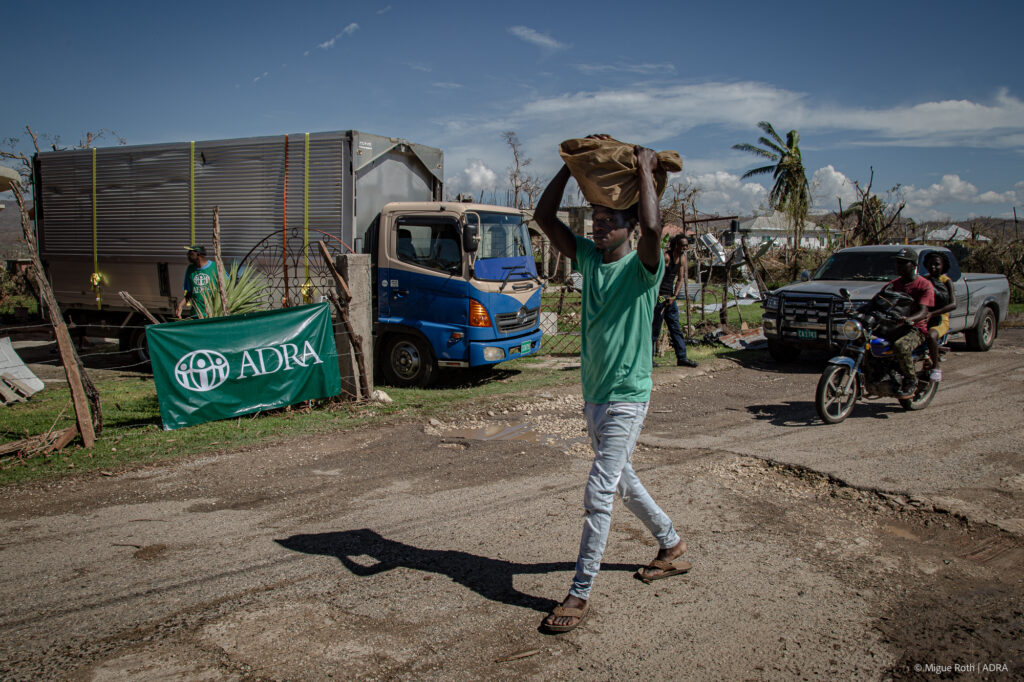
Here’s what most people don’t realize about disaster recovery: the hardest, most critical work happens after the emergency response ends.
Six months after Hurricane Melissa, most donors will have forgotten about Jamaica. But families will still be living under tarps. Children will be attending school in damaged buildings. Farmers will be struggling with contaminated soil. Small business owners will be trying to rebuild their livelihoods with no capital and with damaged equipment.
This is where long-term development comes in—and where ADRA’s approach differs from many humanitarian organizations. Long-term development includes permanent housing reconstruction, infrastructure rebuilding (schools, clinics, water systems), economic recovery and livelihood programs, and agricultural rehabilitation and food security. It also includes health systems strengthening, education programs and trauma support for children, and disaster risk reduction and climate adaptation.
This last stage can take from six months to five or more years. The goal is to help communities not just recover to their previous state, but also become stronger, healthier, and more resilient than they were before the disaster.
“Humanitarian response, sustainable development, and peacebuilding are not separate activities,” explained Michael Kruger, former president of ADRA International, in a recent reflection. “They are interconnected aspects of the same reality faced by people living through crises.”
This understanding shapes how ADRA works. From the earliest stages of emergency relief, ADRA links response activities to long-term development goals. There’s no clean “switch” from emergency mode to development mode—they overlap and inform each other from day one.
The original version of this article was posted by ADRA International.
Related news
 From the World Church
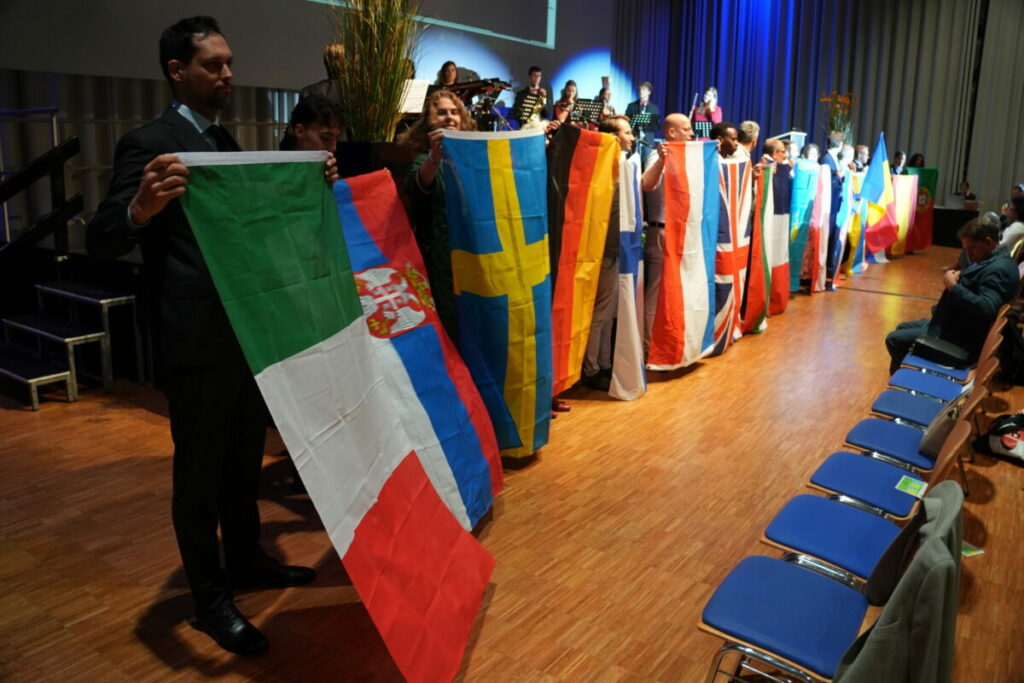
More Than 300 Lay “Evangelists” from Across Europe Recommit to Mission
“Before business, we live to share Jesus,” ASi Europe leader says.
From the World Church
More Than 300 Lay “Evangelists” from Across Europe Recommit to Mission
“Before business, we live to share Jesus,” ASi Europe leader says.
 From the Field
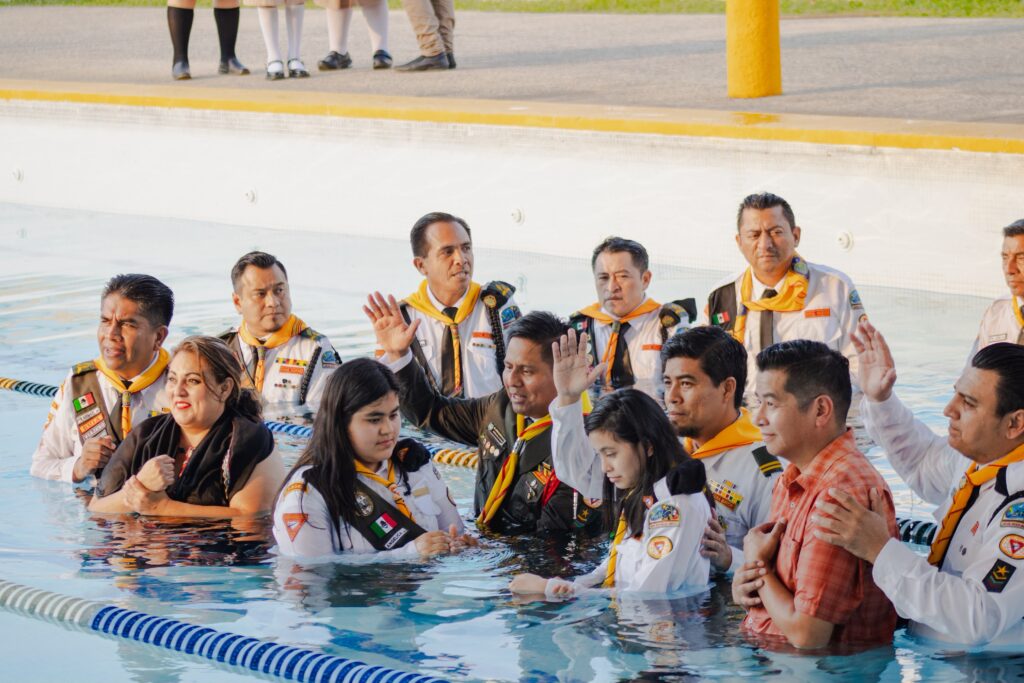
Pathfinder Evangelistic Tour Across Southeast Mexico Celebrates 164 Baptisms
Families join young people in decisions for faith as leaders recognize efforts to establish clubs in every church.
From the Field
Pathfinder Evangelistic Tour Across Southeast Mexico Celebrates 164 Baptisms
Families join young people in decisions for faith as leaders recognize efforts to establish clubs in every church.
 From the Headquarters
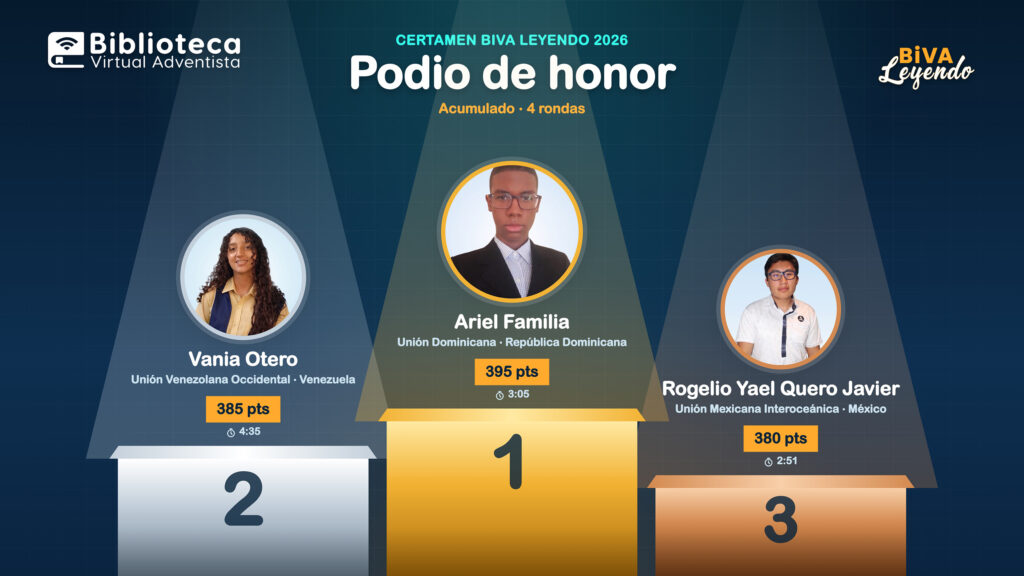
High School Students Across Inter-America Compete in Bible Reading Contest
Adventist Virtual Library contest brings together 14 finalists to test their knowledge of Genesis and strengthen Bible reading and faith.
From the Headquarters
High School Students Across Inter-America Compete in Bible Reading Contest
Adventist Virtual Library contest brings together 14 finalists to test their knowledge of Genesis and strengthen Bible reading and faith.