
Adventist Creators Called to Turn Digital Influence Into Mission

Creators challenged to move beyond online influence and turn digital connections into opportunities for discipleship.
August 25, 2026 | Silver Spring, Maryland, United States | Libna Stevens, Inter-American Division News
For Bledi Leno, director of the Center for Secular and Post-Christian Mission (CSPM), reaching people for Jesus in an increasingly secular and digital world begins not with winning arguments, but with listening, building relationships, and living out faith.
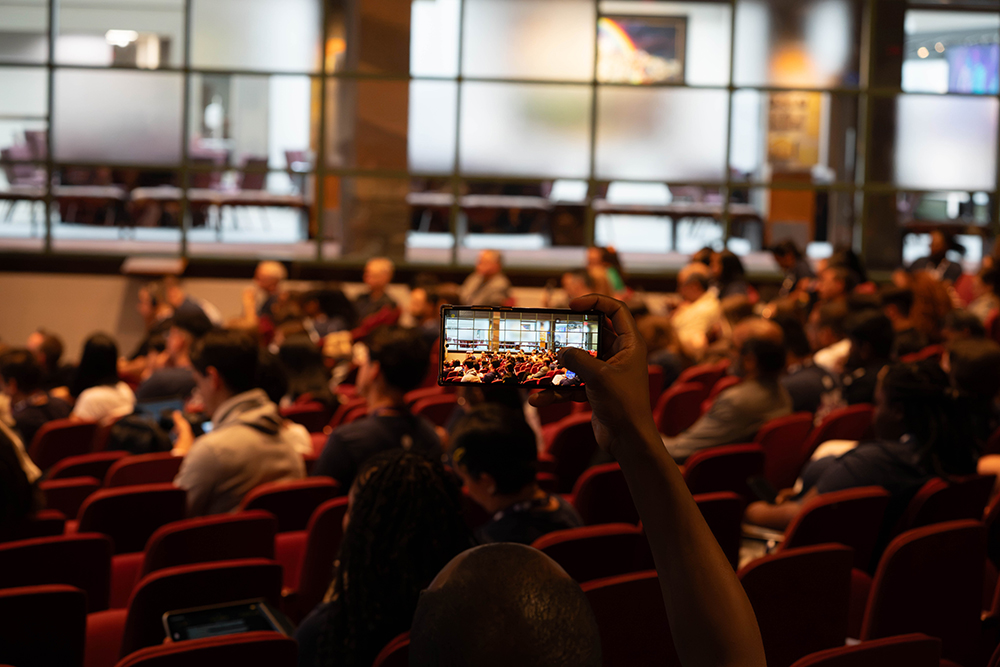
It was a key challenge for nearly 200 Adventist content creators and influencers at the 2026 Creator Summit, held July 20–24 in Silver Spring, Maryland: look beyond followers and views and use digital influence to reach people who may never enter a church.
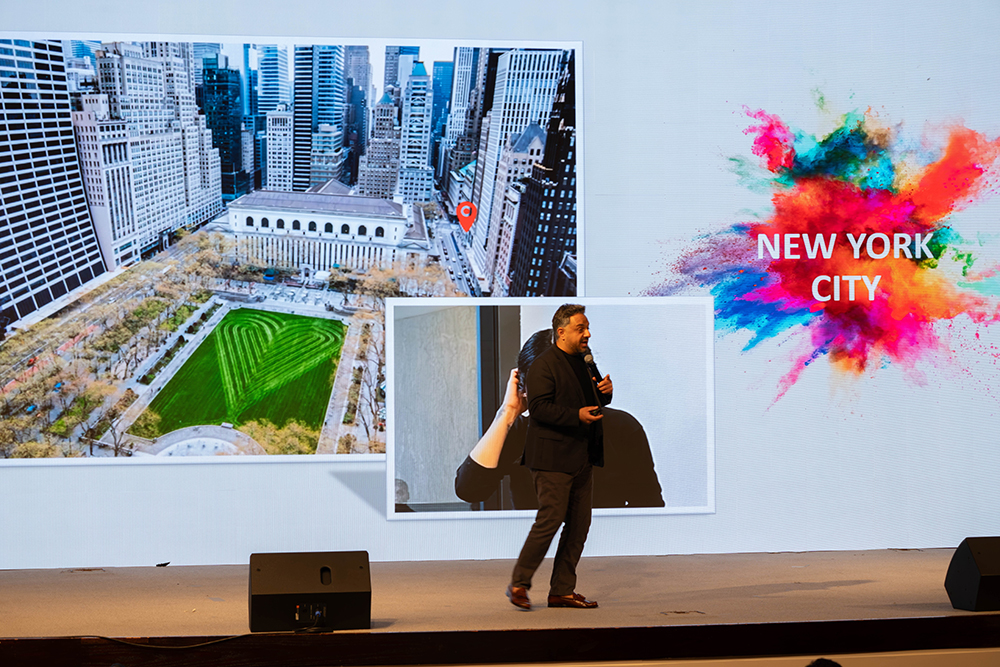
Leno, challenged creators to understand the people behind their screens before deciding how to communicate with them.
In societies where institutional religion is increasingly viewed with skepticism, the personal witness of individual believers can open doors that an organization may not, he said.
“You are not the institution. You are a person. But you are part of the movement,” Leno told participants. “You, the person, who connects with other people, you represent the global organization, the movement that we are as a church.”
Understanding the People Behind the Screen
Leno described secular and post-Christian audiences as people who may distrust institutions and reject traditional expressions of religion but still wrestle with loneliness, identity, purpose, hope, and belonging.
Behind skepticism and apparent disinterest, he said, many people are still searching for connection, healing, and meaning.
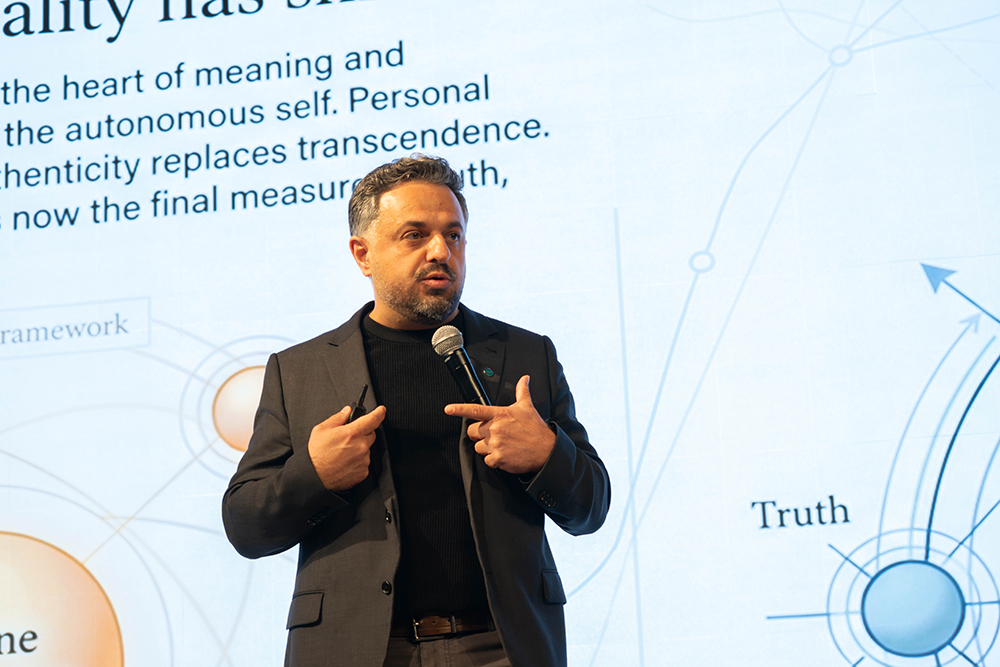
“It’s not about telling, but it’s about showing,” Leno said, urging creators to communicate faith through both words and the way they live. He encouraged an approach marked by listening, humility, honest questions, and invitation rather than imposition.
That emphasis was intentional, said Alyssa Truman, communication director of the General Conference, who helped shape the mission focus of the summit. Creators were introduced to several challenging mission audiences to broaden their understanding of the people they may already be reaching, or could intentionally seek to reach.
“As content creators, I think it’s important for them to understand some of the most challenging audiences in the world,” Truman said. Creators, she added, often concentrate on producing content without fully understanding the people consuming it.
The goal was not simply awareness, she said, but to equip creators and leave room for a deeper sense of calling.
“It’s also allowing for the Holy Spirit to place burdens on people’s hearts,” Truman said. “Maybe somebody feels very called to create for a very specific audience.”
Leno illustrated that approach through the story of a woman he met while planting a church and center of influence in New York City. She initially made clear that she did not believe in God and was attending only because of a friend.
Rather than pressuring her, Leno and his ministry partner gave her space and built a relationship. Later, after experiencing tragedy, she reached out with a question: “What would you tell someone who has lost hope completely?”
That question opened the way for deeper conversations about faith, purpose, and meaning. She was eventually baptized publicly in New York and later began leading a Bible study group. Leno said the experience demonstrates what can happen when believers listen and remain present long enough for trust to develop.
The same principle can extend into the digital space, he said.
“You can do that from your screen today,” Leno told creators, pointing to people around the world who may be searching for something they cannot yet identify.
Rick McEdwards, executive secretary of the General Conference, broadened the challenge by asking creators to consider populations, cities, and languages where the Adventist message has little reach.
“You as content creators are the creative brain trust of the church,” McEdwards told participants, challenging them to use available tools to communicate the gospel across language barriers.
But digital reach alone is not enough, he said.
McEdwards challenged creators to move from online influence toward personal discipleship by praying for at least one person with whom they could personally study the Bible during the next 18 months.
“If you’re a digital influencer, you need to take the next step and lead somebody to Jesus,” he said.
For McEdwards, the opportunity lies in connecting digital influence with personal relationships. “You never know how God will bless your prayer if you but take a risk beyond the digital into the personal,” he said.
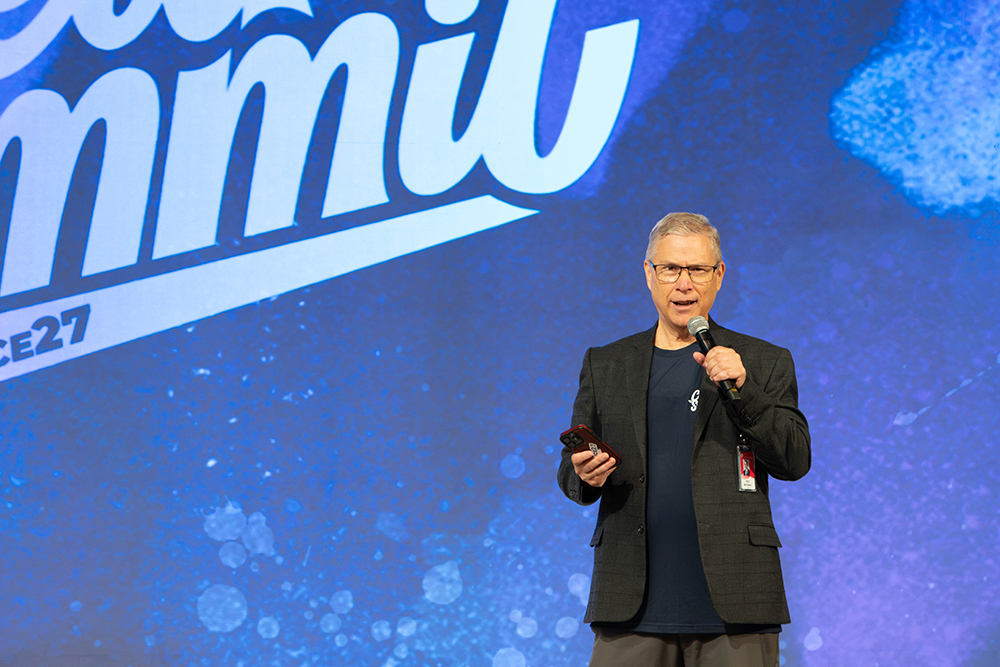
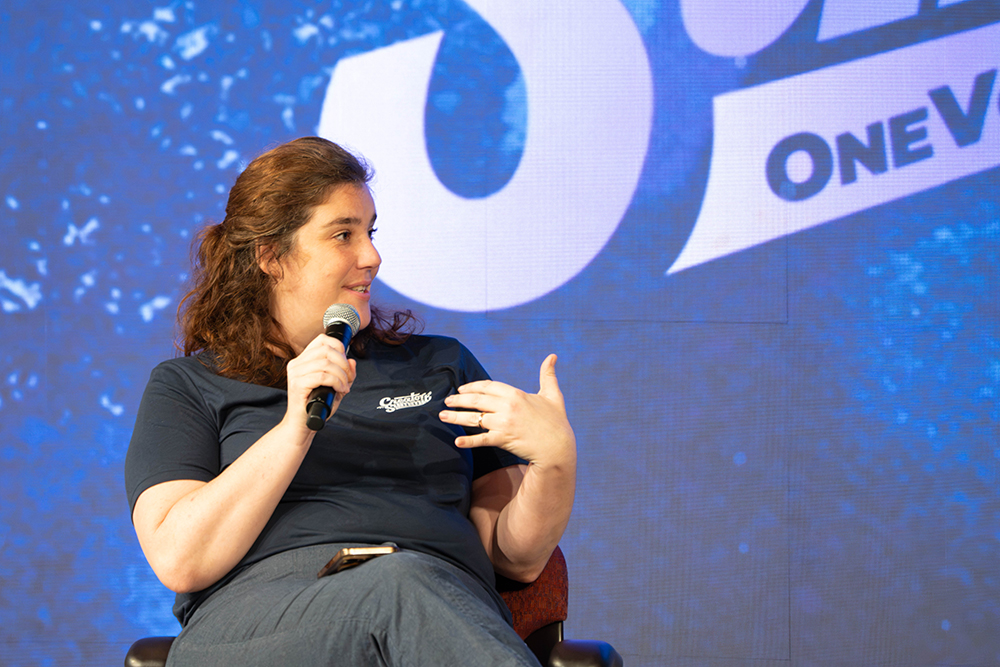
That call takes on added significance as Adventists prepare for OneVoice27, which seeks to mobilize members around the world to use their voices and influence to share Jesus.
For content creators, the mission emphasis at the summit underscored that participating in such a movement involves more than producing religious content, organizers said. It means understanding the people receiving it, communicating in ways that connect with their questions and experiences, and creating pathways from online engagement to Christian community and discipleship.
Leno encouraged creators to connect their online ministry with local churches, community projects, and centers of influence so relationships that begin digitally can develop in person.
His challenge ultimately returned creators to the person on the other side of the screen, meaning someone who may appear indifferent to faith but is still searching for identity, hope, belonging, and something beyond the present.
The opportunity for creators, Leno suggested, is not simply to become more effective influencers, but more intentional missionaries, using the platforms already in their hands to open doors through which people can encounter Jesus.
Related news
 From the World Church
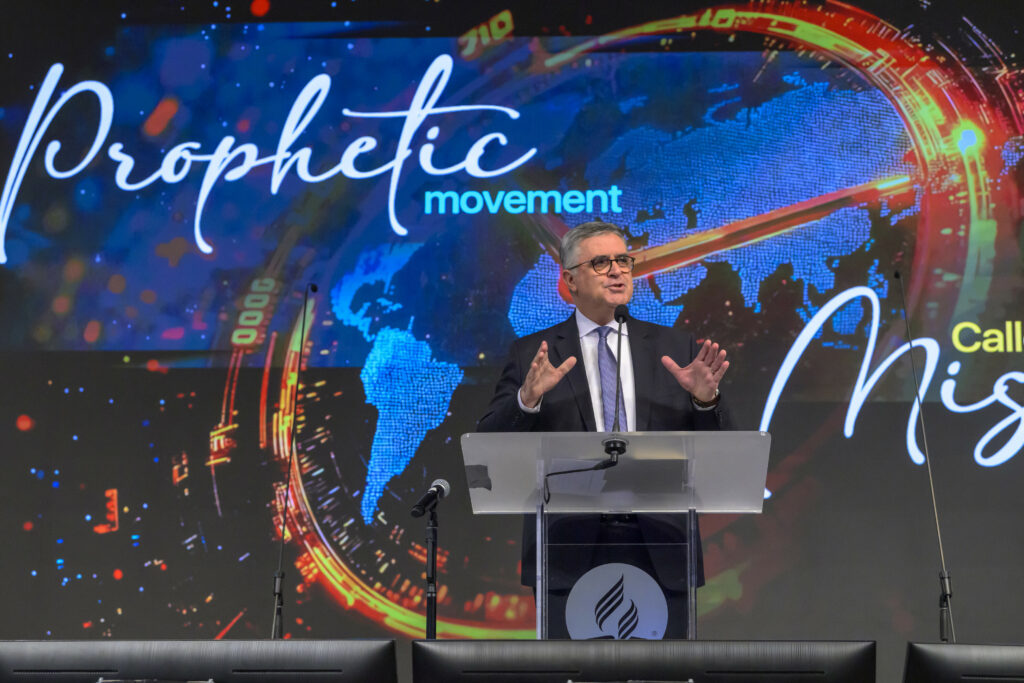
Church President Makes Impassioned Plea to Move Forward Together
Erton Köhler appeals to Seventh-day Adventist leaders to make mission a priority.
From the World Church
Church President Makes Impassioned Plea to Move Forward Together
Erton Köhler appeals to Seventh-day Adventist leaders to make mission a priority.
 From the World Church
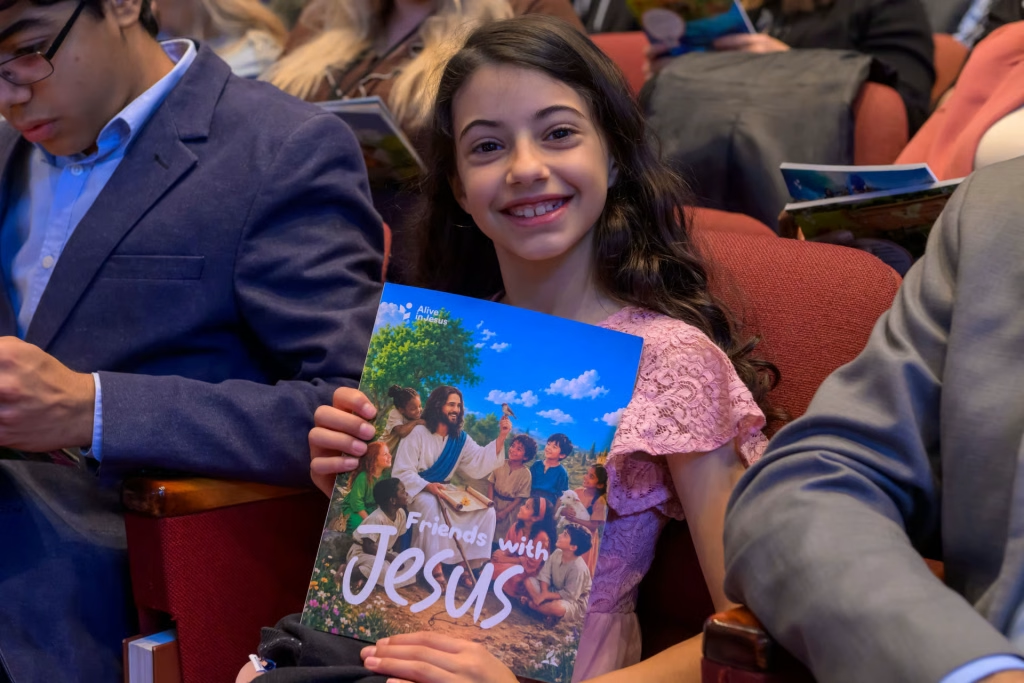
Adventist Church Introduces New Children’s Books Designed for Outreach
New Alive in Jesus Mission Edition books share Bible stories with families unfamiliar with Christianity.
From the World Church
Adventist Church Introduces New Children’s Books Designed for Outreach
New Alive in Jesus Mission Edition books share Bible stories with families unfamiliar with Christianity.
 From the World Church
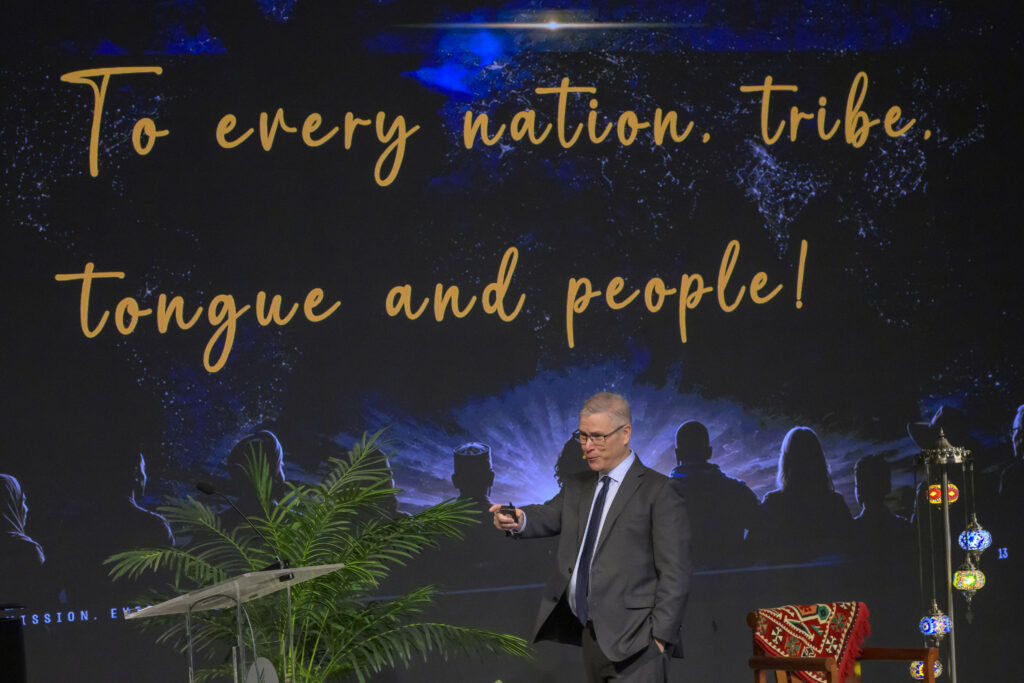
‘Mission Refocus’ Stories Challenge Adventist Leaders to go Where the Need Is Greatest
Annual Council program highlights the need for more missionaries in underserved communities.
From the World Church
‘Mission Refocus’ Stories Challenge Adventist Leaders to go Where the Need Is Greatest
Annual Council program highlights the need for more missionaries in underserved communities.