
Rescuing Lives When Disaster Struck Home
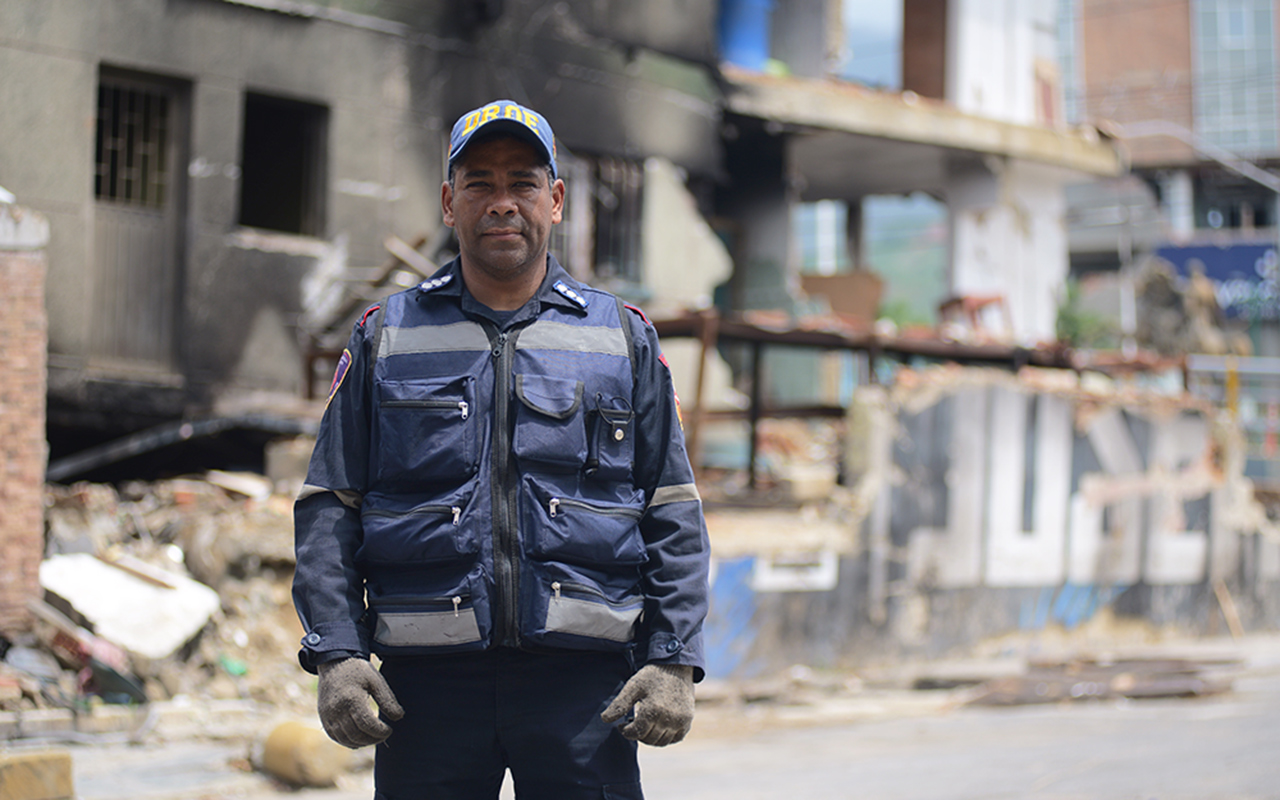
Adventist rescue captain Robinson Navarro reflects on lives saved, painful losses, and the faith that sustained him after Venezuela’s earthquake.
September 3, 2026 | Caracas, Venezuela | Nohemi Belandria and Inter-American Division News
When the ground began to shake, Captain Robinson Navarro was on the second floor of the Caracas fire station where he was based. At first, he didn’t think much of it. Days earlier, there had been a tremor that his colleagues had not even noticed. But this time, the shaking grew stronger and did not stop. Within seconds, he made the assessment his training required.
“If I went downstairs, there were two slabs that could fall on me,” he recalled. “Where I was, there was only one.”
The exit was too far away, so Navarro decided the safest option was to stay where he was. As the shaking continued, sections of the ceiling above him began to fall.
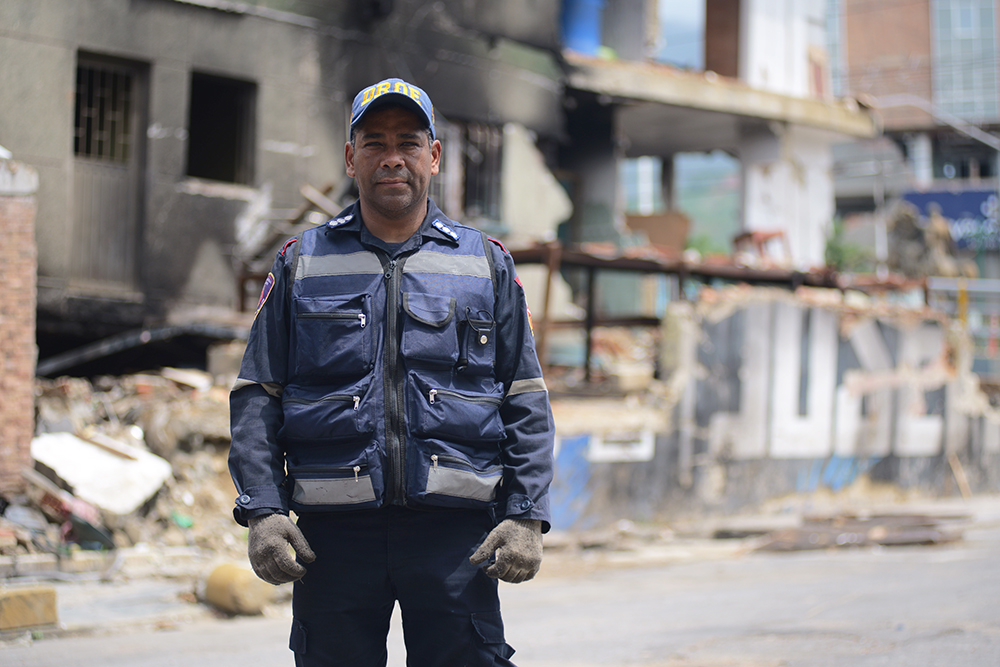
On June 24, 2026, when an earthquake devastated central Venezuela, including his home state, Navarro was called to respond to a disaster that had struck close to home.
The Rescue Begins
When the shaking stopped, he made sure his team was safe and thought about his family. Communications were down.
“You worry about your family, but when you are helping someone in distress, your mind blocks everything else and focuses only on finding a solution,” he explained. “I trusted that God had taken care of them.”
Reports came over the radio. First, an evacuation at a shopping center in downtown Caracas. Then San Bernardino, a district in Caracas.
“That was the shock: buildings completely collapsed, people trapped and calling for help,” he said.
Some were trapped beside loved ones who had died and did not want rescuers to move them. Navarro explained that the priority had to be reaching those who were still alive.
“Sometimes it takes two, three, even six hours to get just one person out,” he said.
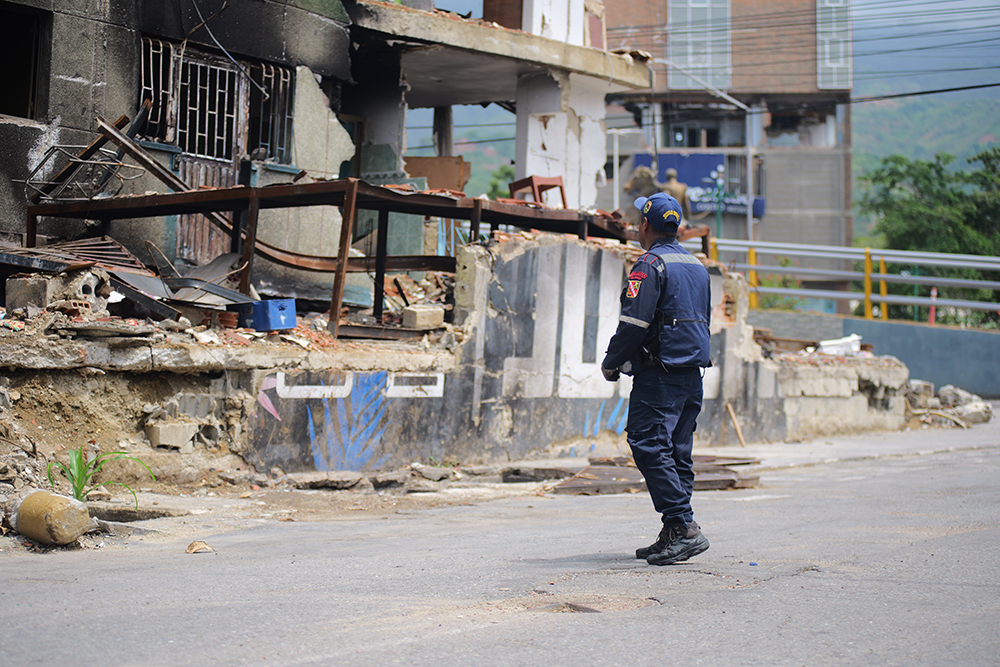
At one collapsed building, a team was already working to reach a trapped man, a retired official in his 60s. They could hear his voice but had to remove debris to find him. When they finally reached him, only part of his head was visible. Then he told rescuers that farther below were his neighbors, a couple who were also alive.
“Knowing that we could save three people filled us with hope,” Navarro recalled.
For more than four hours, they worked amid aftershocks that repeatedly forced them to retreat. They cleaned his face, gave him water, and encouraged him. But when they reached his arm, trapped beneath a door, Robinson felt something that alarmed him.
“When I touched his arm, it was very cold. There was no capillary refill. That limb was already dead.”
It was crush syndrome, a potentially life-threatening condition that can occur when a trapped limb is released. They applied a tourniquet, started an IV, and followed emergency procedures.
“We managed to get him out alive, but when he reached the hospital, he didn’t make it,” he said, his voice breaking. “That broke our hearts because of all the work that was done and the time we spent with him.”
The couple trapped below him, however, was rescued alive, thanks in part to the man who, while still trapped himself, guided rescuers to their location.
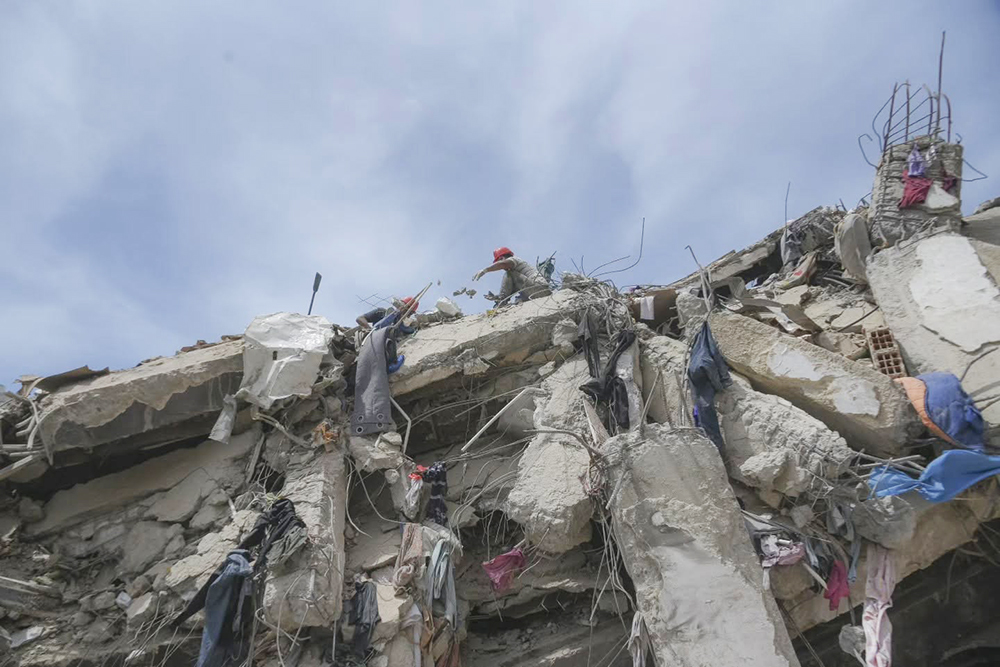
In La Guaira, one of the areas hardest hit by the earthquake, Navarro had to leave behind a young woman who was nearly free when a tsunami warning forced his team to evacuate. The rescuers cried at the thought of leaving her behind.
“It’s a very difficult decision because you are responsible for those guys. I went out with 36 rescuers, and all 36 of us had to come back together.”
Hours later, they returned. Another team had already brought her to safety.
Faith on the Front Lines
Earlier, before the team set out for La Guaira, one of Navarro’s colleagues suggested they pray and called on him to lead.
“They would say, ‘Where’s Navarro? Call the evangelical,’” he recalled with a smile. “I prayed for them, and the guys were very happy. That awakened the spiritual side of many of my colleagues.”
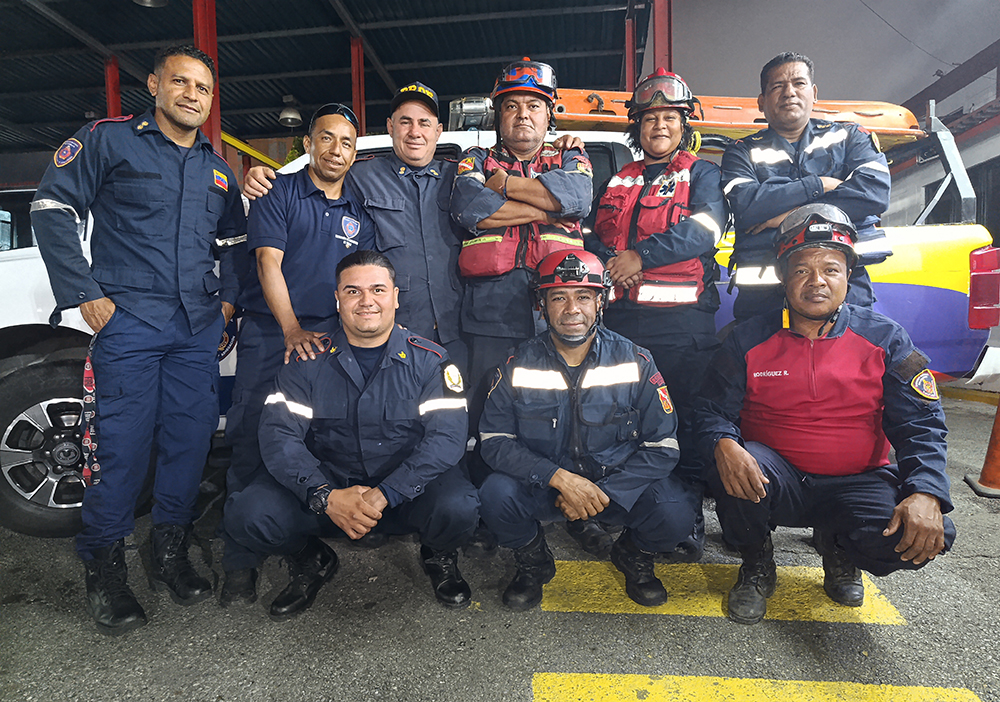
Navarro said his faith also guided the way he responded to people in moments of distress. When someone reacted with anger, he would take the person aside, listen, and speak calmly with them, sometimes sharing a Bible passage.
“‘A gentle answer turns away wrath,’ the Bible says, and we put it into practice.”
Navarro said his faith led him to see each person he encountered as a child of God. He also drew encouragement from the presence of church medical brigades, ADRA volunteers, and international teams supporting the response.
“Seeing a symbol of the church there gave us strength. You would say, ‘We are not alone. The church is supporting us.’”
The response became deeply personal when he traveled to Carayaca.
“That was where it hit me the hardest because it was my home, the area where you know the people,” he said.
His own home in Carayaca had also sustained damage, including a large crack in a column in his son’s bedroom. But when Navarro arrived, he found comfort in his son’s embrace.
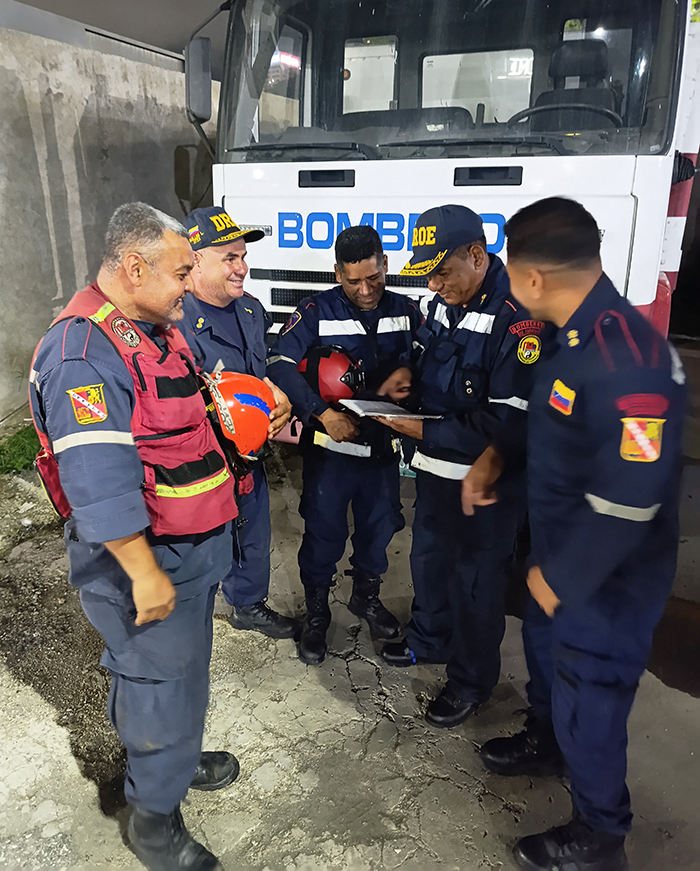
Two months later, Navarro still carries the images of what he witnessed. He has responded to earthquakes and hurricanes in other countries, but, he said, “it’s not the same when it happens in your own country.”
One detail has stayed with him: the earthquake lasted about 39 seconds.
“To me, it seemed like an eternity,” Navarro said. “In those 39 seconds, people had time to reflect, make decisions, and turn to God. That’s where I find hope.”
That hope has helped Navarro process the lives lost in the disaster.
“Even in their final moments, like the thief on the cross, someone may have chosen to follow the Lord,” Navarro said. “I have faith that we will see them again.”
The experience also changed his perspective on what matters most, he said.
“We can lose material things in 39 seconds. What matters most is nurturing our relationships with our families and remaining faithful to the Lord.”
For those who lost everything, or whose faith was shaken by the tragedy, Navarro points to the same conviction that sustained him throughout the response.
“God is in control of all things,” he said. “Instead of asking why this happened, let’s ask what God can teach us through it. That can help us understand His purpose for our lives.”
Related news
 From the World Church
General Conference Announces New Apps Built for OneVoice27
Adventist Knowledge is Adventist Intelligence and Adventist+ will help church members and those curious about the Adventist faith discover the Bible.
From the World Church
General Conference Announces New Apps Built for OneVoice27
Adventist Knowledge is Adventist Intelligence and Adventist+ will help church members and those curious about the Adventist faith discover the Bible.
 From the World Church
Treasurer Confirms Record Mission Investment Ahead of OneVoice27
Paul H. Douglas’ report highlights mobilization of resources “as never before.”
From the World Church
Treasurer Confirms Record Mission Investment Ahead of OneVoice27
Paul H. Douglas’ report highlights mobilization of resources “as never before.”
 From the World Church
Church Manual Will Undergo “Comprehensive” Revision Before 2030
Delegates seek clarity on scope of revision and motion passes 167 to 32.
From the World Church
Church Manual Will Undergo “Comprehensive” Revision Before 2030
Delegates seek clarity on scope of revision and motion passes 167 to 32.