
“These Are Churches in the Form of Food Factories”

October 12, 2026 | Silver Spring, Maryland, United States | Marcos Paseggi, Adventist Review
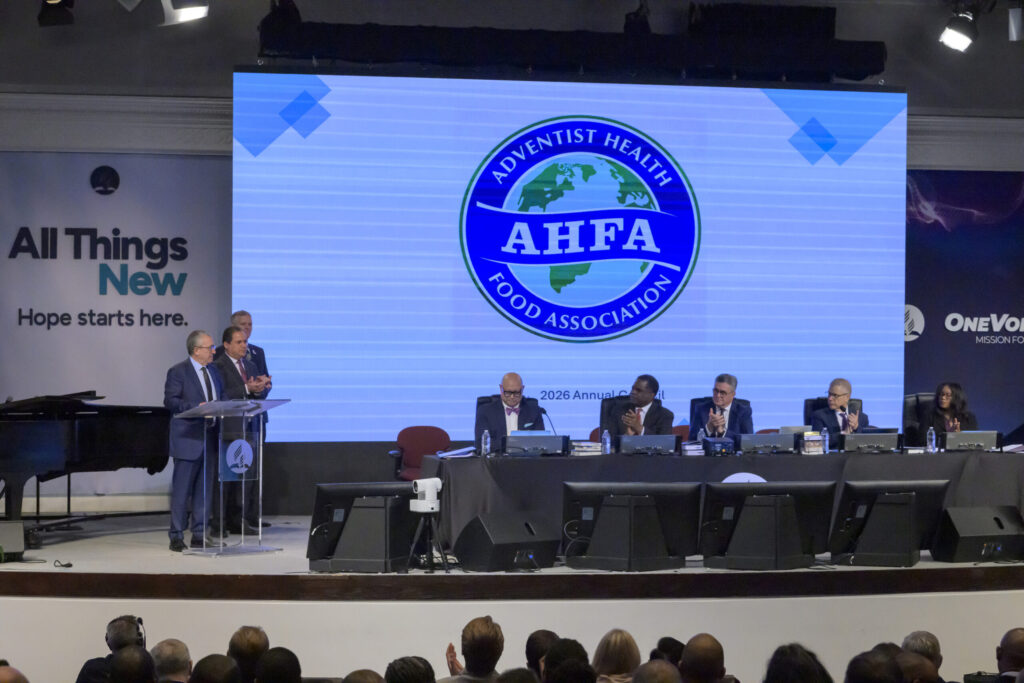
Seventh-day Adventist health food factories are part of our church family, General Conference president Erton Köhler reminded members of the General Conference Executive Committee (GC EXCOM) October 9 during the morning business session of the Annual Council 2026. “They are part of the spirit of integration, and it’s a privilege for us to have food factories that are representing and helping to share the health message that the Lord entrusted to us [through] the products they are producing and selling.”
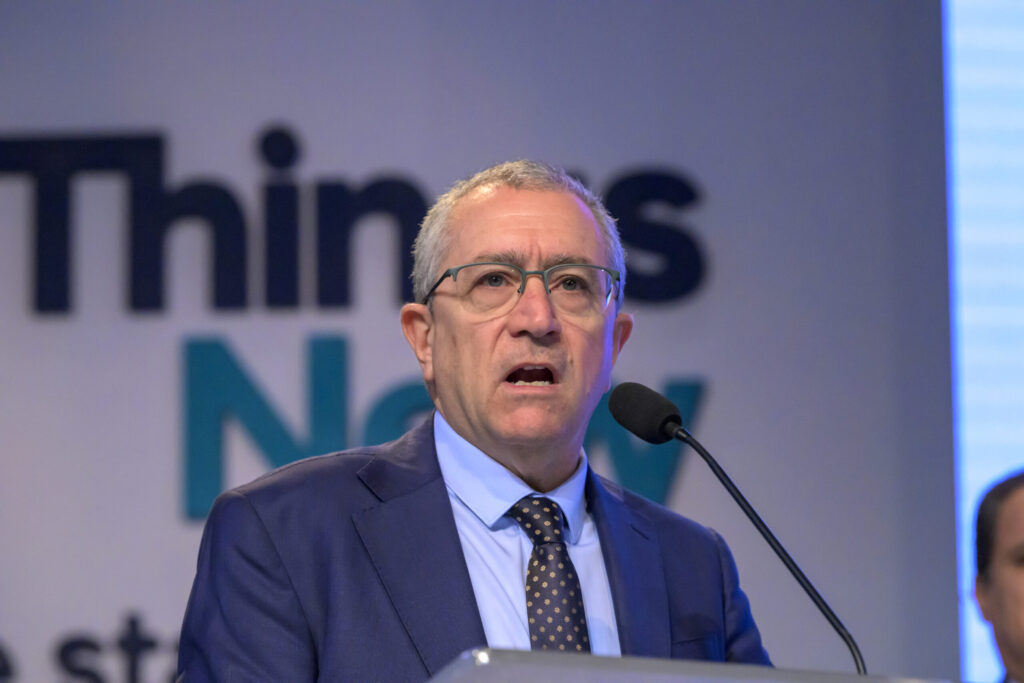
Köhler’s remarks introduced a brief presentation led by Marcelo Cerdá, CEO of the Granix food factory in Argentina and current coordinator of the Adventist Health Food Association (AHFA), an organization that groups together health food factories managed by the Adventist Church around the world.
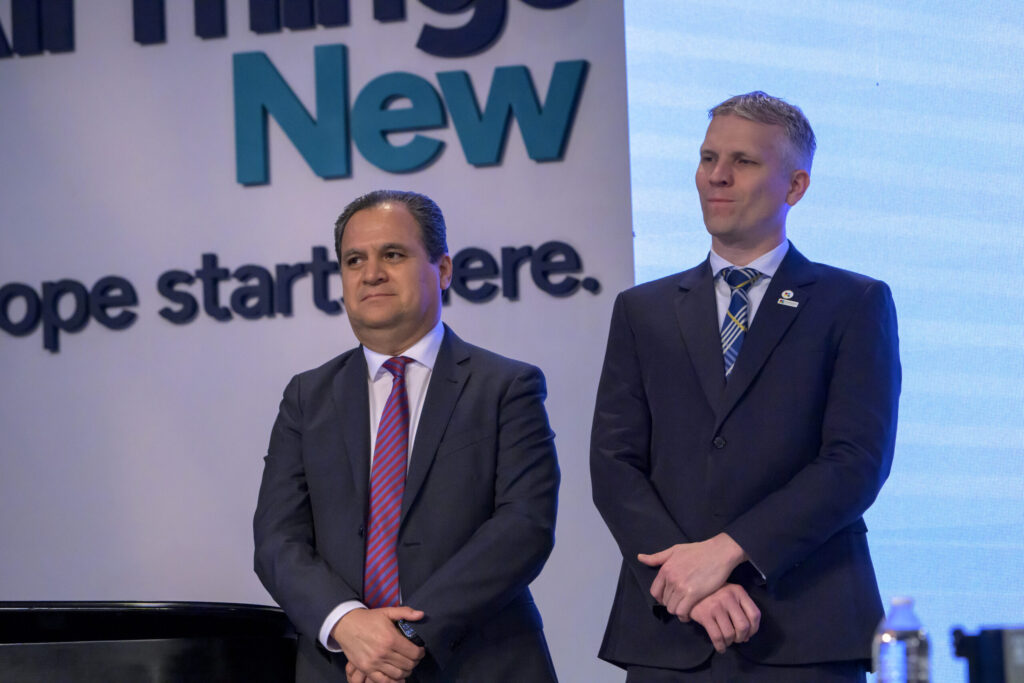
Cerdá was joined by José Flores, representing all the Adventist food factories across Inter-America, and Joel Distler, CEO from Produtos Alimentícios Superbom in Brazil.
A Different Kind of Mission Field
In his remarks Cerdá, who is currently AHFA president, reminded delegates that Adventist food factories are a different mission field from those they know or typically work in. For that reason, AHFA helps food factories around the world join efforts toward a common goal, he explained. The goals of AHFA include “to share experiences, provide training, strengthen the leaders’ fellowship, and explore business opportunities together,” he said.
Cerdá reminded GCEXCOM members that the creation of health food factories directly aligns with inspired counsel received by Adventist Church cofounder Ellen G. White. “These industries were not meant to be driven by commercial interest, but rather to serve as a practical evangelistic tool, designed to help people transition away from [meat consumption] and to provide financial support for the missionary work,” he said.
A Decentralized Operation
Cerdá shared that those same inspired counsels advised against establishing a single factory that could export all around the world. “Instead, [Ellen G. White] encouraged the development of autonomous local factories,” he said, and quoted, “The Lord will teach many in all parts of the world to combine fruits, grains, and vegetables.”[1] One goal was that each country could develop its own recipes according to its culture, Cerdá said. “This laid the foundation for the global network of food factories that the Church operates today across multiple continents.”
It’s All About Mission
In a subsequent video message, AHFA shared what the health food ministry entails in practice. “The food business is a door through which we are to let our light shine,” the video narrator quoted Ellen White. “Let our health food men realize that the truth is to be sown beside all waters.”[2]
The script emphasized that “the roots of Adventist food factories are their principles—faith in God, commitment to health, excellence, integrity, service, and the mission to serve.” He explained how food factory pioneers “combined the acceptance of the divine mandate and trusted the Lord’s promises with the full purpose to fulfill the mission.” That mission includes spreading health principles, providing wholesome food substitutes, and supporting the medical-missionary work. Their stated mission also includes engaging in practical evangelism and fulfilling the mission to save.
Not an End in Itself
The video closed quoting White once more, who wrote, “Those who are engaged in the work of preparing health foods are just as much in the service of God as if they were in the dentistry business or in the medical missionary work. As you help to prepare health foods you are doing God’s service.”[3]
In that sense, “growth has never been an end in itself, but the means to better serve and contribute to the preaching of the gospel,” the video narrator concluded. “Our church has temples built in the form of food factories.”
Going All In
In comments following Cerdá’s remarks, Flores shared that the AHFA presentation was based on the General Conference leadership’s strong emphasis on integration between every church institution and organization for mission. “There’s a renewed momentum of aligning every organization to support the call to mission,” he said.
Regarding OneVoice27—the world church initiative to share Christ through every means possible, especially through social media, in 2027 and beyond—Flores shared some of the initiatives food factories will be implementing to support the plan.
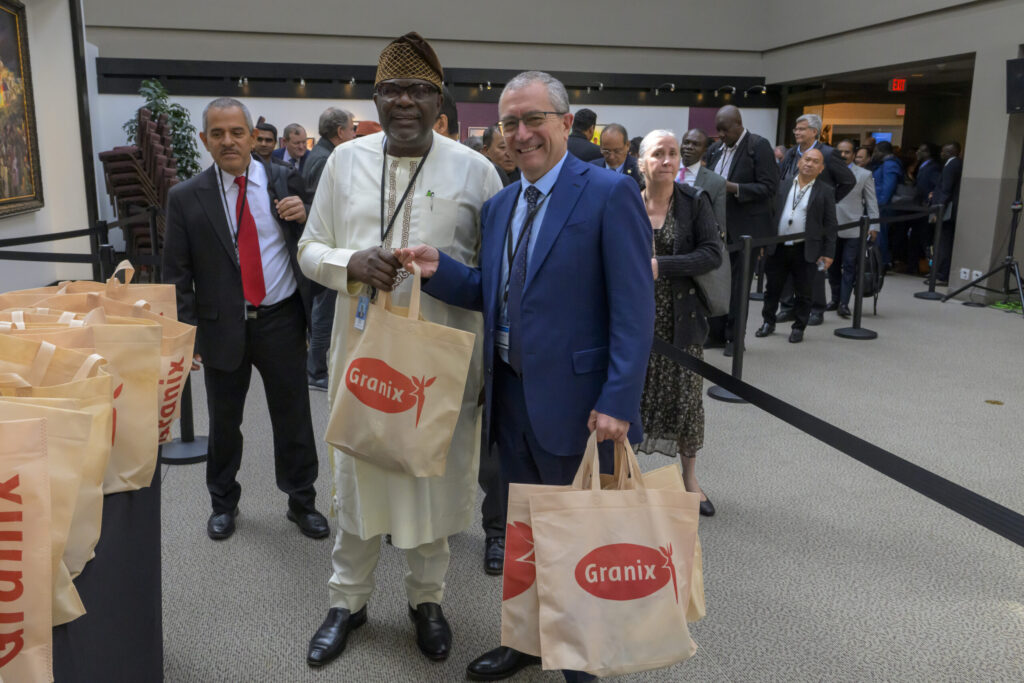
“One of the things Adventist food factories are doing is to unapologetically communicate that they belong to the Seventh-day Adventist Church,” Flores reported. “More and more we are including a Bible verse in our packaging and clearly stating our affiliation. Through our social media channels we are helping customers to know who we are and what we stand for, which is to share the gospel of Jesus,” he said.
[1] Ellen G. White manuscript 79, 1902, in Ellen G. White, Letters and Manuscripts, vol. 17, p. 327.
[2] Ellen G. White manuscript 81, 1906, in Ellen G. White, Letters and Manuscripts, vol. 21, p. 285.
[3] Ellen G. White letter 151, 1900, in Ellen G. White, Letters and Manuscripts, vol. 15, p. 162.
Related news
 From the World Church
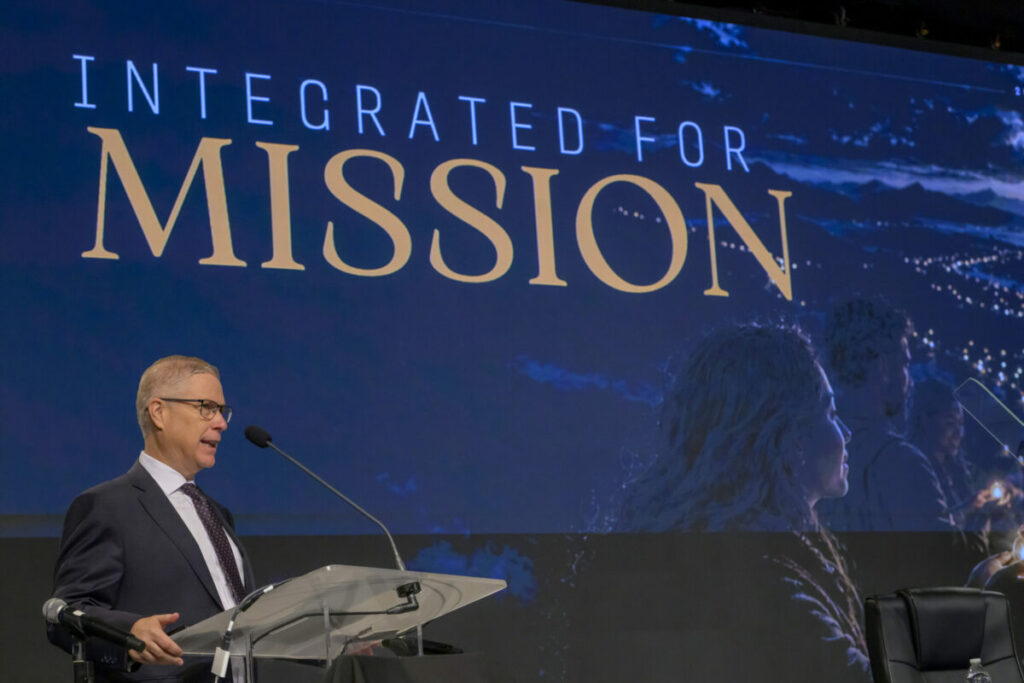
Secretariat Report Calls Adventists to Take World Mission Seriously
Rick McEdward and his team suggest going all in to fulfill God’s commission.
From the World Church
Secretariat Report Calls Adventists to Take World Mission Seriously
Rick McEdward and his team suggest going all in to fulfill God’s commission.
 From the World Church
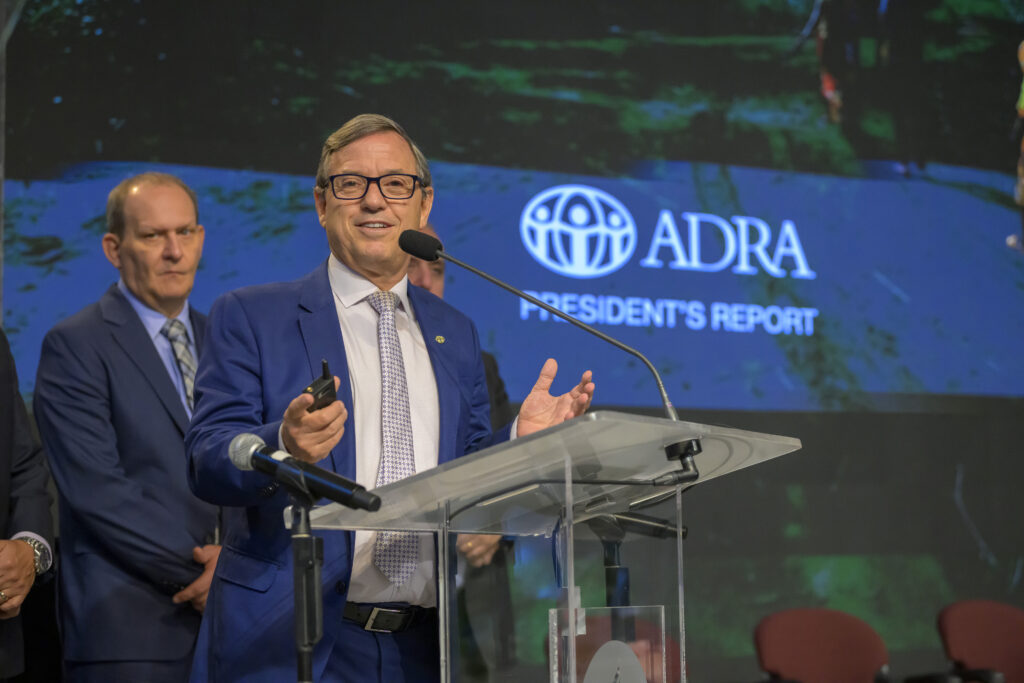
From Crisis to Growth, ADRA Reports Stronger Funding and Renewed Global Reach
Paulo Lopes reports stronger resources, new funding and a renewed focus on ADRA’s role in the church’s mission. October 12, 2026 | Silver Spring,…
From the World Church
From Crisis to Growth, ADRA Reports Stronger Funding and Renewed Global Reach
Paulo Lopes reports stronger resources, new funding and a renewed focus on ADRA’s role in the church’s mission. October 12, 2026 | Silver Spring,…
 From the World Church
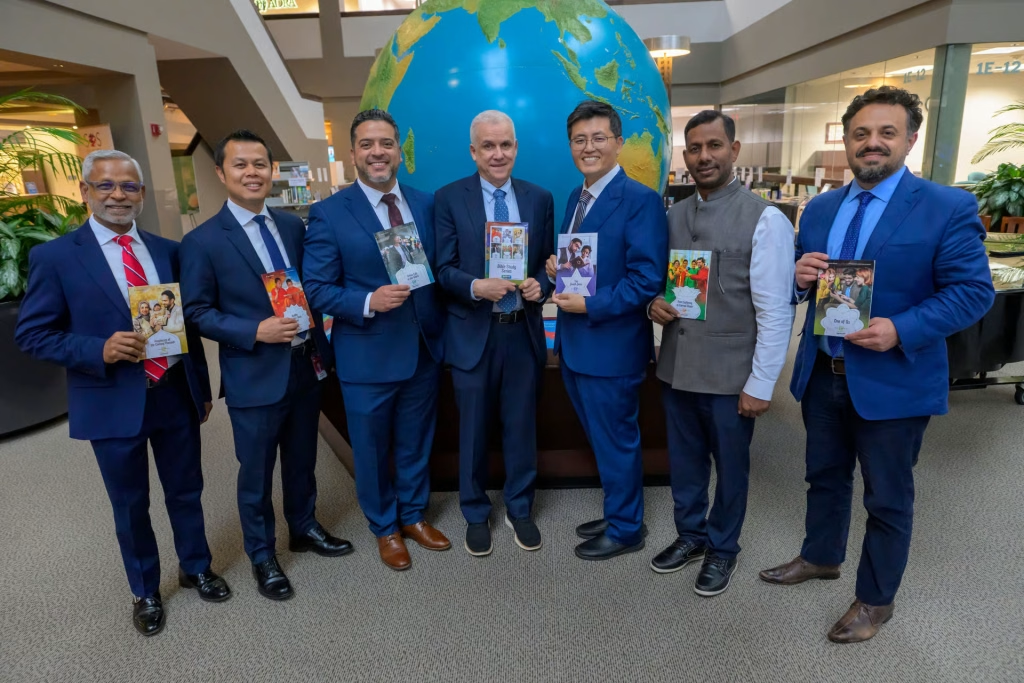
Global Mission Centers Introduce New Bible Studies for Diverse Communities
Six new Bible study guides designed to share faith across cultures and religions.
From the World Church
Global Mission Centers Introduce New Bible Studies for Diverse Communities
Six new Bible study guides designed to share faith across cultures and religions.