
How a Homework Program Became a Church in Trinidad
June 18, 2026 | Maracas, Trinidad and Tobago | Royston Philbert and IAD News Staff
What began as a simple effort to help children with their homework has grown into a thriving church community and an emerging model for mission across the Caribbean.
The story of Onessa Hughes-Mitchell, 33, a records management research professional at the Caribbean Union Conference (CARU), captured the attention of delegates attending the Intercultural Mission Church Planting Summit at the University of the Southern Caribbean, where church leaders explored practical ways to engage communities and plant new congregations, last month.
Hughes-Mitchell’s story offered delegates a practical example of how community service, relationship-building, and disciple-making can lead to church growth.
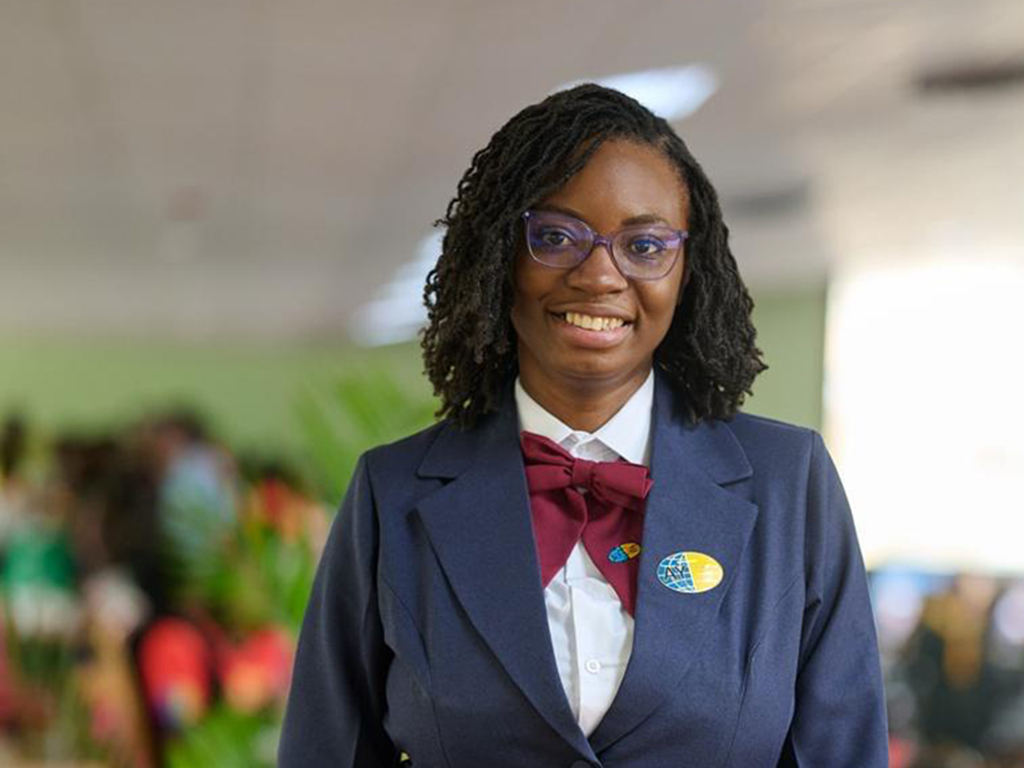
Long before she became involved in regional discussions on asset mapping and disciple-making, Hughes-Mitchell was responding to the needs she saw around her.
While attending the University of the Southern Caribbean in her early 20s, she spent time walking through the nearby community of McBean, speaking with residents and learning about their challenges and aspirations. One need stood out clearly—many children required academic support.
In 2016, she used funds she had saved for graduate studies to establish a homework center in her parents’ home. What started as an educational outreach soon became much more.
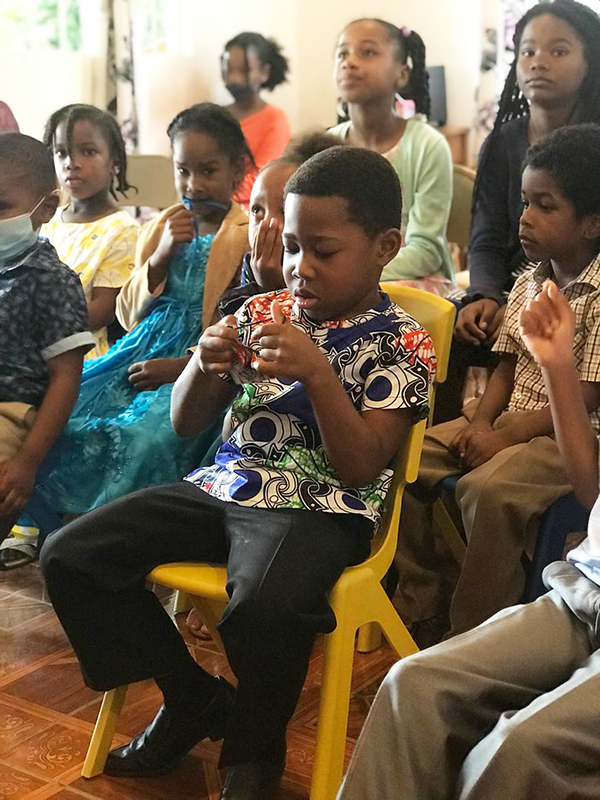
As relationships deepened, the ministry expanded beyond academics to include mentorship, spiritual guidance, and support for families. Children who came for tutoring found encouragement and belonging, while families developed trust with volunteers and ministry leaders.
“Rather than focusing on what the community lacked, we focused on the people God had already placed there,” Hughes-Mitchell said. “We learned that when you invest in relationships and serve people genuinely, ministry opportunities naturally follow.”
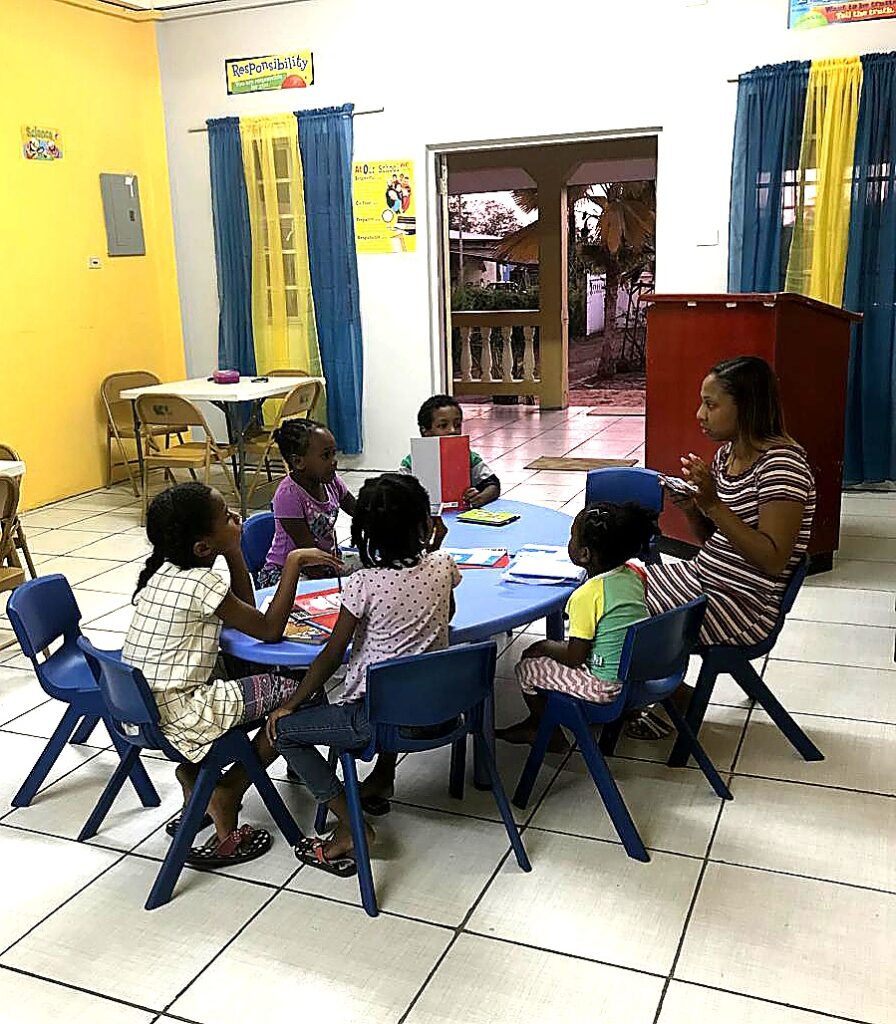
The homework center soon became a gateway to Adventurer and Pathfinder ministries, drawing children and their families into church life.
As relationships strengthened, interest in spiritual matters grew.
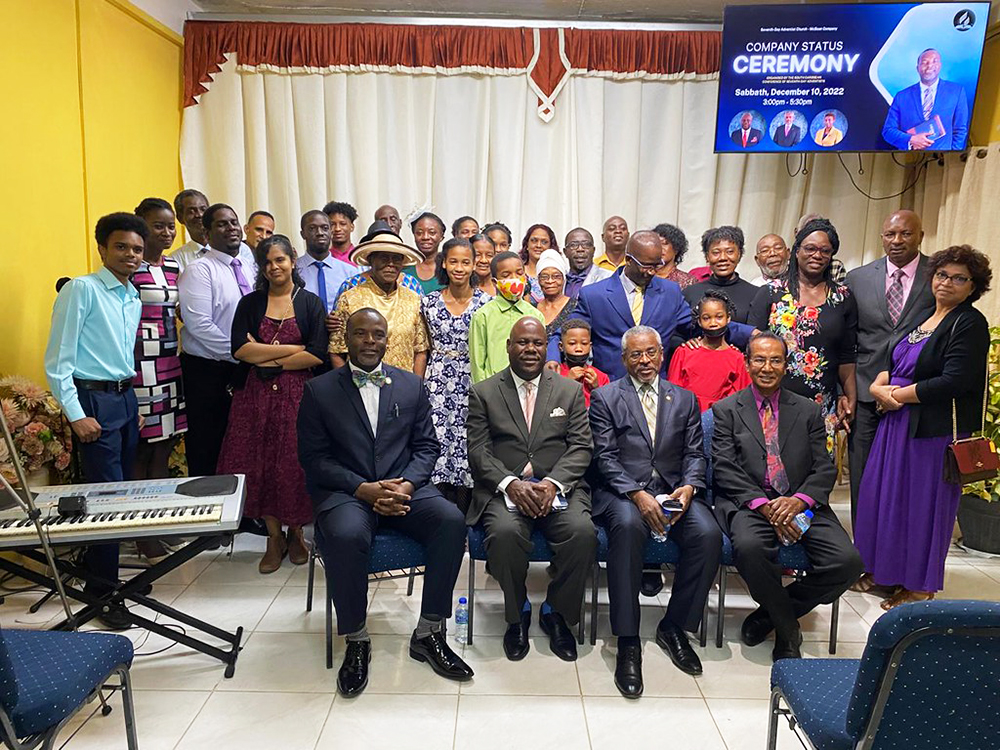
In 2018, the McBean Seventh-day Adventist Group was officially organized. Hughes-Mitchell served as church clerk while her father, Oscar Hughes, a church elder, provided leadership to the growing congregation.
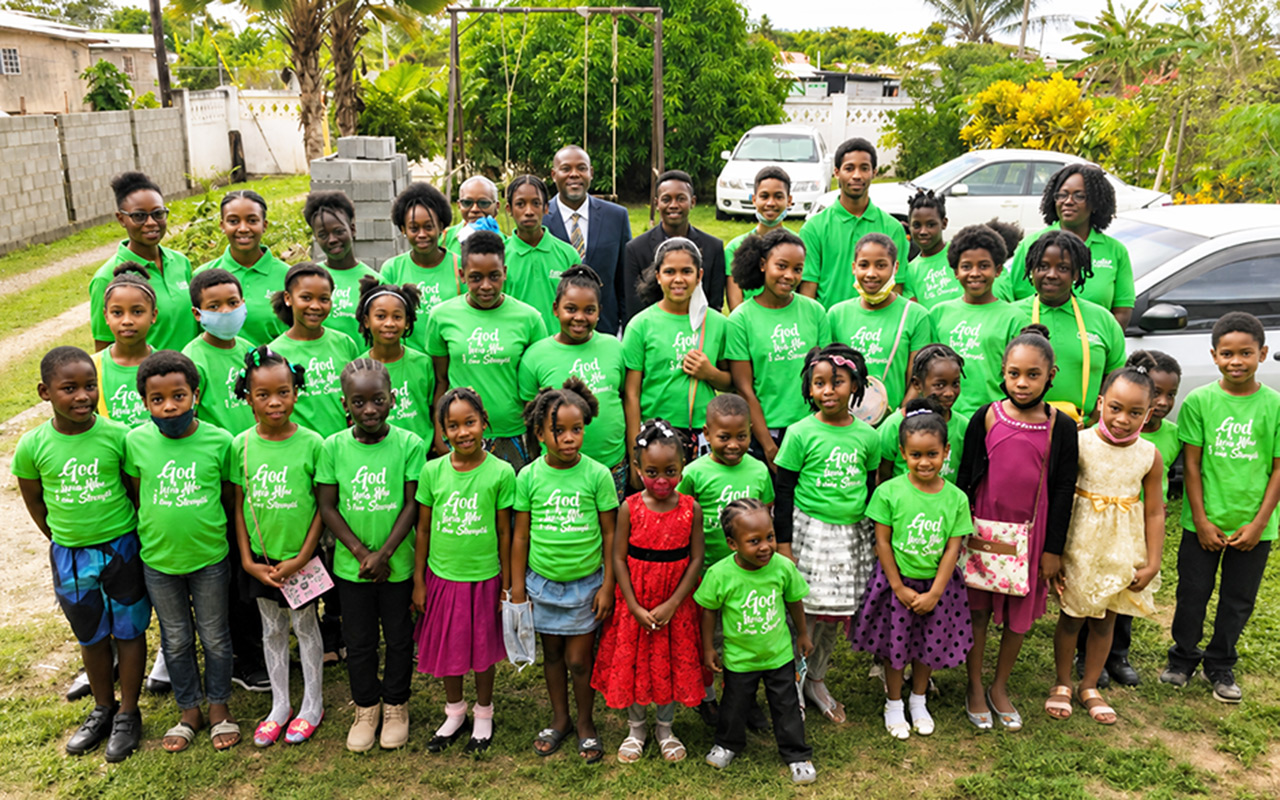
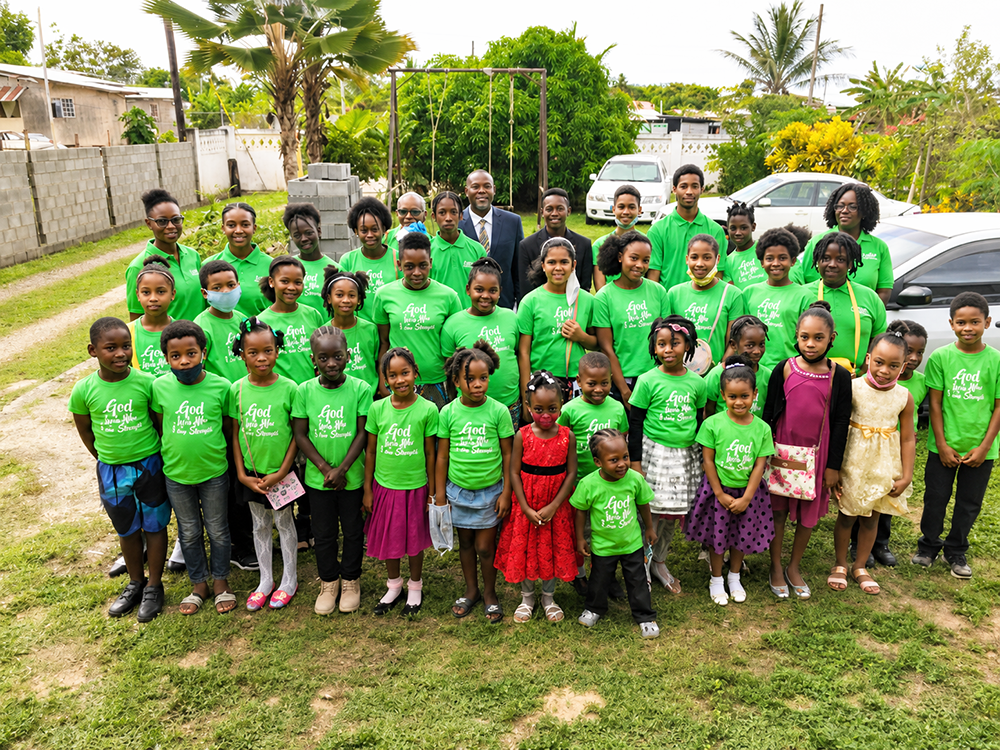
Today, the church has 64 members on record and regularly attracts more than 75 worshippers, including community residents. Since the COVID-19 pandemic, the congregation has continued meeting in the downstairs section of Hughes-Mitchell’s parents’ home—the same space that once housed the homework center.
“The room where children learned mathematics and reading became a place where people learned about Jesus,” Hughes-Mitchell said. “It reminds us that mission often begins with meeting practical needs.”
Hughes-Mitchell’s experience has since become part of a broader conversation taking place across the Caribbean and the Inter-American Division (IAD).
In January 2026, she and Noel Brathwaite presented a seminar on asset mapping during the Inter-American Division Secretariat Advisory in Cancún, Mexico. Their presentation explored how churches can identify and mobilize gifts, talents, relationships, and resources already present within congregations and communities.
The concept has since gained momentum, with the South Caribbean Conference approving a pilot project in seven congregations to test the framework as a disciple-making tool.
“Asset mapping helps us see communities through the eyes of Christ,” Hughes-Mitchell explained. “Every person has gifts. Every community has strengths. When we recognize those assets and connect them to God’s mission, disciples are made and communities are transformed.”
The framework encourages churches to identify members’ gifts, skills, and community connections as resources for mission, emphasizing that every believer has a role to play in disciple-making.
Hughes-Mitchell said her experience demonstrates how mission grows when members engage their communities, identify opportunities for service, and allow relationships to create pathways for disciple-making.
Today, worship services continue in the same downstairs space where children once gathered for tutoring—a reminder that ministry often begins by meeting practical needs.
“Mission is not about waiting until everything is in place,” Hughes-Mitchell said. “God often starts with what is already in our hands. When we offer that to Him, He can do far more than we ever imagined.”
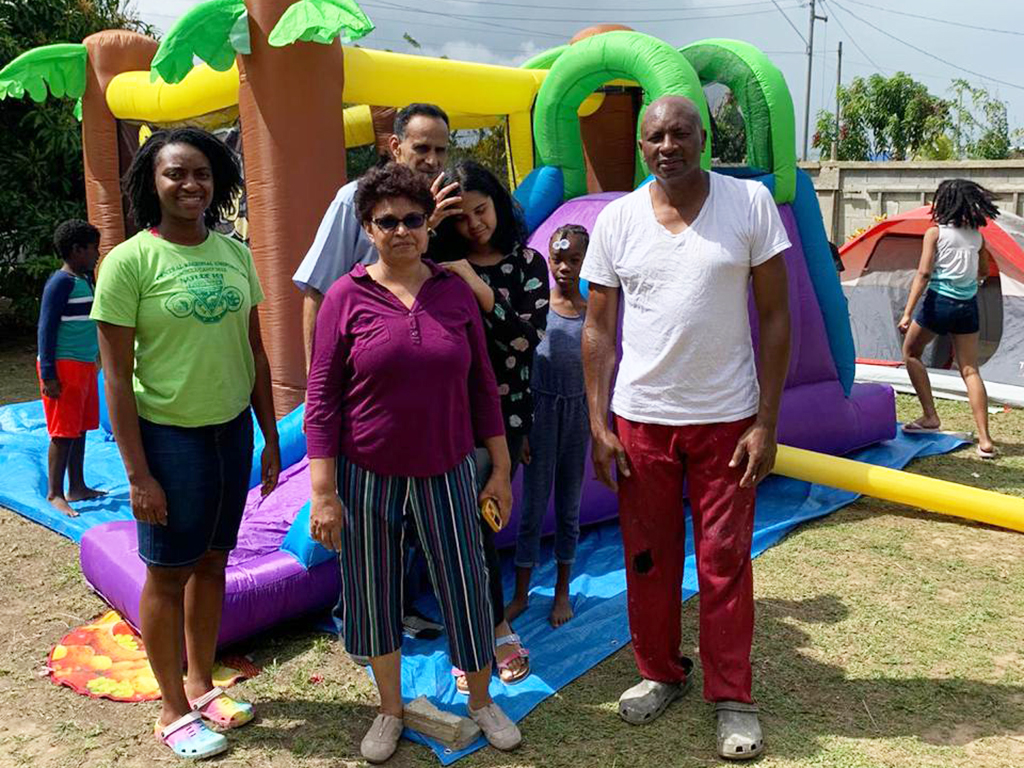
“Every congregation can become a disciple-making church,” she added. “Every member can become a missionary. And every community contains opportunities for God to work.”
Related news
 From the Field
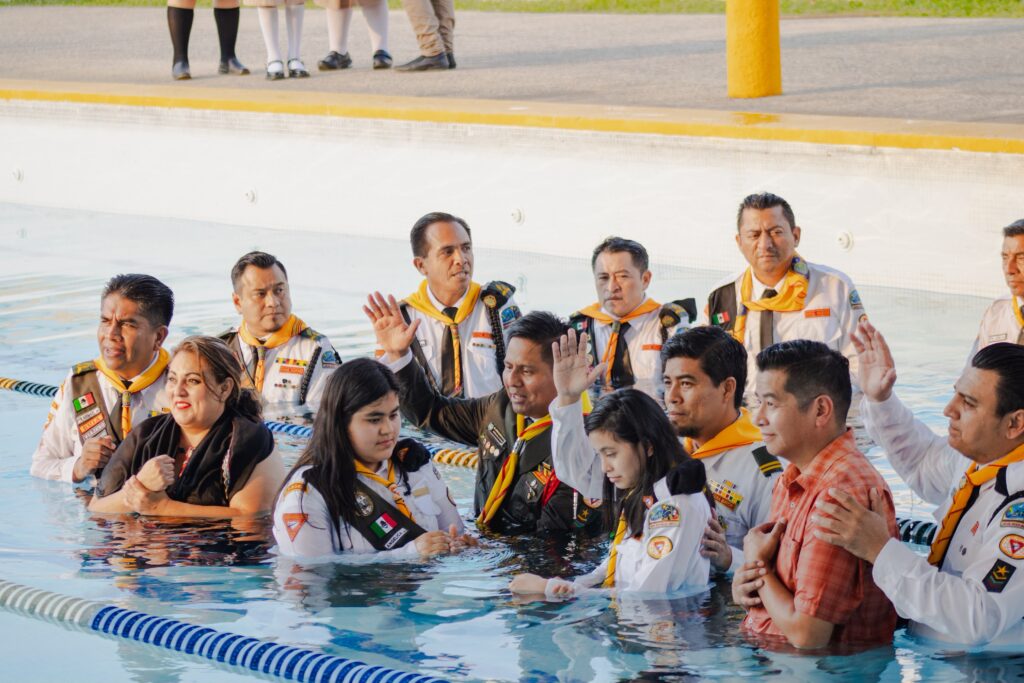
Pathfinder Evangelistic Tour Across Southeast Mexico Celebrates 164 Baptisms
Families join young people in decisions for faith as leaders recognize efforts to establish clubs in every church.
From the Field
Pathfinder Evangelistic Tour Across Southeast Mexico Celebrates 164 Baptisms
Families join young people in decisions for faith as leaders recognize efforts to establish clubs in every church.
 From the Headquarters
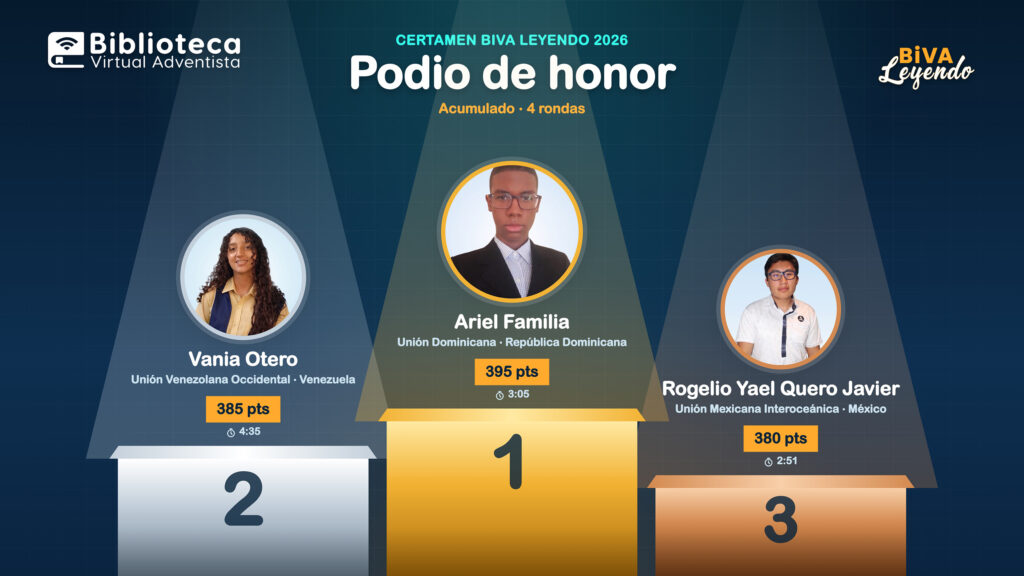
High School Students Across Inter-America Compete in Bible Reading Contest
Adventist Virtual Library contest brings together 14 finalists to test their knowledge of Genesis and strengthen Bible reading and faith.
From the Headquarters
High School Students Across Inter-America Compete in Bible Reading Contest
Adventist Virtual Library contest brings together 14 finalists to test their knowledge of Genesis and strengthen Bible reading and faith.
 From the Headquarters
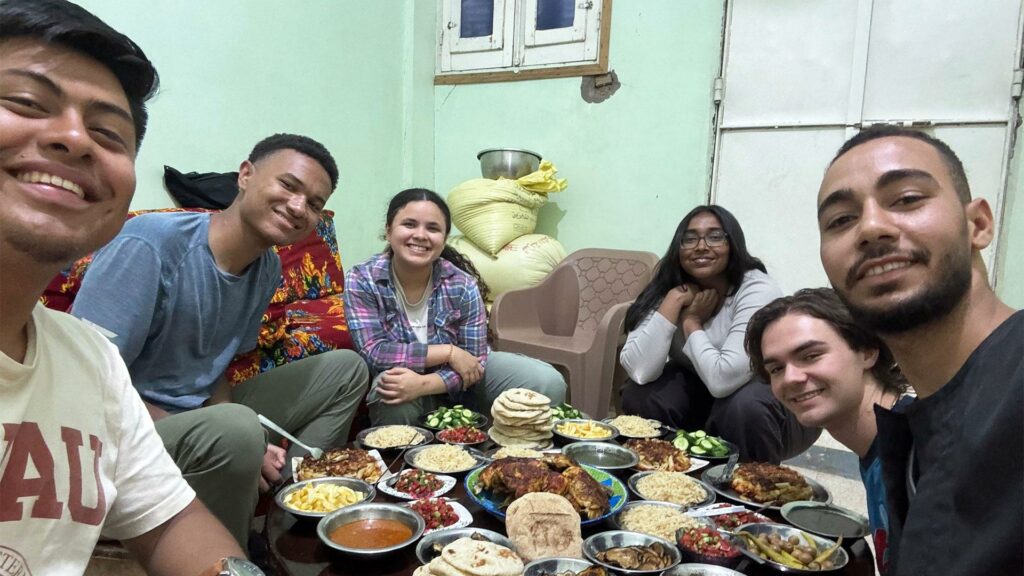
A Journey to Egypt Confirms a Calling
Teaching Bible and English in Egypt confirmed Rubén Díaz’s calling to serve in a cross-cultural context.
From the Headquarters
A Journey to Egypt Confirms a Calling
Teaching Bible and English in Egypt confirmed Rubén Díaz’s calling to serve in a cross-cultural context.