
Montemorelos University Honors Ismael Castillo’s Legacy After Nearly 40 Years as President
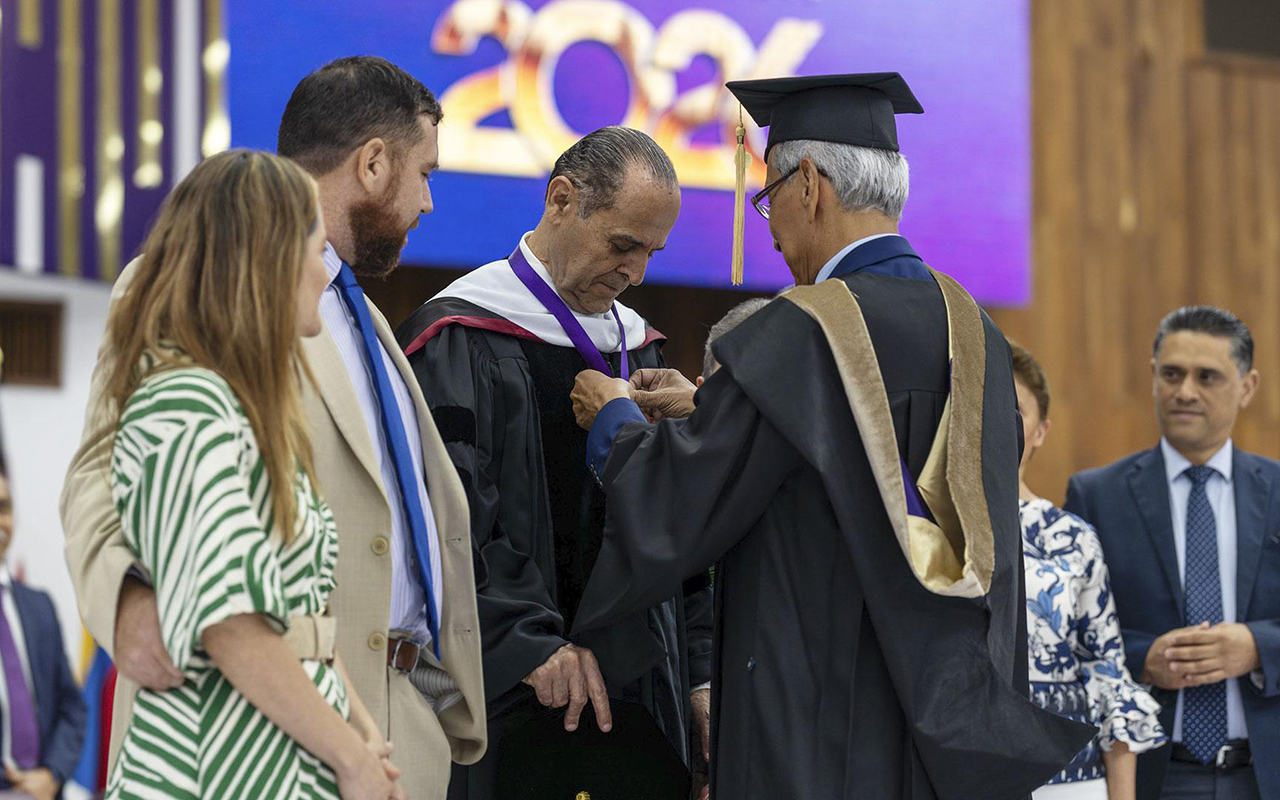
Adventist university recognizes longtime leader with the “Israel Leito Medal of Merit” for advancing the institution’s academic, spiritual, and international growth.
June 14, 2026 | Montemorelos, Nuevo León, Mexico | Laura Marrero and IAD News Staff
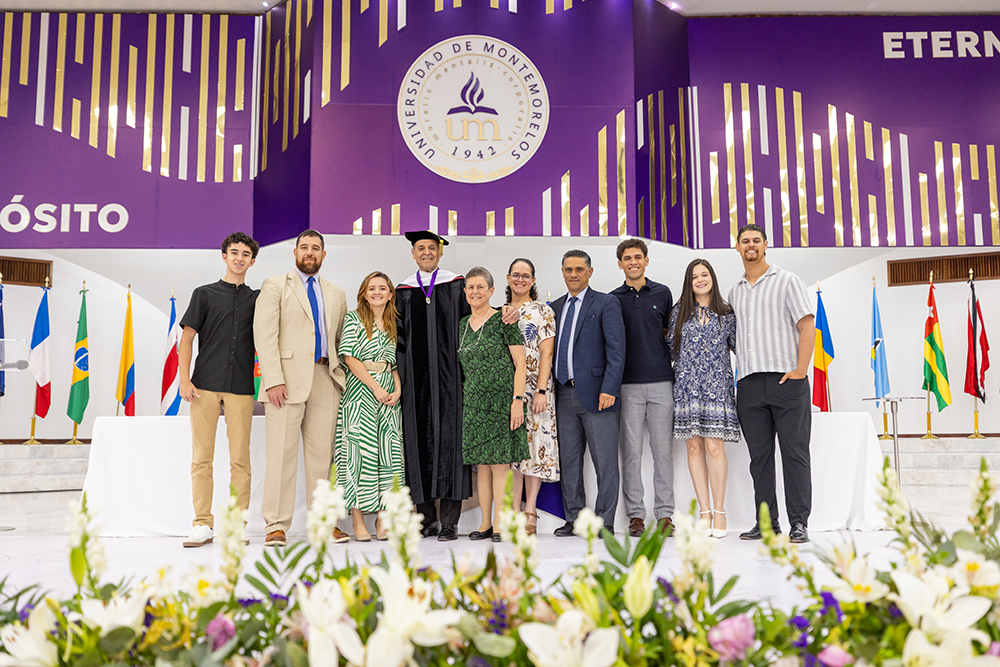
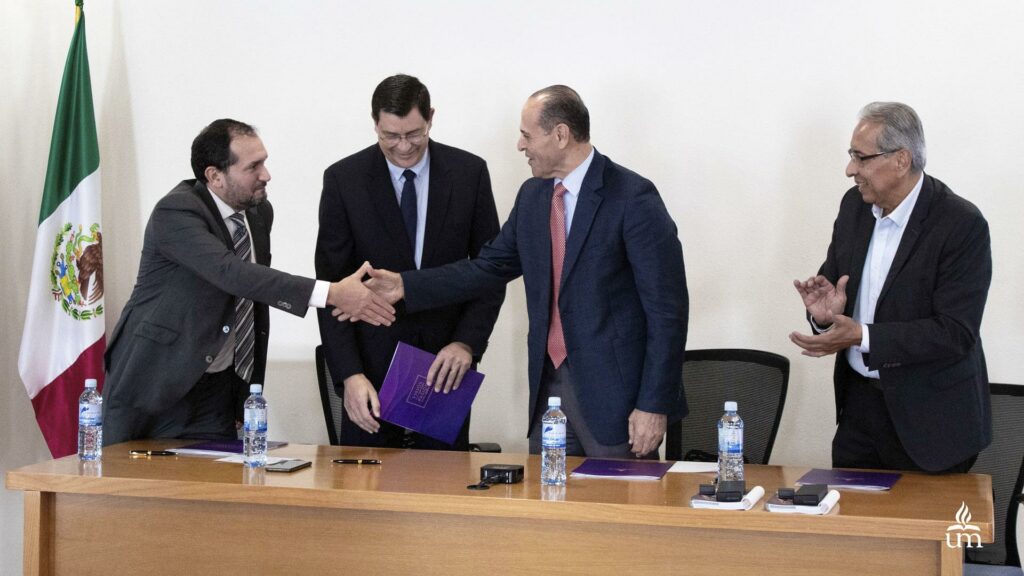
Montemorelos University (UM) honored Ismael Castillo as he concludes a historic chapter of institutional leadership that profoundly shaped the university’s academic, spiritual, and human development. Just months before completing his tenure as president, UM awarded him the “Israel Leito Medal of Merit” in recognition of his 39 years of service and for a leadership legacy that transformed the trajectory of the institution.
The award was presented on May 19 during a graduation ceremony for faculty and support staff participating in the university’s Professional Development Institute, held shortly after the institution’s commencement exercises.
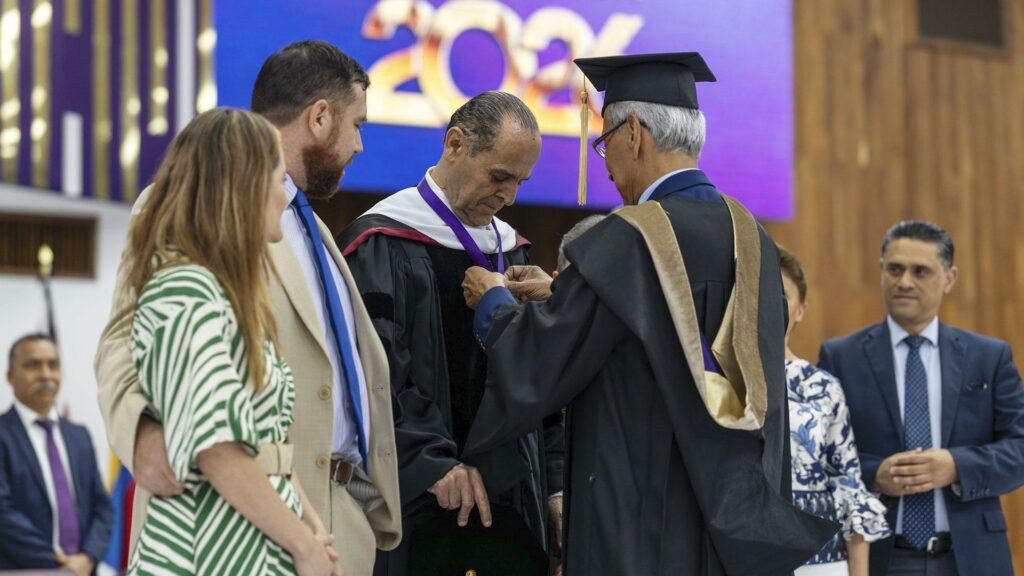
“The University Council has decided to award him the ‘Israel Leito’ Medal of Merit in recognition of his administrative career, compassionate leadership, and commitment to institutional human development,” said Judith Ayala, academic vice president, as she read the resolution approved by the council.
University leaders said those qualities have defined Castillo’s leadership for nearly four decades. Rolando Vega, vice president for student affairs, described his educational vision as one built on “faith, humility, and love for people.”
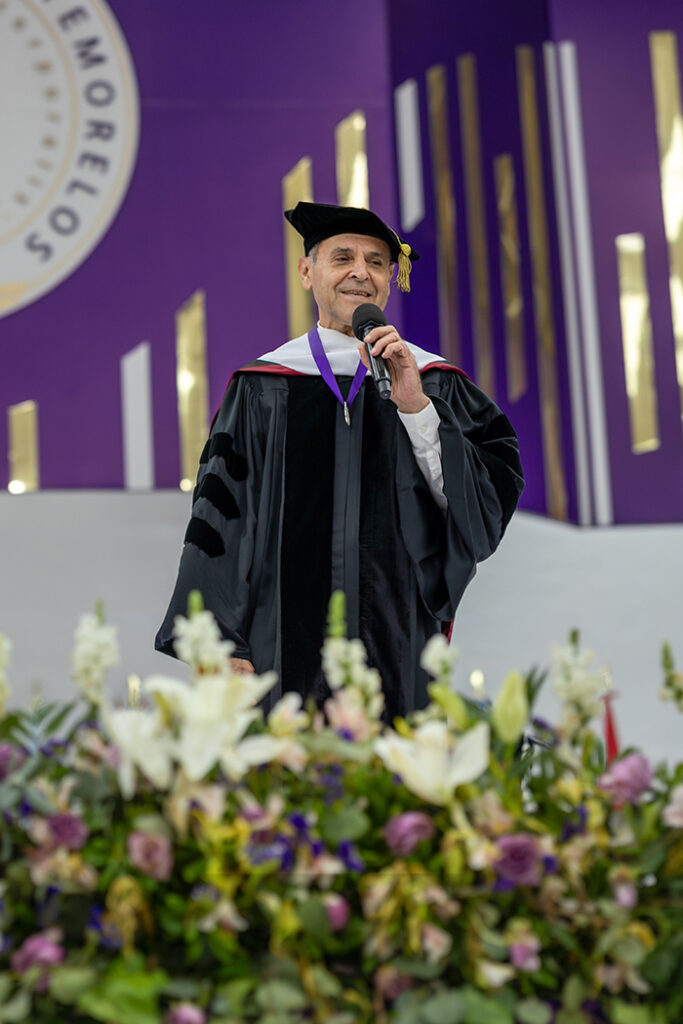
A Legacy of Growth
When Castillo assumed the presidency in 1987, Montemorelos University was already celebrating its 45th anniversary. Under his leadership, however, the institution experienced one of the most significant periods of growth and consolidation in its history.
Over nearly four decades, UM steadily expanded its academic offerings, strengthened national and international accreditation processes, enhanced strategic infrastructure, and broadened its educational and missionary influence both within Mexico and abroad.
Castillo’s administration also implemented major curricular reforms designed to integrate professional preparation with spiritual formation and human development. Among them were the 2000 curriculum reform built around the pillars of “Relationship with God,” “Professional Preparation,” and “Preparation for Life”; the competency-based educational model introduced in 2010; and the “Diamond Model,” established in 2018.
Institutional Growth and International Recognition
Under Castillo’s leadership, UM strengthened its academic reputation through national and international accreditations and recognitions. The institution obtained and renewed accreditation from organizations including FIMPES, the Adventist Accrediting Association (AAA), COMACE, and CONAEM, while also joining academic associations such as ANUIES and ALAFEC.

At the same time, UM expanded its international presence through extension programs in countries including Venezuela, Colombia, the Dominican Republic, Haiti, Chile, Romania, Angola, and El Salvador.
Infrastructure for a Vision of the Future
Castillo’s administration also oversaw a significant transformation of the university campus and its service facilities.
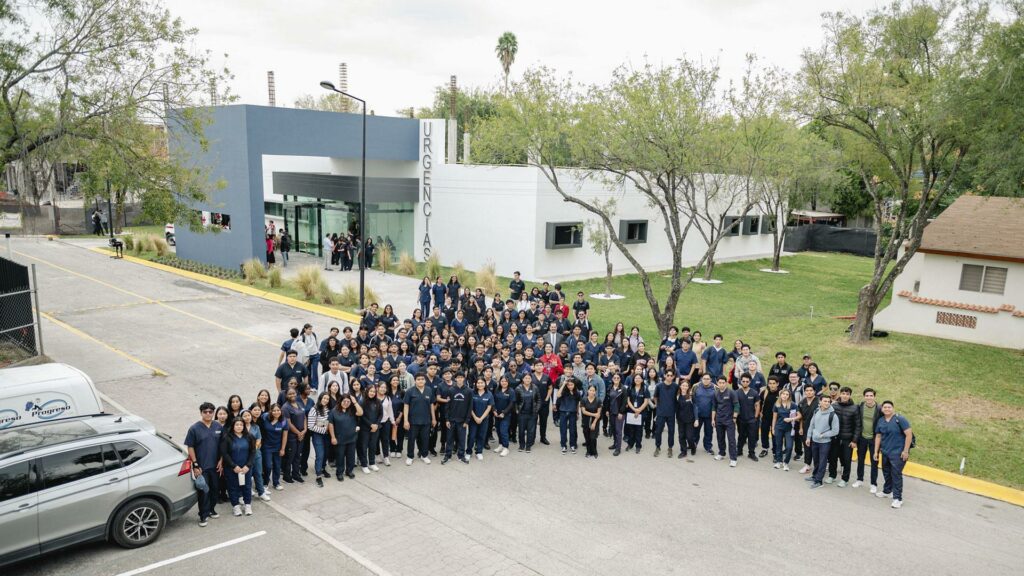
During his tenure, the university developed specialized laboratories, research centers, expanded clinical facilities, cultural spaces, academic buildings, and innovation projects. Among the most notable were the Engineering Research and Innovation Center (III), the Data Science Institute, FABLAB UM, the Multidisciplinary Research and Innovation Center for Learning (CIIMA), the Geriatric Center, and the Institute for Chemical, Biomolecular, and Bio-Dental Research.
The creation of spaces such as the Founders’ Walk, the University Museum, and the Center for Creationism also reflected an ongoing commitment to preserving the institution’s identity and strengthening its Adventist worldview.
A Vision Centered on Mission and Service
During the medal presentation ceremony, university leaders and employees emphasized that Castillo’s administration was consistently characterized by a focus on people, educational mission, and service.
During Castillo’s tenure, the university expanded community service initiatives, preventive health programs, cross-cultural mission projects, and spiritual formation activities integrated into its educational model. To date, the institution reports that more than 3,000 students have been trained for cross-cultural mission service, and more than 350 missionaries have been sent from UM to serve in 63 countries around the world.
University leaders said that emphasis on mission, service, and people best reflects Castillo’s legacy. They described the “Israel Leito Medal of Merit” as more than a recognition of administrative achievement, calling it a tribute to the lasting impact his leadership has had on generations of students, faculty, and staff.
University leaders said Castillo leaves behind a legacy reflected not only in the university’s growth and international influence, but also in the generations of students, faculty, and church leaders shaped by its mission.
Brenda Cerón contributed to this article.
Related news
 From the World Church
Local Church Pastor Turns to Film to Answer Questions About Adventist Beliefs
Initiative resulted from a Pentecost 2025 evangelism project in the Indiana Conference.
 From the Headquarters
Adventist Leaders Urged to Rethink Church Planting and Prioritize Discipleship
GC Associate Secretary Gerson Santos challenges church leaders to reach beyond existing congregations and equip new believers to share their faith.
 From the Headquarters
IAD Secretary’s Report Highlights Evangelistic Growth, Calls for Stronger Member Engagement
Annual Council leaders examine rising baptisms, declining recorded membership and youth attendance concerns, emphasizing the need for stronger discipleship, retention and pastoral care across…