
Sensory Garden Transforms Lives of Students With Disabilities in Mexico
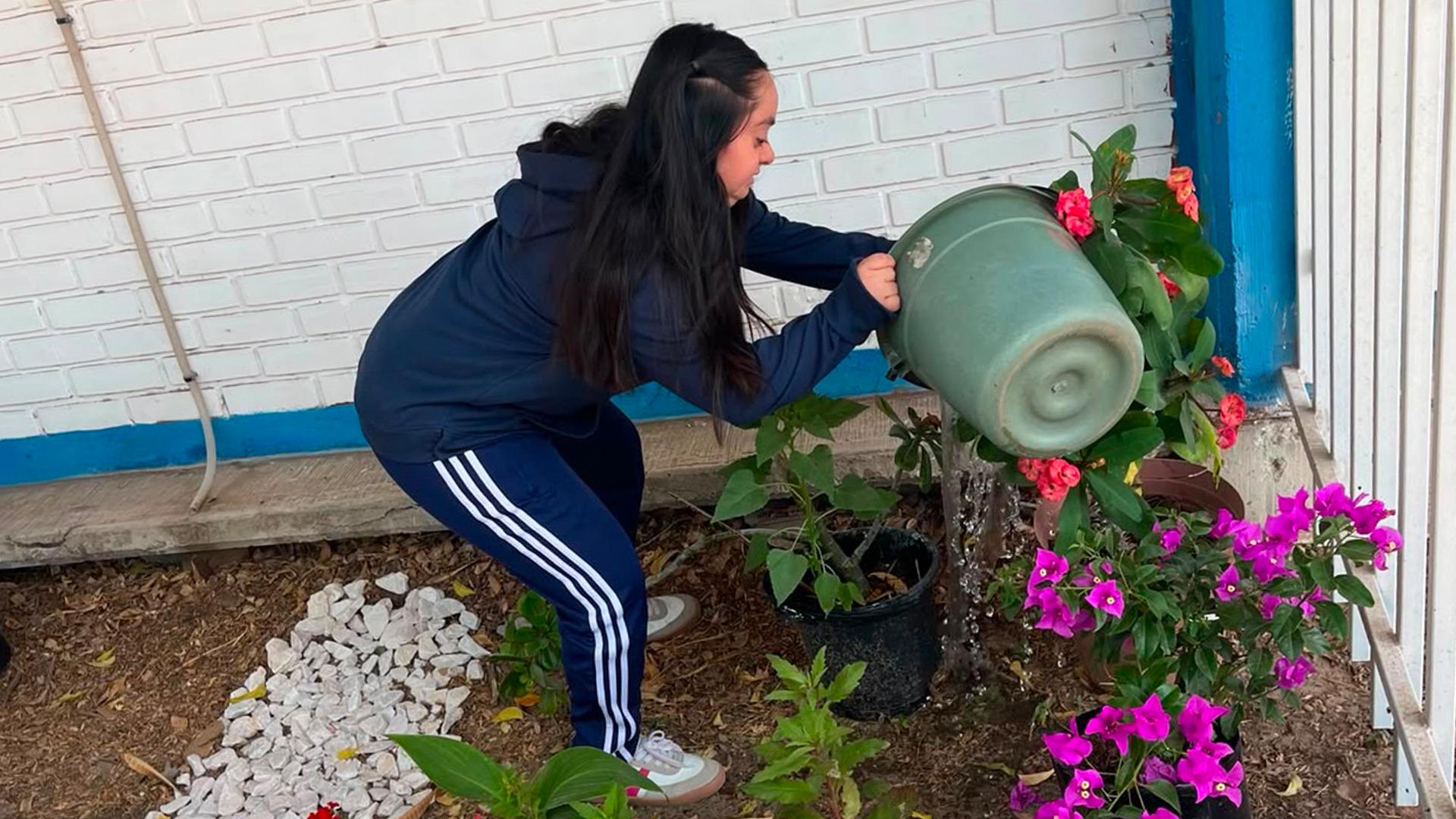
The new space is helping nearly 280 students build skills, regulate emotions, and discover new ways to learn.
June 24, 2026 | Reynosa, Tamaulipas, Mexico | Laura Marrero and IAD News Staff
A simple observation in a vocational training workshop has grown into a transformative learning space for nearly 280 students with severe disabilities.
Driven by a passion for service and inclusive education, Claudia Figueroa, a 2007 graduate of Montemorelos University, created a therapeutic sensory garden at the María Esther Zuno Multiple Attention Center (CAM) in Reynosa, Mexico. Designed to stimulate the senses, strengthen skills, and support emotional regulation, the garden is helping children and youth with special educational needs experience learning in new ways.
Figueroa, who holds a master’s degree in Special Education and is currently pursuing a doctorate in Education, has dedicated much of her career to serving students with cerebral palsy, intellectual disabilities, autism spectrum disorder, and Down syndrome.
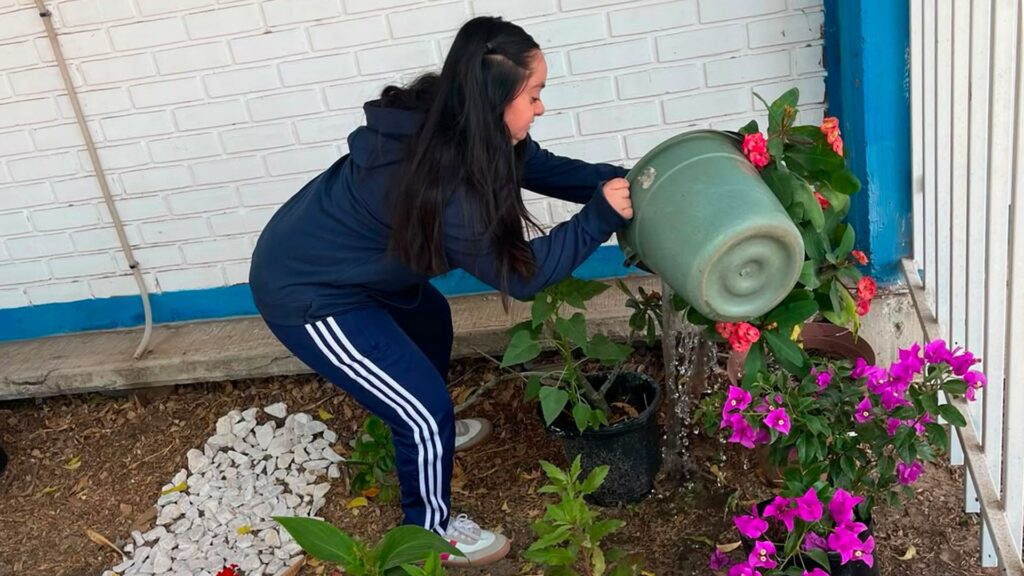
“I observed that through gardening activities, students who previously could not squeeze a sponge or plant seeds began developing new skills,” Figueroa said. “That made me reflect on the impact of these activities.”
The experience eventually became the focus of her doctoral research. As she explored the topic, she found examples of educational and ornamental gardens but discovered few therapeutic sensory gardens with similar characteristics in Mexico’s educational setting.
A Garden Designed for Learning and Healing
Built with the support of parents, school staff, and community partners, the sensory garden combines education and therapy in a fully accessible outdoor environment.
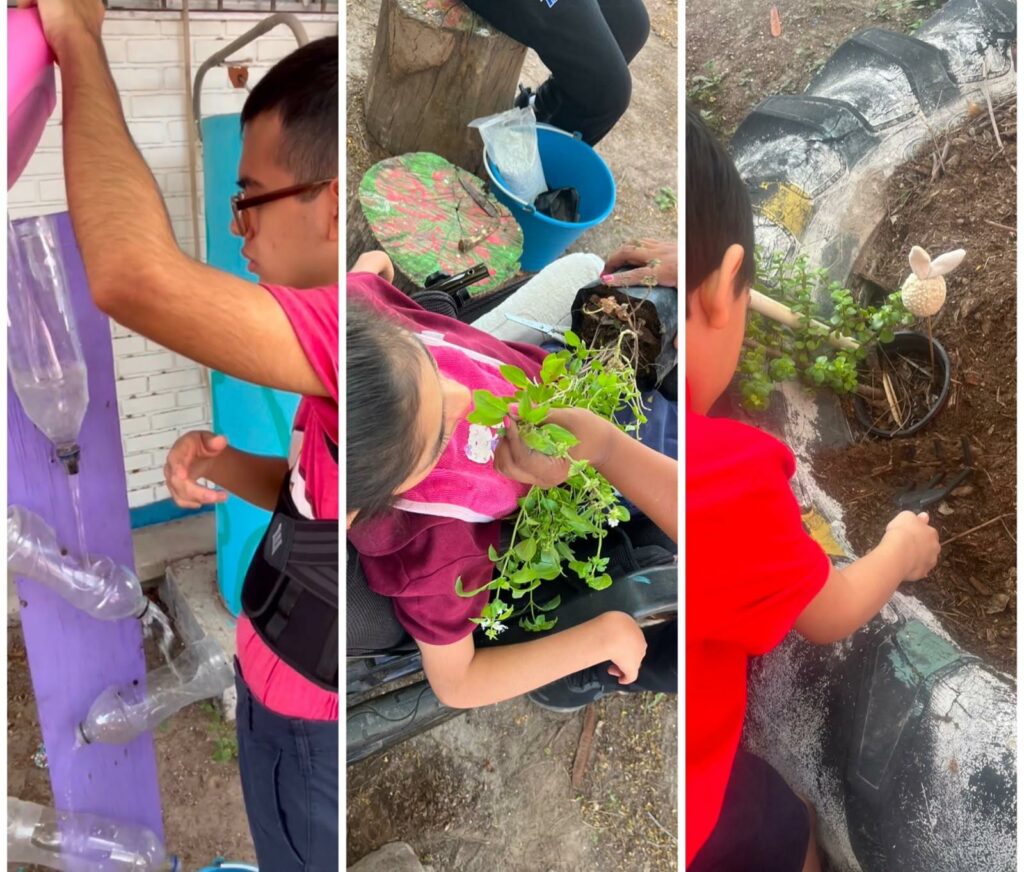
The space features aromatic flowers and plants, musical stations, a waterfall constructed from recycled materials, sensory pathways with varying textures, tactile exploration areas, and resources that help students learn mathematical concepts through hands-on interaction.
Designed with accessibility in mind, the garden allows students who use wheelchairs to participate fully in its activities.
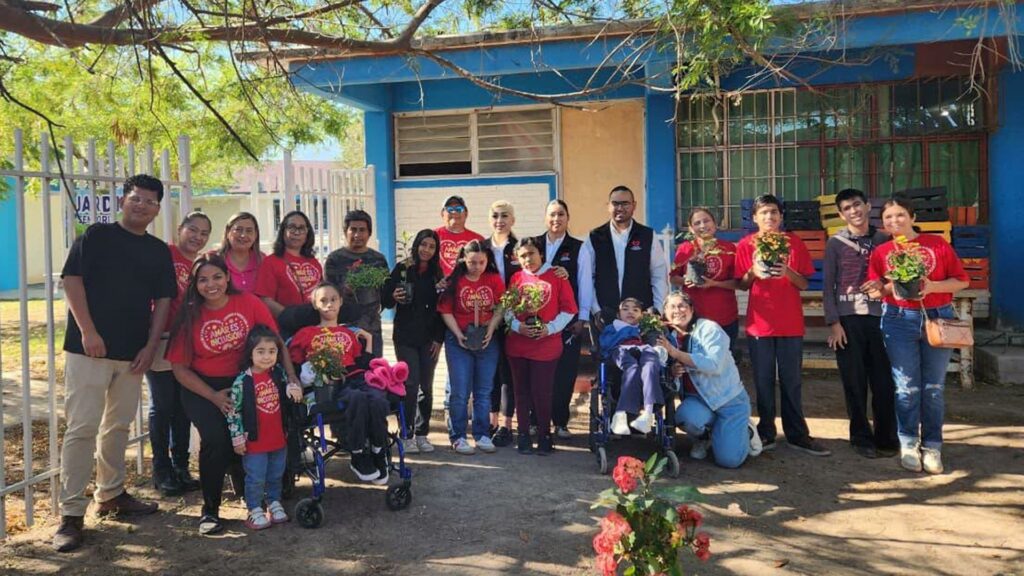
The area had long served as an outdoor classroom and a refuge for students who needed a quiet space during moments of emotional distress. Today, it functions as a dedicated therapeutic and educational environment that benefits the entire school community.
One of the project’s greatest challenges was obtaining the plants needed to complete the garden. Many families served by the center face financial hardships due to the costs associated with therapy, medical care, and transportation.
“The most difficult part was obtaining the plants,” Figueroa said. “We knocked on many doors, and eventually a local foundation called Helping Hands responded to our request and donated a large collection of flowering and aromatic plants.”
The donation helped bring the vision to life and opened the garden to students throughout the center, she said.
Education Rooted in Service
Figueroa credits much of the project’s success to the values she developed while studying at her alma mater.
“Montemorelos University deeply influenced the way I work,” she said. “It taught me the importance of serving with love, using my talents and abilities to help others, and viewing every task as an opportunity to impact lives.”
“When obstacles arose during the development of the garden, that training helped me continue moving forward and find solutions,” she said.
Today, the sensory garden stands as a testament to what can happen when education, compassion, and innovation come together, Figueroa said.
For nearly 280 students, it is more than a garden. It is a place to learn, explore, develop new abilities, and find calm in moments of difficulty.
Reflecting on the project, Figueroa encouraged other educators not to underestimate the impact of small beginnings.
“Many times we think we need large budgets to create change,” she said. “But when there is a willingness to serve and work together, it is possible to transform spaces and create meaningful opportunities for our students.”
It’s all about opening new pathways for learning while helping students discover their potential, one sensory experience at a time, Figueroa said.
Lisandra Vicente and Brenda Cerón contributed to this report.
The original version of this story was posted on the Montemorelos University news site.
Related news
 From the World Church
Church Construction Can Have a Spiritual Purpose, Adventist Leader Says
Union president provides the biblical rationale for building places of worship.
From the World Church
Church Construction Can Have a Spiritual Purpose, Adventist Leader Says
Union president provides the biblical rationale for building places of worship.
 From the Headquarters
World Pathfinder Day
The following message is addressed to the Seventh-day Adventist Church in Inter-America by Abner De los Santos, president of the Inter-American Division. — IAD…
From the Headquarters
World Pathfinder Day
The following message is addressed to the Seventh-day Adventist Church in Inter-America by Abner De los Santos, president of the Inter-American Division. — IAD…
 From the Field
Adventist Students Across Inter-America Set for Bible Contest
Finalists from across Inter-America will compete online Sept. 22, testing their knowledge of Genesis and Ellen G. White’s Patriarchs and Prophets. September 16, 2026…
From the Field
Adventist Students Across Inter-America Set for Bible Contest
Finalists from across Inter-America will compete online Sept. 22, testing their knowledge of Genesis and Ellen G. White’s Patriarchs and Prophets. September 16, 2026…