
Are Energy Drinks Good for My Heart?
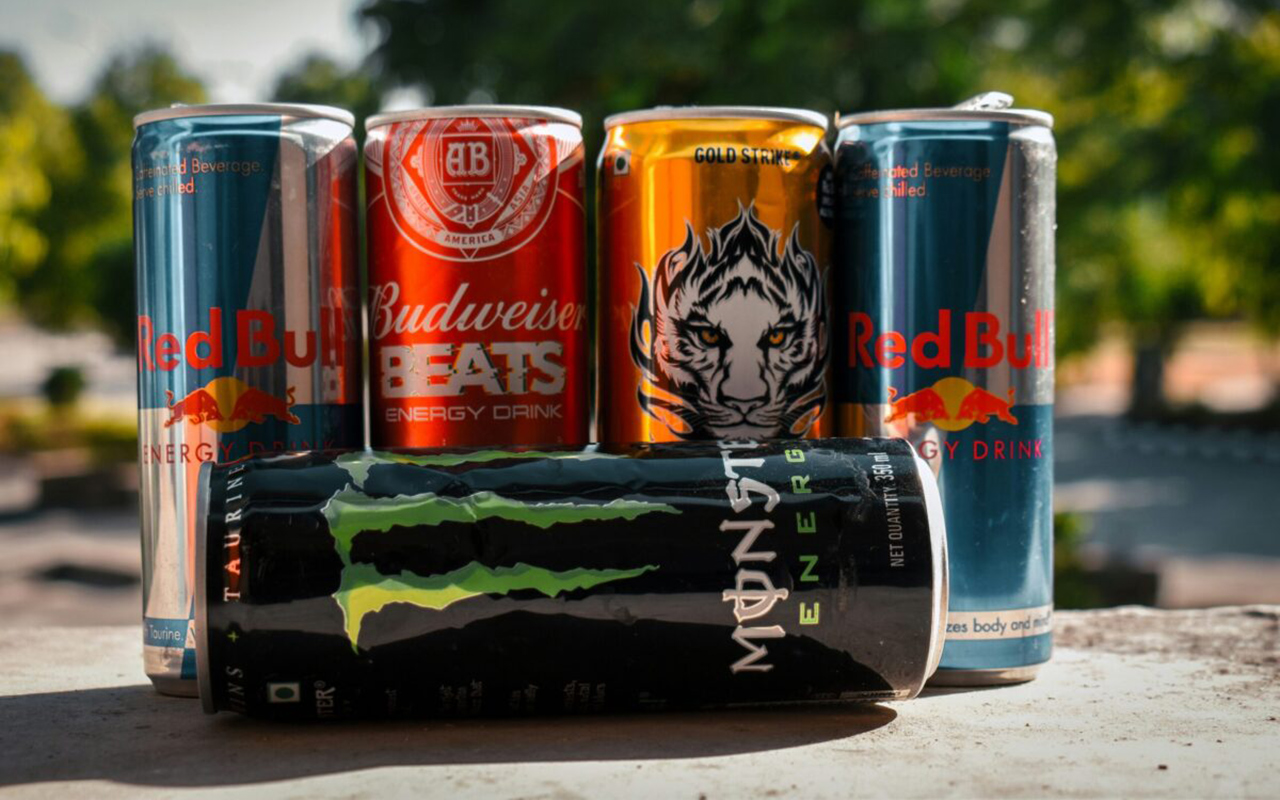
Even healthy people are not immune to their effects, heart failure cardiologist says.
August 27, 2026 | Loma Linda, California, United States | Elena Aguirre, Loma Linda University News, and Adventist Review
Energy drinks have become a go-to source of quick energy for students, athletes, and busy professionals. But cardiologists say they’re also seeing a troubling trend: more patients arriving in the emergency department with heart-related symptoms after consuming these highly caffeinated beverages.
Dmitry Abramov, an advanced heart failure cardiologist at Loma Linda University Health, says many of these patients experience symptoms ranging from rapid heartbeats and abnormal heart rhythms to other serious consequences.
“We are seeing an increase in emergency department visits, particularly among young people, that appear to be related to energy drinks,” Abramov said. “Most presentations are related to cardiac symptoms, including fast heart rates and abnormal heart rhythms, although chest pain, high blood pressure, and associated anxiety are also commonly noted.”

More Than Just Caffeine
Many people assume energy drinks are simply stronger versions of coffee, but Abramov says that’s a misconception.
Unlike coffee, which is typically consumed more gradually, many energy drinks contain 200 to 300 milligrams of caffeine, which is two to three times the amount found in an average cup of coffee. They also often include additional stimulants such as guarana, along with large amounts of sugar. That combination can produce a much greater effect on the cardiovascular system.
How Energy Drinks Affect the Heart
This high stimulant load can quickly activate the body’s “fight-or-flight” response, increasing heart rate and blood pressure while making the heart more susceptible to abnormal rhythms.
For some people, especially those with underlying heart disease, energy drinks may trigger palpitations, atrial fibrillation, other abnormal heart rhythms, or chest pain caused by coronary artery spasms.
Even healthy people aren’t immune.
“We routinely see adverse effects in young, otherwise healthy individuals,” Abramov said, noting that many assume they’re not at risk.
Why Young Adults Are Particularly Vulnerable
Energy drinks are often consumed alongside other habits that already place stress on the heart, including sleep deprivation, dehydration, intense exercise, alcohol use, and other stimulants.
That combination can significantly increase the risk of abnormal heart rhythms and other cardiovascular complications. Exercising after consuming an energy drink may further increase the strain by raising heart rate while also increasing the risk of dehydration and heat-related illness.
Abramov encourages anyone who experiences unusual symptoms after consuming an energy drink to take them seriously. He explained that warning signs include persistent or rapid heart palpitations, chest pain, and shortness of breath. He also mentioned feeling faint or losing consciousness and severe or worsening anxiety.
Looking Beyond the Can
While researchers continue to study the long-term effects of energy drinks, frequent consumption has been linked to chronic high blood pressure, ongoing cardiovascular stress, and a potentially greater risk of abnormal heart rhythms. Abramov says relying on energy drinks every day may also point to larger issues such as chronic sleep deprivation, stress, poor nutrition, burnout, or untreated mental health conditions.
“Energy drinks are not benign,” Abramov said. “Their stimulant load can meaningfully impact cardiovascular physiology, particularly when used excessively or in combination with other stressors.”
If you’ve experienced heart palpitations, chest discomfort, or other concerning symptoms after consuming energy drinks, talk with your health-care provider or a cardiologist, especially if you have high blood pressure or an existing heart condition.
The original version of the story was posted on the Loma Linda University Health news site. The Seventh-day Adventist Church officially discourages the consumption of caffeinated drinks, including energy drinks. Based on the principles of wholistic optimal health, Adventist Church cofounder Ellen G. White wrote about avoiding anything that may be harmful to the body or create addictive behaviors. Adherence to these teachings is not, however, a test of membership.
Related news
 From the World Church
Should the Adventist Church Look to the Past or the Future?
It’s not either-or, says Adventist Review editor at Annual Council 2026.
From the World Church
Should the Adventist Church Look to the Past or the Future?
It’s not either-or, says Adventist Review editor at Annual Council 2026.
 From the World Church
Rick Remmers Elected General Conference General Vice President
Three decades of pastoral and administrative leadership prepare Remmers for global role.
From the World Church
Rick Remmers Elected General Conference General Vice President
Three decades of pastoral and administrative leadership prepare Remmers for global role.
 From the World Church
Church President Makes Impassioned Plea to Move Forward Together
Erton Köhler appeals to Seventh-day Adventist leaders to make mission a priority.
From the World Church
Church President Makes Impassioned Plea to Move Forward Together
Erton Köhler appeals to Seventh-day Adventist leaders to make mission a priority.