
Montemorelos University Equips Pastors and Professionals for Family Counseling in Cuba
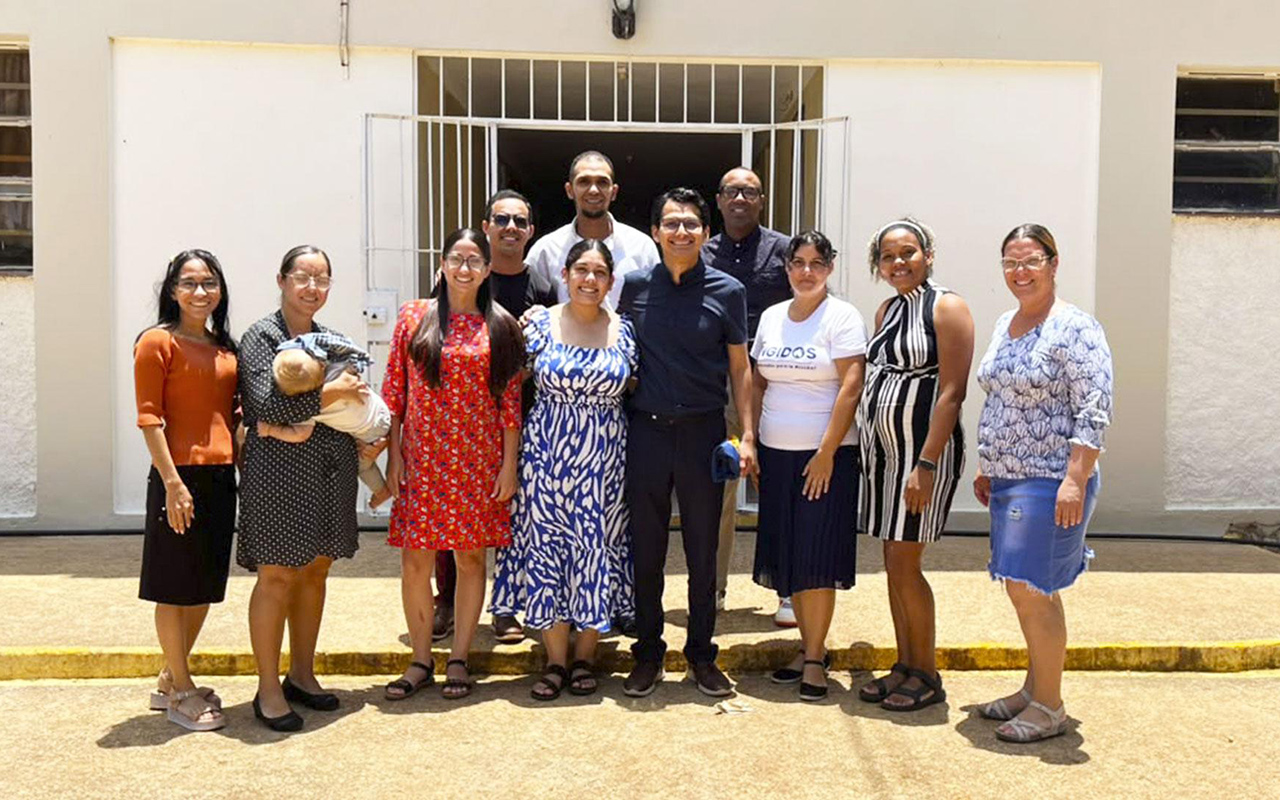
Master’s program prepares church leaders and professionals to address family crises, domestic violence, and mental health needs in congregations and communities.
August 20, 2026 | Montemorelos, Nuevo Leon, Mexico | Laura Marrero and IAD News Staff
To attend his graduate classes, Iván Moya travels nearly 17 hours from eastern Cuba. Yamil Oses, a pastor in Villa Clara Province, normally travels four and a half hours to Havana, but transportation difficulties this year turned the journey into a nine-hour train ride.
Their experience reflects the commitment behind a master’s degree in Family Counseling offered in Cuba by Montemorelos University (UM) in partnership with the Adventist Theological Seminary of Cuba (SETAC). Designed primarily for pastors but also open to professionals in education and psychology, the program is nearing completion of its second cohort.
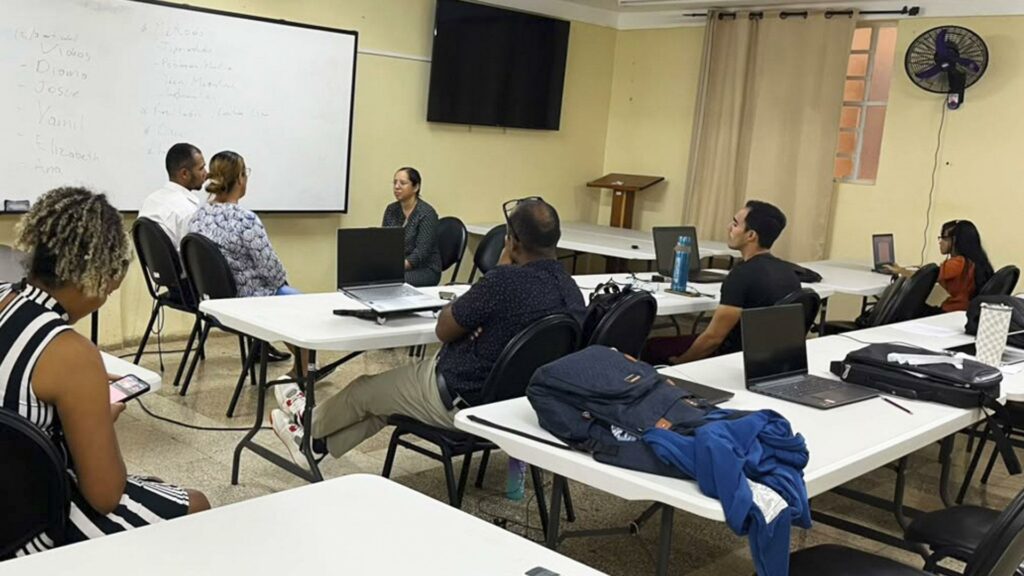
“Few people come to us with doctrinal or theological questions; most are looking for help with problems between parents and children, marriages, and other family situations,” Moya said. Those realities of pastoral ministry, he added, motivated him to pursue further training despite financial and transportation challenges.
Training Amid Technological Challenges
Each summer, Montemorelos University professors travel to Cuba for four to six weeks of intensive instruction, rotating as they complete courses that generally last one to one-and-a-half weeks.
Lucio Olmedo, Ph.D., graduate studies coordinator for UM’s School of Psychology, said the in-person model is largely necessary because of limitations in internet connectivity and electricity. Although the seminary has solar panels and an internet antenna, the infrastructure is sufficient mainly for registration, submitting assignments, and other basic academic tasks, but not for sustained videoconference classes.
The curriculum includes psychological foundations of emergencies, crisis care, sexuality across the life cycle, domestic violence, crisis intervention, and research.
For Oses, the training has already changed how he approaches pastoral ministry.
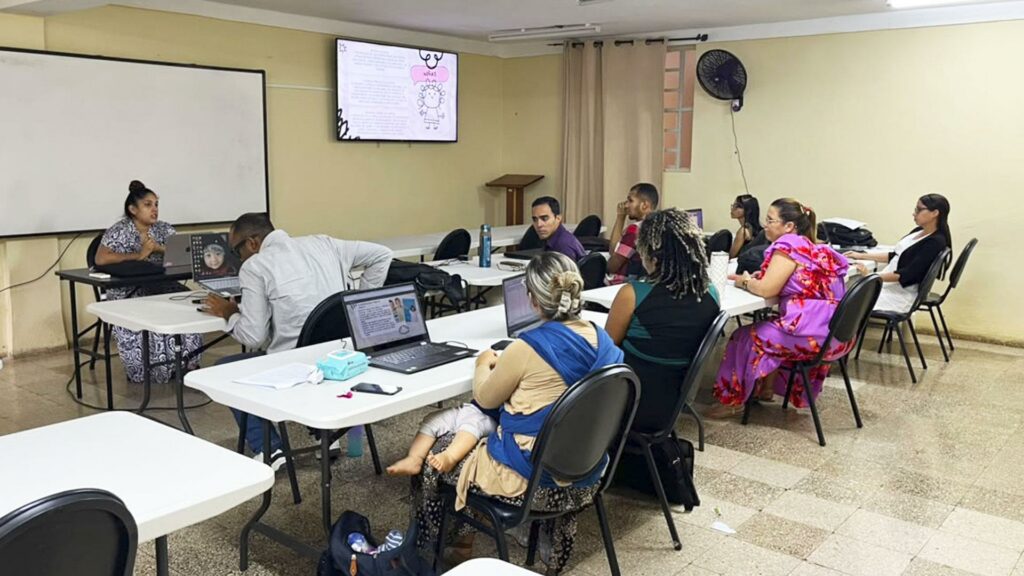
Oses said the course on domestic violence showed him the importance of addressing the issue more intentionally with churches and families. Crisis intervention training has also helped him accompany people through difficult situations with greater sensitivity and a more strategic approach.
Adapting Training to Cuba
Teaching in Cuba has also challenged UM professors to adapt classroom examples and methods to the realities students encounter in their communities.
“The effort to communicate the concepts of each course while respecting the culture of the place where we are teaching is extremely valuable,” said Marcelo Moroni, Ph.D., director of UM’s School of Psychology.
For mental health professionals, Moroni added, recognizing how family circumstances and mental health challenges differ from one region to another also enriches their professional practice.
The goal, he said, extends beyond earning a degree.
“Helping prepare professionals who will respond to the needs of the church and the community is a fundamental part of our missionary commitment,” Moroni said.
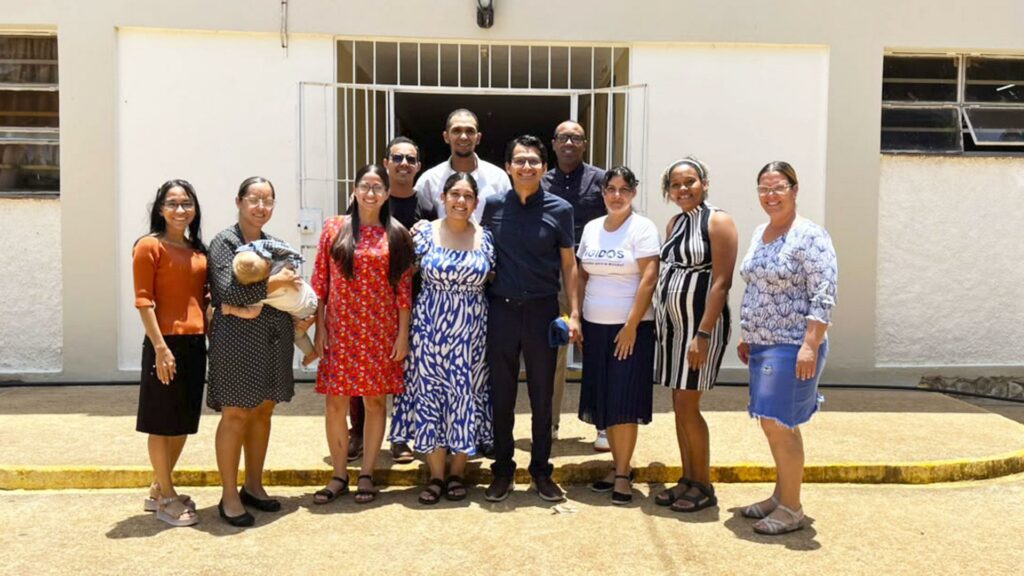
That commitment has also taken practical form. During their visits to Cuba, UM professors bring clothing, medications, personal hygiene items and, when possible, nonperishable food to assist students, families, and others connected with the seminary community.
“The solidarity of the professors has also been evident during the difficult circumstances our country is experiencing,” Oses said. “That gesture demonstrates their commitment to us not only as students, but also as people.”
Moya said the country’s economic conditions would have made it difficult for him to access a similar graduate program without the university’s support.
“We value the university’s commitment to our group and its interest in supporting our education,” he said.
Looking Ahead
The partnership between UM and SETAC has produced two cohorts. The first began before the COVID-19 pandemic and, following disruptions caused by the health emergency, concluded in 2023 with three graduates.
The second began with approximately 17 students and now has nine completing the program. Emigration has been among the factors affecting student retention.
As Montemorelos University, SETAC, and Adventist Church leaders in Cuba consider opening a third cohort, the current students are focused on completing their remaining requirements.
For Moya, the years of study and long journeys ultimately come back to service.
“We hope all this effort will bear fruit,” he said, “and above all, that we can serve God wherever He calls us.”
The original version of this story was posted on the Montemorelos University’s news site.
Related news
 From the Field
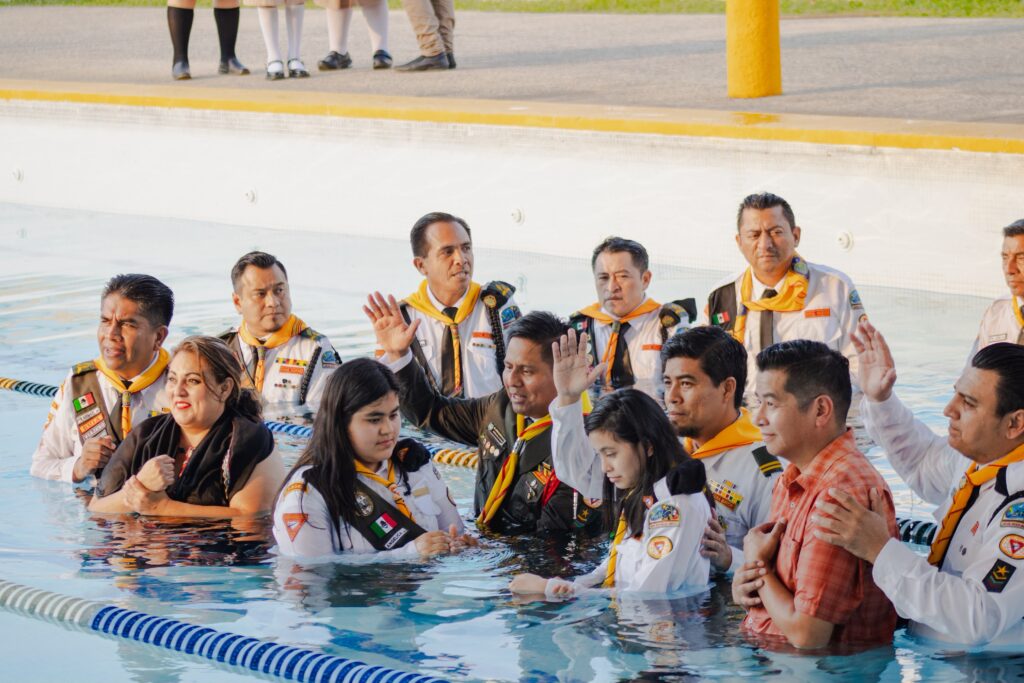
Pathfinder Evangelistic Tour Across Southeast Mexico Celebrates 164 Baptisms
Families join young people in decisions for faith as leaders recognize efforts to establish clubs in every church.
From the Field
Pathfinder Evangelistic Tour Across Southeast Mexico Celebrates 164 Baptisms
Families join young people in decisions for faith as leaders recognize efforts to establish clubs in every church.
 From the Headquarters
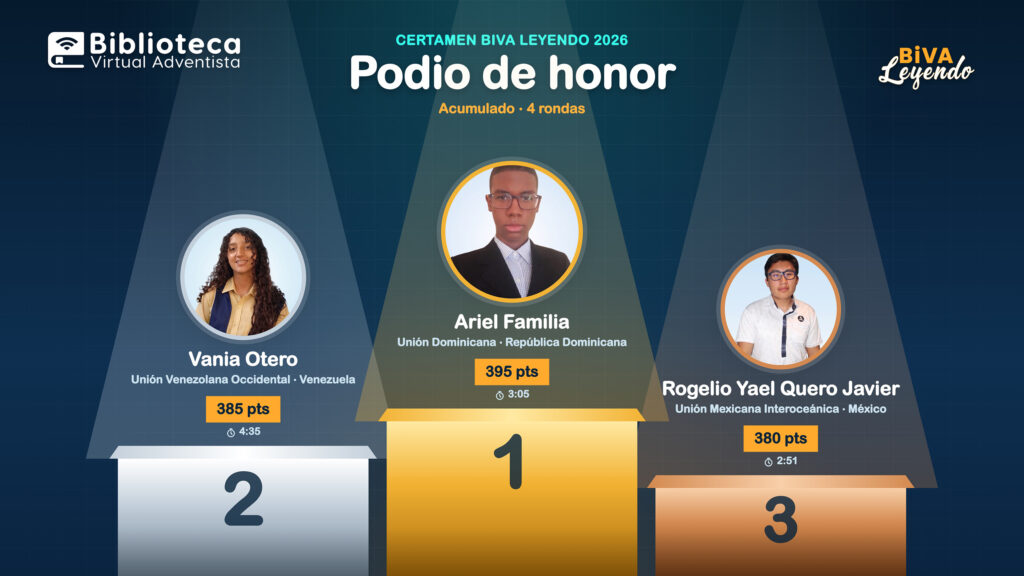
High School Students Across Inter-America Compete in Bible Reading Contest
Adventist Virtual Library contest brings together 14 finalists to test their knowledge of Genesis and strengthen Bible reading and faith.
From the Headquarters
High School Students Across Inter-America Compete in Bible Reading Contest
Adventist Virtual Library contest brings together 14 finalists to test their knowledge of Genesis and strengthen Bible reading and faith.
 From the Headquarters
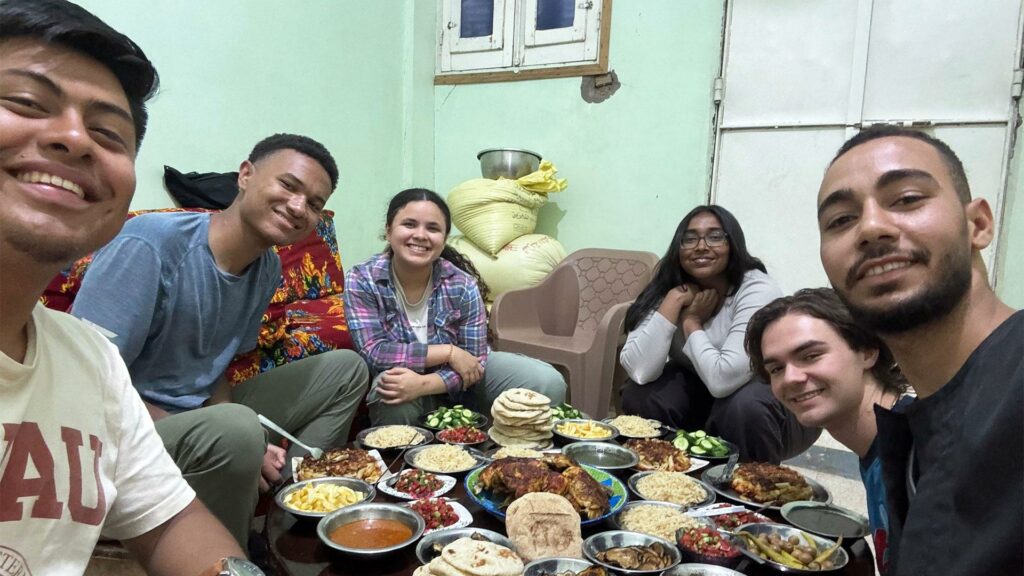
A Journey to Egypt Confirms a Calling
Teaching Bible and English in Egypt confirmed Rubén Díaz’s calling to serve in a cross-cultural context.
From the Headquarters
A Journey to Egypt Confirms a Calling
Teaching Bible and English in Egypt confirmed Rubén Díaz’s calling to serve in a cross-cultural context.