
Hope Channel Inter-America Unveils Milagros, a Short Film About Grace and Hope

October 29, 2026 | Monterrey, Nuevo León, Mexico | Laura Marrero and Inter-American Division News Staff
Hope Channel Inter-America (HCIA) unveiled Milagros, its first short film produced under the network’s brand, during a private screening at Epic Cinema Monterrey, Mexico, on October 1, 2026. The production builds on the network’s ongoing efforts to use filmmaking to share biblical values and reach audiences beyond traditional Seventh-day Adventist Church settings.
The 15-minute film follows a young university student whose life changes after a deeply painful experience. Facing uncertainty and emotional turmoil, she must make a difficult decision that tests her convictions and family relationships. Her story explores grace, compassion, and the importance of finding hope amid challenging circumstances.
Film as a Tool for Evangelism
“We rarely have the opportunity to preach in a movie theater,” said Lizbeth Elejalde, the film’s producer and programming director for HCIA. “Milagros allows us to share a biblical message with people who might never enter a church or listen to a sermon, but who, through a good story, may become open to listening, reflecting, and finding hope.”

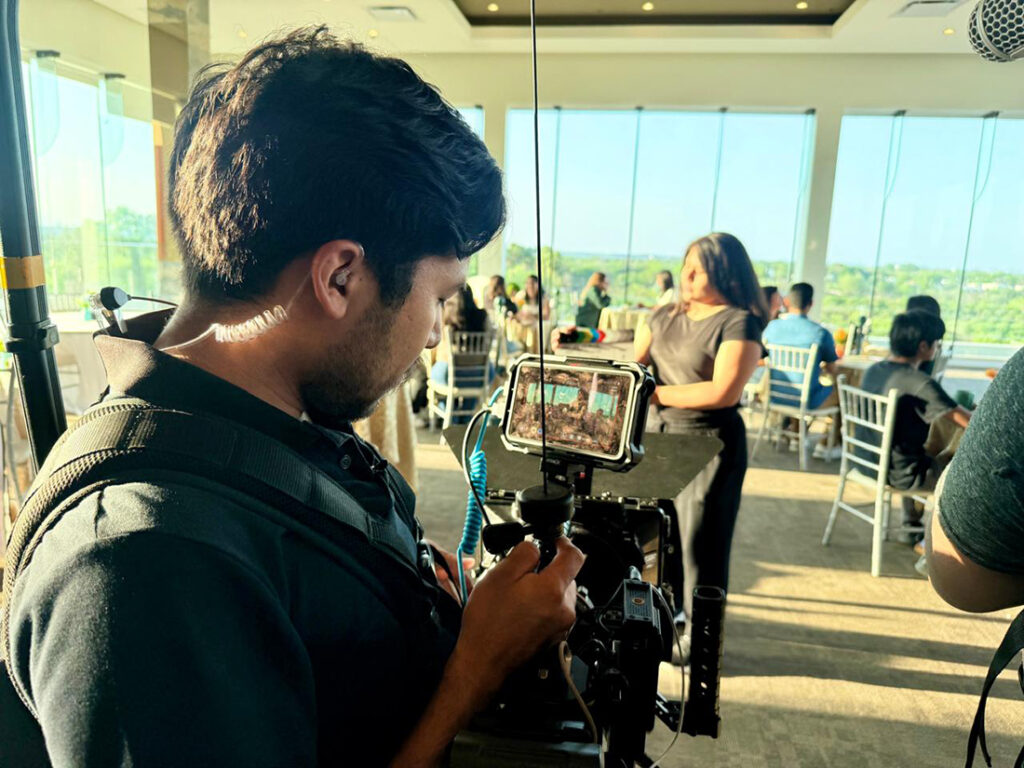
That missionary purpose extended to the filming process itself. The principal actors, all professionals who are not members of the Seventh-day Adventist Church, worked alongside a production team whose daily routines included prayer, fellowship, and healthy lifestyle practices.
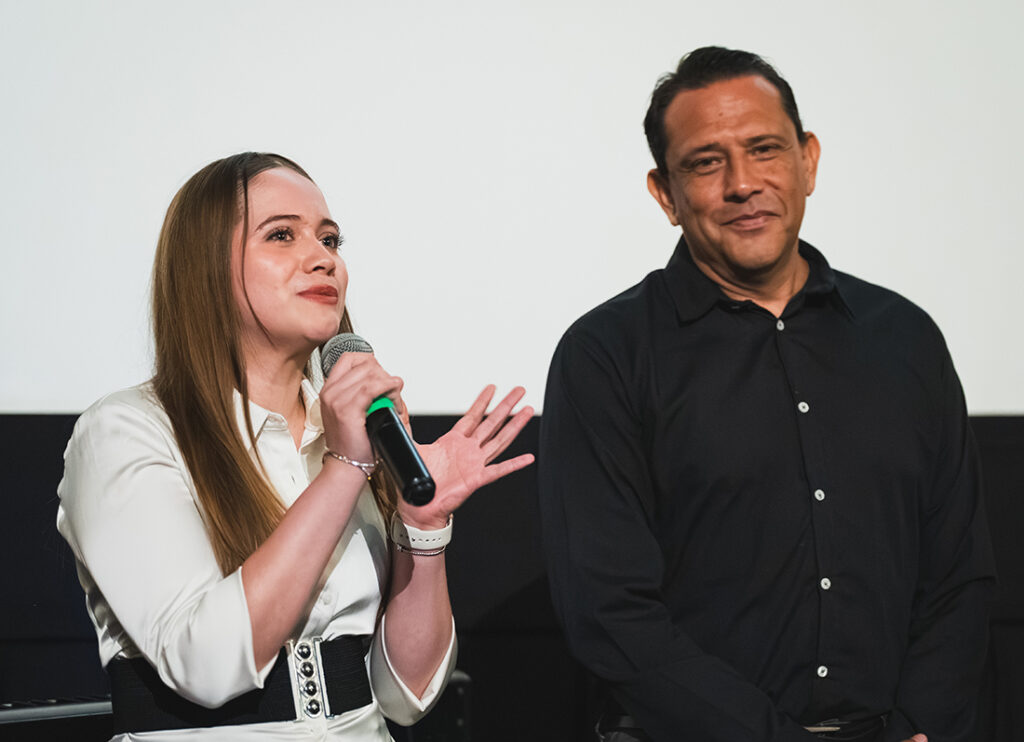
“It was wonderful to take part in this production,” she said. “Getting to know this team and understanding their way of life and how they relate to one another is something I will carry in my heart.”
Salinas said the experience stood apart from her previous work. “Experiences like these are not common in our usual work,” she added.

Approved in 2024 with funding from Hope Channel Inter-America, the project was filmed in February 2025 at locations in Montemorelos and Monterrey. Production was completed in 2026.
During the screening, Abel Márquez, executive director of Hope Channel Inter-America and executive producer of Milagros, recognized the team’s efforts and emphasized the film’s spiritual message.
“Although it is important to celebrate our first project of this kind, what matters most is recognizing the miracles God performs in our lives every day, and we hope audiences will also celebrate those opportunities,” Márquez said.
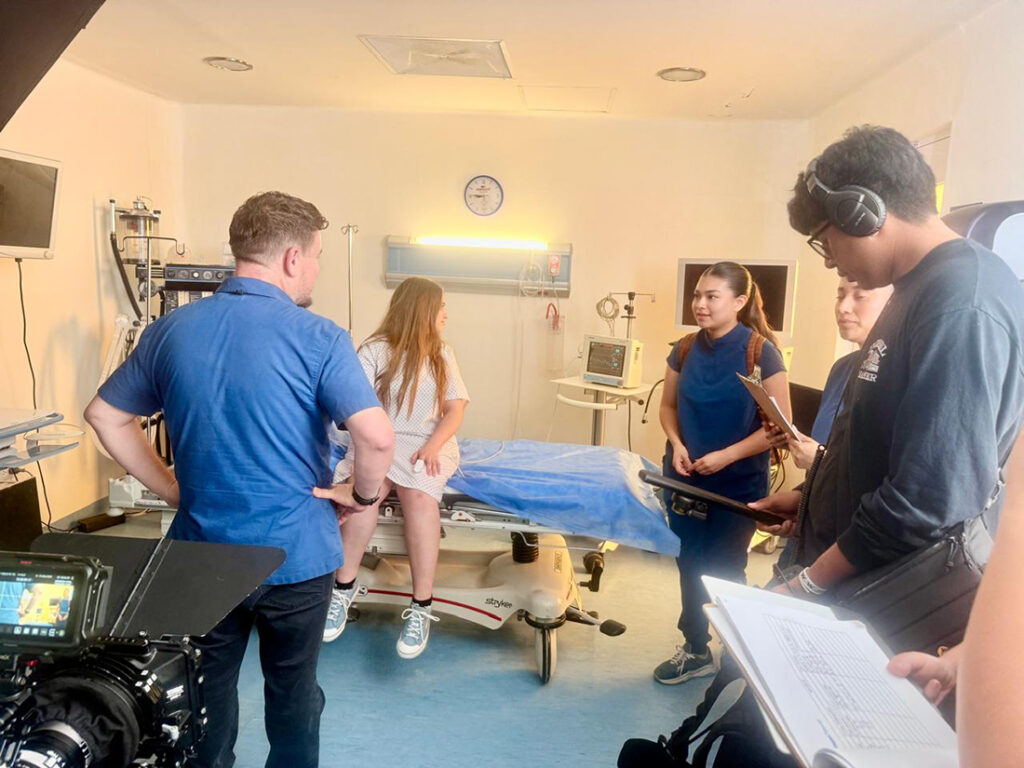
Beyond its cinematic approach, Milagros raises questions about how families and communities respond when someone experiences a personal crisis, highlighting the importance of offering support rather than judgment.
Pastor Juan José Andrade, dean of the School of Theology at Montemorelos University and one of the screenplay reviewers, recalled how the story prompted him to imagine himself in the position of the protagonist and her family. As he reflected on the narrative, he found a deeper message about grace and forgiveness.
“No one is so vile or has fallen so low that they cannot find forgiveness in Jesus,” Andrade said, adding that the film conveys the message that “there is mercy through the grace of God.”
Montemorelos University Academic Vice President Dr. Judith Mabel Ayala, who attended on behalf of the university administration, highlighted the film’s portrayal of violence and its consequences without offering simplistic answers.
“It is not enough to affirm the value of life; we must be communities that welcome others and provide refuge without judgment,” Ayala said.
Partnership Opens Doors for Young Filmmakers
Milagros was developed through a collaboration agreement between Hope Channel Inter-America and Montemorelos University to produce film and television projects. The partnership gave students enrolled in the university’s 2024 film production course opportunities to participate in various stages of the project and gain hands-on experience in a professional production.
Katherine Martínez, now a fifth-semester student, joined the project during her first semester. Working as a script supervisor assistant, she gained firsthand insight into the operations of a film crew.
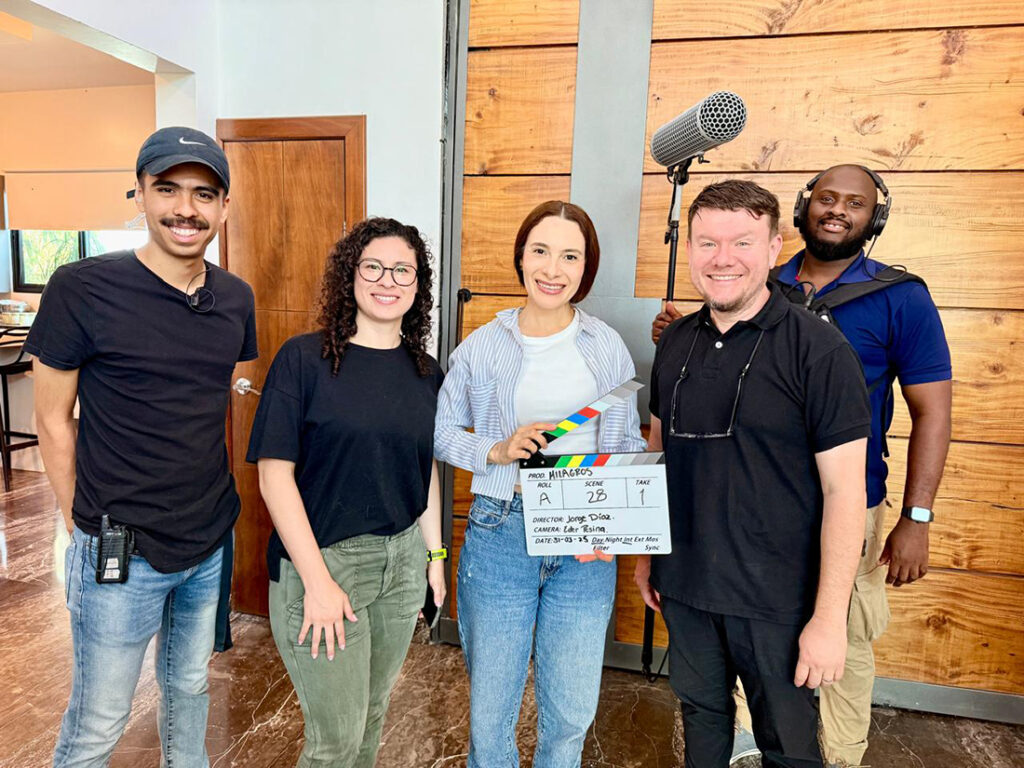
Lucio Neri, a seventh-semester student, served as an audio assistant during filming and later contributed to the musical score, sound editing, and soundtrack recording. Together with Diego Turrubiates, he developed musical pieces for different scenes.
Neri recalled initially viewing his involvement as a school assignment before realizing it was “much more than that.” He now hopes the story will encourage viewers to reflect on their own decisions.
For Díaz, who also serves as Hope Channel Inter-America’s film production coordinator, the partnership connects classroom learning with real-world projects while giving students access to professional equipment, facilities, and practical experience.
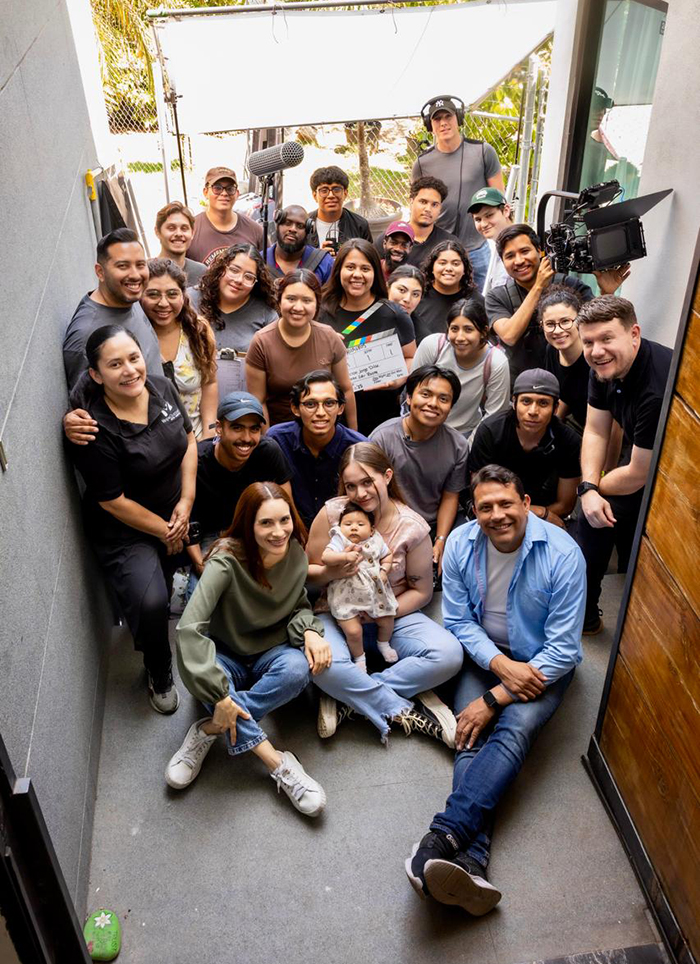
Following its private screening, Milagros is being prepared for submission to film festivals in 2027, with the goal of introducing its message to broader audiences, Díaz said.
After its planned festival run, the short film is expected to become available on Hope Channel Inter-America’s on-demand platform, making it accessible to viewers throughout the region.
Meanwhile, the production team is already working on its next film, with shooting scheduled to begin in early 2027, as Hope Channel Inter-America continues exploring filmmaking as another way to share stories of faith and hope.
To learn more about Hope Channel Inter-America, its programming and ongoing projects, visit hopechannelinteramerica.org.
Related news
 From the World Church
Media Manager Calls Leaders to Rethink Adventist Video Content Production
Reaching people for Jesus requires changing our mindset, Kyle Warren says.
 From the Headquarters
Hope Channel Inter-America Moves to Build Stronger Digital Media Ecosystem
Media leaders meet in Miami to align strategies, strengthen collaboration and expand evangelistic reach.
 From the World Church
Adventist Intercultural Marriages Have Skyrocketed. Is That a Positive Sign?
A pastor and psychotherapist dissects the implications of an increasing trend.