
IAD Boards Approve 2027 Plans, Strengthen Mission Across Inter-America
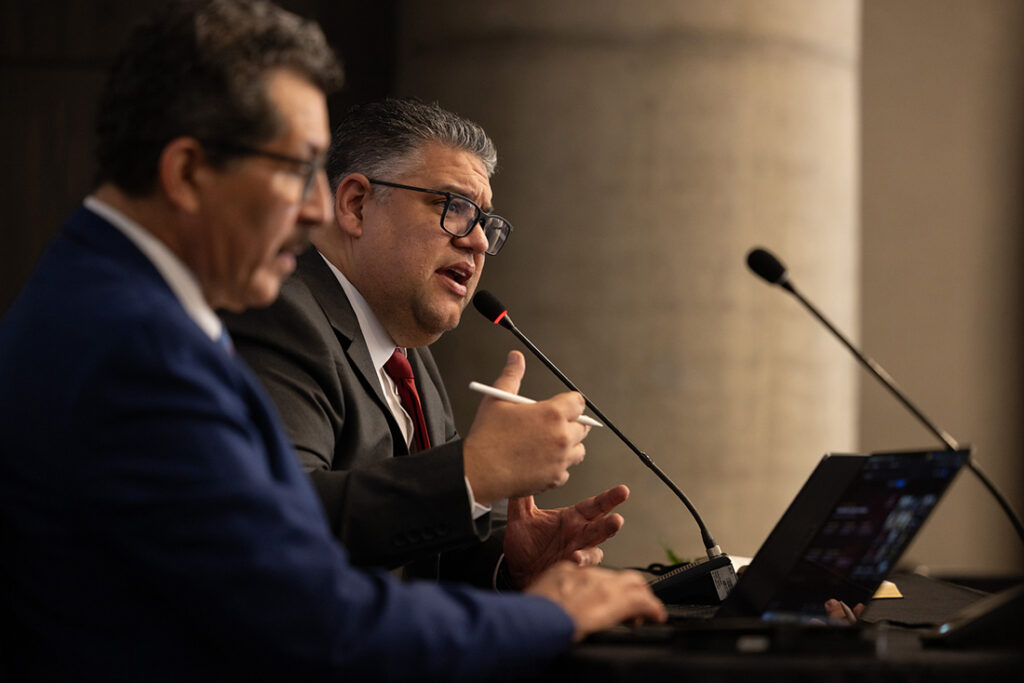
Leaders of theological, health food and healthcare service institutions chart priorities for growth, sustainability and stronger mission impact.
October 30, 2026 | Bogotá, Colombia | Libna Stevens, Inter-American Division News
Three Inter-American Division (IAD) institutional boards meeting in Bogotá, Colombia, on October 29 approved financial plans and outlined priorities to strengthen theological education, health food production and healthcare services across the Inter-American Division (IAD).
Leaders of the Inter-American Adventist Theological Seminary (IATS), Inter-American Health Food Company (IAHFC) and Adventist Healthcare Service Inter-America (AHSIA) reviewed institutional progress, addressed operational challenges and advanced plans to strengthen their institutions’ role in the church’s mission.
IATS reported significant progress in academic development, including renewed accreditation, curriculum improvements and plans to expand theological research and publications.
IATS President Ángel Guzmán announced that the seminary received accreditation from the Adventist Accrediting Association through December 2030, following an evaluation conducted in July. He also highlighted a comprehensive curriculum review, updates to graduate programs and the development of resources to support the church’s OneVoice2027 evangelistic initiative.
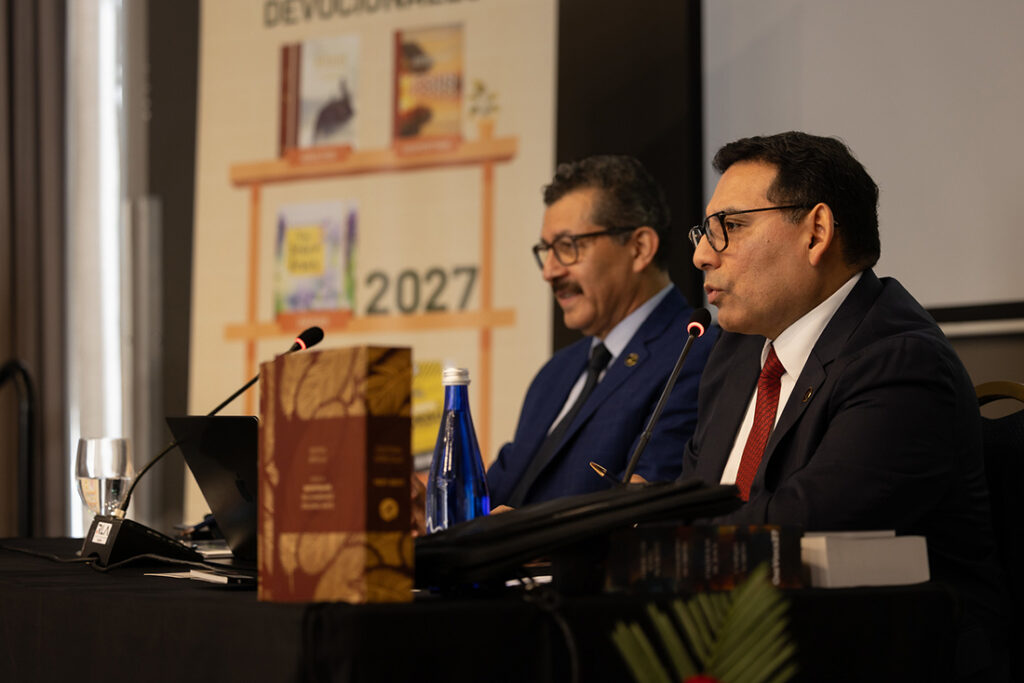
Board members approved the creation of an Inter-American Adventist theological society, to be coordinated through the division with the seminary’s involvement, and endorsed plans to establish an indexed academic journal while continuing the existing Teobíblica publication.
The board also authorized an annual theological book project beginning in 2027, developed in cooperation with the division’s publishing houses.
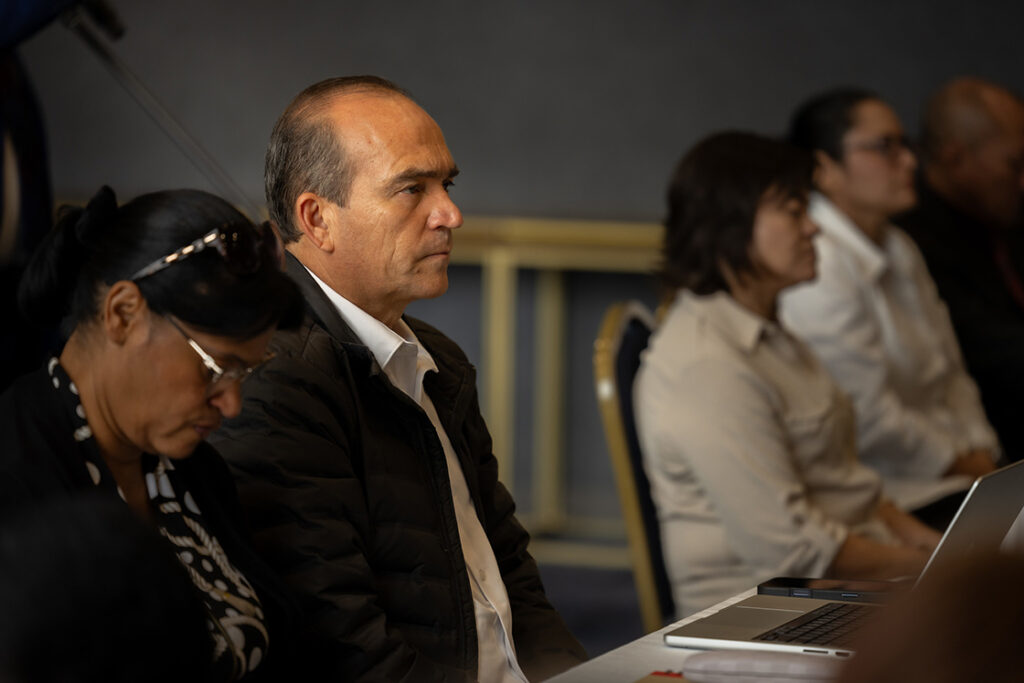
During discussion, Ricardo Marín, president of the Costa Rica Union, commended Echenique’s professional qualifications and Christian character. Puerto Rican Union President Luis Rivera asked where the position would be based, prompting clarification that the assignment would be in Costa Rica.
IAD President Abner De los Santos praised the seminary’s development and emphasized the importance of coordinating academic partnerships, including prospective agreements with Andrews University, through established division channels.
IATS Vice President for Finance Nolwin Guilarte reported positive financial results, consistent working capital and liquidity, and careful expenditure management. He clarified that the 2025 and 2026 financial statements had not yet been audited, with audits expected in early 2027.
Ivelisse Herrera, IAD treasurer, commended the seminary’s prudent financial administration. The board accepted the financial report, approved an updated financial policy for 2026–2030 and considered investment provisions alongside its 2027 operating budget.
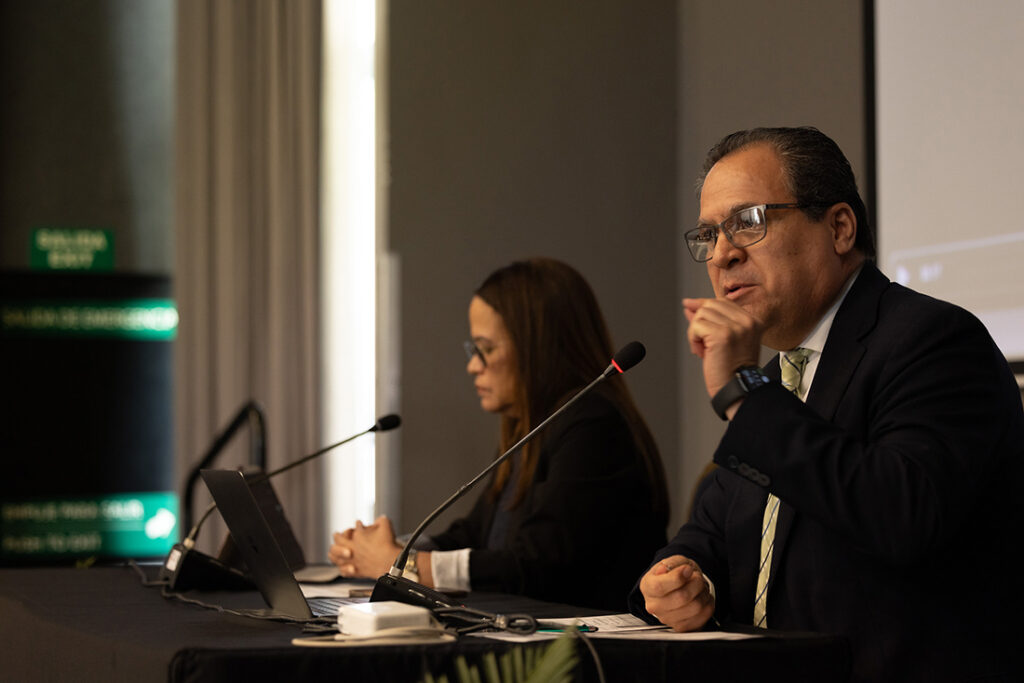
The IAHFC reported stronger-than-expected sales and earnings projections for 2026, despite production challenges and difficult operating conditions in several markets.
IAHFC director José Flores told board members that the company’s food manufacturing operations across eight countries were on track to close the year with strong production and sales performance.
While sales and earnings were expected to exceed budget projections, Flores acknowledged continuing difficulties at facilities in Panama and Bucaramanga, Colombia, where greater sales volumes are needed to reach operating targets.
He also discussed the effects of economic instability and recent earthquakes in Venezuela, Colombia and Panama. Flores reported no deaths or injuries among employees and no damage to company facilities from the earthquakes.
The board approved the company’s consolidated 2027 operating budget, which covers 10 subsidiaries, as well as the budget for its central administrative office. Leaders reviewed the company’s financial model, which directs portions of its resources toward evangelism, Adventist education, church construction and product development.
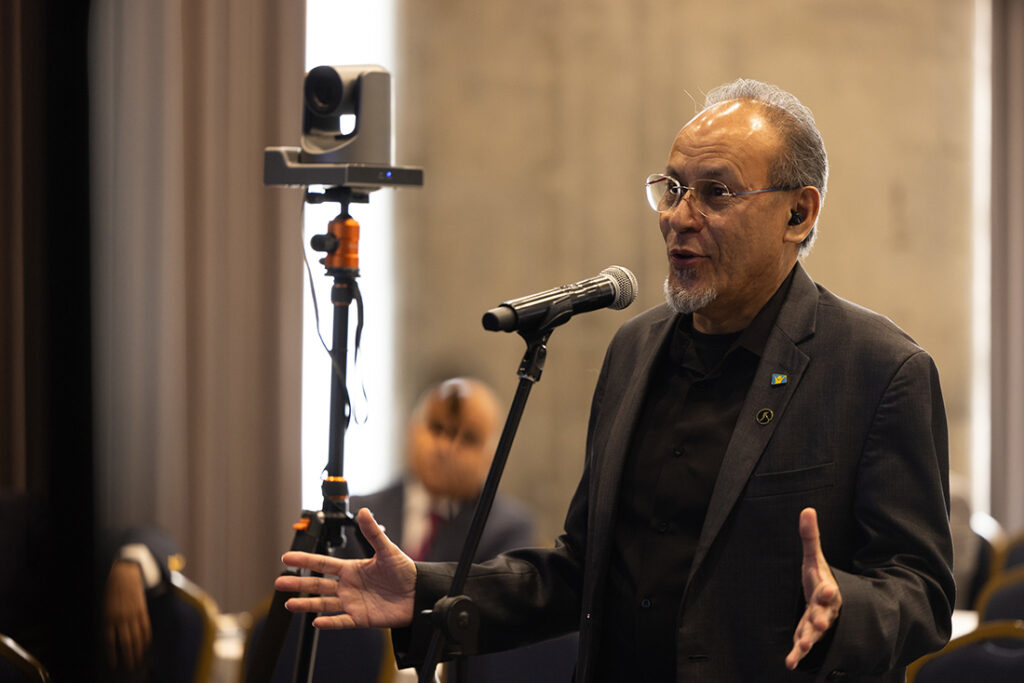
During discussion, Orlando Ramírez, president of the West Venezuela Union Mission, expressed gratitude for the company’s work in Venezuela despite prolonged economic challenges.
Ramírez described the effects of inflation, currency fluctuations and rising operating costs on the country’s two Adventist food factories. He praised the commitment of local workers and leaders, expressing hope for continued progress despite those difficulties.
Healthcare Board Calls for Stronger Mission Integration
The Adventist Healthcare Services Inter-America board opened with a call from De los Santos to place the church’s health message at the center of its evangelistic mission.
Reading an extended statement on health ministry, De los Santos emphasized that Adventist healthcare must address physical, mental, emotional, social and spiritual well-being.
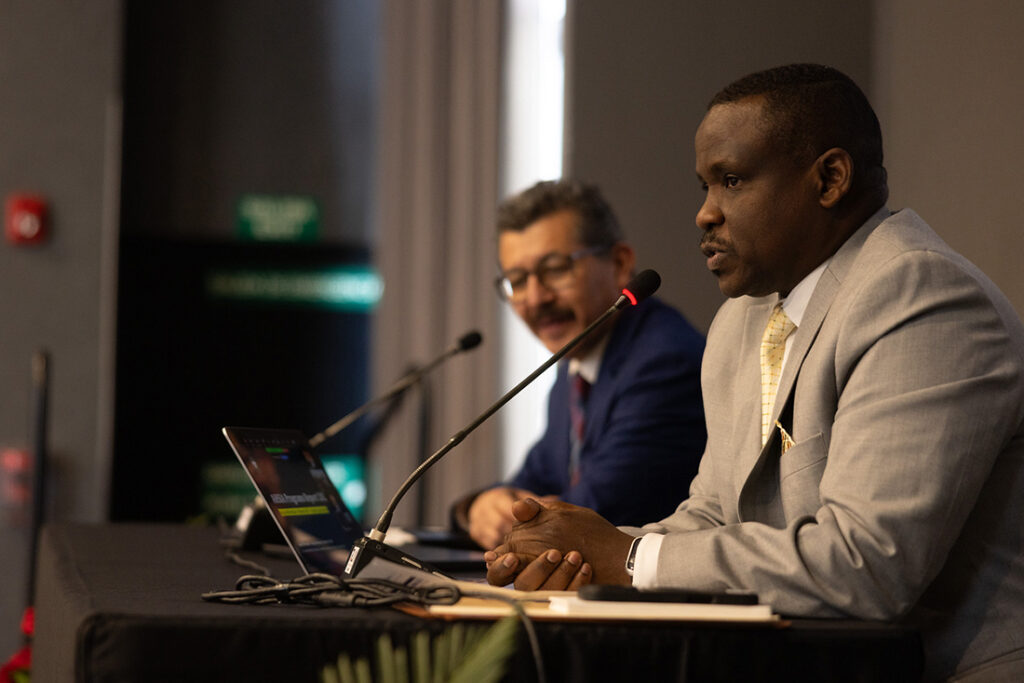
He challenged healthcare leaders to move beyond maintaining existing hospitals and clinics and consider how health education, preventive services and community outreach could prepare communities for the division’s OneVoice2027 and Impact2028 evangelistic initiatives.
The meeting also featured an online seminar by Lowell Cooper, former general vice president of the General Conference, addressing relationships between the church and its healthcare institutions.
Cooper emphasized that Adventist healthcare institutions have distinct legal and governance responsibilities while remaining closely connected to the church’s spiritual purpose.
“Our healthcare institutions are a mission that requires a business model,” he said, underscoring the importance of balancing effective administration with compassionate care.
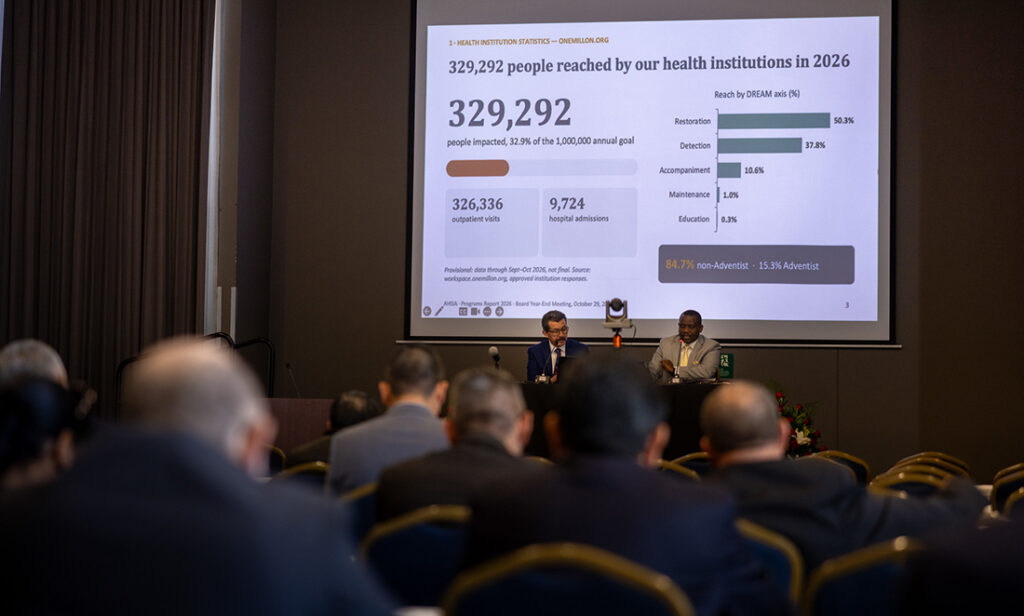
Geneus acknowledged challenges involving institutional growth, governance, financing and service delivery. He outlined plans to develop a broader Adventist healthcare model integrating medical treatment, lifestyle interventions, spiritual care and psychological support.
Board members endorsed further development of the model and related collaborative work with Adventist universities, including Montemorelos University. They also supported continued work on institutional governance and the network’s governing documents, along with the admission of an additional university-affiliated clinic.
Juan José Morán presented AHSIA’s financial report and proposed 2027 budget.
The board approved the operating plan, with most resources earmarked for direct and indirect support to healthcare institutions.
Related news
 From the Headquarters
Consecrated
The following message is addressed to the Seventh-day Adventist Church in Inter-America by Abner De los Santos, president of the Inter-American Division. — IAD…
 From the Field
Dominican Republic Adventists Mark 76-Hour Bible Marathon With Gift to President
Hundreds read Scripture around the clock as the initiative reaches thousands online and brings Bibles to local families. October 29, 2026 | Santo Domingo,…
 From the Headquarters
Adventist Publishing Houses Report Financial Gains, Advance Mission Plans for 2027
IADPA and GEMA report financial growth, approve budgets and advance publishing initiatives across Inter-America.