
‘The Mission We Lead Must Be the Mission We Live,’ Adventist Leader Says
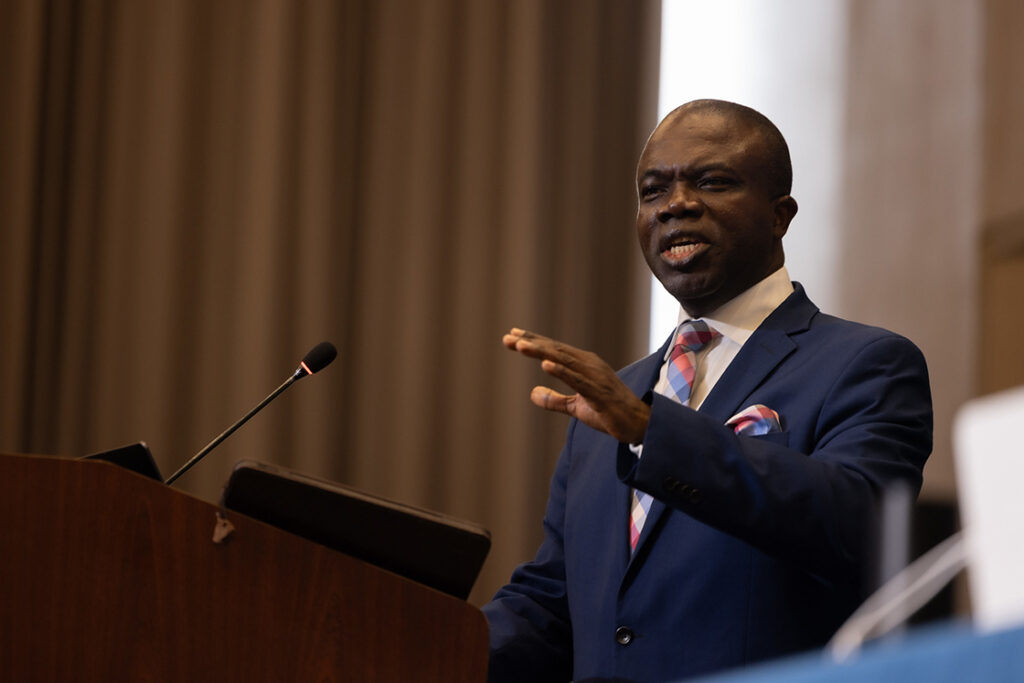
Robert Osei-Bonsu urges Inter-American leaders to personally embrace evangelism, discipleship and service.
November 2, 2026 | Bogotá, Colombia | Libna Stevens, Inter-American Division News
“The mission we lead must be the mission we live.”
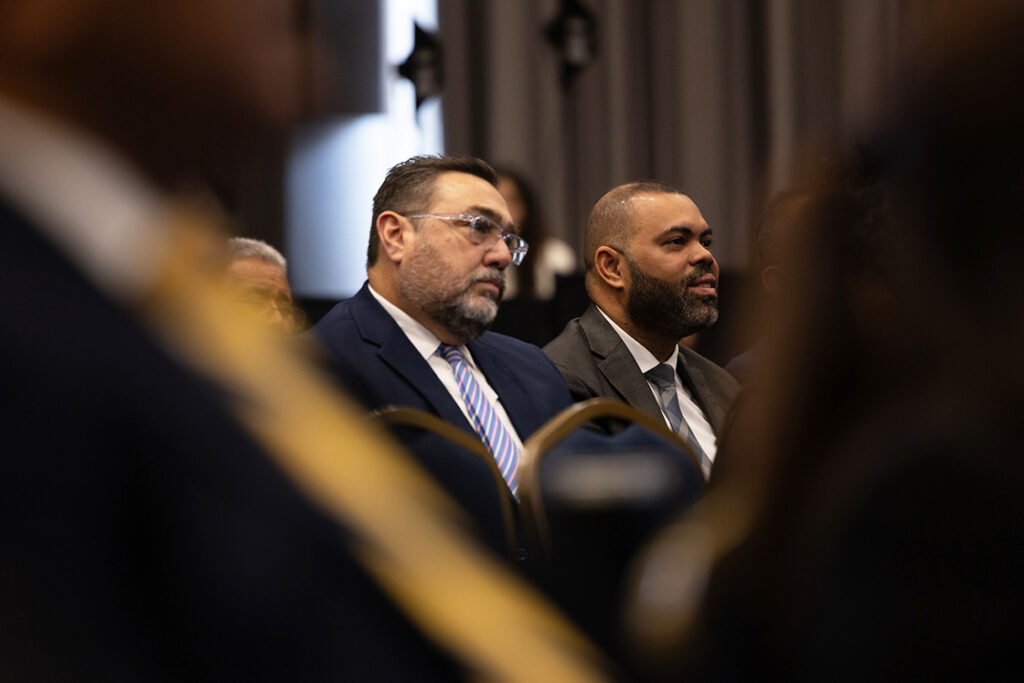
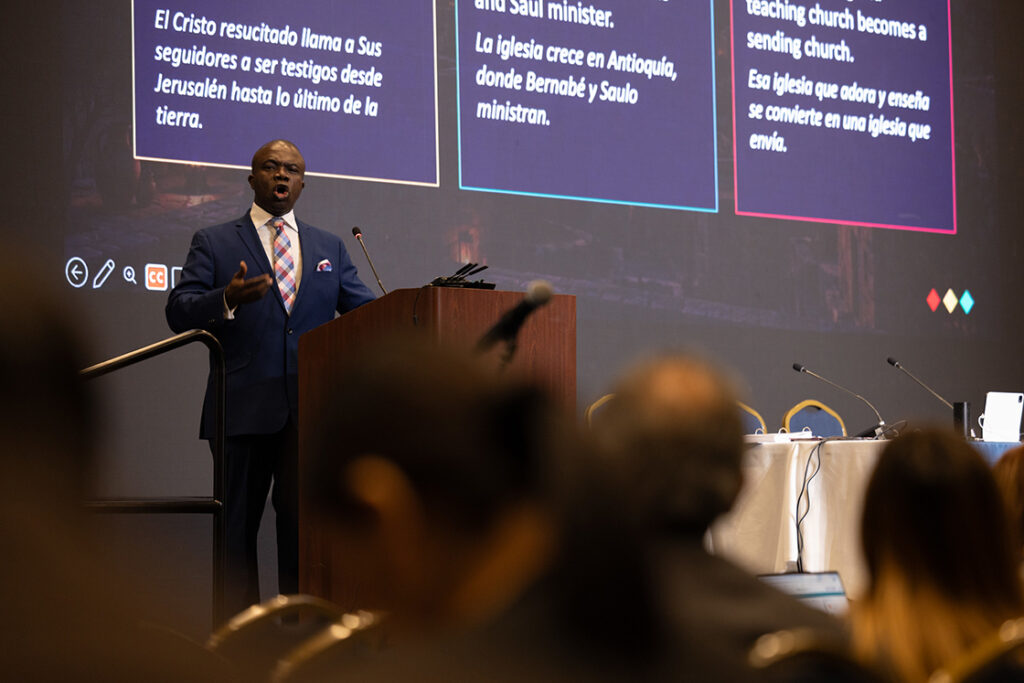
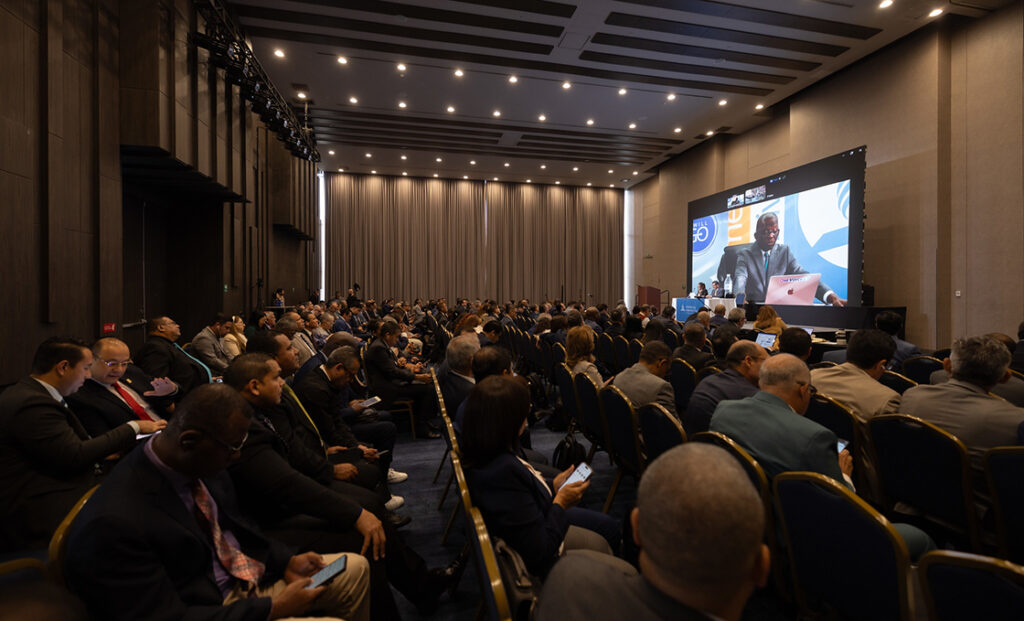
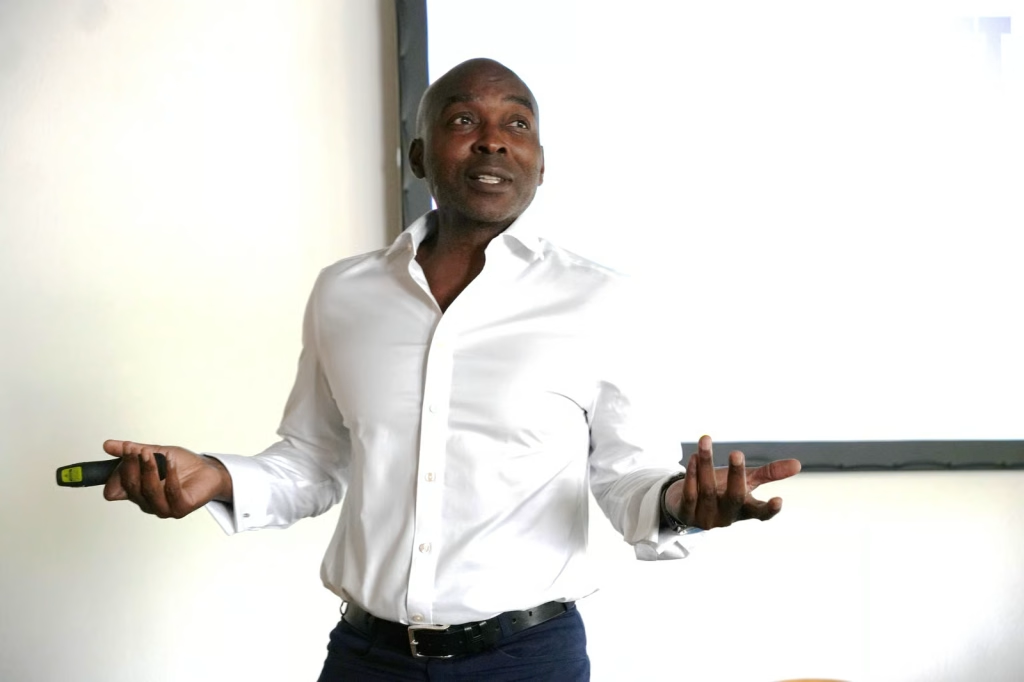
That was the central challenge delivered by General Conference Vice President Robert Osei-Bonsu to more than 200 executive committee members and invitees gathered for the opening of the Inter-American Division’s (IAD) Annual Council in Bogotá, Colombia, on November 2, 2026.
Speaking during the opening devotional, Osei-Bonsu urged church leaders to move beyond administrative responsibilities and become personally involved in the mission they oversee.
Reflecting on the Annual Council theme, “Living the Mission With One Voice,” Osei-Bonsu emphasized that mission is not simply one of the church’s many responsibilities. It is the reason the church exists.
“Mission is our raison d’être. Mission is the reason for our existence,” he declared.
He reminded administrators that every church office, institution, department and committee exists to support the proclamation of the gospel. Organizational structures, he said, must never become substitutes for personal commitment to reaching people for Christ.
Leadership Begins With Surrender
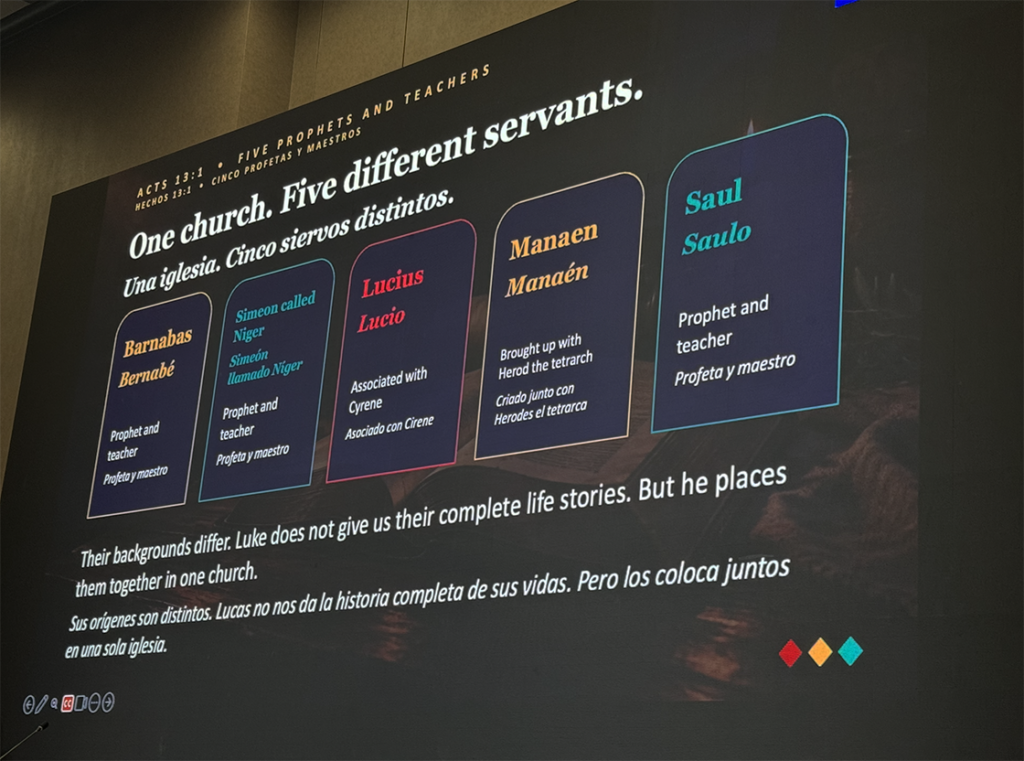
Drawing from Acts 13:1–4, Osei-Bonsu pointed to the early church in Antioch, where leaders worshiped, prayed and fasted before responding to the Holy Spirit’s call to send Barnabas and Saul into missionary service
“Before important decisions, before appointments and budgets, we need to set time apart to commune with God,” he said.
He described the Antioch church as a diverse community whose leaders came from different cultural and social backgrounds but were united in their commitment to God’s mission.
Osei-Bonsu drew a parallel with the Inter-American Division, where diverse nations, cultures and languages come together in service.
He challenged leaders to examine whether their positions had strengthened their dependence on God or gradually replaced it with personal authority and institutional priorities.
“We remain disciples who need forgiveness, redemption and instruction in the Lord,” he said
Beyond the Office
One of his strongest appeals centered on the danger of allowing administrative work to replace direct involvement in evangelism and discipleship.
He acknowledged that budgets, strategic plans, institutional oversight and policy decisions are essential to the church’s work. Yet none can replace the personal ministry of leaders who pray with people, visit congregations, mentor believers and share their faith.
“We may delegate tasks, but we cannot delegate discipleship,” he emphasized.
When pastors and church members see their leaders personally engaged in mission, he added, they are encouraged to participate themselves
Osei-Bonsu also stressed that Christ’s method of ministry requires genuine compassion, respect and concern for people’s needs. Evangelistic outreach, he said, must never make kindness conditional on someone accepting a Bible study or joining the church.
Releasing Resources for Mission
Returning to the example of Antioch, Osei-Bonsu challenged administrators to release capable workers and share resources wherever the needs of mission are greatest.
He warned against treating personnel, finances and institutions as possessions to protect rather than resources entrusted to the church for God’s work.
Recalling his previous service as president of the West-Central Africa Division, Osei-Bonsu expressed appreciation for mission support received from Inter-America, noting that resources from the territory had helped advance outreach in African countries unfamiliar to many of those present.
“A division is not a competing kingdom. A union is not an independent mission,” he said. “We serve one Lord within one worldwide church family.”
His message underscored the importance of cooperation, generosity and shared responsibility across organizational and geographic boundaries.
Keeping Christ at the Center
Linking Acts 13 with Revelation 14:6–12, Osei-Bonsu reminded leaders that the church’s missionary calling is inseparable from the everlasting gospel and the Three Angels’ Messages.
“Our purpose, my dear leaders, is not simply to make our organization more visible,” he said. “It is to help people know, trust, worship and follow Jesus Christ wherever we find ourselves.”
He urged administrators to resist the temptation to seek recognition, prestige or competition between territories.
“God is the one to be honored, not the messenger,” he said.
Osei-Bonsu reminded participants that church leaders themselves remain dependent on the same grace, forgiveness and transforming power they proclaim to others.
A Personal Commitment to Mission
As he concluded, Osei-Bonsu challenged participants to identify someone to reach, make time for personal ministry and take a leadership action to advance mission, whether by sharing resources, removing barriers or strengthening partnerships.
He encouraged participants to consider Bible studies, community service, mentoring and visits with local congregations as tangible ways to remain connected to the mission they administer.
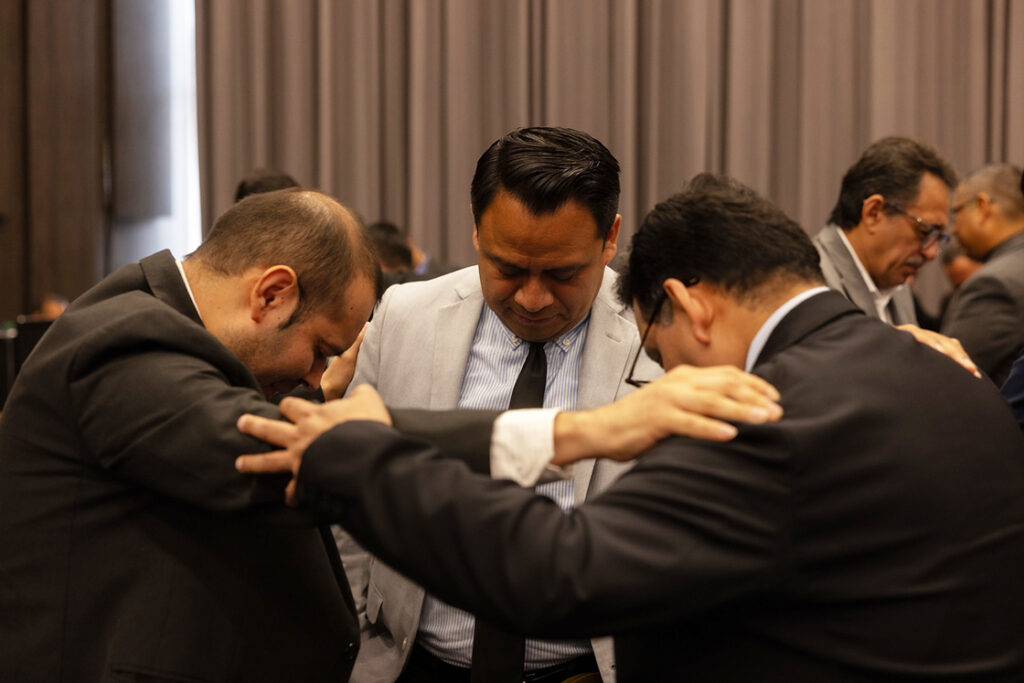
In a closing appeal, Osei-Bonsu invited leaders to stand in renewed commitment to Christ and pray for unity in advancing the church’s mission.
“We stand not because we have fulfilled a mission, but because we need the Lord of the mission,” he said.
Related news
 From the Headquarters
IAD Secretary’s Report Highlights Evangelistic Growth, Calls for Stronger Member Engagement
Annual Council leaders examine rising baptisms, declining recorded membership and youth attendance concerns, emphasizing the need for stronger discipleship, retention and pastoral care across…
 From the World Church
GC Associate Treasurer Tim Aka Dies
He was a thought leader at the intersection of finances and spirituality
 From the World Church
Is It Possible to Get Rid of a Disease?
Adventist lifestyle physician shares tips to stop and even reverse some chronic conditions.