
Adventist Advocate Urges Greater Focus on Religious Discrimination’s Human Cost
October 23, 2026 | Provo, Utah, United States | Jamaica Union and Inter-American Division News Staff
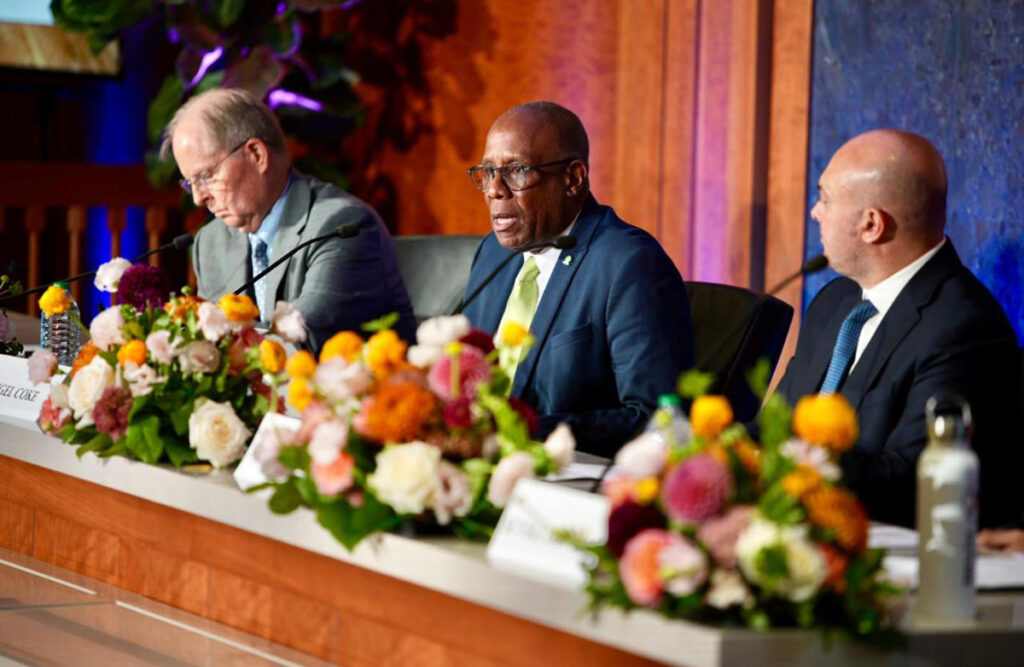
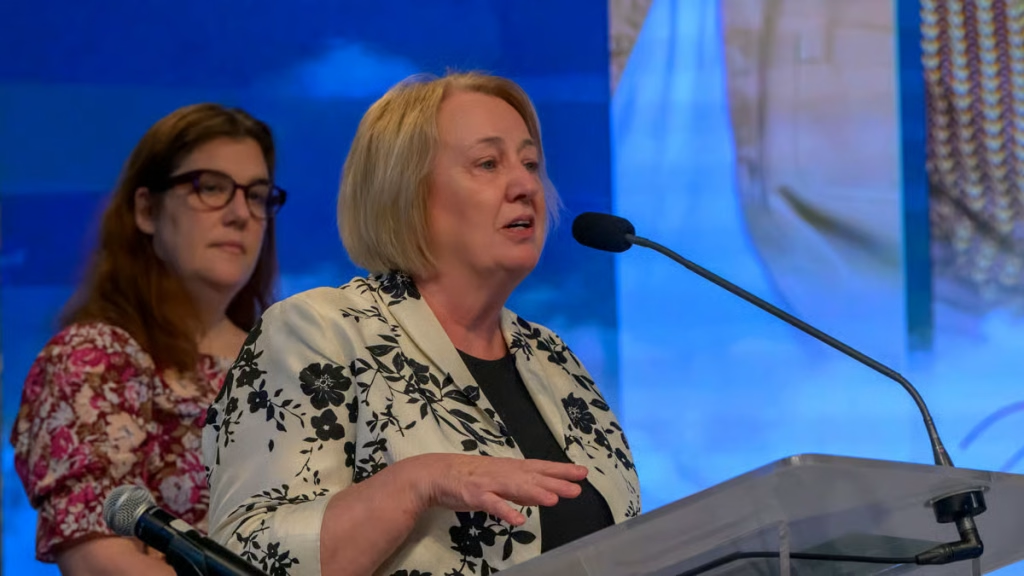
Religious discrimination can cost individuals their livelihoods, threaten family stability and take a toll on mental health, yet its impact on households often goes unmeasured, Seventh-day Adventist religious liberty advocate Nigel Coke told international researchers and religious leaders gathered at Brigham Young University (YU) in Provo, Utah, earlier this month.
Coke, former Public Affairs and Religious Liberty director of the Seventh-day Adventist Church in Jamaica, challenged researchers to look beyond national statistics on religious persecution and examine its personal consequences.
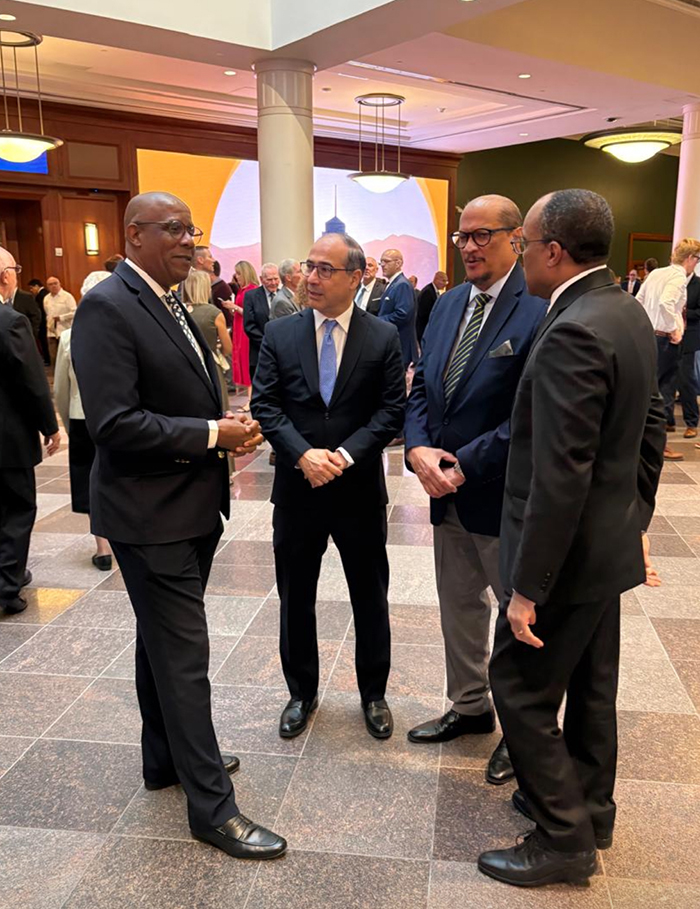
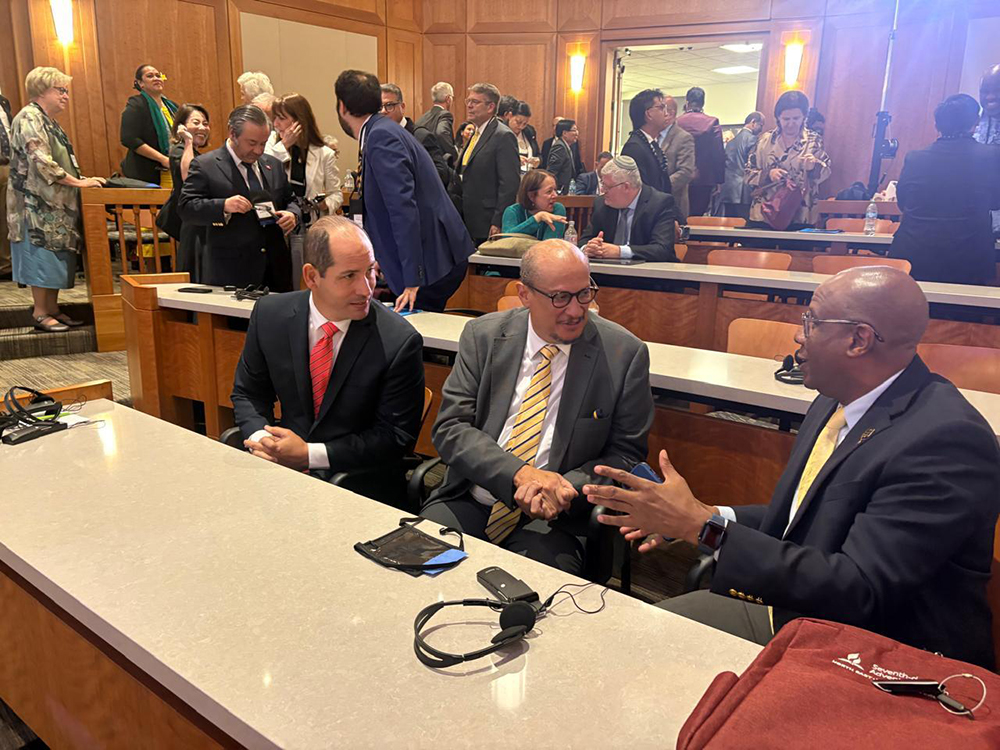
He spoke during the 33rd Annual International Law and Religious Liberty Symposium, held October 4–6 under the theme “Building an Infrastructure for Freedom of Religion or Belief.” The event brought together more than 200 participants from over 50 countries, including scholars, legal experts, religious leaders, government officials and religious freedom advocates.
Coke, the only Jamaican and Seventh-day Adventist among the participants, said religious discrimination can affect anyone, regardless of religious affiliation or background.
He pointed to the potential consequences for families when a breadwinner loses employment because of religious beliefs, including financial instability, loss of housing and severe emotional distress.
His presentation, titled “The Architecture of Pluralism: Legal Neutrality and Grassroots Literacy – Why Separation of Church and State Is Necessary but Not Sufficient for Interfaith Respect,” explored how governments and religious communities can work toward greater religious freedom.
Two Pillars of Religious Freedom
Drawing on Martin Luther King Jr.’s declaration that “Injustice anywhere is a threat to justice everywhere,” Coke argued that religious pluralism depends on two essential foundations: legal neutrality and religious education that promotes mutual respect.
He compared the two principles to pillars supporting a building, warning that neither can sustain religious freedom alone.
Coke emphasized that separating church and state does not mean opposing religion but ensuring equal protection for all faiths.
“The state cannot be both a player and a referee,” he said. “Separation does not mean hostility toward religion. It means the state creates a neutral space where no religion needs permission from another to exist.”
Without such protections, he warned, public expressions of interfaith cooperation risk becoming symbolic rather than meaningful.
“We shake hands on stage while the law off stage has already chosen a winner,” Coke said.
Teaching Respect Within Faith Communities
Coke identified religious education as the second pillar, urging faith leaders to teach their own members how to respect people whose beliefs differ from theirs.
While interfaith dialogue remains valuable, he said greater attention should be given to what religious communities teach internally about those outside their traditions.
“Intra-faith means let me teach my members what our own religion says about how we must treat you when we believe you are wrong,” he explained.
“The problem is not that they don’t know each other exists; it is what they were taught on their day of worship about that existence,” he said.
He warned against religious teachings that foster contempt for other faiths, urging believers to distinguish disagreement from disrespect, uphold scriptural principles of respect for others and avoid misrepresenting different religious traditions.
Drawing on Seventh-day Adventist beliefs, Coke reaffirmed the church’s commitment to religious freedom for all, emphasizing that genuine worship must be freely chosen rather than imposed.
A Shared Responsibility
Coke concluded by urging lawmakers to uphold impartial protections for religious belief while challenging pastors, imams, rabbis, priests and teachers to promote respect within their congregations and communities.
He maintained that governments should protect the freedom of every religious community without favoring one tradition, while faith leaders should remain faithful to their convictions without encouraging hostility toward others.
His message underscored the need for both legal safeguards and education to ensure that religious freedom extends beyond constitutional guarantees into everyday relationships among people of different beliefs.
Related news
 From the Field
Adventist Church Mobilizes Nationwide Relief After Panama Earthquake
ADRA and volunteers assist affected families as church leaders report damage to nearly 10 churches.
 From the Field
Online Evangelistic Campaign Reaches More Than 300,000 Across Venezuela
Nationwide digital initiative mobilizes thousands of church members and leads to baptisms across the country.
 From the World Church
Official Statement Affirms Importance of the Bible and Sharing God’s Word
General Conference president Erton Köhler encourages church leaders to share widely.