
Understanding Indigenous Cultures Key to Effective Mission, Adventist Leader Says
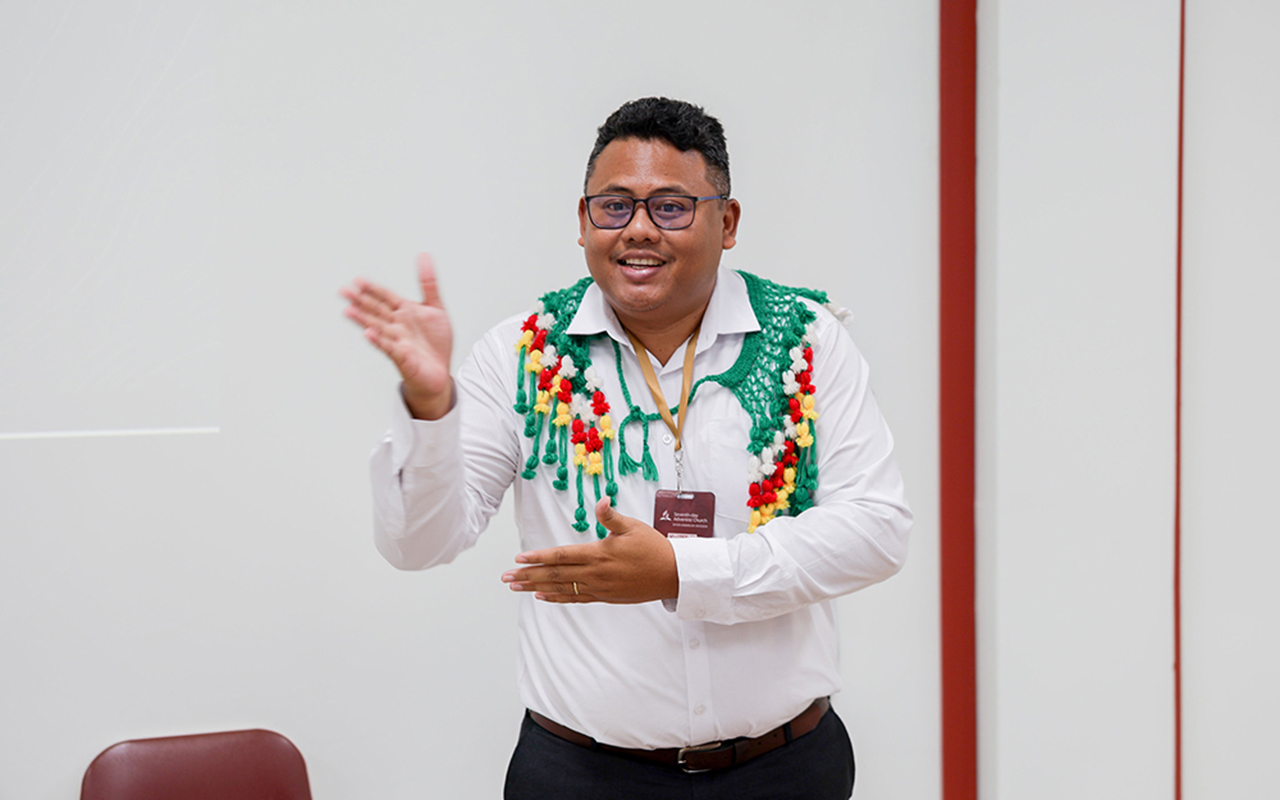
Church planters are encouraged to build trust, develop relationships, and adapt ministry approaches to local realities.
June 15, 2026 | Port of Spain, Trinidad and Tobago | Libna Stevens, Inter-American Division News
Reaching Indigenous communities begins with understanding how people see the world, not simply translating a message into another language, Seventh-day Adventist leader Steven Tulp told participants during the Intercultural Mission Church Planting Summit on May 28.
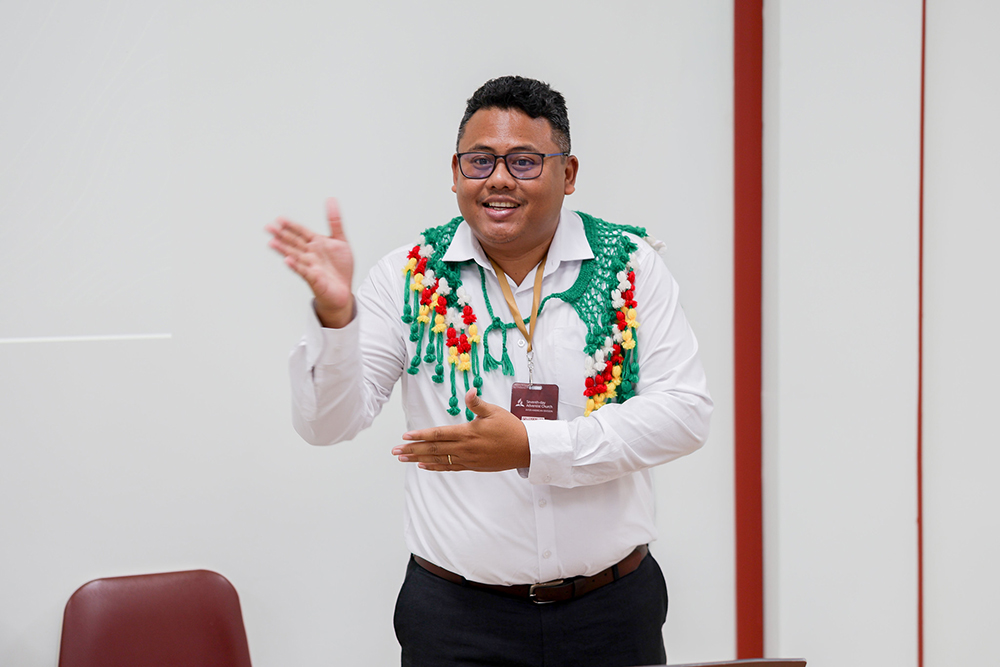
Speaking during a track on ministry among Indigenous peoples, Tulp, secretary-treasurer of the Suriname Mission overseeing Adventist Mission, said effective mission requires understanding the cultural realities, beliefs, and experiences that shape how people respond to the gospel. He argued that God’s mission has always been inclusive, extending to every nation, tribe, people, and language.
A Biblical Foundation for Reaching Every People Group
Drawing from Scripture and his experience in cross-cultural ministry, Tulp emphasized that mission originates with God and reflects His ongoing effort to restore humanity and reconcile people to Himself.
“God is the initiator of mission,” Tulp said. “It is never our initiative. God is the one who initiates the mission.”
Throughout his presentation, he traced a biblical thread from Genesis to Revelation, highlighting God’s repeated efforts to bring salvation to all peoples despite the effects of sin, division, and cultural barriers.
Tulp pointed to God’s call to Abraham, Christ’s ministry, and the outpouring of the Holy Spirit at Pentecost as examples of God’s desire to unite people from different backgrounds and languages. He said Revelation’s vision of a multitude from “every nation, tribe, people, and language” demonstrates that God’s mission encompasses every culture and ethnic group.
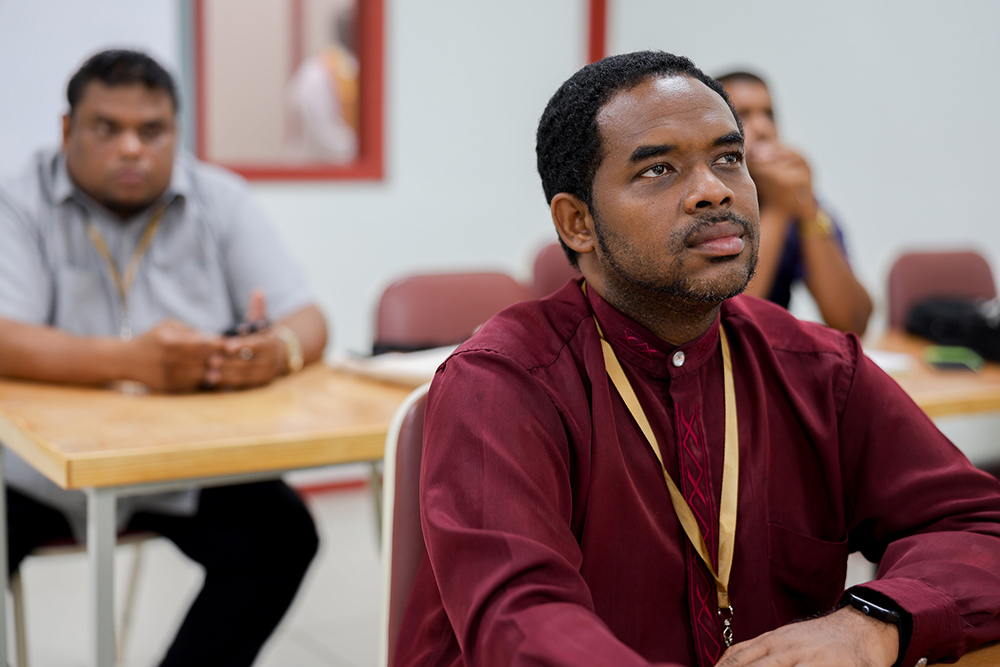
Understanding the Challenges Indigenous Communities Face
Tulp also highlighted the unique challenges many Indigenous communities face throughout the Americas, including poverty, unemployment, economic exclusion, land-rights issues, and threats to traditional ways of life.
“Many Indigenous communities experience high poverty rates and limited opportunities,” he said, noting that development activities such as mining and deforestation often place additional pressures on traditional communities.
He emphasized that effective ministry requires understanding those realities and recognizing that people often interpret spiritual concepts through different cultural lenses.
According to Tulp, some cultures tend to understand sin primarily through guilt, while others relate more strongly to concepts of honor, shame, community acceptance, fear, or spiritual protection. Understanding those perspectives can help missionaries and church members communicate biblical truths more effectively without compromising the message of the gospel.
Only after receiving encouragement from a respected community leader did she feel comfortable moving forward with baptism, he said.
“Sometimes we wonder why a person does not make a decision,” Tulp explained. “But when you understand where they come from, you understand how they make decisions.”
Ministry in Suriname’s Interior
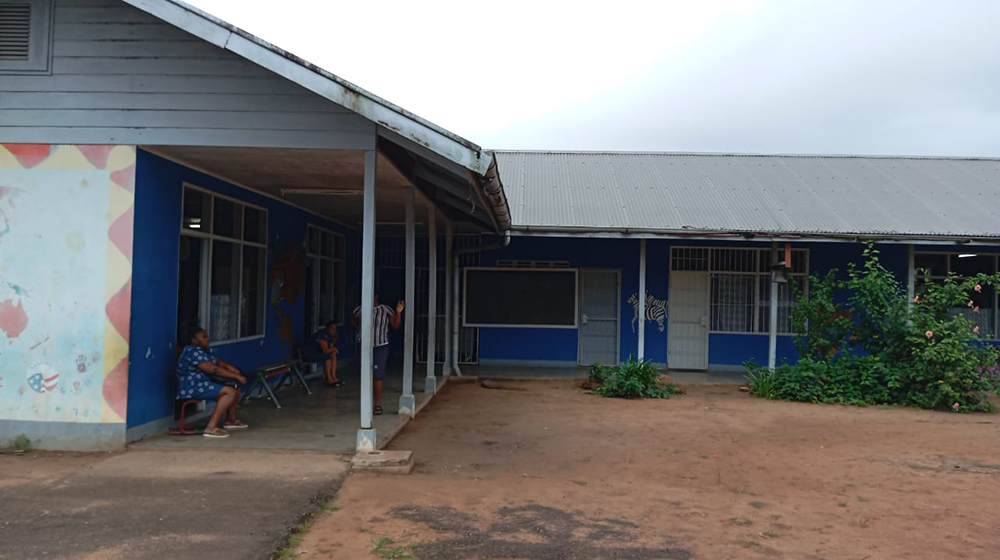
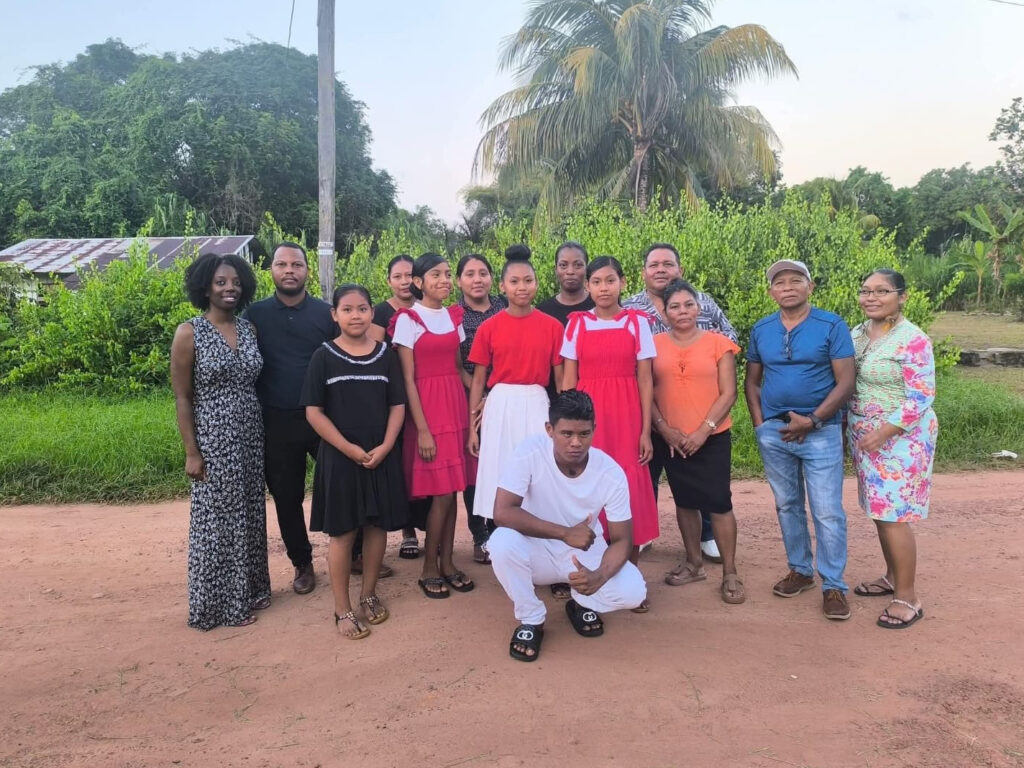
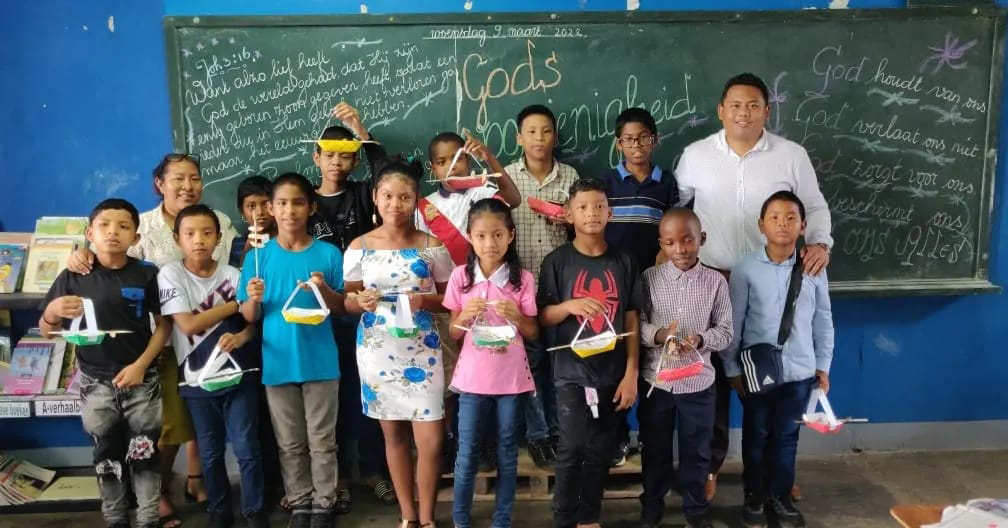
Tulp shared examples of Adventist ministry among Indigenous communities in Suriname, where schools and churches have served as important centers for outreach and community engagement.
In one Indigenous village near the border with French Guiana, the Adventist Church operates a school and congregation that have served the community for decades. The village chief is also a Seventh-day Adventist, helping foster cooperation between church initiatives and community leadership.
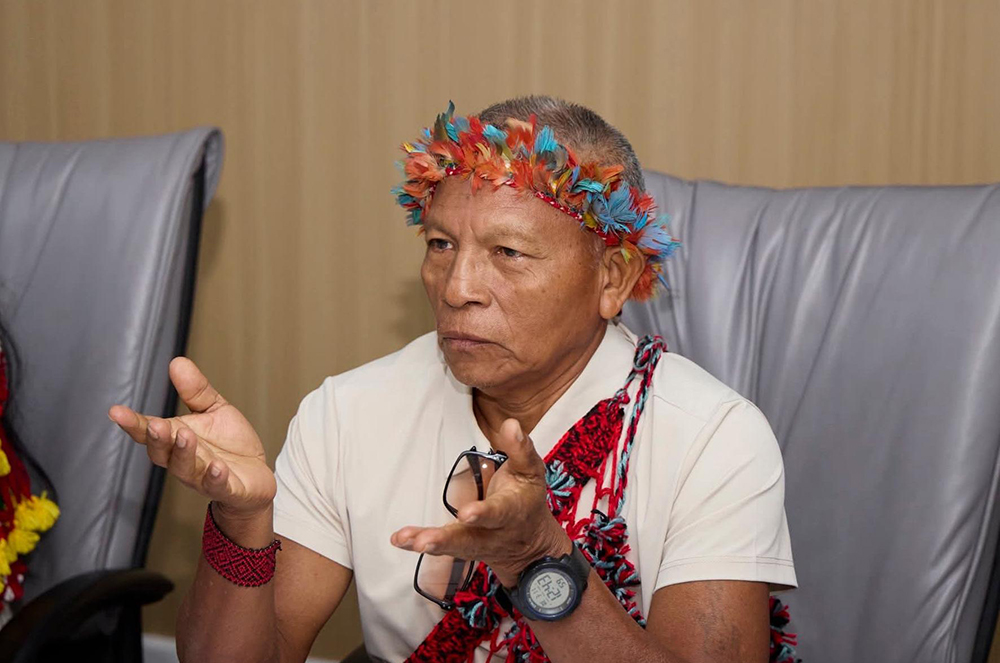
One of the most encouraging developments, Tulp said, has been the growing role of Indigenous believers in sharing their faith within their own communities. Their involvement demonstrates the importance of developing local leadership and supporting mission efforts that are culturally meaningful and sustainable.
Despite that progress, Tulp acknowledged that significant challenges remain.
Suriname has a population of approximately 600,000 people and an Adventist membership of about 2,500. In one Indigenous community highlighted during his presentation, approximately 170 church members are Indigenous believers.
Reaching many Indigenous populations remains difficult because numerous communities are located deep in Suriname’s interior and are accessible only by aircraft, boat, or long journeys through remote regions.
Reaching People in Their Own Language
He also pointed to the significant work that remains in translating Scripture into the languages of unreached communities.
According to figures he shared during the presentation, approximately 7,276 languages are spoken worldwide, but only 719 have a complete Bible translation. Thousands of other languages have access only to portions of Scripture or the New Testament, while an estimated 3,852 languages still have no biblical translation at all.
Those statistics, Tulp said, underscore the work that remains for Bible translation organizations and the church’s global mission efforts.
“We still have work to do,” he said. “People need to read the Bible in their own language because they will feel closer to the Bible.”
“That is God’s vision,” Tulp said. “God wants everyone to be saved.”
A Responsibility, Not a Privilege
Tulp reminded Adventists that the church’s identity as a remnant movement carries a responsibility to share God’s message with all people.
“Being the remnant is not a title to be flaunted, but a commandment to be obeyed,” he said. “Everything received must be actively shared with all families of the world.”
Pointing to God’s desire to save people from every nation, tribe, people, and language, Tulp challenged Adventists to view Indigenous communities not as mission projects but as valued participants in God’s kingdom. Reaching them, he said, begins with understanding their culture, speaking their language, and reflecting Christ’s love in ways that resonate with their lived experience.
Related news
 From the Headquarters
World Pathfinder Day
The following message is addressed to the Seventh-day Adventist Church in Inter-America by Abner De los Santos, president of the Inter-American Division. — IAD…
From the Headquarters
World Pathfinder Day
The following message is addressed to the Seventh-day Adventist Church in Inter-America by Abner De los Santos, president of the Inter-American Division. — IAD…
 From the Field
Adventist Students Across Inter-America Set for Bible Contest
Finalists from across Inter-America will compete online Sept. 22, testing their knowledge of Genesis and Ellen G. White’s Patriarchs and Prophets. September 16, 2026…
From the Field
Adventist Students Across Inter-America Set for Bible Contest
Finalists from across Inter-America will compete online Sept. 22, testing their knowledge of Genesis and Ellen G. White’s Patriarchs and Prophets. September 16, 2026…
 From the World Church
Hope Starts Here: Compassion in Action
September 15, 2026 | Silver Spring, Maryland, United States | By Paulo Lopes, President, ADRA International There is a word we use often in…
From the World Church
Hope Starts Here: Compassion in Action
September 15, 2026 | Silver Spring, Maryland, United States | By Paulo Lopes, President, ADRA International There is a word we use often in…