
At SeLD, Adventist Leaders Prepare to Turn Lessons Into Mission
August 5, 2026 | Panama City, Panama | Libna Stevens, Inter-American Division News
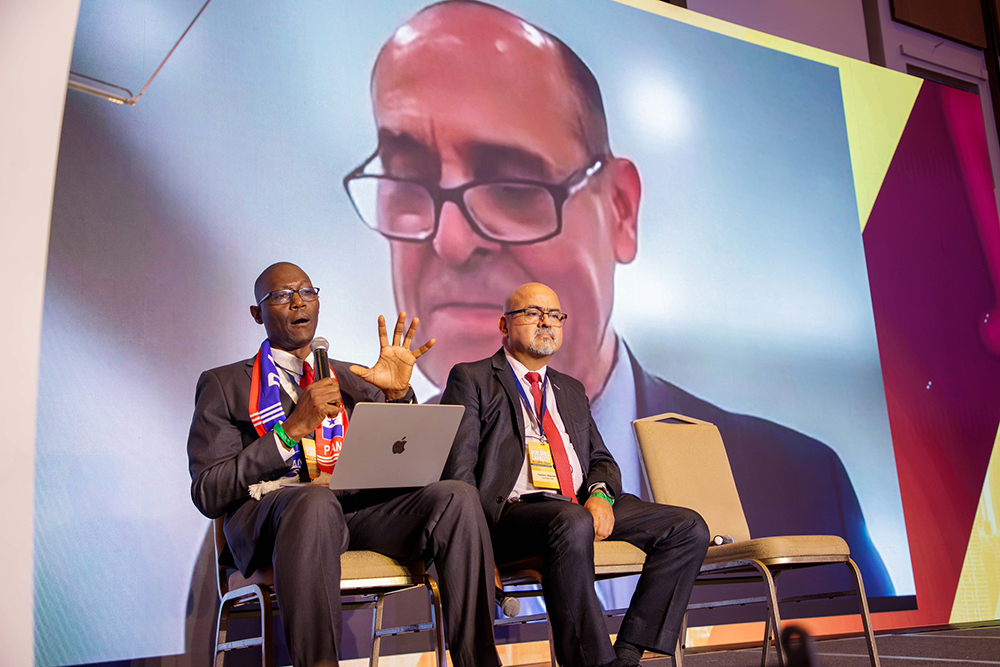
Laura Acosta will return to Colombia determined to develop every member of her communication team as a leader. In Mexico, Robert González will keep testing every institutional plan against one question: Does it advance the church’s mission? Kay White from the Caribbean Union region is preparing to help local members reconnect with people who have drifted from church life. And Rosario González de Santamaría in Panama, wants to step away from paperwork more often so she can listen more closely to teachers and students.
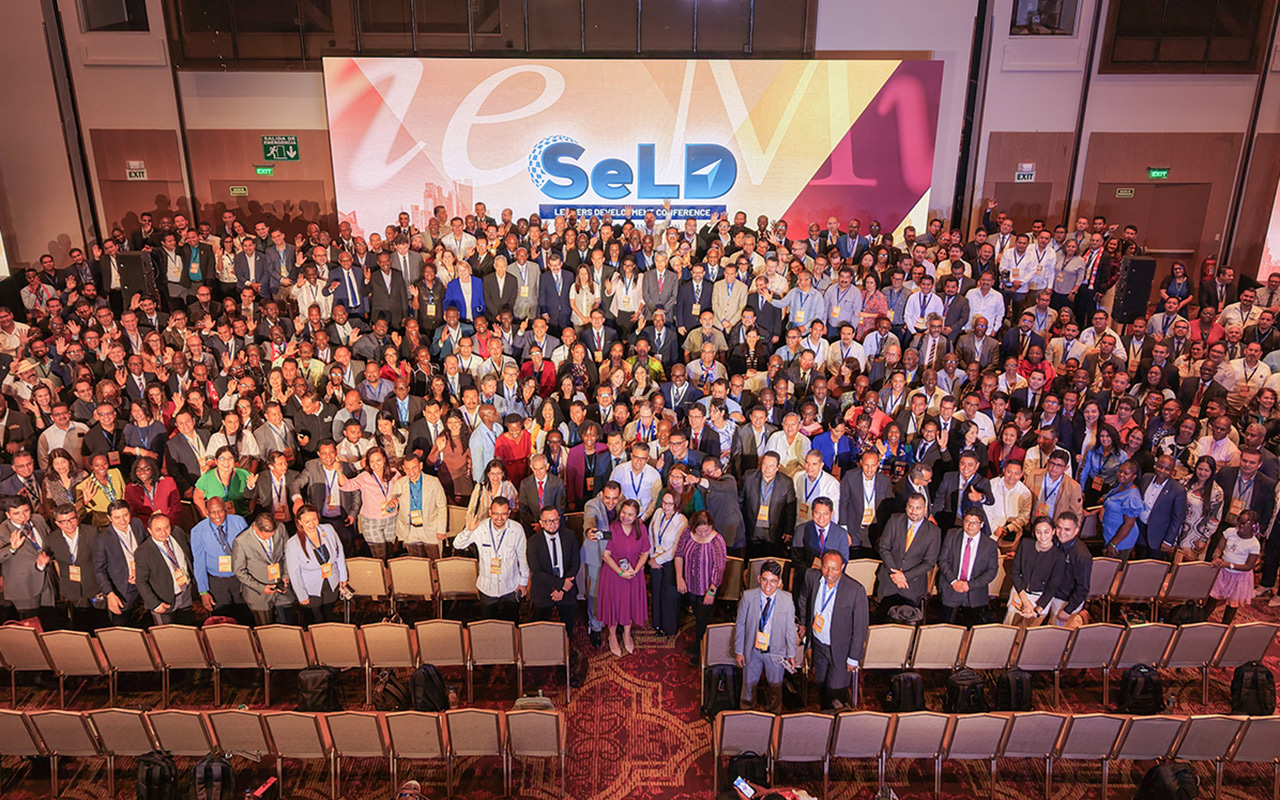
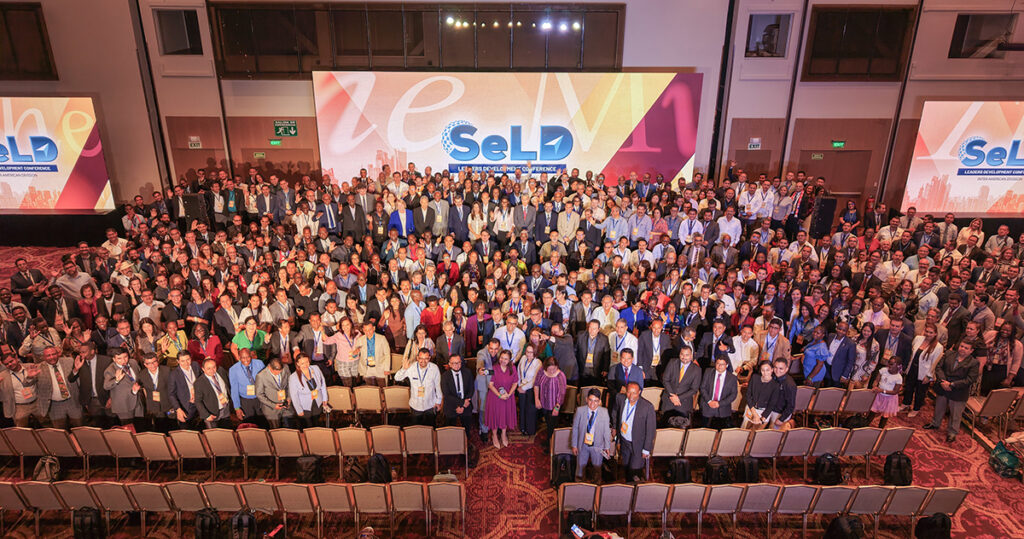
They serve in four different ministry settings, but as the 2026 Segment Leadership Development (SeLD) Conference concluded in Panama City, each described a similar shift: Christian leadership is not simply about a title or a set of responsibilities. It is about developing people, listening with humility, and keeping mission at the center of every decision.
Developing Leaders Through Communication
For Acosta, who has served in church communication since 2018 and was recently appointed associate communication director for the South Colombia Union in Bogotá, the conference reframed familiar leadership principles within a distinctly Adventist context. She has completed leadership training outside the church, she said, but SeLD’s emphasis on dependence on the Holy Spirit reshaped how she views people, projects, and strategy.
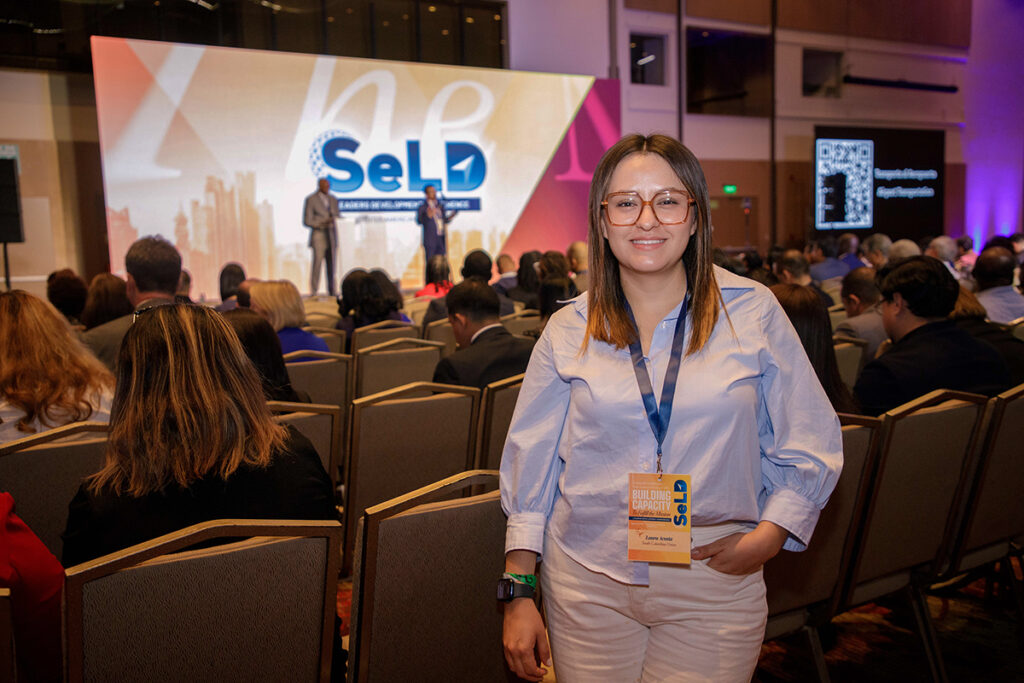
Acosta leads a seven-member communication team. Before SeLD, she said, leadership often felt centered on one person directing others. She now intends to be more intentional about developing each team member as a leader in their own area.
“They are not only doing technical work,” she said. “Through photography, video, and writing, they are also making disciples.”
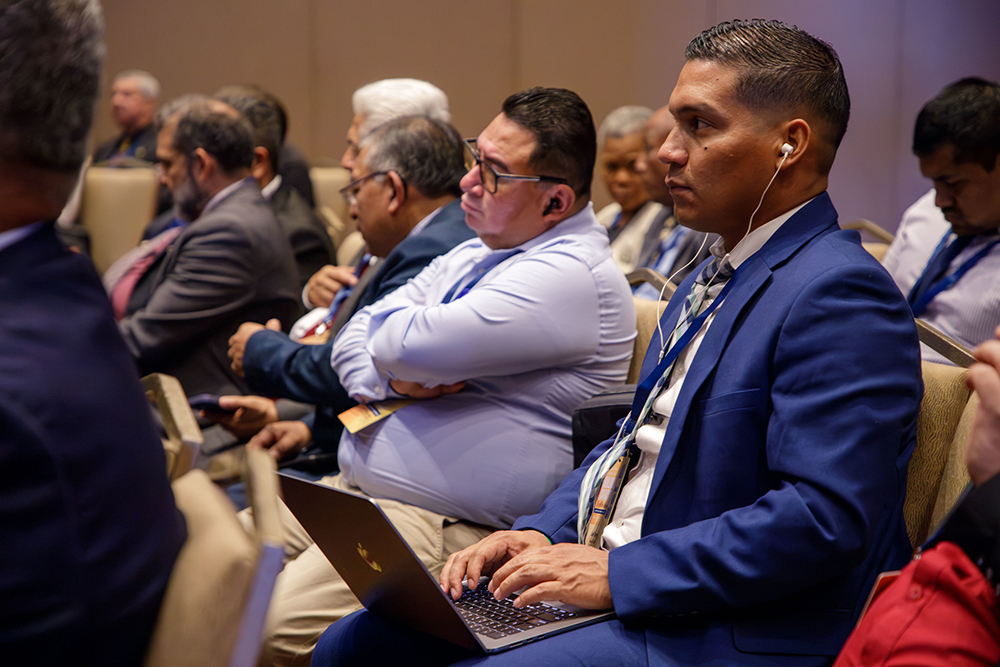
The OneVoice27 emphasis presented at SeLD gave her team a clearer framework for that follow-up, she said. It also reinforced her conviction that communication must extend beyond studios and content production. “Communication is evangelism,” Acosta said. “It is a ministry.”
Keeping Institutions Centered on Mission
González, general director of the Vida Sana Center (Health and Lifestyle Center) in Chiapas, Mexico, left SeLD with a renewed conviction that institutional growth must never become disconnected from the church’s purpose.
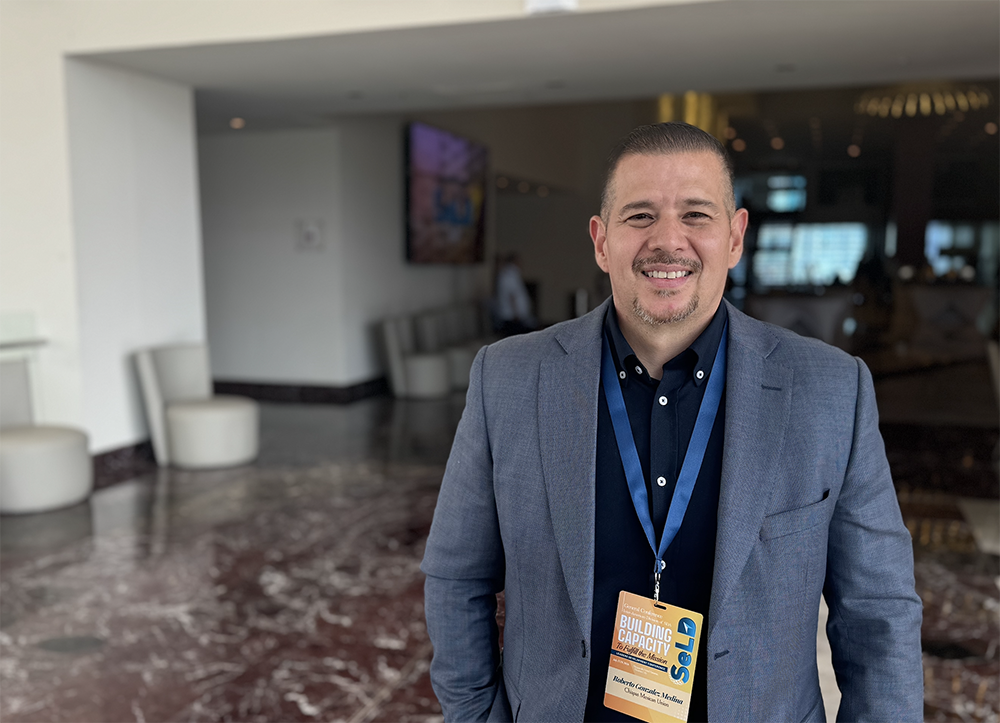
The health center has expanded its staff and patient care in recent years and is planning a clinic dedicated to diabetes treatment and prevention. For González, that growth makes careful strategic planning increasingly important while reinforcing the need to define success in spiritual as well as operational terms.
He described patients who arrive in severe pain, unable to sleep or eat, and later leave with renewed strength and hope. Every therapy, treatment, and interaction should point patients toward God while helping them adopt a healthier way of life, he said.
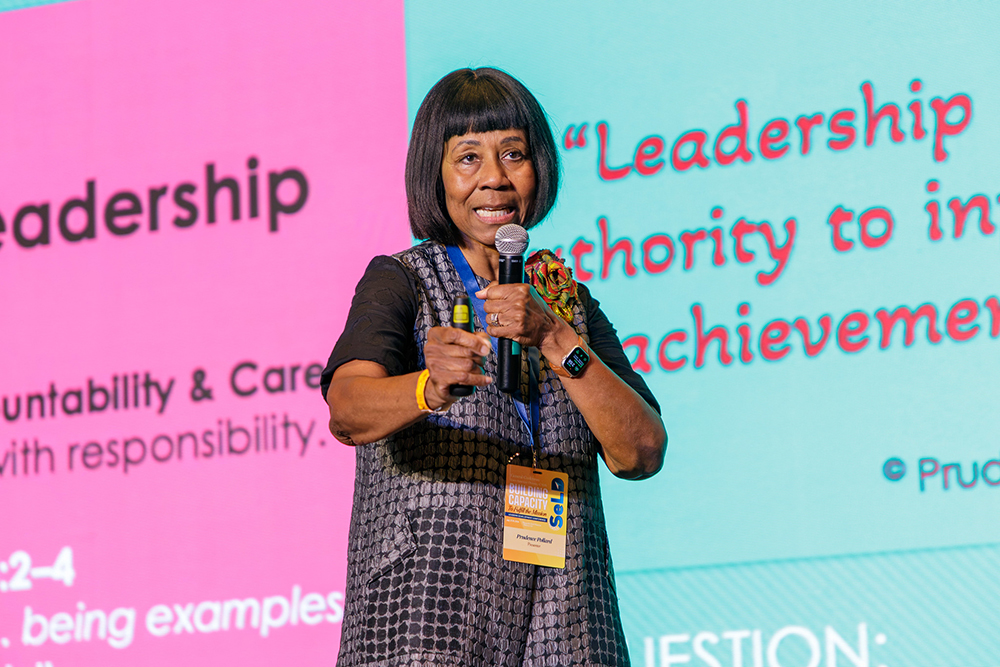
The institutional leadership track also gave him opportunities to exchange ideas with administrators from other unions, conferences, and organizations. That networking, he said, helped participants compare challenges and learn from approaches already working elsewhere in the territory.
Seeing Leadership as a Season of Service
For White, who is transitioning from local conference administration to lead personal ministries Sabbath school, and community services for the Caribbean Union, SeLD helped reframe leadership transitions as seasons of ministry rather than measures of personal advancement.
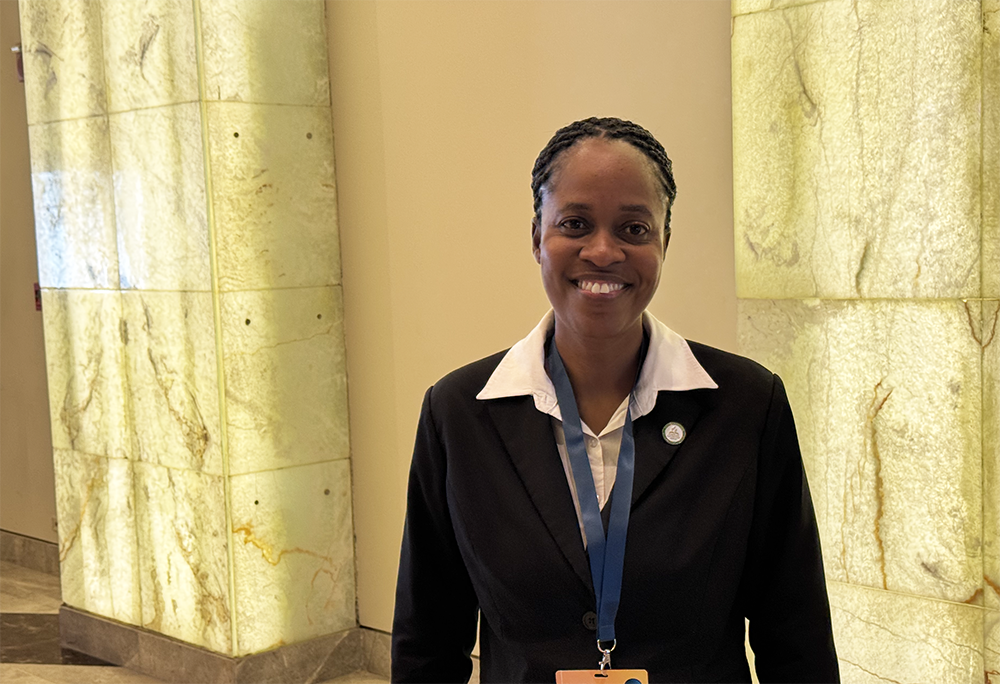
Sessions on secretariat and evangelism also helped White see a stronger connection between accurate membership information and mission. A membership audit in her local field showed that many people listed as members were not regularly attending worship services. That reality led to a 60-day prayer initiative in which members were encouraged to pray for, call, and visit people who had become disconnected.
The challenge now, she said, is to help every member recognize evangelism as a personal spiritual responsibility. “Programs and resources developed at division and union levels must reach the member in the pew and become practical tools for ministry in the local church,” she said.
Making time to listen
González de Santamaría also attended SeLD for the first time. An information technology teacher and academic coordinator for secondary education at Adventist Metropolitan School in Panama, she serves a school community of approximately 550 students from kindergarten through twelfth grade.
She said the conference reinforced three needs: accepting change, leading with humility, and developing the interpersonal skills necessary to listen well. Academic qualifications can build professional knowledge, she said, but patience, empathy, and openness must be practiced in daily relationships.
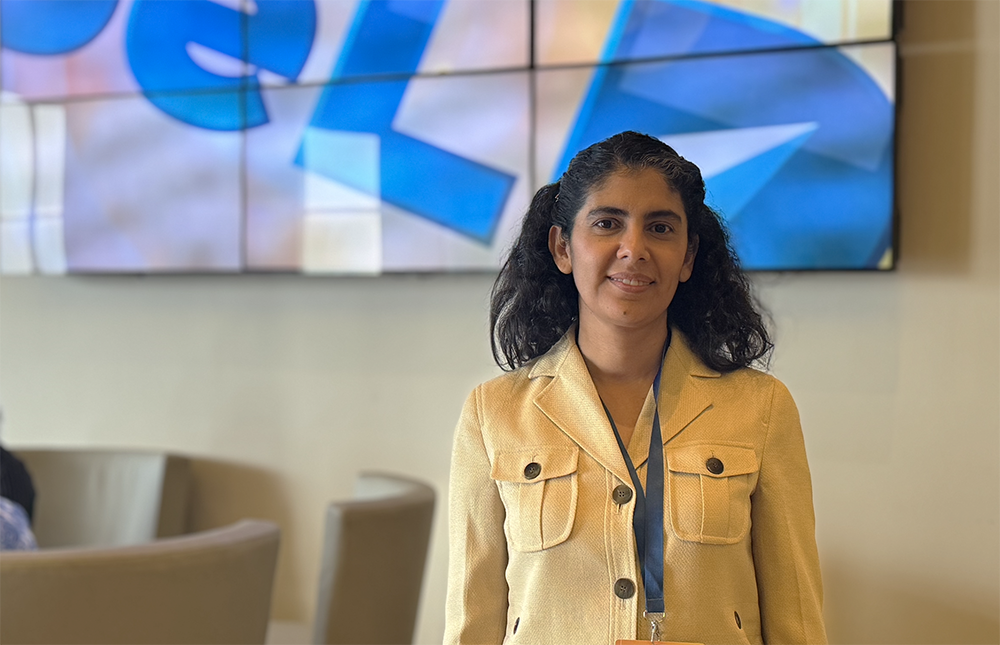
That is especially important when working with young people whose experiences and ways of communicating differ from those of previous generations. “Listening does not mean that every idea will be adopted,” she said, “but it allows leaders to understand, build trust, and recognize contributions they might otherwise miss.”
Educators also encounter burdens that extend beyond the classroom, she added. Some students come from homes marked by conflict or absent parents, while teachers and staff members carry responsibilities and struggles of their own. “Sometimes the leader is also the teacher, the counselor, the parent—the person who listens and gives a hug,” she said.
From Training to Transformation
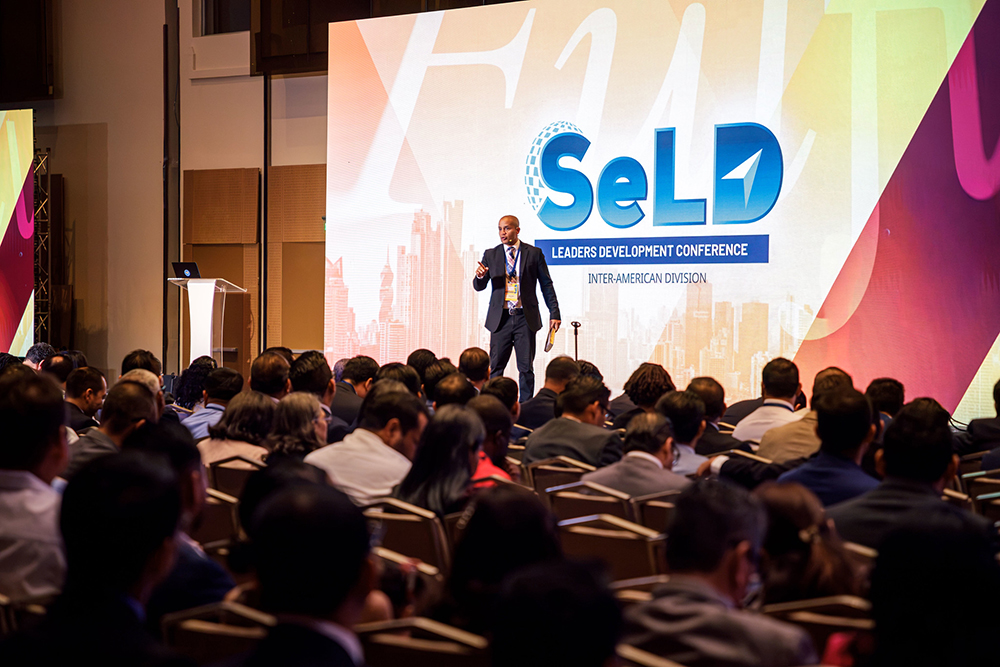
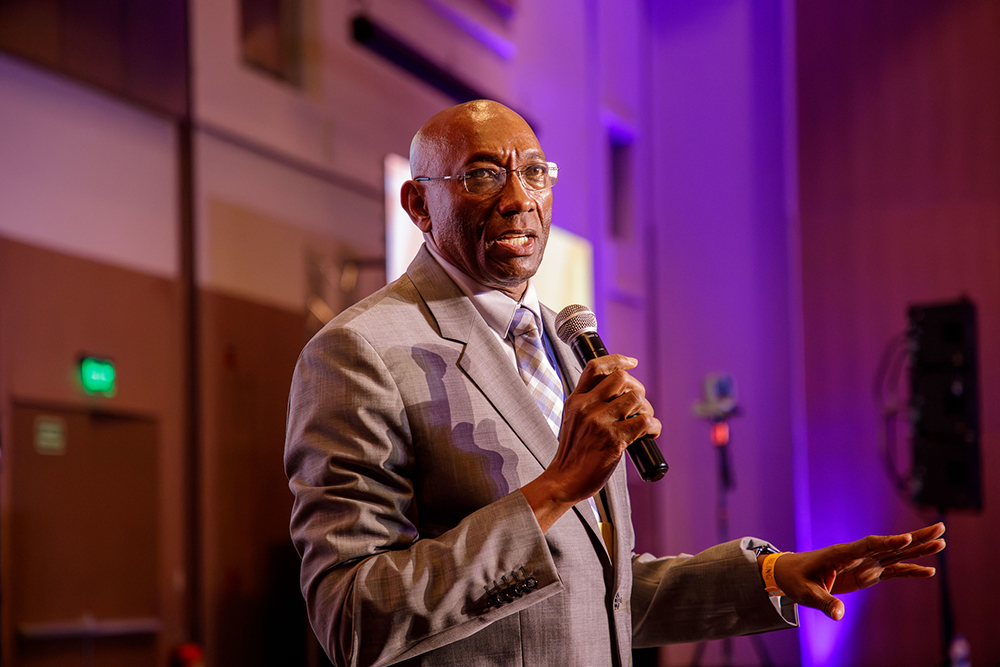
Pastor Balvin Braham, IAD vice president and SeLD coordinator for the past decade, said participants’ response confirmed that leadership development remains essential. Many leaders assume new responsibilities with limited experience, he said, making SeLD’s mentors, practical models, and tested leadership principles especially valuable.
“Leadership development is not something we can consider optional,” Braham said. “New leaders need orientation, mentoring, coaching, counsel, and examples that work.”
The next conference, scheduled for July 19–22, 2027, is expected to include leaders and presenters from world divisions representing a wider range of cultures and regions.
In his closing message, De los Santos reminded participants that leadership depends on Christ and means advancing God’s mission “with humility, wisdom, compassion, and courage.”
After thanking the presenters, facilitators, volunteers, and participants, De los Santos challenged delegates to see the conclusion as a new beginning. “Let us not think of this as the end of SeLD, but as the beginning of a renewed season of faithful leadership,” he said. “May we remain grounded in God’s Word and keep living the mission wherever He sends us.”
To view photos of this year’s SeLD Conference, click HERE
To learn more about Inter-American Division’s SeLD, visit seldconference.com
Related news
 From the Headquarters
World Pathfinder Day
The following message is addressed to the Seventh-day Adventist Church in Inter-America by Abner De los Santos, president of the Inter-American Division. — IAD…
From the Headquarters
World Pathfinder Day
The following message is addressed to the Seventh-day Adventist Church in Inter-America by Abner De los Santos, president of the Inter-American Division. — IAD…
 From the Field
Adventist Students Across Inter-America Set for Bible Contest
Finalists from across Inter-America will compete online Sept. 22, testing their knowledge of Genesis and Ellen G. White’s Patriarchs and Prophets. September 16, 2026…
From the Field
Adventist Students Across Inter-America Set for Bible Contest
Finalists from across Inter-America will compete online Sept. 22, testing their knowledge of Genesis and Ellen G. White’s Patriarchs and Prophets. September 16, 2026…
 From the World Church
Hope Starts Here: Compassion in Action
September 15, 2026 | Silver Spring, Maryland, United States | By Paulo Lopes, President, ADRA International There is a word we use often in…
From the World Church
Hope Starts Here: Compassion in Action
September 15, 2026 | Silver Spring, Maryland, United States | By Paulo Lopes, President, ADRA International There is a word we use often in…