
Education Leaders Address Declining Enrollment, Discuss Ways to Strengthen Adventist Schools and Universities
Board members review accreditation, teacher certification and academic programs while calling for greater access to Adventist higher education.
October 31, 2026 | Bogotá, Colombia | Libna Stevens, Inter-American Division News
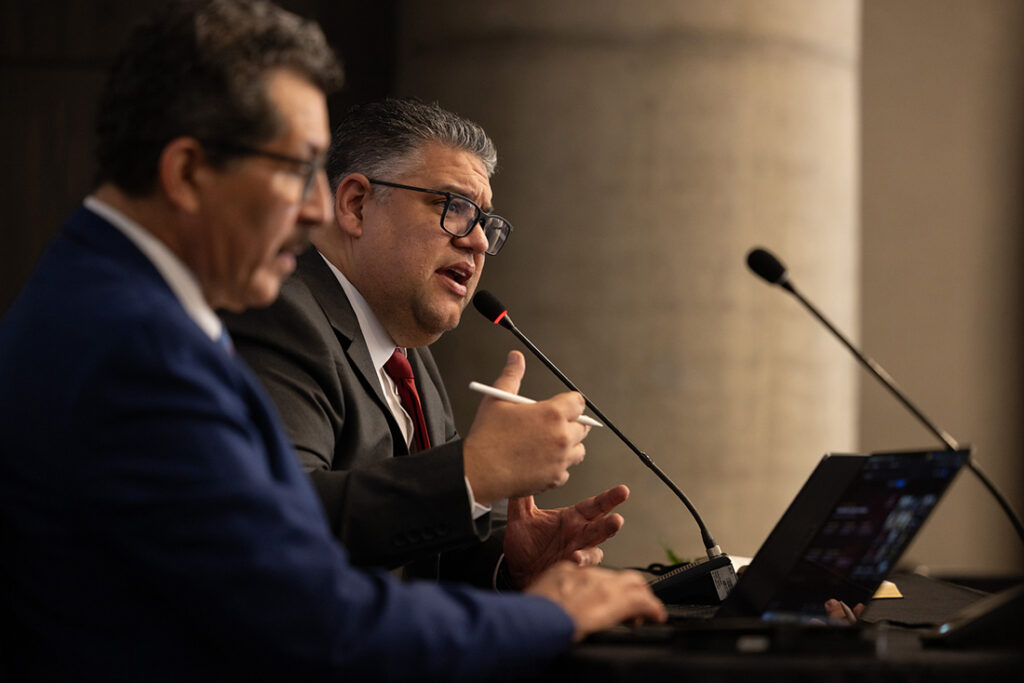
Seventh-day Adventist education leaders across the Inter-American Division (IAD) approved new measures to strengthen schools, improve accreditation and support teachers during a series of education board meetings held in Bogotá, Colombia, on October 30. The discussions also exposed growing concerns over declining enrollment at Adventist universities and the need for stronger collaboration across the territory.
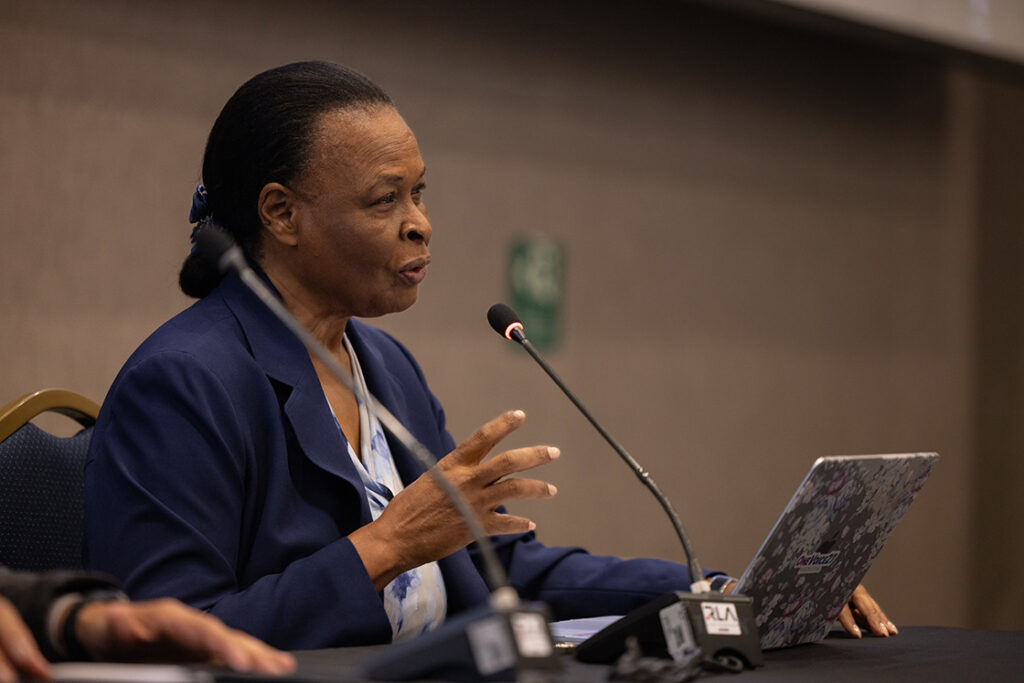
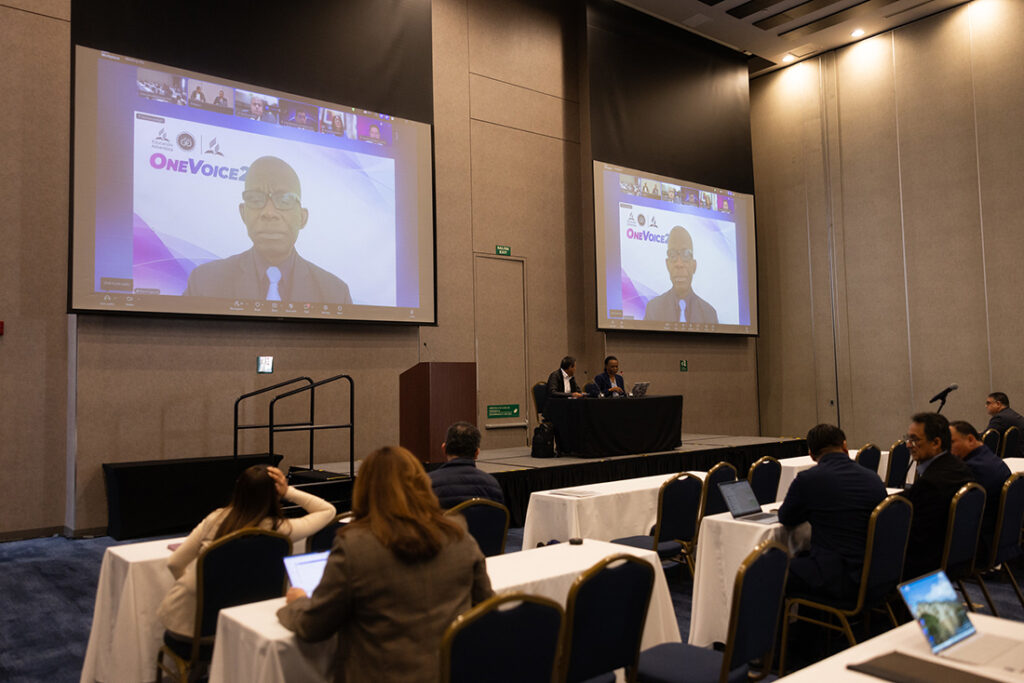
Chaired by IAD Executive Secretary Pierre Caporal via zoom, the meetings addressed K–12 education, accreditation, higher education and theological training, with IAD Education Director Faye Patterson presenting reports and proposals.
Opening the meetings, Patterson urged church administrators to give education greater priority in their planning, budgets and institutional decisions.
“Education and redemption are one,” she emphasized, drawing on the writings of Ellen G. White and reminding leaders that Adventist schools must develop students academically, spiritually and morally.
Patterson challenged administrators to invest in teachers, support accreditation and protect Adventist identity in classrooms.
She also reported that since May, Adventist schools had recorded more than 780 student baptisms and approximately 270 baptisms among teachers and parents.
The K–12 board approved an updated school board manual, revised guidelines addressing bullying and sexual harassment, and denominational certification requirements for educational personnel.
“This is a mandate to protect children and also protect institutions,” he said.
Board members also approved professional development webinars focused on supporting students with diverse learning needs, particularly for English-speaking educators, and a creation science congress scheduled for May 15–18, 2027, in Costa Rica.
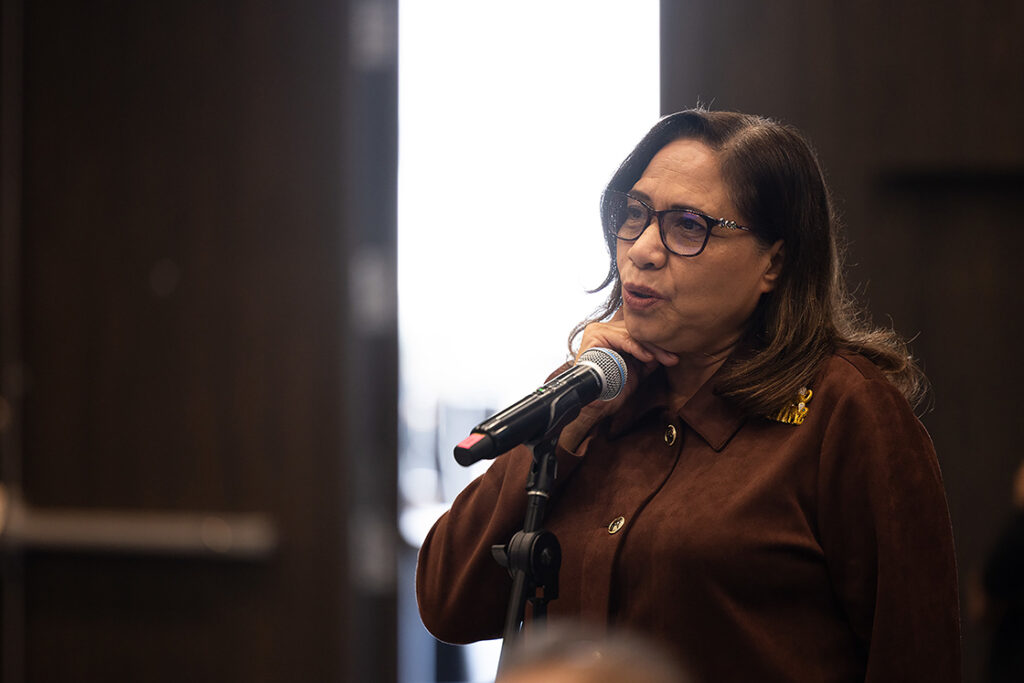
During discussion of teacher certification, Guillermina Cuevas of the Central Mexican Union asked whether the requirements applied only to Bible teachers or to educators in other subjects.
Patterson clarified that teachers who graduated from non-Adventist institutions must complete denominational certification through an accredited Adventist university, regardless of the subjects they teach.
Patterson reported that 43 primary and secondary institutions across 12 unions had been evaluated between May and October 2026.
She welcomed the progress but expressed concern that many schools were receiving shorter accreditation terms than previously achieved.
Accreditation, she explained, is essential not only for educational quality and institutional credibility but also for maintaining the right to use the Adventist name.
Caporal reinforced the need for continuous evaluation, urging leaders to support institutions still awaiting accreditation.
The board approved the accreditation terms presented for evaluated schools and endorsed the schedule of institutional evaluations planned for 2027.
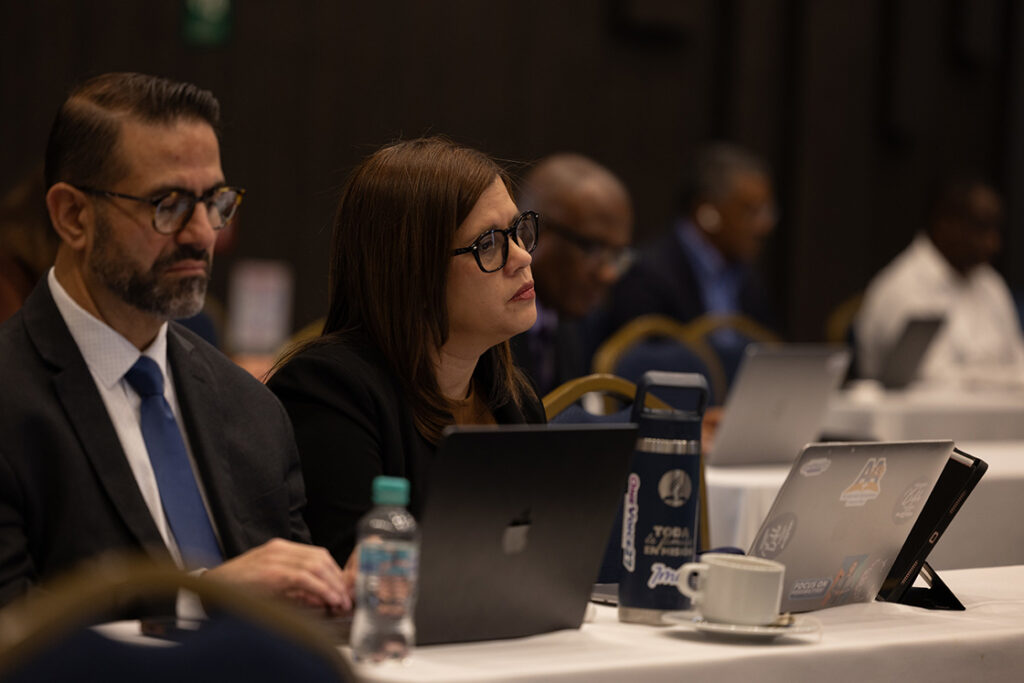
The most pointed discussion emerged when Patterson presented enrollment figures showing a decline across the division’s Adventist higher education institutions.
She reported that enrollment had fallen from approximately 16,019 students in 2025 to 15,473 in 2026.
“For me, it is alarming,” Patterson said, describing institutions that had lost substantial numbers of students.
Rather than assigning blame, she called for an examination of affordability, academic offerings and the reasons young Adventists increasingly choose other universities.
Caporal described the situation as deeply concerning and called for research, mentoring and coordinated solutions.
“We now have to sit down and look for solutions,” he said.
Luis Rivera, president of the Puerto Rican Union, observed that the challenge extended beyond individual institutions and called for greater efforts to communicate the value of Adventist education.
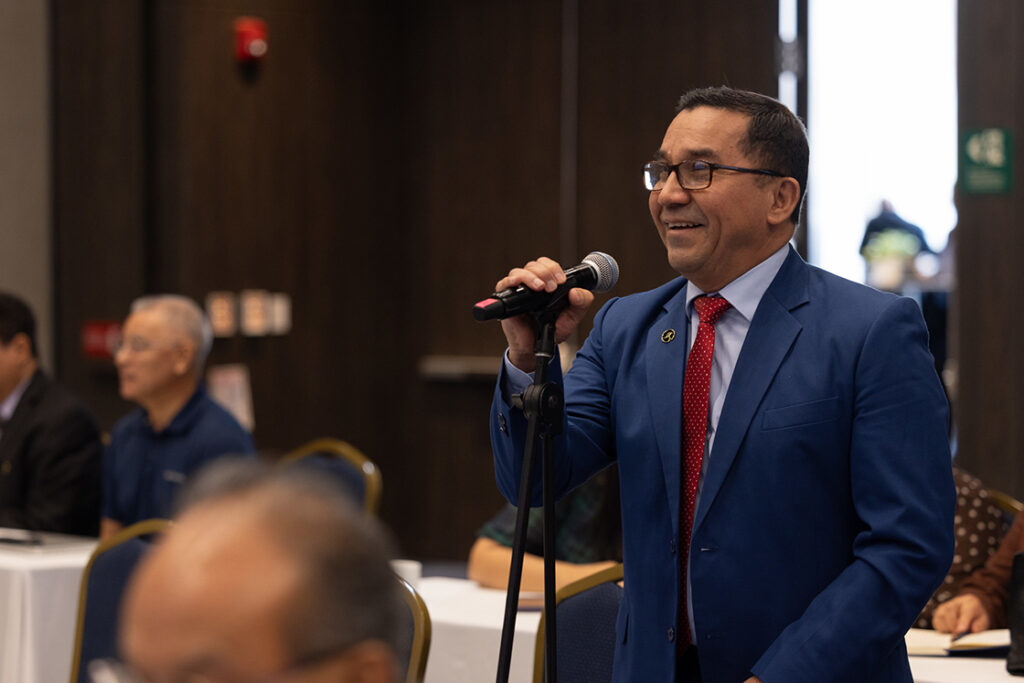
“We are losing our young people,” Pacheco warned, urging universities to explore more affordable options and bring educational opportunities closer to students.
Patterson advocated greater cooperation among institutions, including shared faculty, academic programs and resources. She reported that discussions were underway on a pilot collaboration involving three universities in Mexico.
Advancing Higher Education
The Higher Education Board approved proposals to advance new academic programs through the church’s required review processes, along with professional certification in institutional quality management and updated guidelines for appointing university presidents and vice presidents.
Members also endorsed a proposal to bring three higher education sites in Haiti under unified university governance, subject to further denominational review and approval.
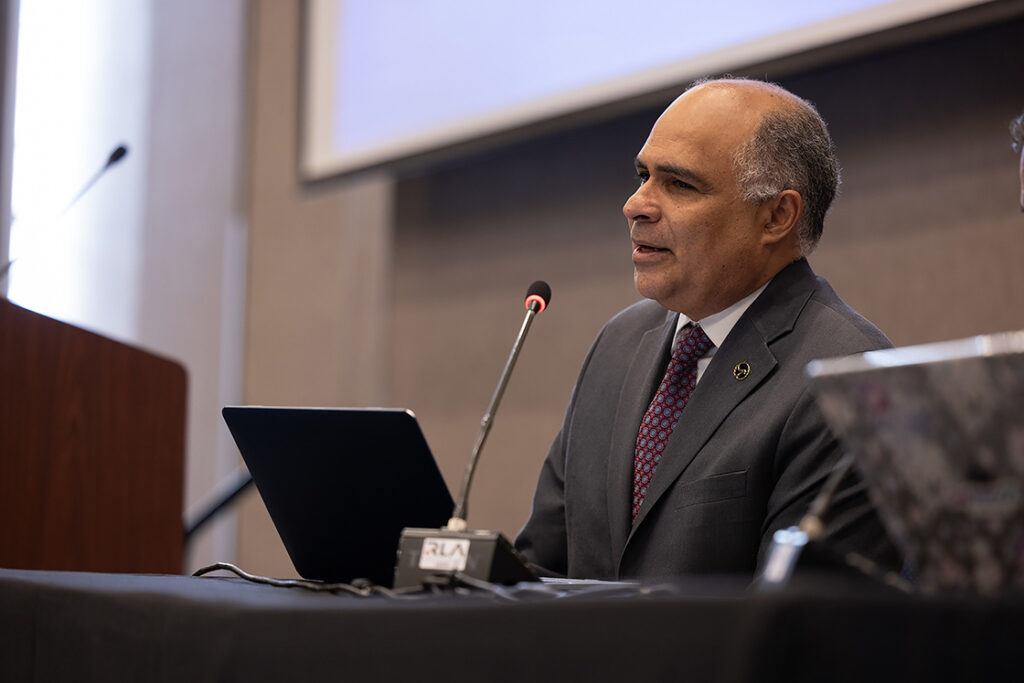
A question from Rivera prompted clarification that theology programs must comply with church requirements governing in-person instruction and denominational approval.
Closing the discussions, Caporal thanked participants for their contributions and emphasized the responsibility of educational leaders to translate the boards’ decisions into action. He also stressed the importance of preserving Adventist educational identity while strengthening schools and universities, expanding access to education, and better equipping institutions to serve future generations.
Related news
 From the Headquarters
Hope Channel Inter-America Administrative Board Approves Media Expansion, Sharpens Evangelistic Focus
Leaders adopt a global licensing model, welcome a new media network and outline strategies to connect more viewers with Bible study and local churches.
 From the Headquarters
IAD Boards Approve 2027 Plans, Strengthen Mission Across Inter-America
Leaders of theological, health food and healthcare service institutions chart priorities for growth, sustainability and stronger mission impact. October 30, 2026 | Bogotá, Colombia…
 From the Headquarters
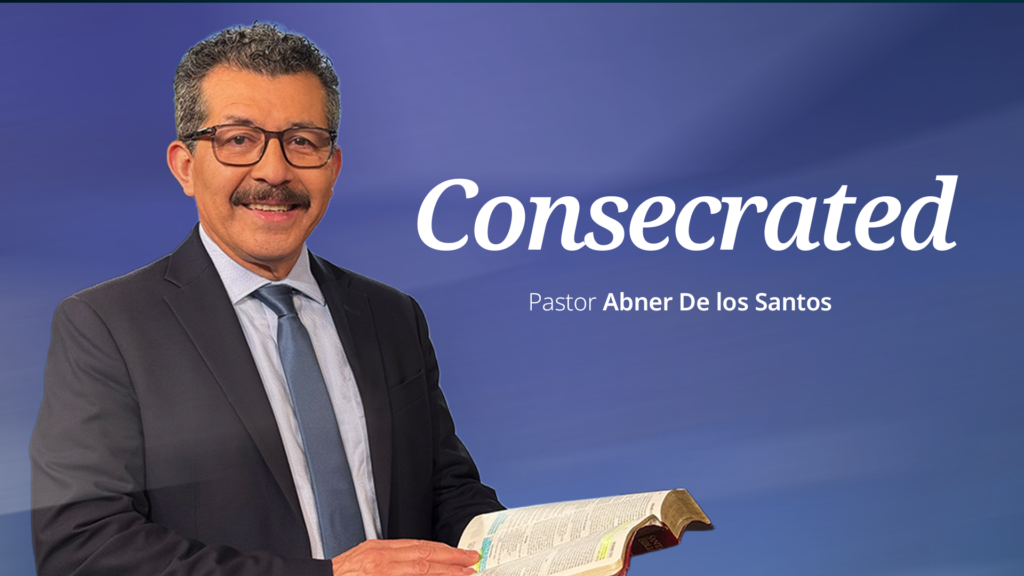
Consecrated
The following message is addressed to the Seventh-day Adventist Church in Inter-America by Abner De los Santos, president of the Inter-American Division. — IAD…