
Hope Channel Inter-America Administrative Board Approves Media Expansion, Sharpens Evangelistic Focus
Leaders adopt a global licensing model, welcome a new media network and outline strategies to connect more viewers with Bible study and local churches.
November 1, 2026 | Bogotá, Colombia | Libna Stevens, Inter-American Division News
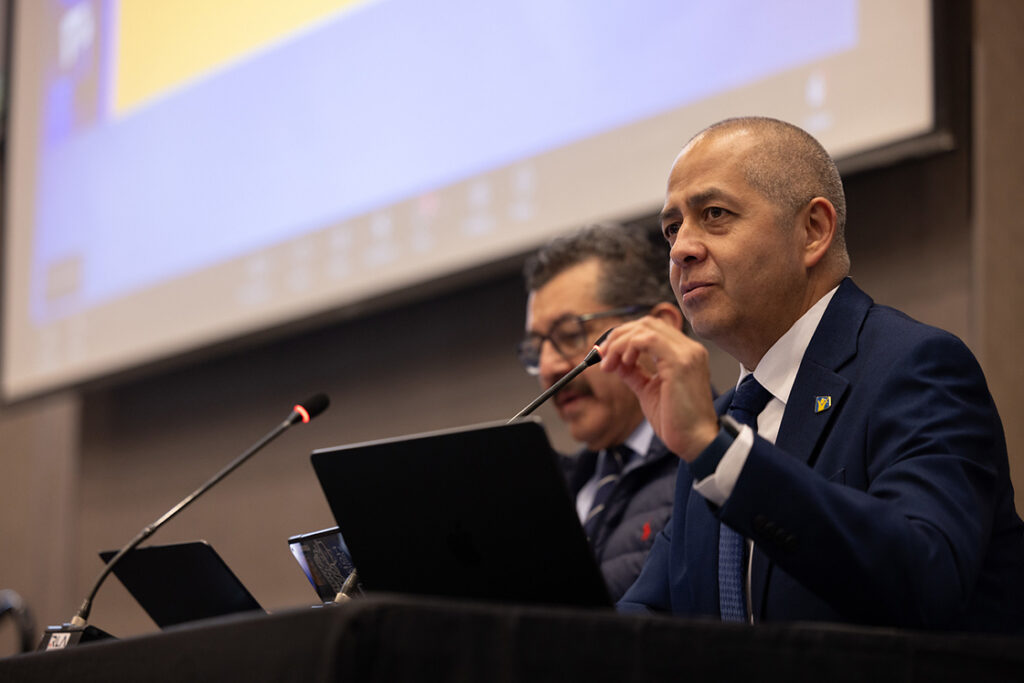
Seventh-day Adventist leaders across the Inter-American Division (IAD) approved plans to expand the church’s media outreach during the Hope Channel Inter-America (HCIA) Network Administrative Board meeting in Bogotá, Colombia, on October 30.
The board adopted a global licensing model for local media networks, approved a new media system in Costa Rica and recommended expanding its membership to include presidents of IAD institutions. Leaders also reviewed programming growth and strategies to connect television, radio and digital audiences with Bible study and local churches.
Sam Neves, vice president of Hope Channel International, commended Inter-America’s media development and emphasized the network’s evangelistic purpose.
“The Hope Channel Network has 90 Hope Channels around the world. Hope Channel Inter-America is one of them,” Neves said.
“We send media, videos, we send posts online, we send images, we send media as missionaries,” he added. “They work as missionaries to reach people for Jesus.”
Neves compared modern media ministry to the apostle Paul’s letters, which continue sharing the gospel centuries after they were written. He also recognized IAD President Abner De los Santos and HCIA Executive Director Abel Márquez for their leadership and support.
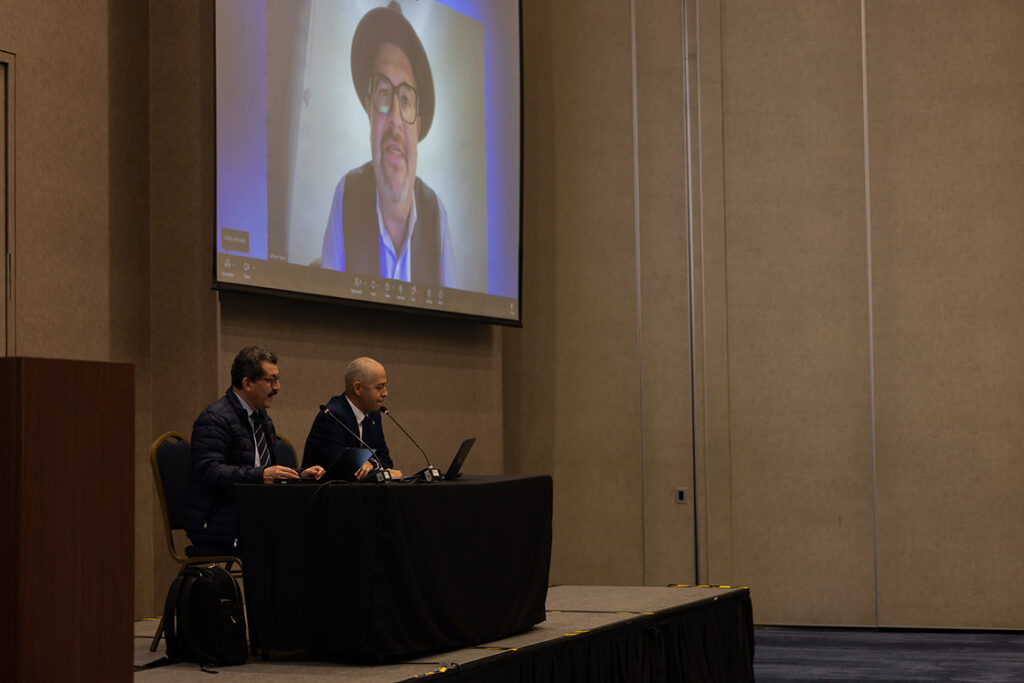
Márquez outlined HCIA’s evolution from a television channel supported by union production centers into an interconnected network of television, radio and digital ministries.
He explained that the structure established in 2025 allows unions to develop their own Hope Media systems and seek formal recognition within the worldwide Hope Channel network.
The approach, he said, will support the church’s OneVoice2027 evangelistic initiative and its public outreach message, All Things New.
Ramiro Quero, director of Network Strategy, Development, and Training at Hope Channel International, outlined the organization’s licensing efforts and presented a three-phase process for recognizing local media networks. The process includes defining each network’s purpose, establishing governance and financial structures, and developing a strategic plan for content production, distribution, and audience engagement.
During the discussion, Luis Rivera, president of the Puerto Rican Union, requested an implementation timetable to guide unions through the licensing process. Márquez said a strategic roadmap was being developed.
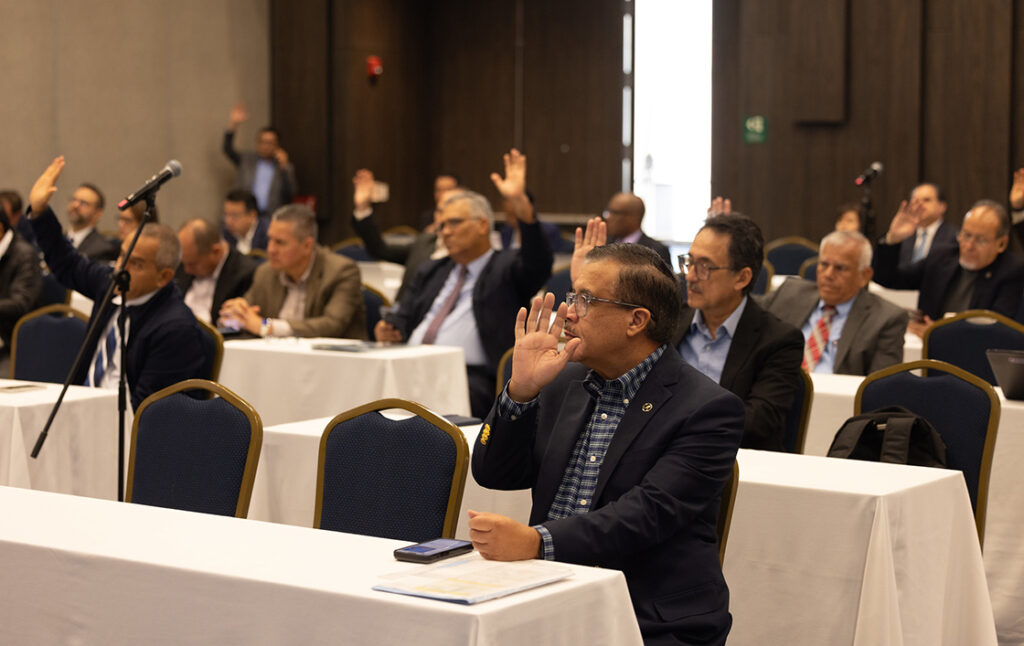
The board voted to adopt the international licensing model for Hope Media networks across Inter-America.
Shared Tools, Growing Reach
Keila Trejo of the HCIA team introduced Hope Cloud, a platform connecting media ministries worldwide through shared content, production resources, broadcasting tools, analytics and online Bible study materials.
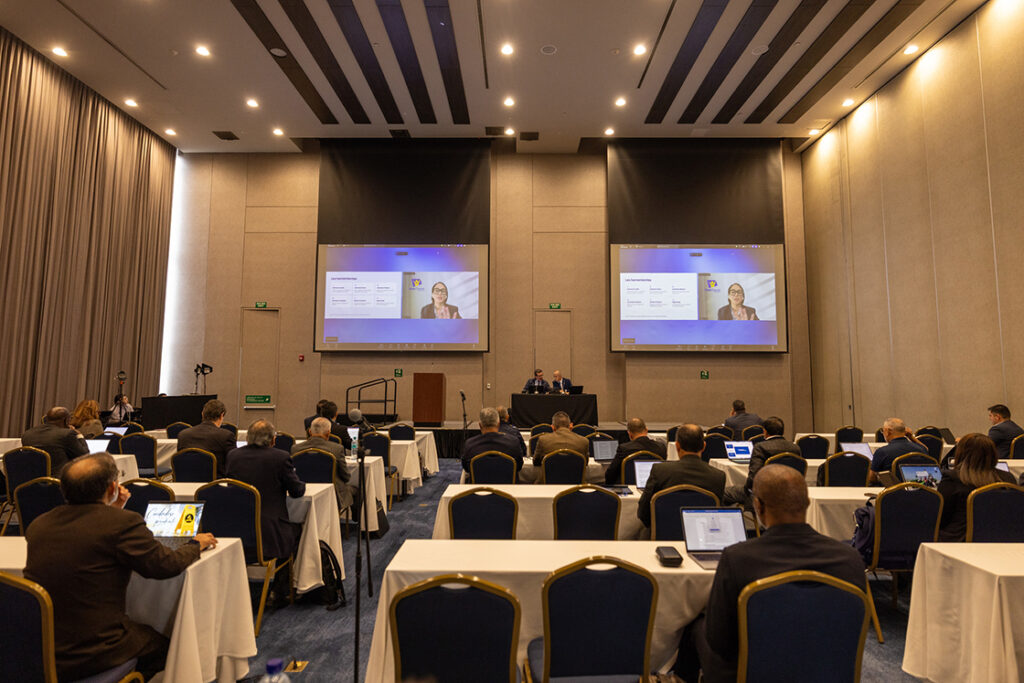
During the operations report, Lizbeth Elejalde, HCIA’s programming director, reported 17 new Spanish-language programs during the year, totaling more than 2,562 minutes of content.
The productions included documentaries, music, Bible studies, testimonies and dramatic programming developed with union media teams. Among the releases was Milagros, a cinematic production that premiered in Monterrey, Mexico.
Márquez also highlighted collaboration supporting French-language programming and ongoing efforts to strengthen English-language production.
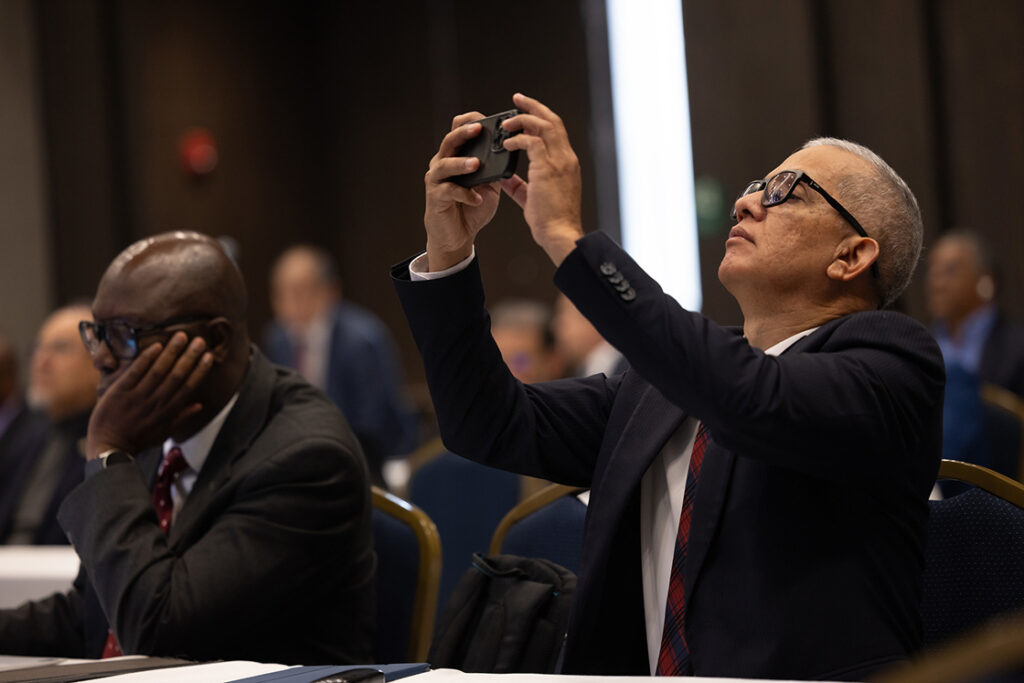
Miqueas Fortunato, responsible for audience engagement and radio coordination, emphasized that media outreach must lead beyond viewership to personal spiritual decisions.
“Our goal is for every minute of our content to translate into Bible studies and transformed lives,” he said.
Fortunato reported that 27 additional cable operators in northern Colombia had begun carrying the Hope Channel signal, expanding its potential audience.
He also highlighted 15 baptisms in Panama resulting from Bible school outreach, illustrating how media contacts can lead to Bible study and connections with local churches.
The goal, he explained, is to establish similar audience engagement and Bible school systems throughout the territory.
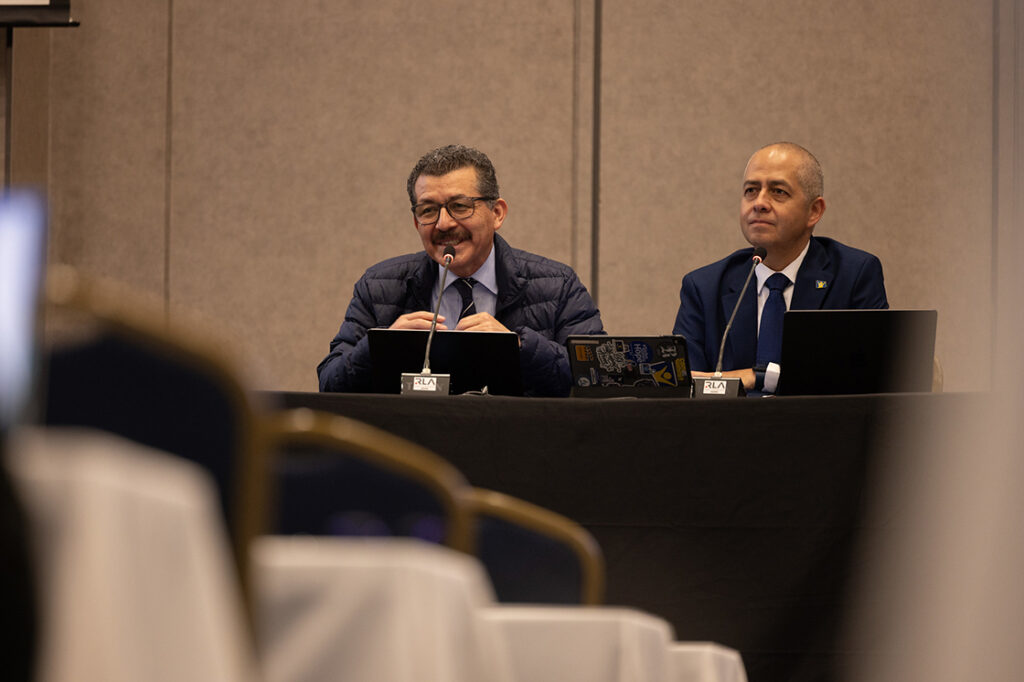
The board voted to accept the network’s operations report.
Stronger Institutional Collaboration
Márquez presented Hope Channel International’s emerging strategic framework, centered on missional reach, network unity, innovation and shared resources. HCIA is developing a corresponding regional plan titled Building Our Missional Future.
Board members also voted to recommend that the IAD Executive Committee include presidents of IAD institutions on the HCIA administrative board.
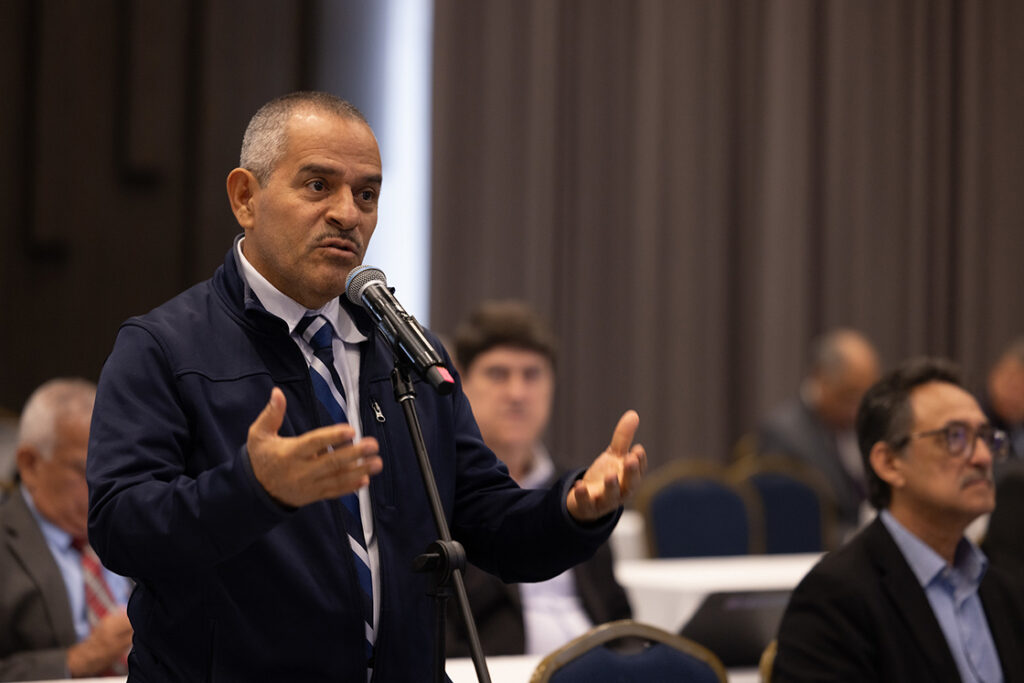
The board also approved Esperanza Costa Rica as a new media system within the HCIA network.
Ricardo Marín, president of the Costa Rican Union, described the integration of radio and television operations as a significant step requiring investment in equipment, facilities, and personnel, as well as support from volunteers.
Opening the meeting with a devotional based on Psalm 84, De los Santos reminded leaders that their primary calling is to walk with God and reflect His character.
Throughout the discussions, he emphasized that media ministry must do more than distribute content, it must help people develop a relationship with Christ and become active disciples.
Related news
 From the Headquarters
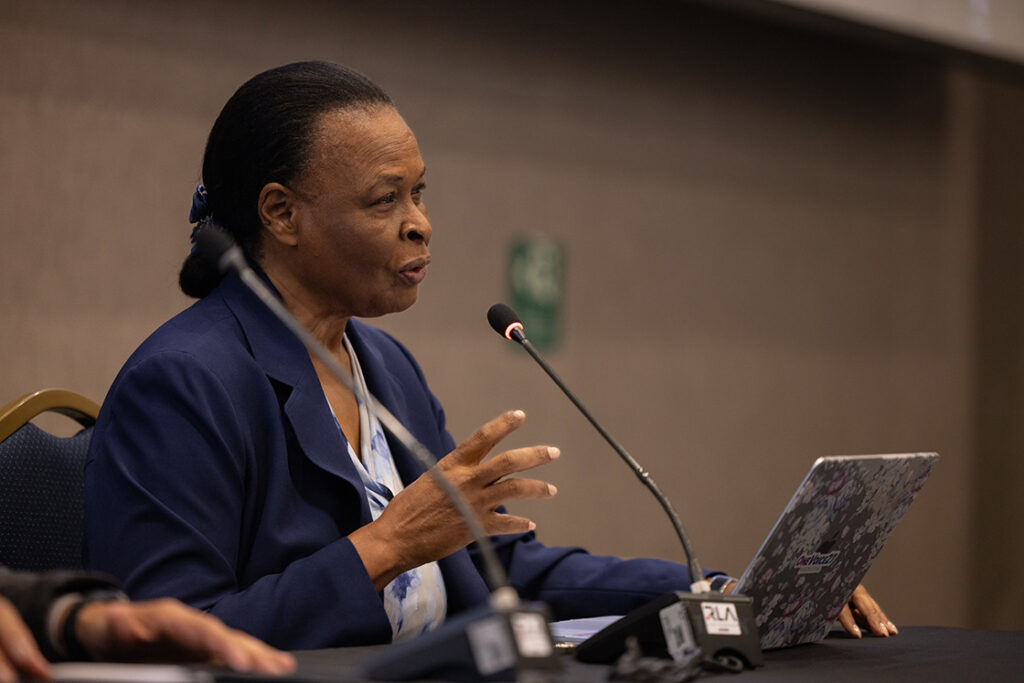
Education Leaders Address Declining Enrollment, Discuss Ways to Strengthen Adventist Schools and Universities
Board members review accreditation, teacher certification and academic programs while calling for greater access to Adventist higher education.
 From the Headquarters
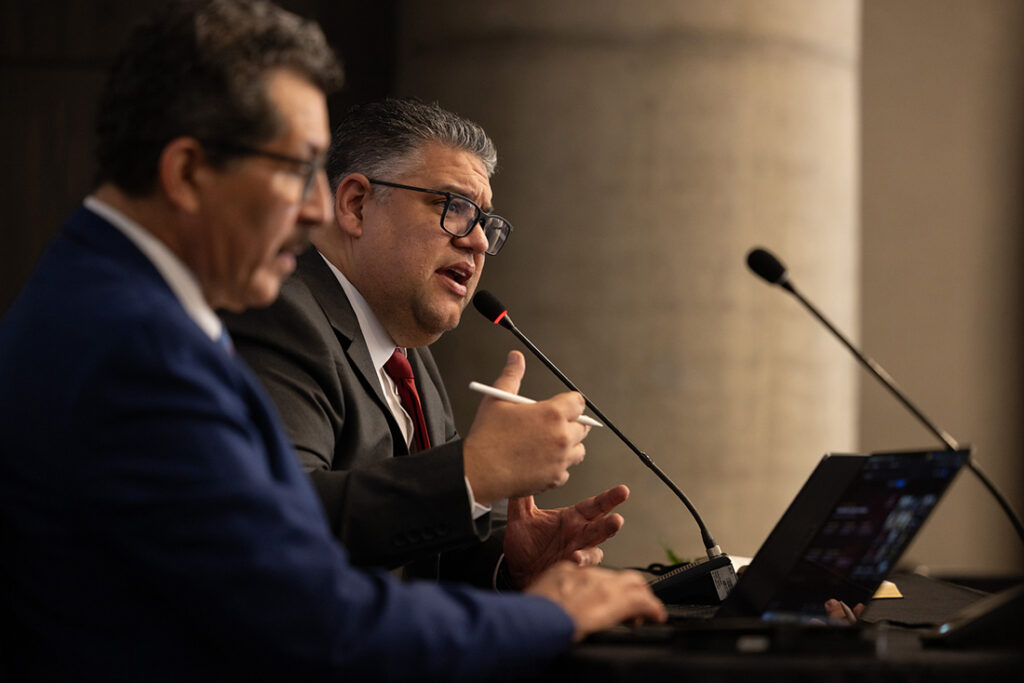
IAD Boards Approve 2027 Plans, Strengthen Mission Across Inter-America
Leaders of theological, health food and healthcare service institutions chart priorities for growth, sustainability and stronger mission impact. October 30, 2026 | Bogotá, Colombia…
 From the Headquarters
Consecrated
The following message is addressed to the Seventh-day Adventist Church in Inter-America by Abner De los Santos, president of the Inter-American Division. — IAD…