
Government, Faith Leaders Join Adventists in Guatemala to Advance Religious Freedom
October 9, 2026 | Guatemala City, Guatemala | Gustavo Menéndez and Libna Stevens, Inter-American Division News
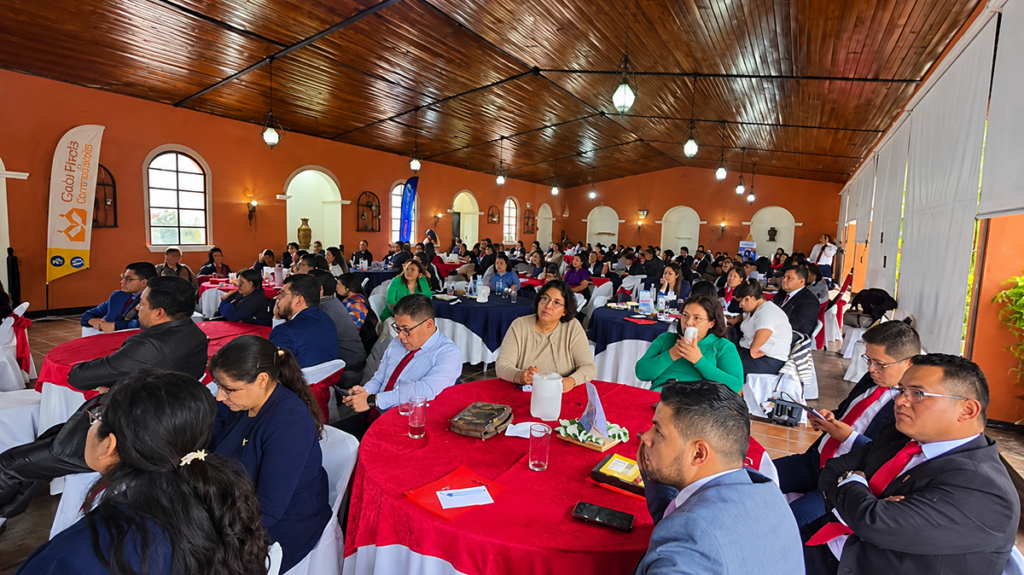
Government officials, legal professionals and representatives of several faith communities joined Seventh-day Adventist leaders and professionals in Guatemala for a national congress focused on strengthening religious freedom and helping people remain faithful to their convictions in educational and professional settings.
Participants included members of the Muslim community, Full Gospel Church and The Church of Jesus Christ of Latter-day Saints, reflecting a broader effort to foster interfaith dialogue and cooperation on religious liberty in Guatemala.
Pastor Guenther García, president of the Seventh-day Adventist Church in Guatemala, said the gathering was important because it strengthened relationships with government and civil society representatives while opening dialogue with other faith communities.
The church promoted the forum on the premise that religious freedom must be defended universally, García said. By advocating for freedom of conscience for people of all faiths, the church also helps safeguard the right of Adventists to live and share their faith without restrictions, he explained.
Similar religious liberty congresses have been held previously at regional and national levels in Guatemala, church leaders said.
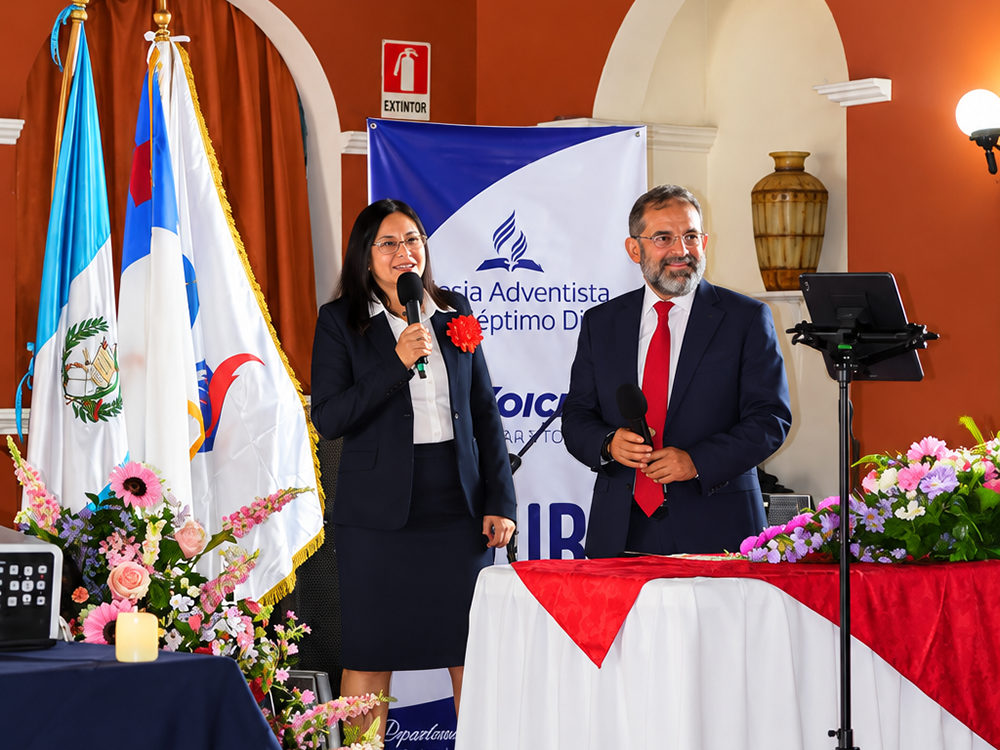
Government officials and members of Guatemala’s legal community participated in a panel discussion chaired by attorney Magda Urizar de López, Public Affairs and Religious Liberty director for the Adventist Church in Guatemala.
The discussion explored the meaning and role of religious freedom in Guatemala, ways in which that right can be violated, and how institutions can better respect the religious convictions of the people they serve.
Panelists also addressed challenges faced by students when academic requirements conflict with their religious practices and discussed ways to increase public awareness of religious liberty protections.
Congressman Ronald Portillo, a member of the Congress of the Republic’s Parliament for Religious Freedom, addressed the importance of safeguarding the rights of people to practice and express their beliefs without discrimination.
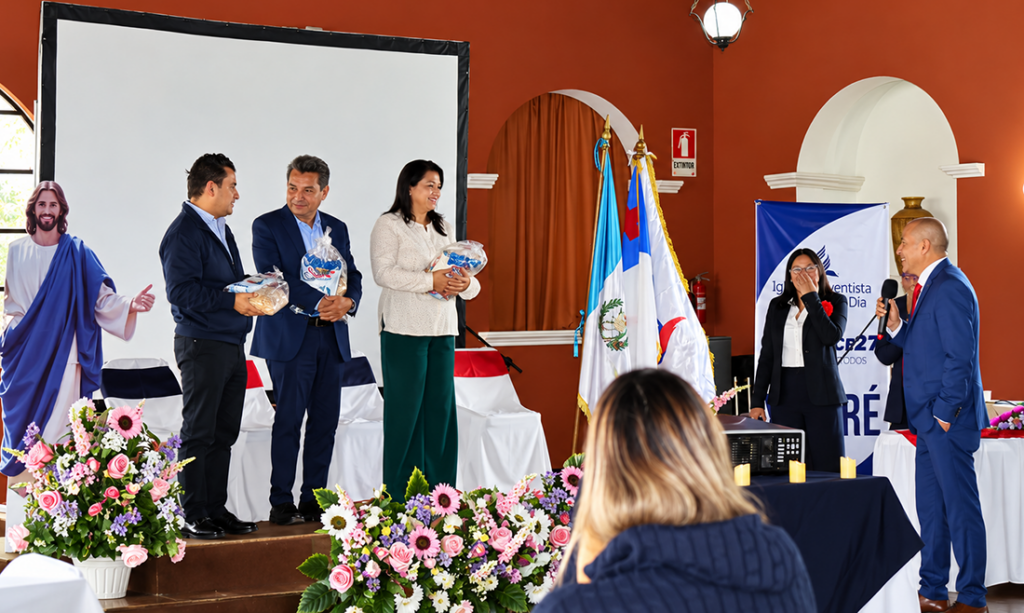
“I believe in a Guatemala where faith is respected, convictions can be lived out, and freedom is always protected,” he added.
Patricia Gámez, president of the Guatemalan Bar and Notaries Association, emphasized the right of every person to profess his or her faith.
Also participating in the discussion was Guatemala’s minister of environment, Edwin Castellanos, who spoke about faith and the responsibility to care for God’s creation.
For García, bringing together public officials, attorneys, Adventist professionals and representatives of other religions provided an opportunity not only to strengthen relationships but also to break down misconceptions.
Remaining Firm in Their Convictions
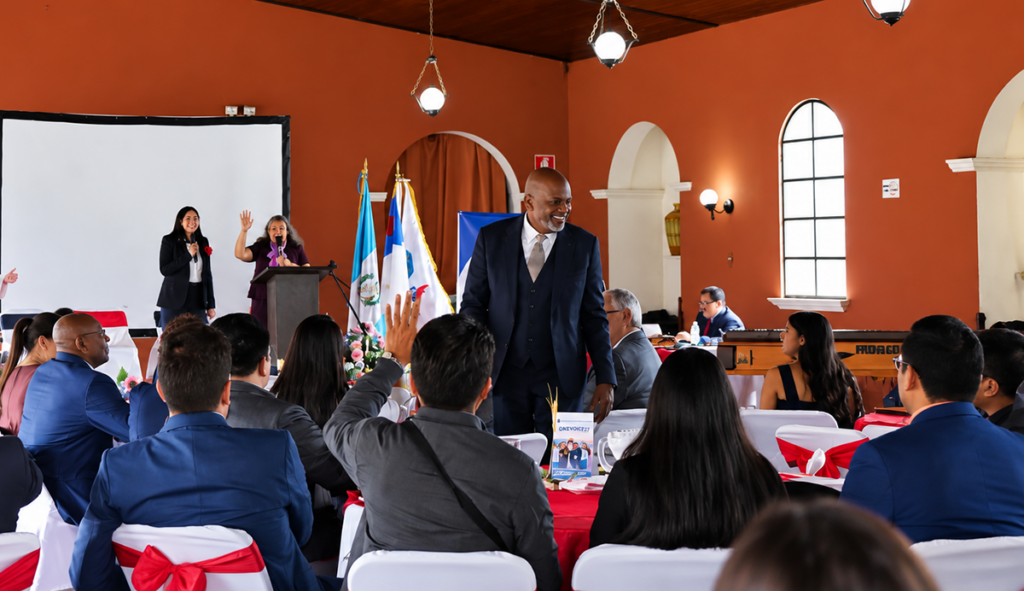
International Adventist leaders participating in the congress included Pastor Elie Henry, associate director of Public Affairs and Religious Liberty for the General Conference, and Balvin Braham of the Inter-American Division.
Henry challenged professionals to remain faithful to their convictions even when they find themselves in environments where their beliefs are tested.
“You are in Babylon, but you are not of Babylon,” Henry told participants, urging them to remain firm in their convictions.
In his seminar, “Adventist Professionals and Religious Freedom Integrated in the Proclamation of the Gospel,” Braham challenged professionals to make religious freedom an integral part of the church’s mission by defending the right of individuals to seek, embrace and express their beliefs.
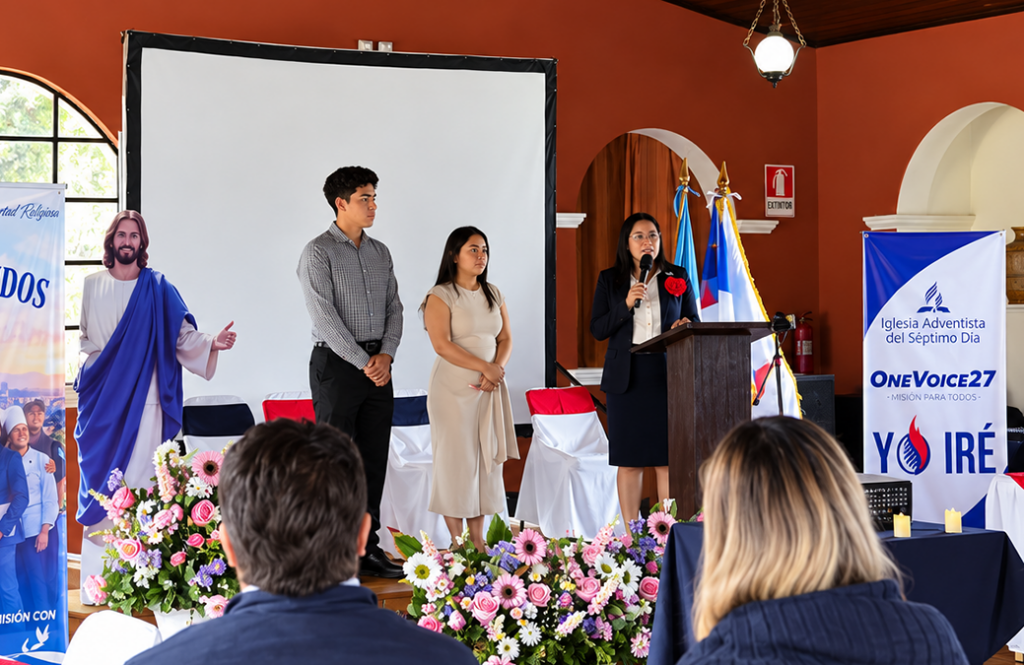
The challenges surrounding religious freedom became personal as university students Paulina Pérez and José Manuel Torres Tumax shared how observing the biblical Sabbath from Friday sunset to Saturday sunset created conflicts with academic requirements.
To complete their studies without compromising their Sabbath convictions, Pérez had to change universities, while Torres Tumax moved to another part of the country to find an academic environment more accommodating of his religious beliefs, church leaders said.
Attorney Leslie Tzicap also shared how she resigned from a position rather than compromise her faith and principles.
The experiences were intended to encourage young professionals and university students to recognize that they can remain faithful to their religious convictions while pursuing their education and careers, García said.
The congress sought to make students and young professionals more aware of religious liberty issues and encourage them to seek appropriate solutions when their convictions conflict with institutional requirements.
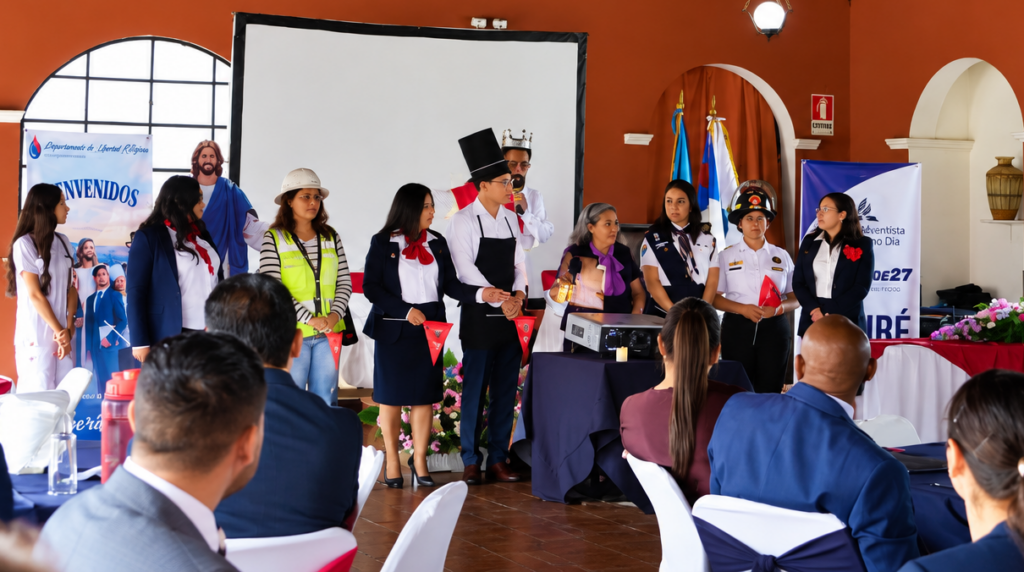
The congress also became a personal turning point for attorney Ana Cristina González, who responded to a spiritual appeal and renewed her commitment to the Adventist Church through profession of faith.
González, who grew up Adventist but had been away from the church for several years, said the testimonies of professionals who remained faithful through difficult circumstances led her to reflect on her own spiritual journey.
“I responded to the call that God had been making to me for some time—to be courageous and continue through life knowing that He will never abandon me and that He is always with me,” she said.
Her decision marked a return to active church membership and, she said, a renewed determination to live out her faith in her personal and professional life.
Seeking Greater Religious Liberty Protections
The congress also highlighted steps that have been taken to protect students’ religious practices in Guatemala.
Ministry of Education Circular VDEEA-01-2024 instructs education authorities to respect students’ practice of their religion. The directive was signed by Edna Leticia Portales de Núñez, vice minister of Extracurricular and Alternative Education, and Annelisse Lainfiesta Soto de Zepeda, vice minister of Technical Education, with the approval of then-Education Minister Claudia Ruiz Casasola de Estrada.
The measure is particularly significant for Adventist students who may encounter conflicts involving Saturday classes, examinations or other academic requirements during Sabbath hours.
Urizar de López said additional protections are still needed beyond the school system.
“The effort for religious freedom continues in order to achieve a similar agreement for university education and in the workplace,” she said.
Church leaders said the congress strengthened connections among Adventist professionals, public officials and other faith communities while opening opportunities for continued dialogue on religious liberty in Guatemala.
Organizers said those conversations will continue as the church seeks greater awareness and accommodation of religious observance in universities and workplaces.
Related news
 From the Headquarters
Inter-America Sets Stage for 100,000-Site Evangelistic Initiative in 2028
October 18 online gathering will begin preparing pastors, evangelists and lay leaders for territory-wide evangelistic campaigns.
From the Headquarters
Inter-America Sets Stage for 100,000-Site Evangelistic Initiative in 2028
October 18 online gathering will begin preparing pastors, evangelists and lay leaders for territory-wide evangelistic campaigns.
 From the Headquarters
Inter-America to Mobilize Hundreds of Digital Creators to Share Jesus Through OneVoice27
October 22 Creative Disciples Online Meetup will connect and equip creators for a territory-wide digital mission movement in 2027
From the Headquarters
Inter-America to Mobilize Hundreds of Digital Creators to Share Jesus Through OneVoice27
October 22 Creative Disciples Online Meetup will connect and equip creators for a territory-wide digital mission movement in 2027
 From the World Church
Ellen White and Dispensationalism
A different perspective on Israel, the church, and salvation history
From the World Church
Ellen White and Dispensationalism
A different perspective on Israel, the church, and salvation history