
Adventist Leaders Urged to Rethink Church Planting and Prioritize Discipleship

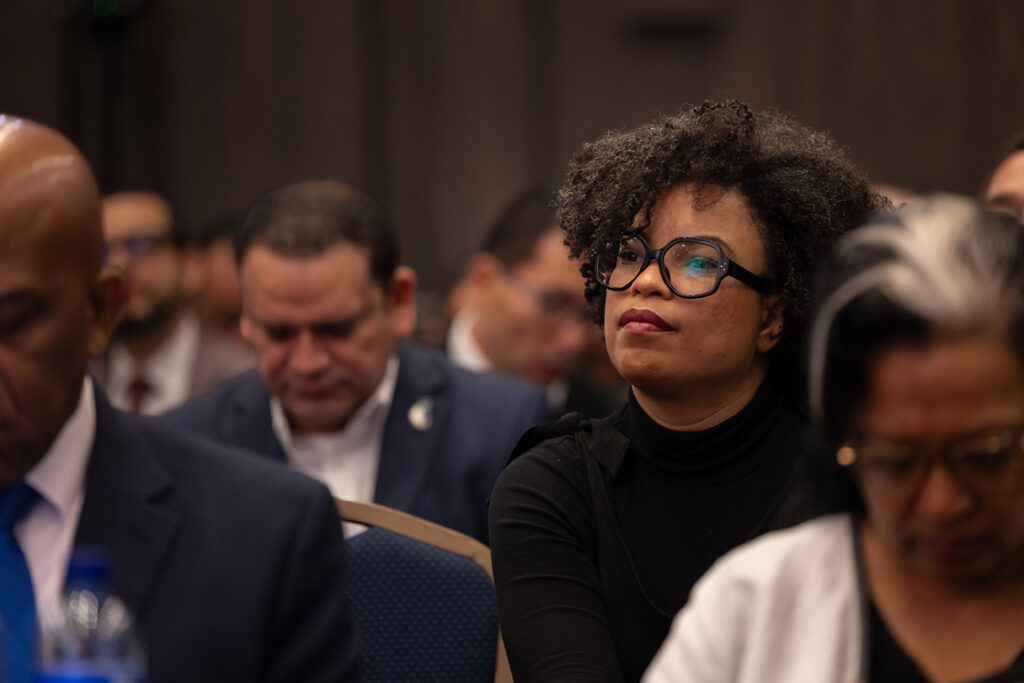
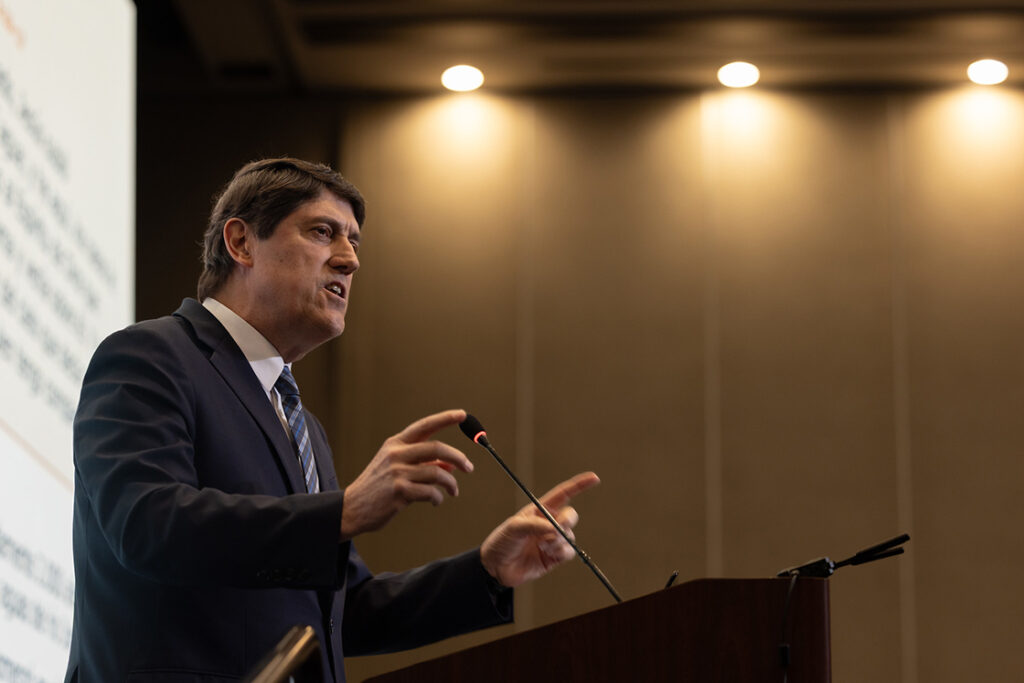
GC Associate Secretary Gerson Santos challenges church leaders to reach beyond existing congregations and equip new believers to share their faith.
November 2, 2026 | Bogotá, Colombia | Libna Stevens, Inter-American Division News
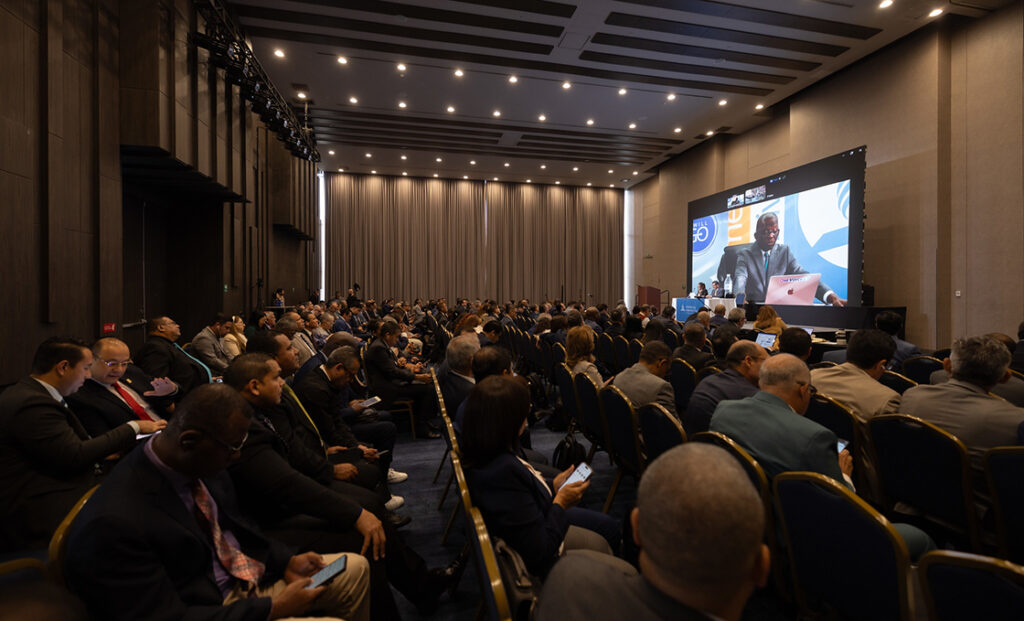
The Seventh-day Adventist Church must look beyond its existing membership and establish congregations that reach people who do not yet know Christ, General Conference Associate Secretary Gerson Santos told Inter-American Division (IAD) leaders during the division’s Annual Council on November 2, 2026, in Bogotá, Colombia.
“I believe the time has come to plant churches for non-Adventists,” Santos said during a midday spiritual reflection, challenging administrators and executive committee members to rethink whom their congregations are intended to reach.
A Mission That Continues
Santos reminded leaders that the gospel story did not end with Jesus’ earthly ministry.
“The story of the gospel is not simply the account of a past event,” he said. “It is a living mission that began with Jesus, has transformed millions of lives throughout the centuries, and continues to advance through His church.”
Reflecting on Jesus’ baptism in the Jordan River, Santos described it as the beginning of Christ’s public ministry and a reminder that God continues calling people to participate in His work.
He pointed to the upcoming commemoration of approximately 2,000 years since Christ’s baptism as an opportunity to celebrate God’s work and renew the church’s commitment to disciple-making and proclaiming the everlasting gospel.
“We do not simply want to remember an event that happened nearly 2,000 years ago,” Santos said. “We want to celebrate a mission that is still alive.”
To illustrate mission in challenging environments, Santos shared the experience of a missionary couple serving in Estonia, a highly secularized European country.
He described how the couple creates opportunities for young people to connect through small-group gatherings. Some participants do not believe in God but attend to socialize, play board games and build relationships. Others have begun attending church.
The experience, Santos said, demonstrates how friendship can open doors for the gospel where traditional evangelistic approaches face obstacles.
He challenged administrators to reconsider whether church planting primarily serves existing Adventist populations or intentionally reaches those outside the faith.
“We already have many churches for Adventists,” he said, urging greater emphasis on establishing congregations that connect with non-Adventists.
From Baptisms to Disciple-Making
Drawing from Matthew 28, Santos emphasized that Jesus commissioned His followers to make disciples, not merely increase membership.
“What would happen in our churches and communities if every Christian helped another person become a disciple of Jesus?” he asked.
Referring to recent baptismal celebrations, Santos urged leaders to provide intentional training and support for newly baptized members during their first year of church membership.
Rather than focusing exclusively on baptisms, he encouraged preparing new believers to share their faith and participate in mission.
“We are not spectators of the mission,” he emphasized.
Proclaiming the Gospel With Urgency
Turning to Revelation 14, Santos reminded participants of the church’s calling to proclaim the everlasting gospel to every nation, tribe, language and people.
The gospel’s promise of salvation through Christ remains unchanged, he explained, while its universal character demands outreach beyond familiar communities and cultural boundaries.
“The world needs to hear it,” he said, urging leaders to make gospel proclamation a priority.
Hope Beyond Today’s Challenges
Santos concluded with Revelation 21:5, where God declares, “Behold, I make all things new.”
He described the promise as the ultimate destination of Christian mission, a future without suffering, sin, sickness or death.
“Our hope does not rest on human ability, the financial resources we have, or our intelligence and capabilities,” he said, emphasizing God’s power to fulfill His purposes.
The promise of renewal, Santos explained, extends beyond individual transformation to the complete restoration of God’s creation.
“Sin will not have the last word. Suffering will not have the last word. Death will not have the last word,” he declared.
As he closed, Santos challenged leaders to consider what God can accomplish through them today and renew their commitment to making disciples and proclaiming the everlasting gospel.
“One voice. One mission. One future,” he said, pointing to the promise of Christ’s return and a world made new.
Related news
 From the Headquarters
IAD Secretary’s Report Highlights Evangelistic Growth, Calls for Stronger Member Engagement
Annual Council leaders examine rising baptisms, declining recorded membership and youth attendance concerns, emphasizing the need for stronger discipleship, retention and pastoral care across…
 From the World Church
GC Associate Treasurer Tim Aka Dies
He was a thought leader at the intersection of finances and spirituality
 From the Headquarters
‘The Mission We Lead Must Be the Mission We Live,’ Adventist Leader Says
Robert Osei-Bonsu urges Inter-American leaders to personally embrace evangelism, discipleship and service.