
Adventist Leaders in Mexico Launch New Strategy to Make Discipleship a Churchwide Culture
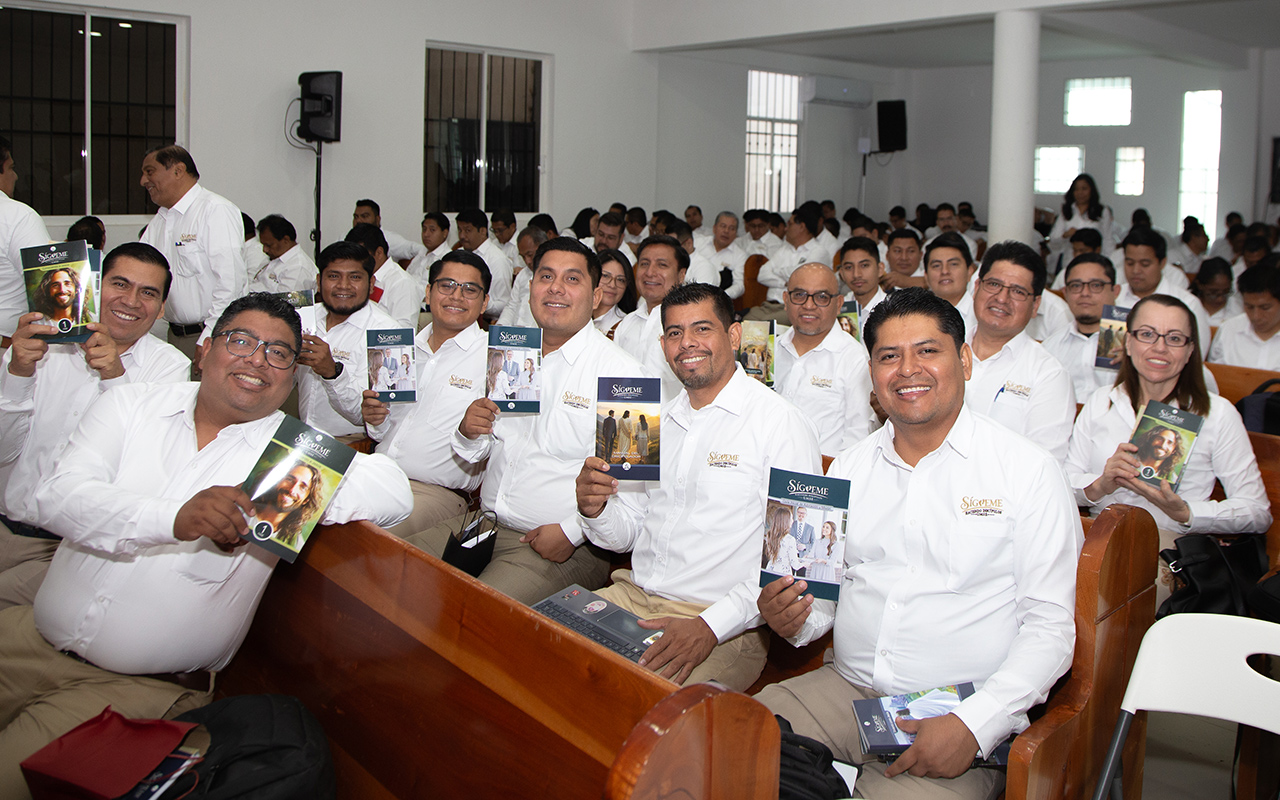
The long-term initiative led by the Southeast Mexican Union seeks to strengthen spiritual growth and ensure new believers are intentionally accompanied beyond baptism.
September 1, 2026 | Mérida, Yucatán, Mexico | Víctor Martínez and Inter-American Division News
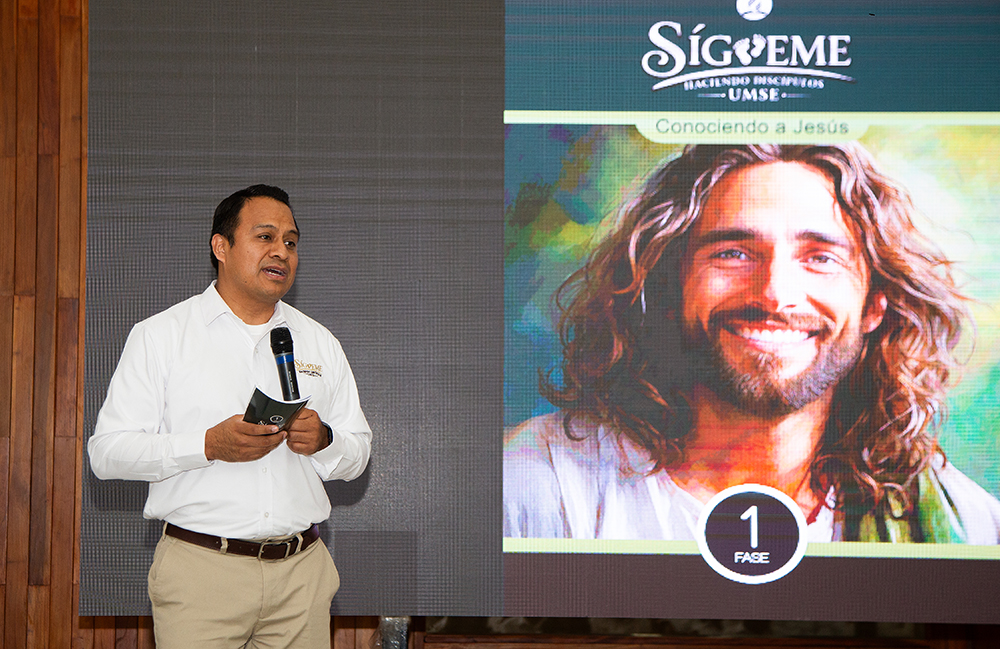
Seventh-day Adventist leaders in the Southeast Mexican Union are strengthening their approach to discipleship, with a renewed focus on what happens before and after baptism and on accompanying believers as they grow spiritually, become involved in church life, and learn to disciple others.
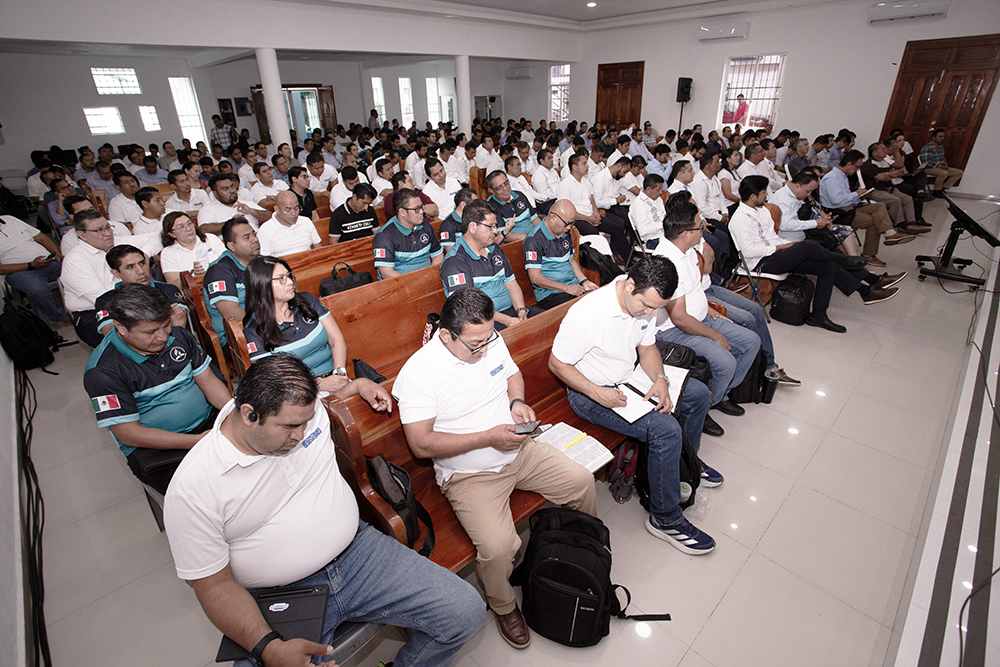
Called “Sígueme” (Follow Me), the new strategy was introduced to 185 district pastors, departmental directors, and administrators during a ministerial gathering held Aug. 9–12 at the union’s Río de Janeiro Camp.
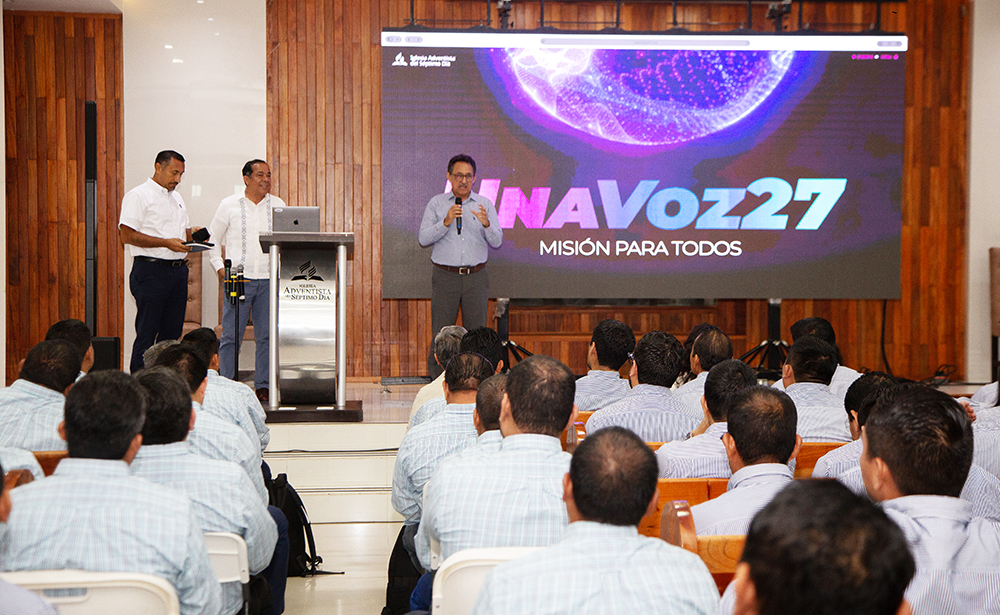
The findings prompted leaders to look more closely at what happens after evangelistic efforts conclude and how churches can more intentionally accompany new believers beyond baptism.
“Discipleship is a lifelong process,” Celis said.
Rather than another short-term church program, leaders described “Follow Me” as a long-term strategy intended to make intentional discipleship part of the culture of every congregation across the union territory.
For Celis, the issue goes beyond membership records or reaching numerical goals. Evangelism cannot end with baptism, he said. New believers need continued spiritual guidance, meaningful relationships, opportunities to serve, and preparation to eventually disciple others.
“Follow Me” is organized around three stages: knowing Jesus, growing in Jesus, and serving like Jesus.
The first begins as a person studies the Bible, experiences conversion, and prepares for baptism. The second focuses on spiritual growth and intentional accompaniment after baptism. The third seeks to establish believers more deeply in their faith by involving them in service and preparing them to share their beliefs with others.
The strategy does not replace the church’s existing evangelistic process, Celis explained. Instead, it strengthens an area leaders believe needs greater attention, the continued spiritual development and integration of believers after baptism.
Churches throughout the territory are already involved in community outreach, medical brigades, Bible studies, and public evangelistic campaigns. “Follow Me” is intended to build on those efforts by helping those reached through evangelism become active, growing disciples who are connected to the life and mission of the church.
The strategy follows the church’s established evangelistic cycle of preparing the soil, sowing, cultivating, harvesting, and preserving. The renewed emphasis, Celis said, is on that final stage—helping believers remain connected, mature spiritually, and become disciple-makers themselves.
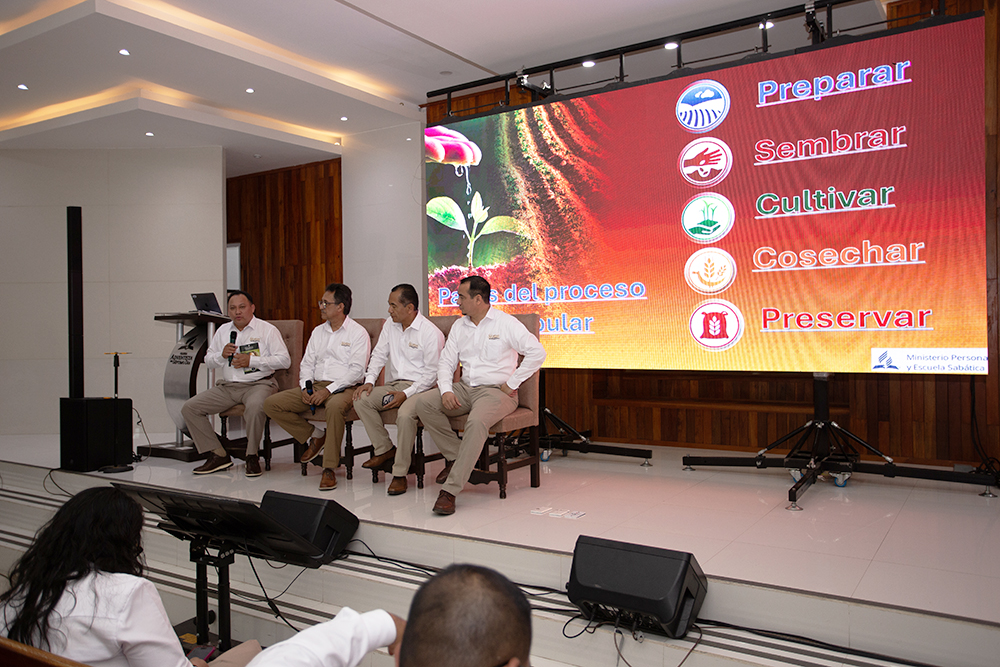
During the August ministerial gathering, pastors reviewed the strategy in discussion groups, offered feedback, and became familiar with resources designed to support each stage of the discipleship process. Adapted from existing church materials and resources developed by a committee of union pastors and departmental directors, the tools include Bible study guides, materials for accompanying new believers, and practical guidance for implementing the strategy in local churches and small groups.
Local field presidents will oversee implementation in their territories, while district pastors will be responsible for bringing the strategy into local congregations. Each church will designate an elder and a discipleship director to coordinate the process, while discipling pairs will be organized within small groups to accompany believers through the different stages.
The union plans to review progress during monthly pastors’ meetings. Union administrators will also visit local fields twice a year for evaluations. Training and implementation will continue field by field and district by district, including during the first quarter of 2027.
Every Person Matters
For Otoniel López, executive secretary of the Southeast Mexican Union, the membership trends that helped prompt the strategy ultimately represent individuals who need continued attention and care.
“Every digit is a person, and every person is a soul for the kingdom of heaven,” López said.
That work, López said, goes beyond maintaining accurate records. It can help identify people who need someone to reach out, listen, and help reconnect them with a community of faith.
Resources Following Mission
Union treasurer Gabriel Estrada said the new strategy will also be reflected in financial planning.
“For Treasury, the ‘Follow Me’ discipleship plan is a high priority,” Estrada said.
Churches, local fields, and the union will be encouraged to align financial resources with mission priorities so that discipleship is supported not simply as an initiative but as an integral part of church life, he explained. For Estrada, that connection extends beyond budgets. Stewardship and discipleship, he said, are both expressions of a life oriented toward mission.
From Strategy to Church Culture
The real test of “Follow Me” will come in local congregations, where pastors and lay leaders will put the strategy into practice.
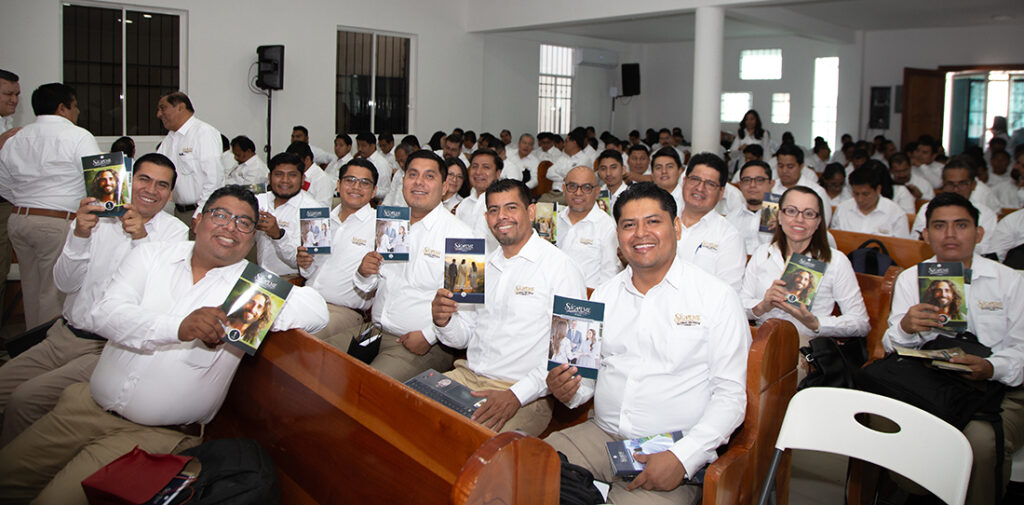
“I want the program to become the new culture of my church in the coming years,” Reyes said.
That means moving beyond simply administering church activities, he added, to intentionally forming people who are committed to Christ, discipleship, and mission.
Pastor Joel Gómez Alvarado, who serves the Yaxkukul district of six churches with 440 members in the Mayab Conference, left the gathering with a similar goal.
“I leave motivated to make discipleship a way of life, not only for me, but for my church,” Gómez said.
Gómez plans to begin by training elders, church board members, and small-group leaders so that they first experience discipleship themselves and are then equipped to guide and motivate others.
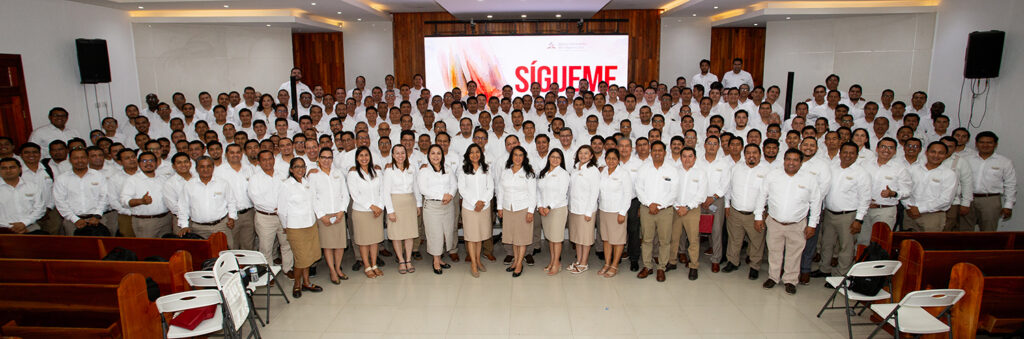
With 728 churches and 605 congregations across the Southeast Mexican Union, leaders recognize that establishing a common culture of discipleship throughout the territory will take time.
That is precisely why Celis emphasized that “Follow Me” is not being introduced as a temporary campaign. Its success, he said, will depend on pastors, elders, ministry leaders, and church members seeing discipleship as an ongoing responsibility.
The August gathering concluded with study, prayer, and commitments from pastors to begin taking the strategy into their districts and congregations.
For union leaders, the objective is to ensure that evangelism leads not only to a decision for baptism, but to an ongoing journey in which believers are accompanied, strengthened in their faith, involved in service, and eventually equipped to lead someone else to Jesus.
“Discipleship is a lifelong process,” Celis said.
Related news
 From the World Church
General Conference announces 2027 Missionary Book of the Year
'All Things New: Prophecies of Hope' combines Daniel and Revelation into an easily understandable study of prophecy.
From the World Church
General Conference announces 2027 Missionary Book of the Year
'All Things New: Prophecies of Hope' combines Daniel and Revelation into an easily understandable study of prophecy.
 From the Headquarters
Jesus Accompanies Us
The following message is addressed to the Seventh-day Adventist Church in Inter-America by Abner De los Santos, president of the Inter-American Division. — IAD…
From the Headquarters
Jesus Accompanies Us
The following message is addressed to the Seventh-day Adventist Church in Inter-America by Abner De los Santos, president of the Inter-American Division. — IAD…
 From the World Church
Adventist Church Marks 100 Years of Working Policy
Annual Council celebration traces a century of policy and its role in supporting the church’s global mission.
From the World Church
Adventist Church Marks 100 Years of Working Policy
Annual Council celebration traces a century of policy and its role in supporting the church’s global mission.